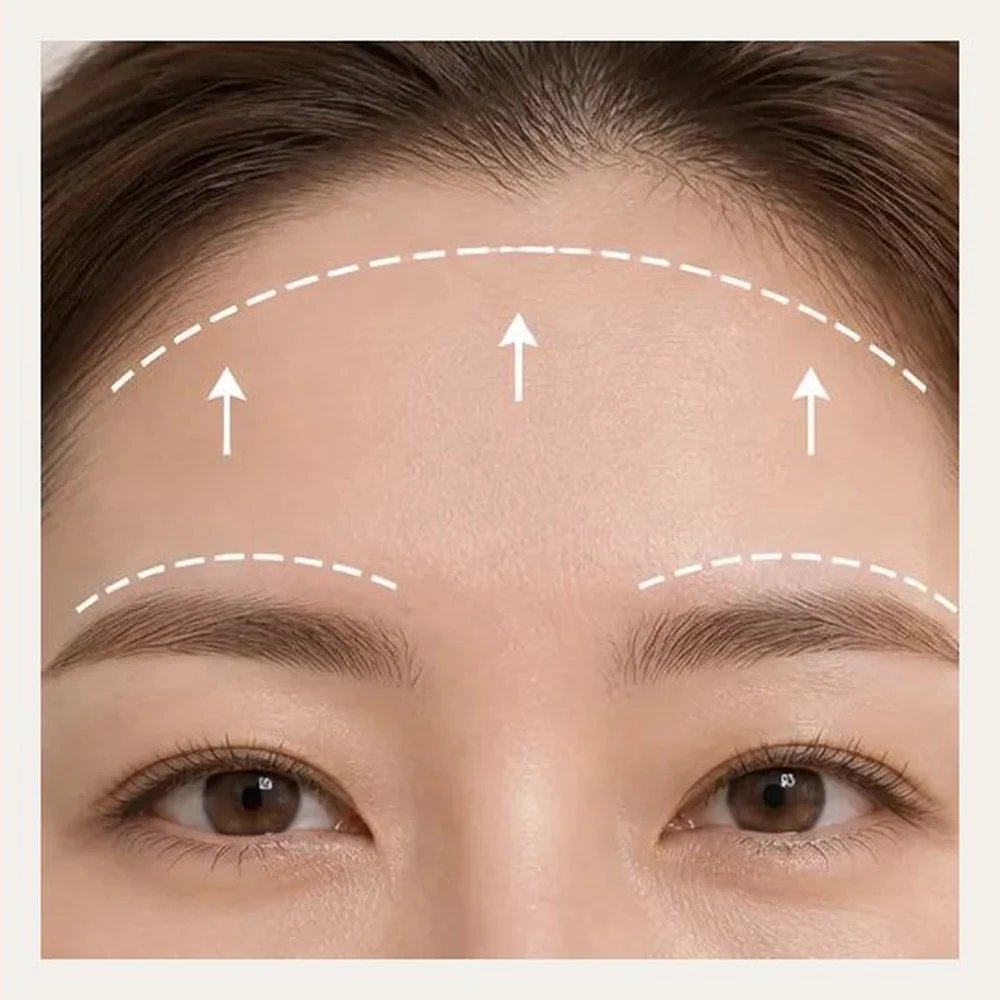
Why is the cost of a forehead lift determined after an examination? We explain the factors involved, including identifying the cause, incision placement, any eye surgery performed at the same time, health status, and follow-up care.
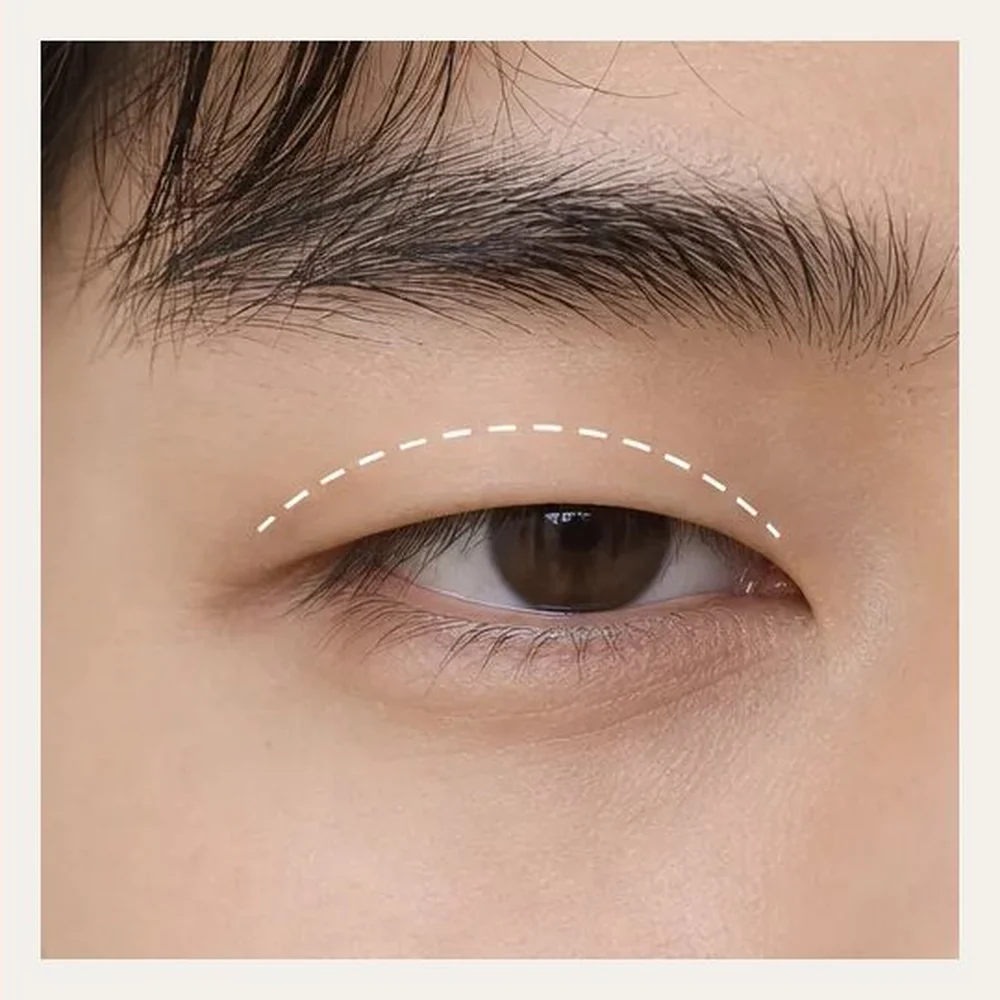
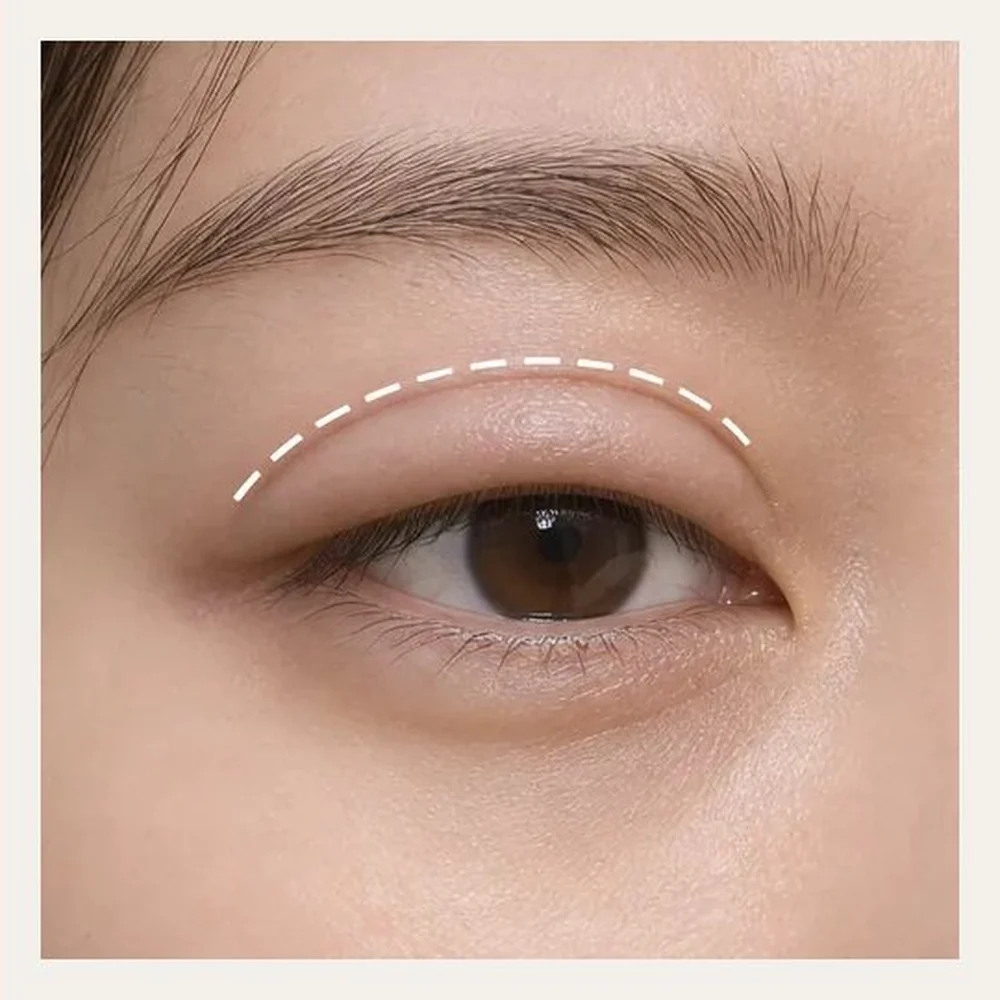
Men often have thicker eyelids and lower eyebrows, so the crease height, amount of skin removed, and choice of technique may differ. This article explains plans for no crease or a subtle crease, changes in eyebrow position, and when to return to work.
Not all sleepy-looking eyes require the same surgery. We explain why the cost of ptosis surgery varies based on whether the ptosis is true or false, the use of a non-incisional, partial-incision, or incisional technique, any procedures performed at the same time, and whether it is revision surgery.
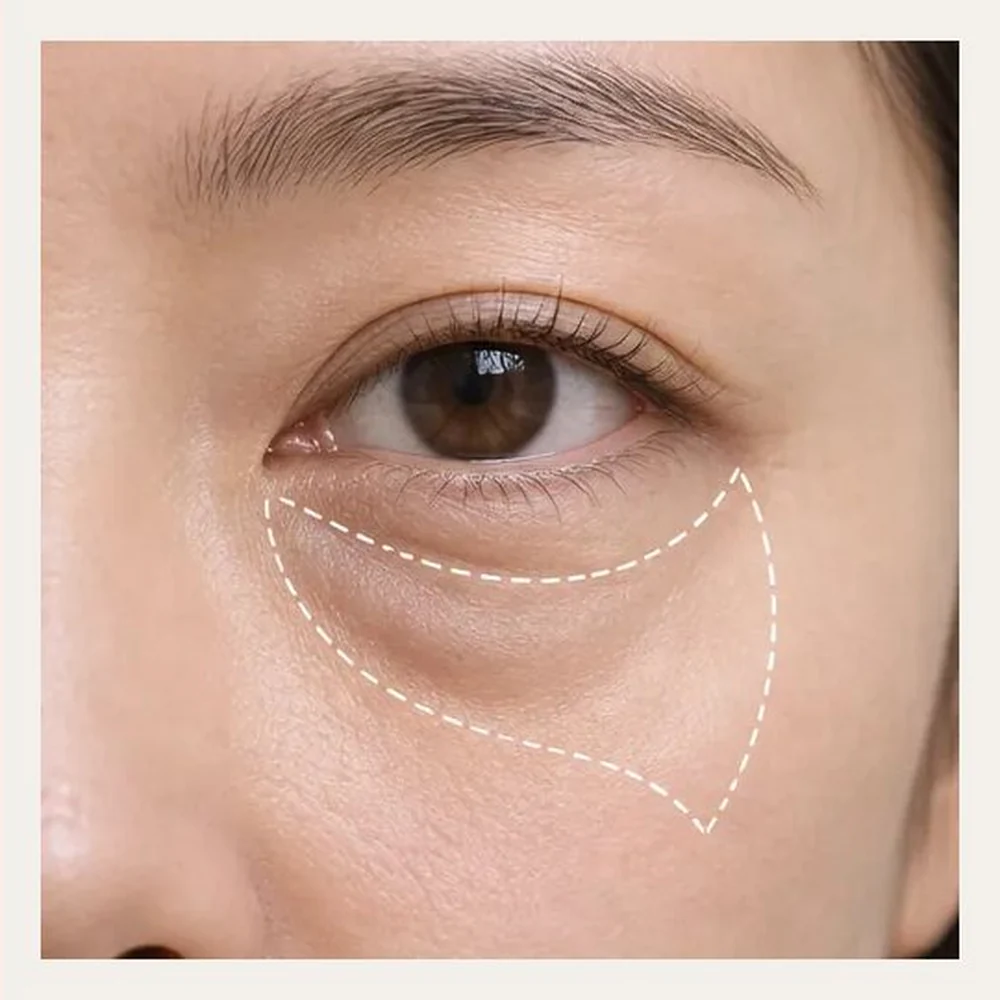
When will swelling and bruising go away after lower eyelid surgery? We explain the recovery process at 3–4 days, 5–7 days, 3 weeks–3 months, and 3 months–1 year, including when you can wear makeup and exercise, and how to care for yourself.
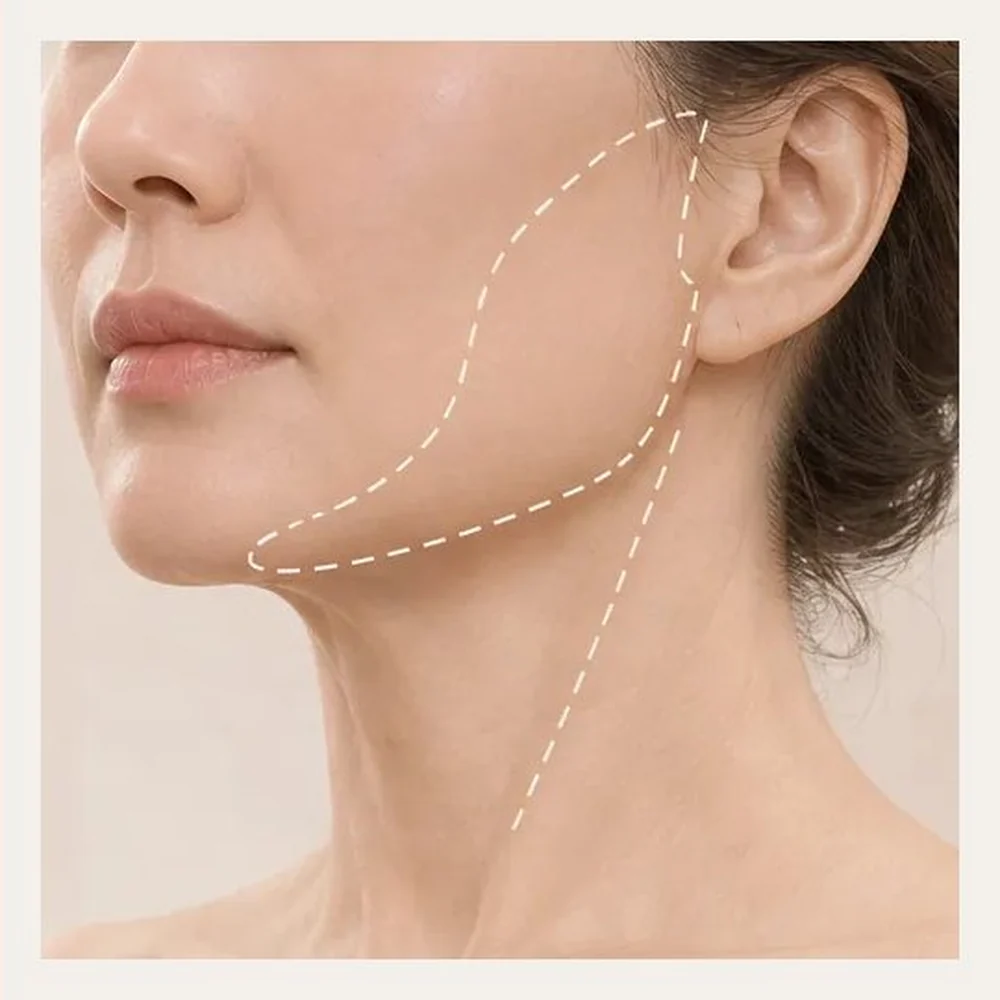
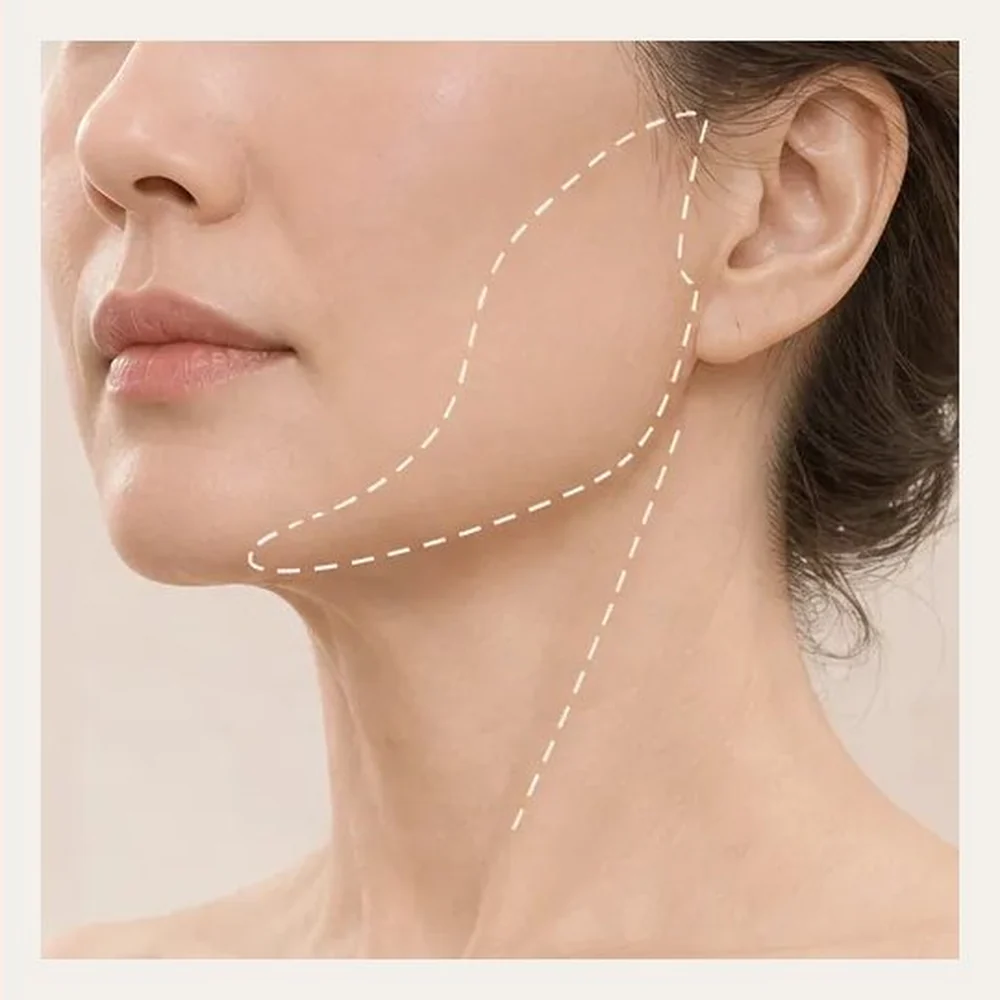
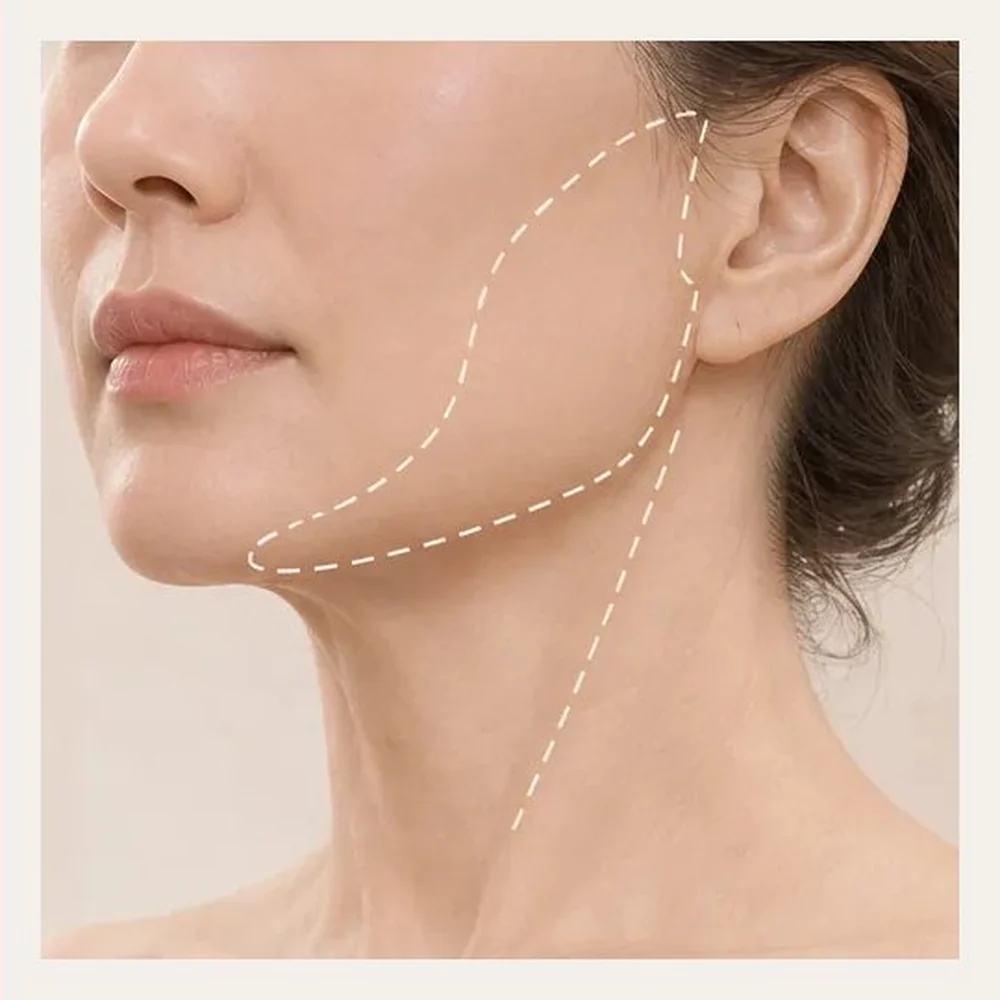
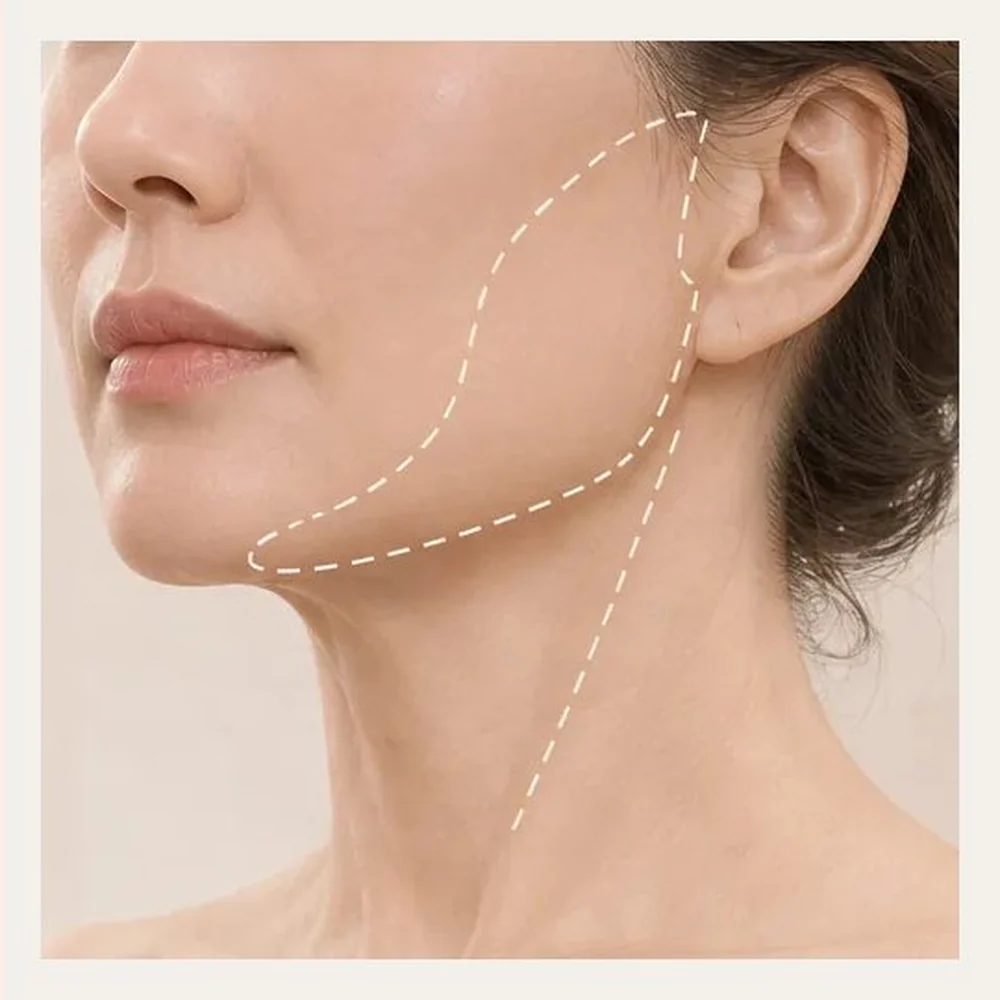
What changes at 1 week, 1 month, 3 months, 6 months, and 1 year after a facelift? We explain swelling, stitches, returning to daily activities, firmness and tightness, and follow-up at each stage.
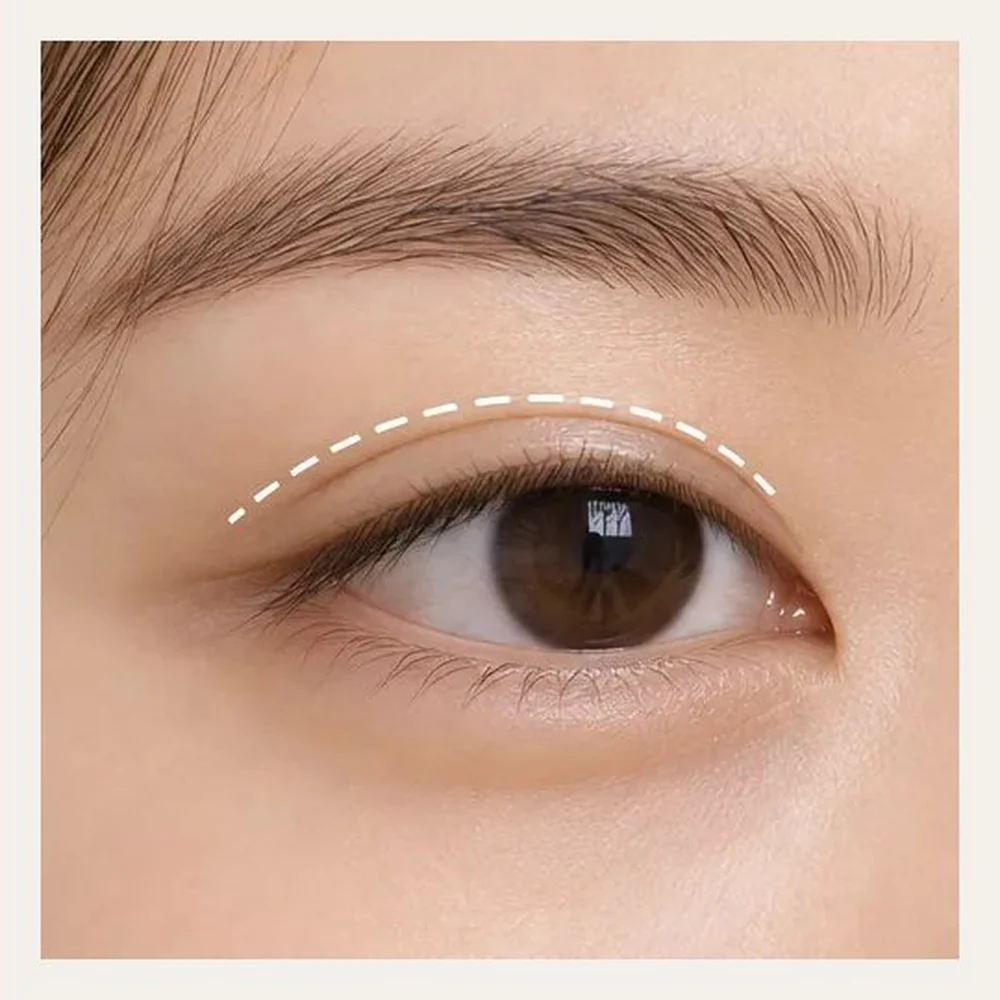
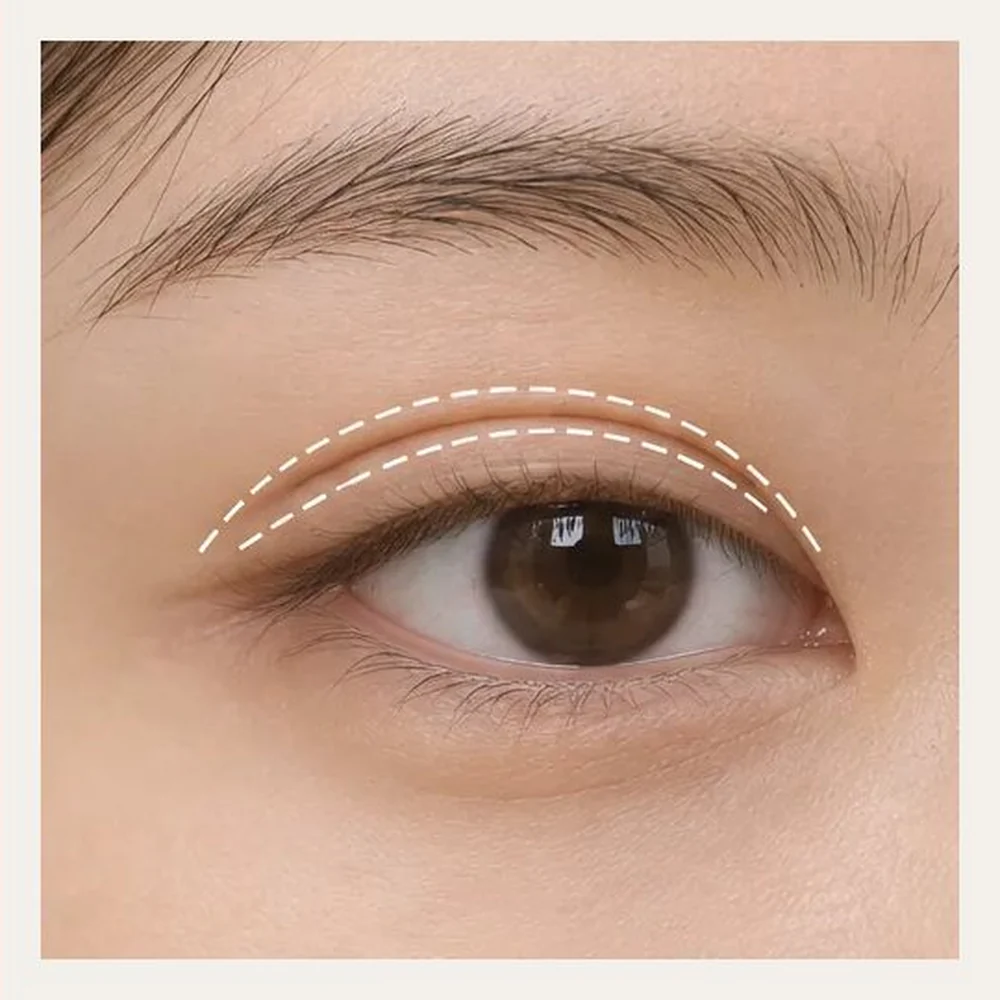
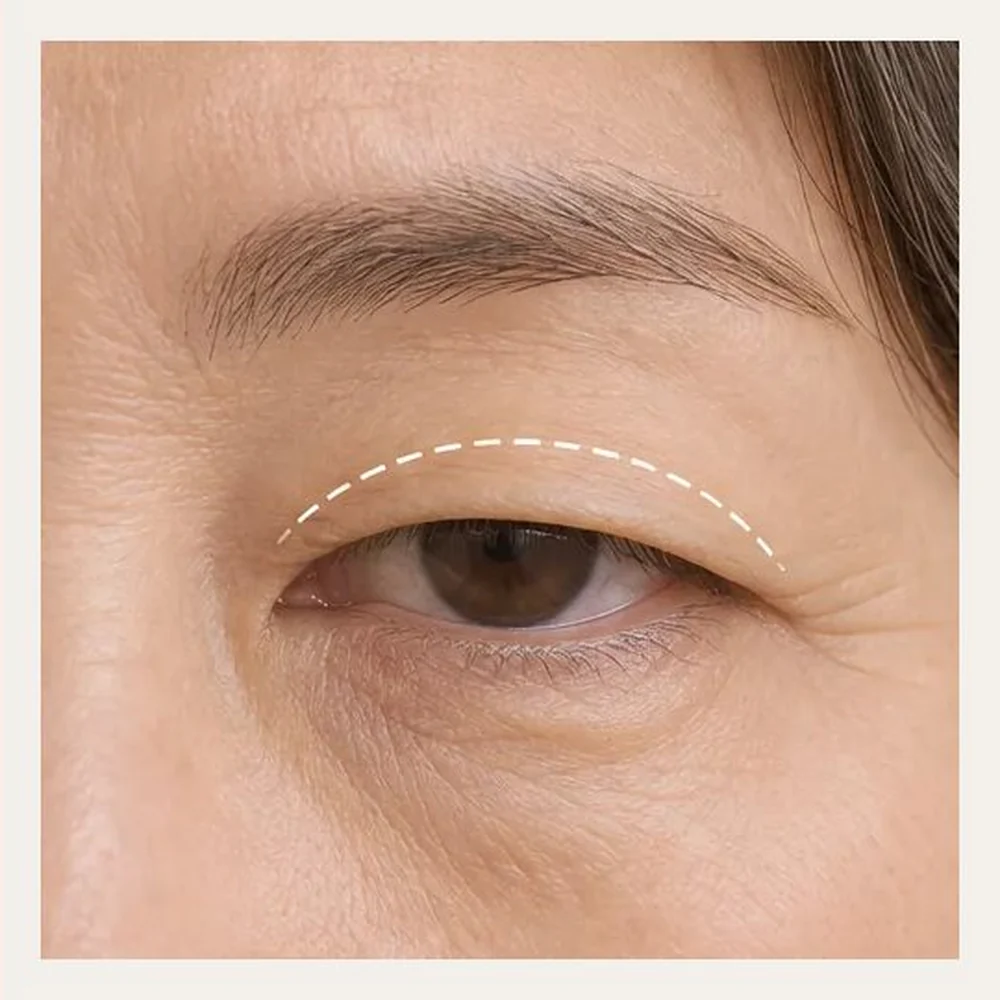
Swelling after double eyelid surgery is usually worst on days 3–4, and stitches are removed on days 5–7. Here is a timeline of differences between non-incisional and incisional surgery, swelling care, firmness from 3 weeks to 3 months, and symptoms that require you to contact the clinic immediately.
Double eyelid revision surgery is usually considered after 6 months to a year or longer. Here are the reasons to wait, symptoms that need prompt evaluation, and the causes checked first for a loosened crease, multiple creases, and asymmetry.
A deep-plane facelift takes about 4–5 hours, uses sedation, and requires no overnight hospital stay. Here are the reasons surgery time varies, how it differs from a mini facelift, and what to expect on the day of surgery.
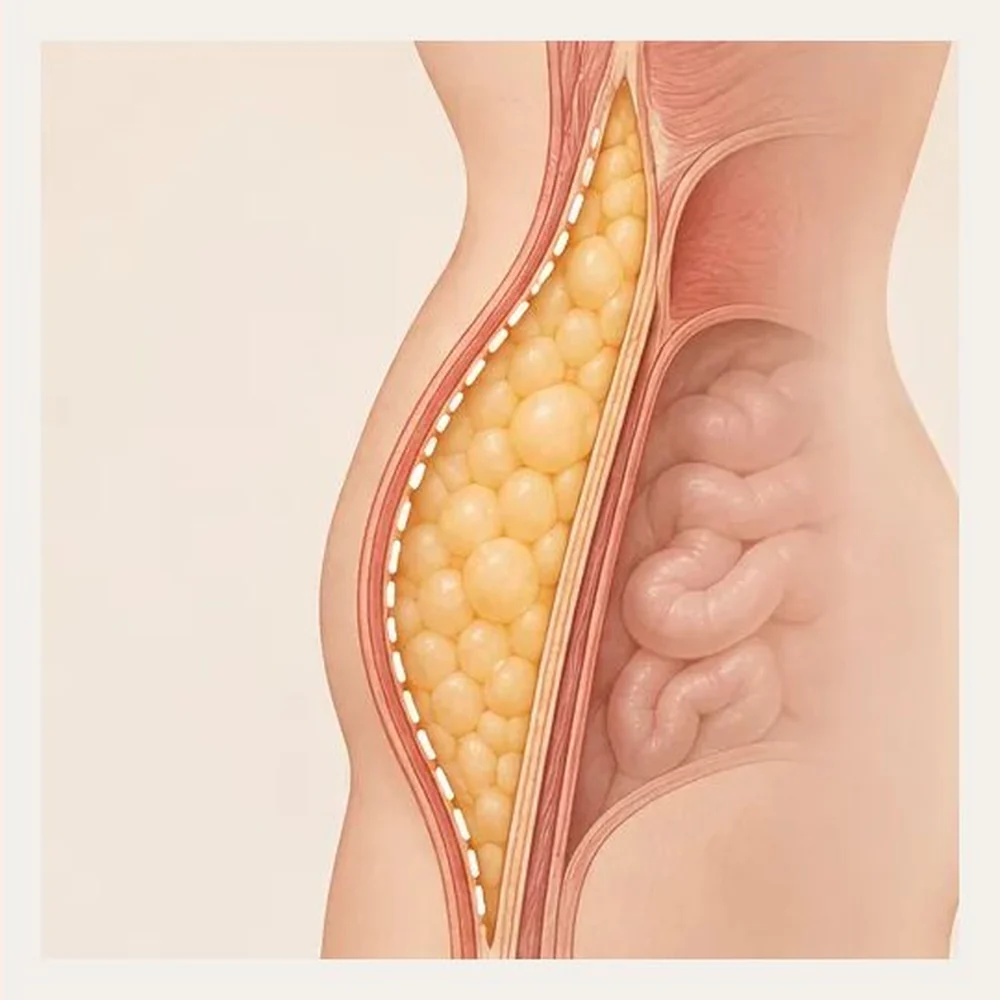
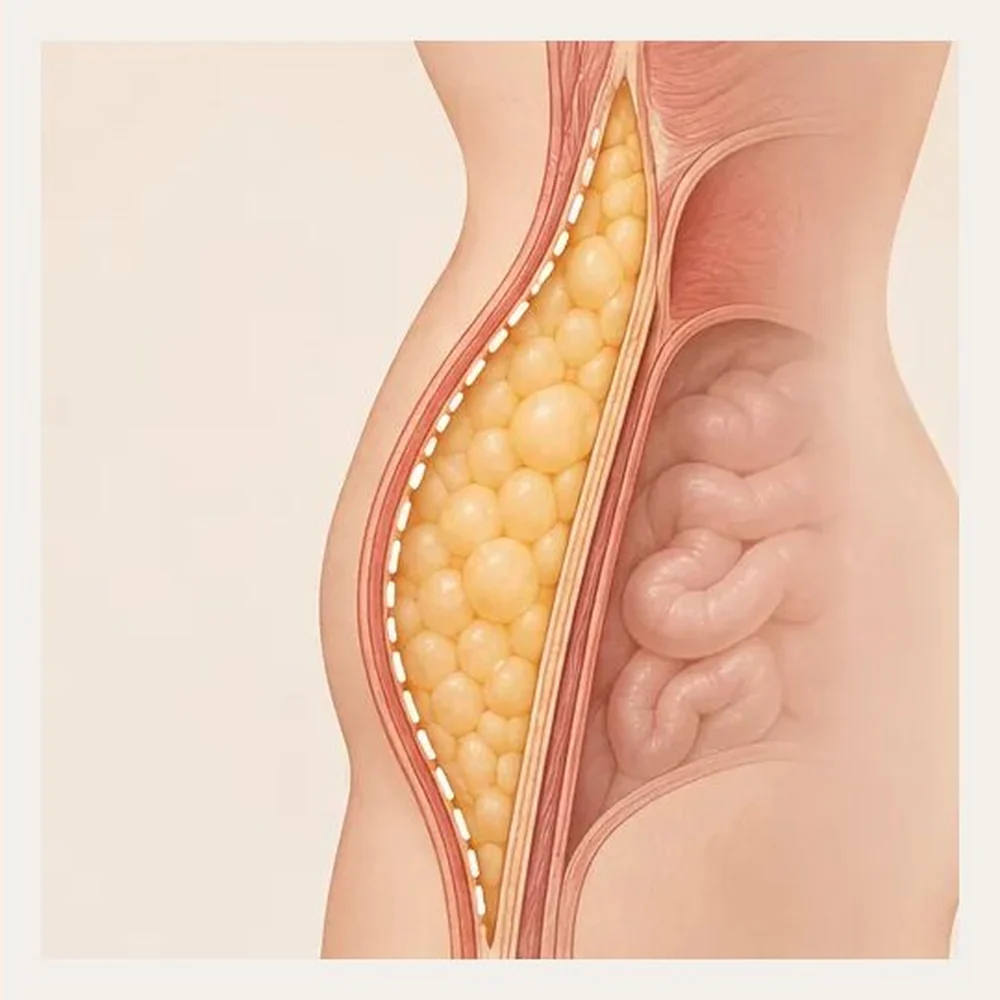
What affects the cost of liposuction? We explain the factors that determine cost, including the number and extent of treatment areas, the choice of surgery based on skin elasticity, additional procedures, whether revision surgery is needed, and recovery care.
What affects the cost of Re2O? We explain the factors that determine the cost, including the number of sessions, treatment area and product, whether it is performed alongside surgery, additional treatments, and follow-up care.
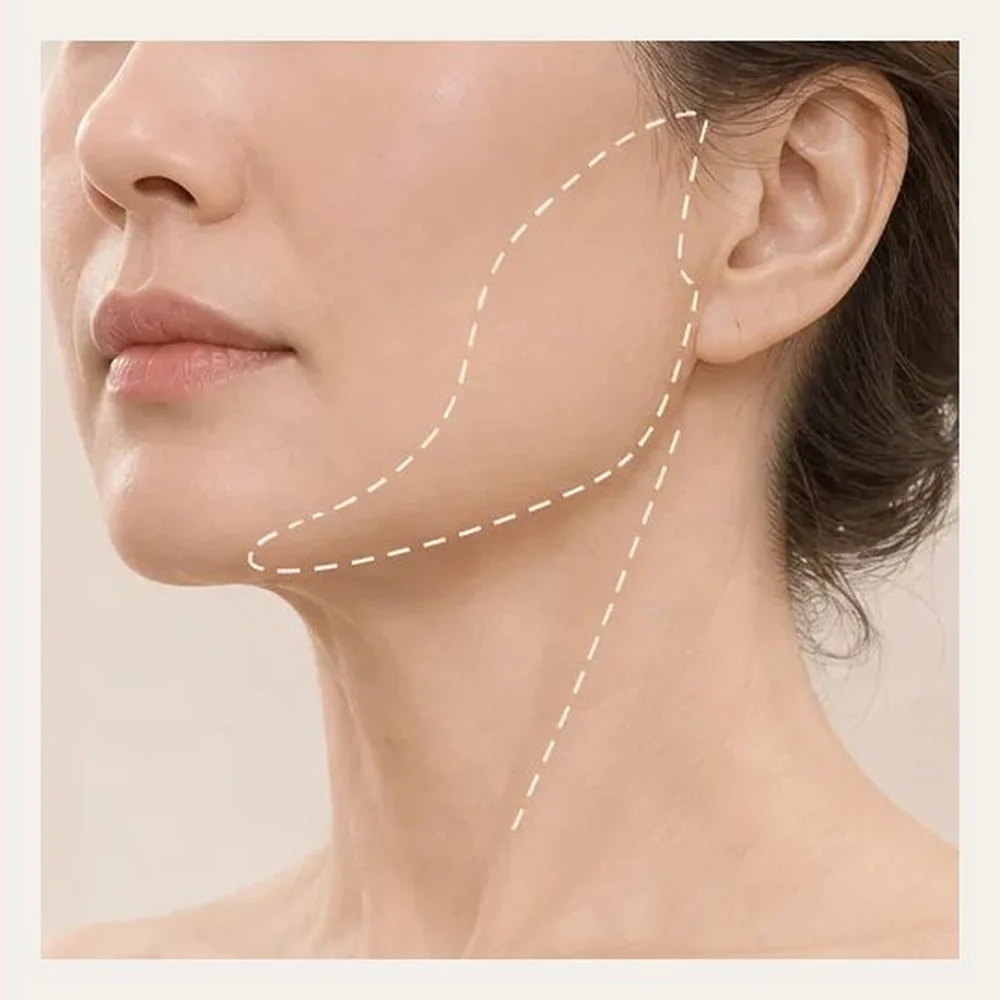
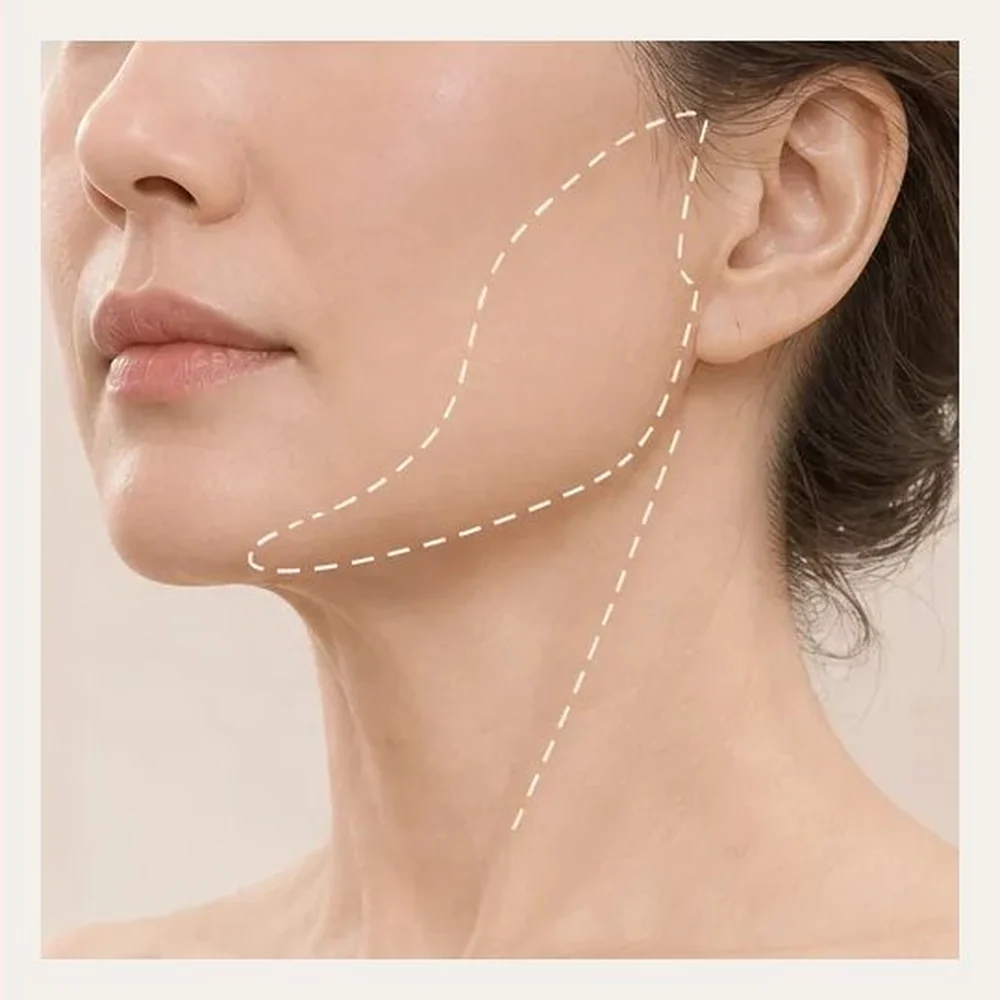
Why does the cost of a facelift vary from person to person? We explain the factors that determine the cost, including the extent of sagging, the tissue layers treated, whether a neck lift or eyelid surgery is performed at the same time, and post-operative care.
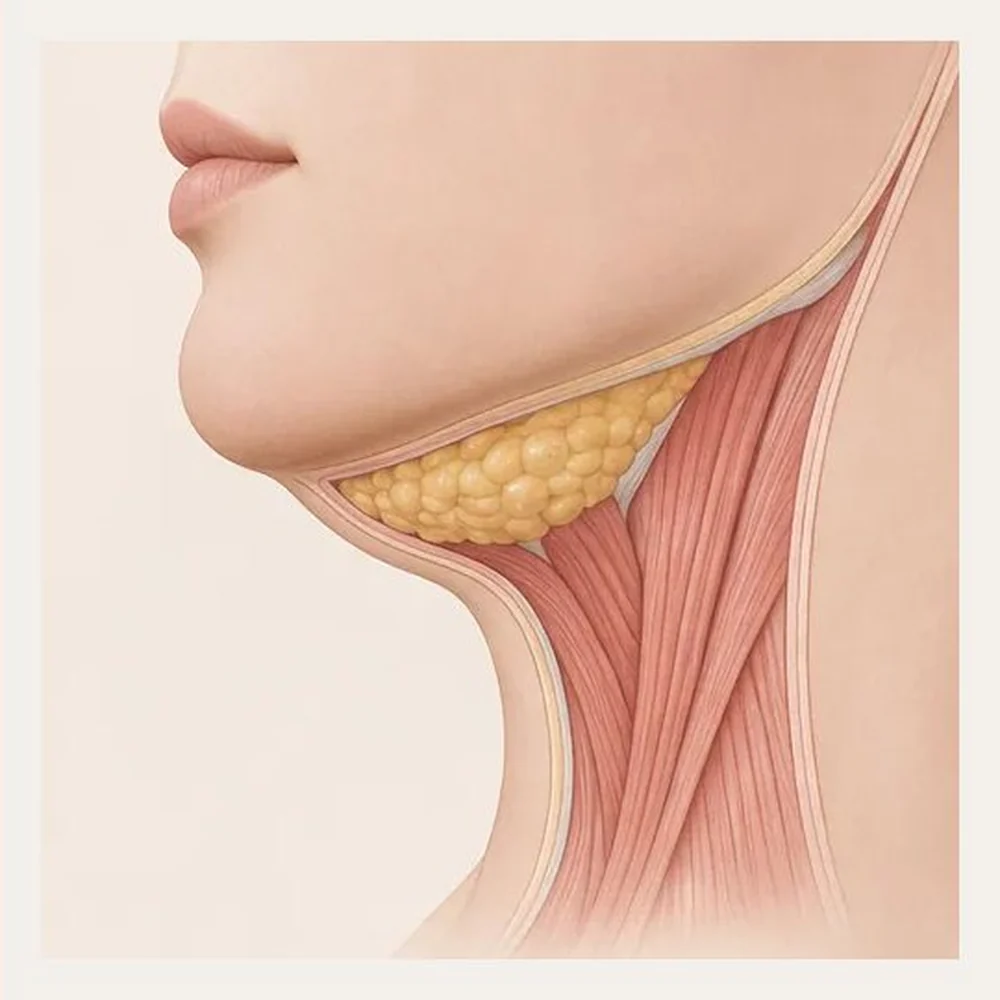
Even when both look like a double chin, the tissue layers that need treatment differ. We explain how to determine when to reduce fat and when to reposition the skin and platysma muscle.
Even when the concern is the same—“my eyes look small”—double eyelid surgery and ptosis correction address different structures. We explain which measurements help determine the appropriate approach.
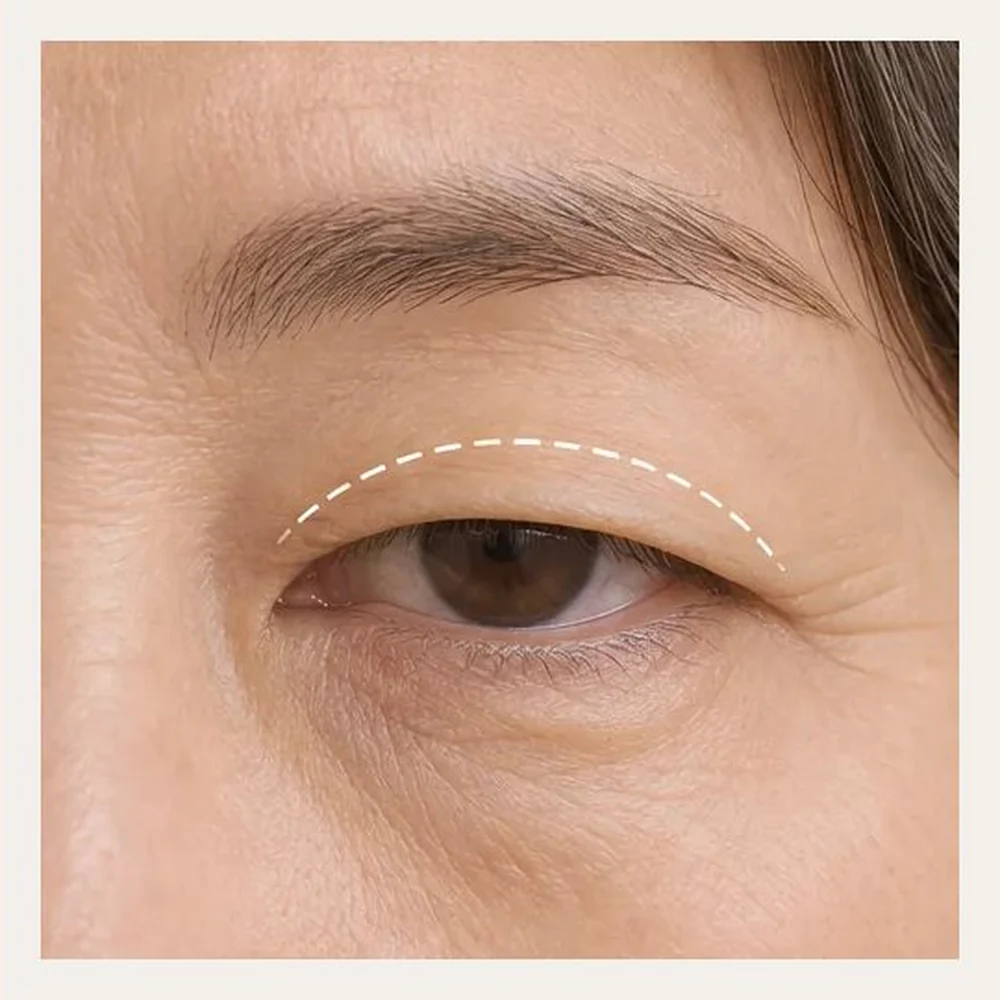
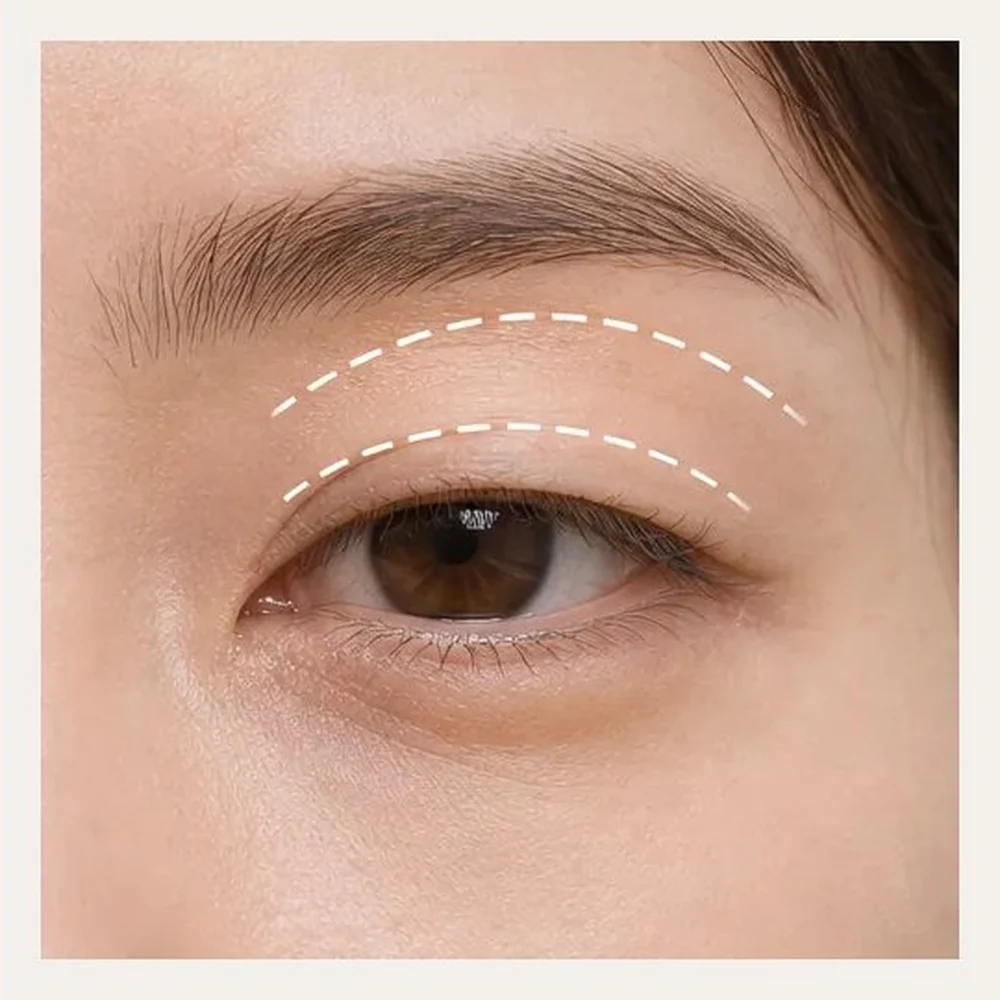
When the upper eyelids feel heavy, the source of the sagging determines whether to remove eyelid skin or lift the brows. We explain who may be suited to each procedure.
Why does the cost of lower eyelid surgery vary from person to person? We explain the factors that determine cost, including whether an incision is needed, whether the cheeks are also treated, combined procedures, and follow-up care.
Is removing bra-line fat enough to smooth the back? We explain why back fat forms rolls, how the treatment area is determined, and what recovery after liposuction involves.
If the lower eyelid turns outward and does not close properly after under-eye surgery, we explain why the supporting structures, scars, and remaining tissue need to be assessed before the skin.
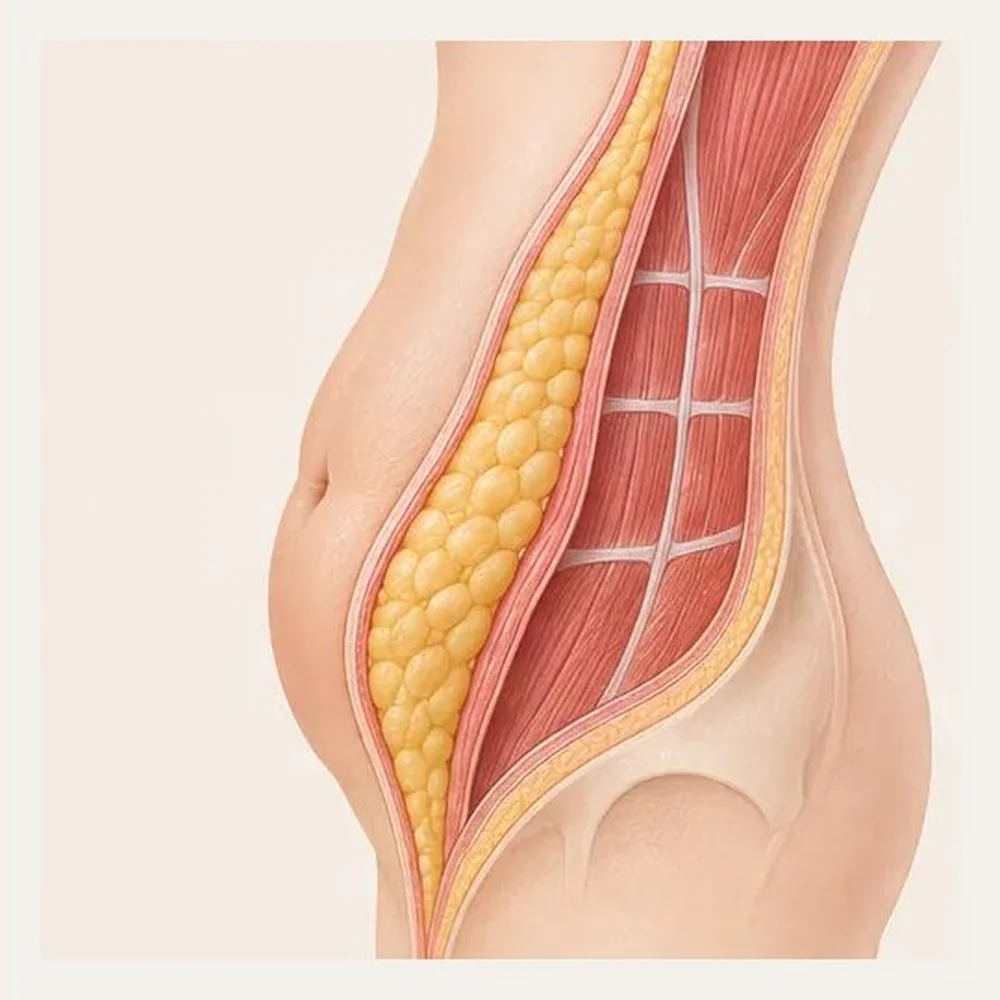
If your lower abdominal skin is wrinkled and the center of your abdomen protrudes despite exercise, fat may not be the cause. We explain how to distinguish between liposuction and a tummy tuck, along with scarring and surgical timing.
Facelift results vary by person, but 5.5 years is generally used as a reference point. We explain what happens afterward and why the numbers differ between studies.
If you want to lower a high double eyelid crease, how far it can be lowered depends on the remaining skin, adhesions, and eyelid opening strength. We explain when to wait and which methods are used.
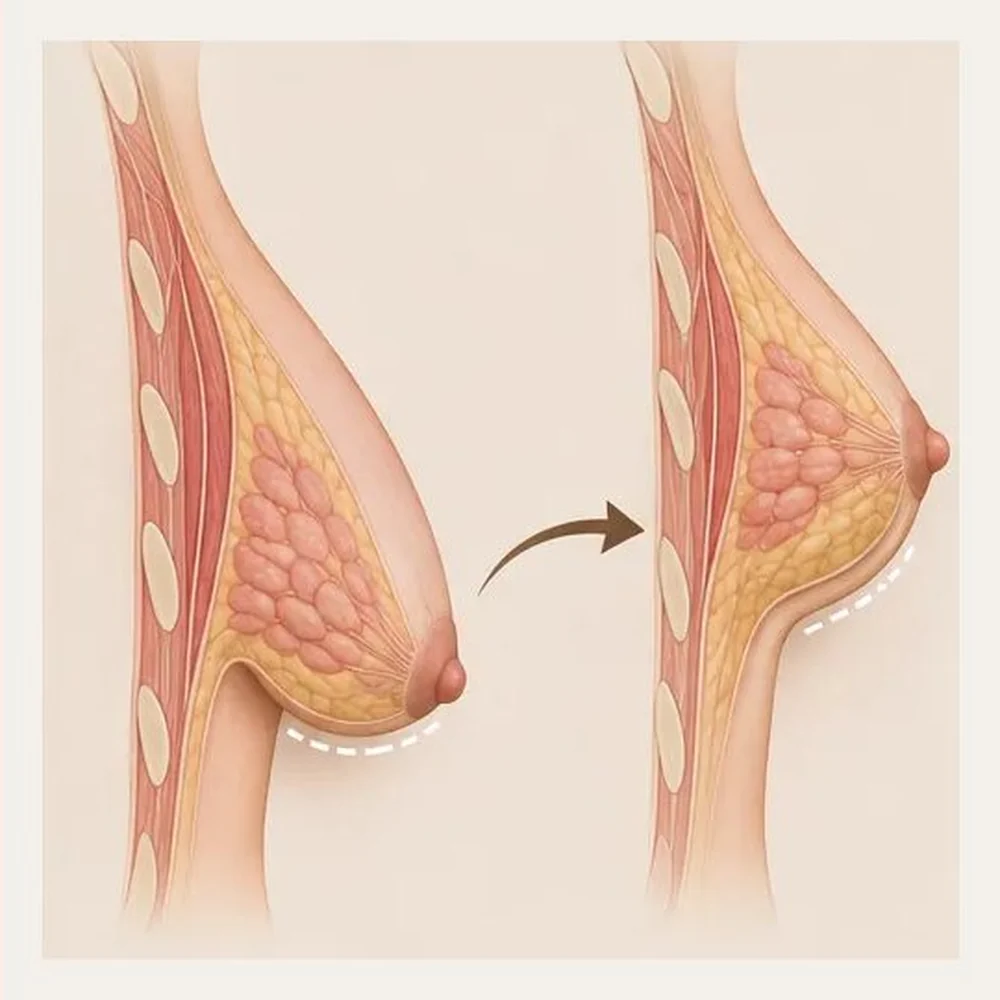
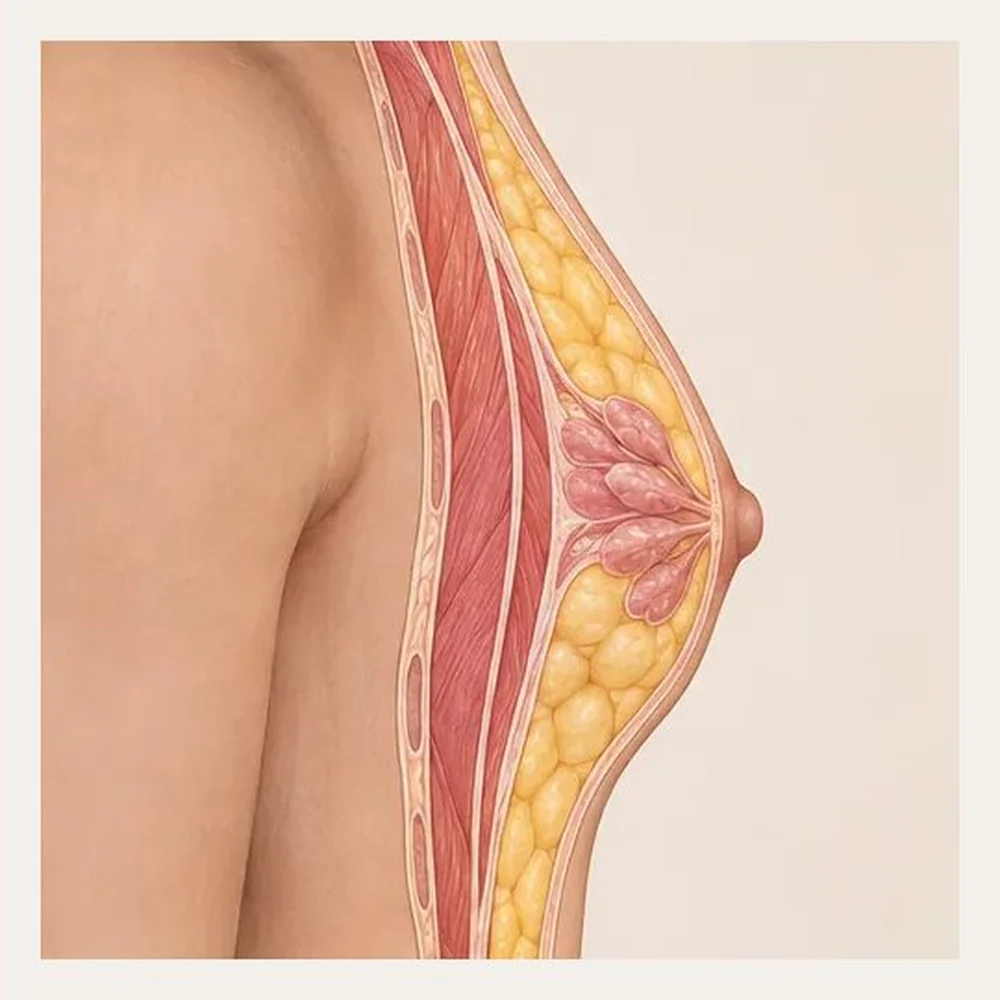
For breasts that sag after childbirth and breastfeeding, should volume be restored or the position lifted? We explain how sagging and volume are assessed separately, along with surgical timing.
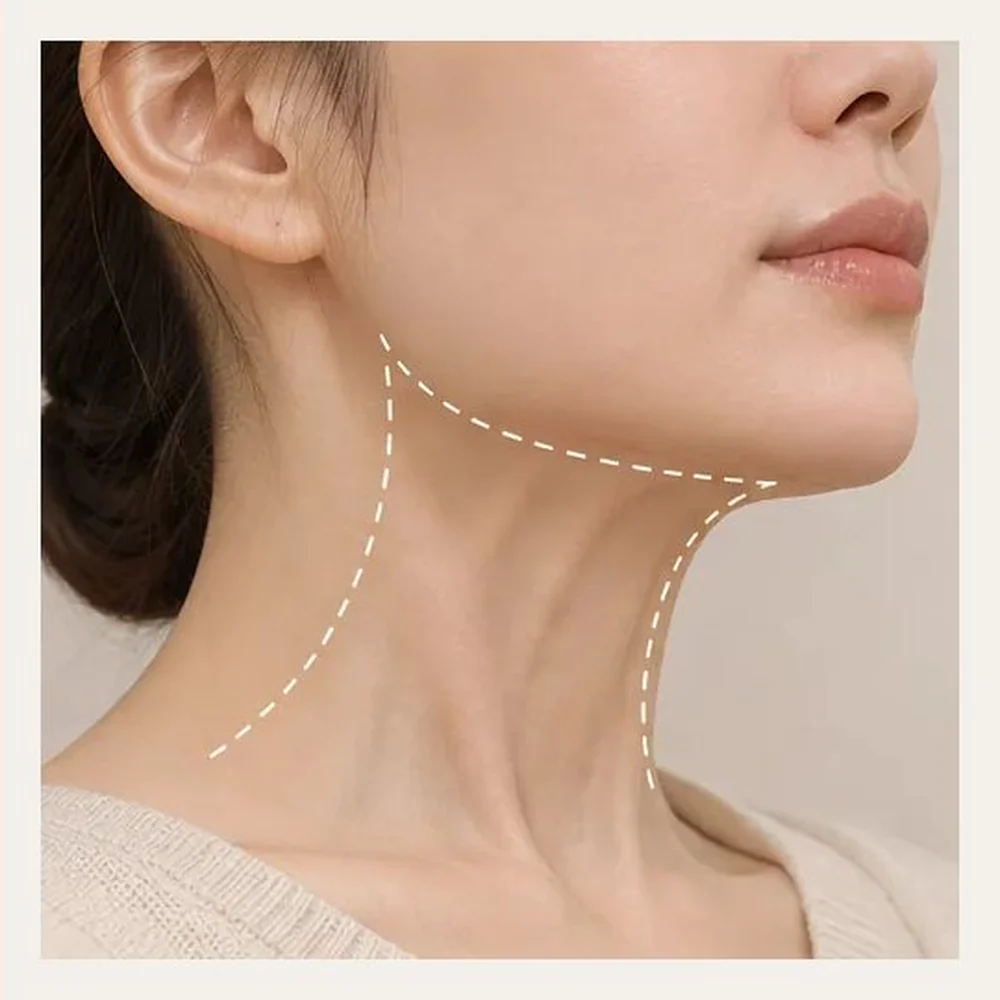
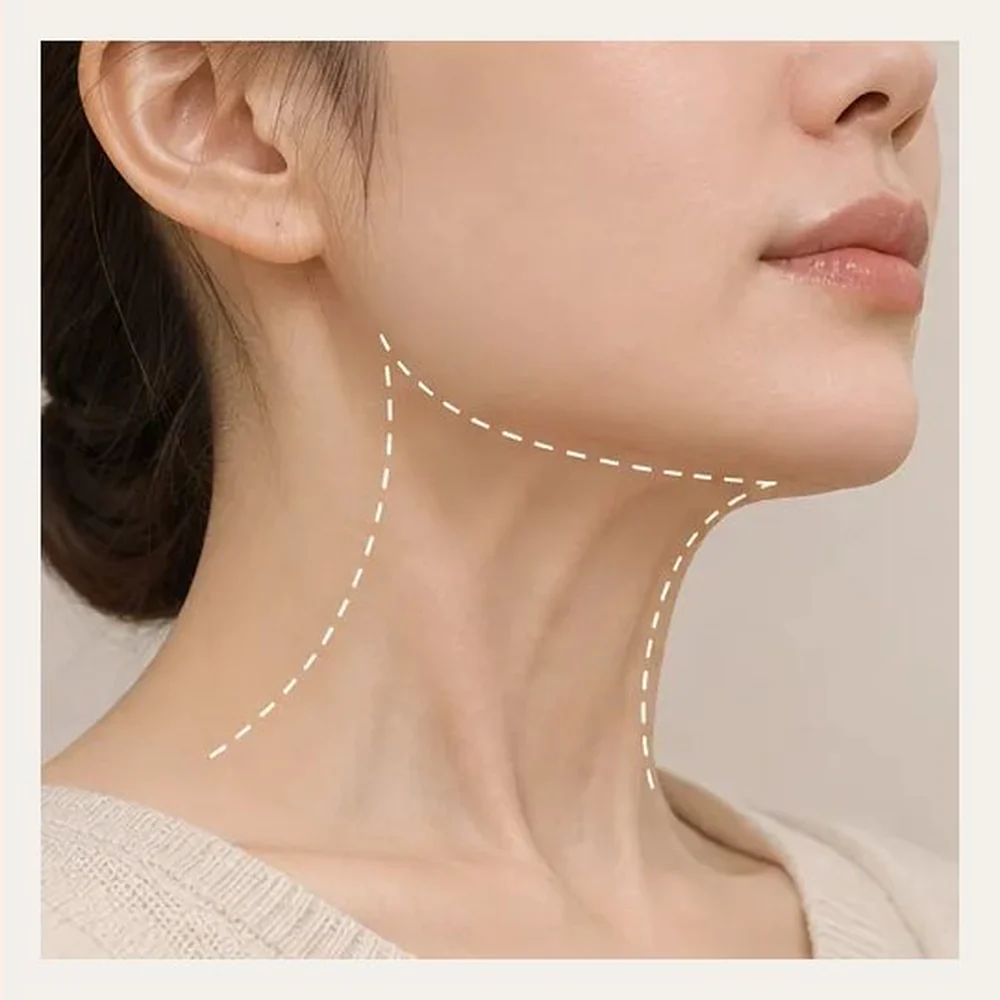
Vertical neck bands are usually the edges of the muscles at the front of the neck. Their cause differs from horizontal neck lines, so injections and surgery address them differently.
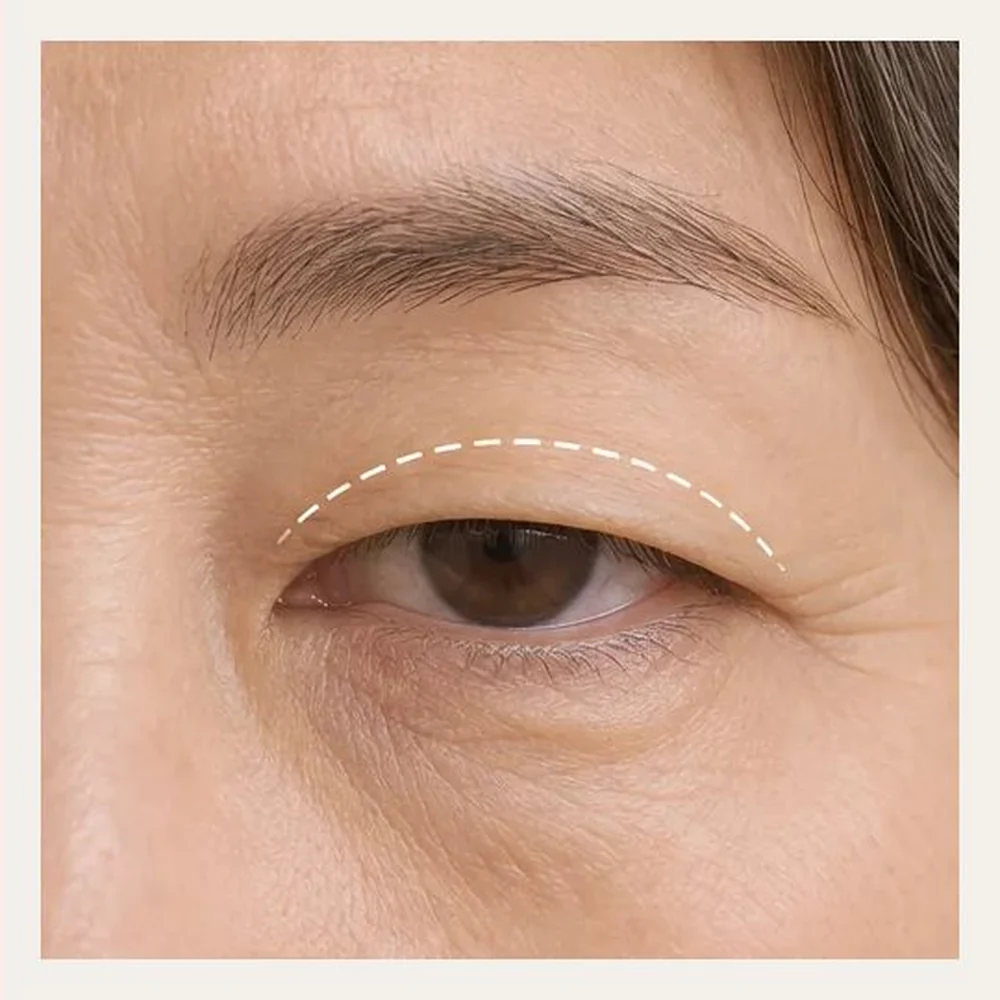
Drooping eyelids in your 50s often involve a combination of skin, brow position, eyelid opening strength, and hollowness. We explain what needs to be assessed separately before simply removing skin.
Long, elongated nipples and wide nipples require different reduction methods. We explain why sensation, breastfeeding, scarring, and surgical timing are considered together.
Removing a silicone implant does not return the nose to its original state; the capsule and scar tissue remain. We explain why the reconstruction plan needs to be determined before removal.
Scars from a subbrow lift do not disappear, but the incisions are planned along the lower border of the eyebrows. We explain how scars change over time, how to care for them, and when this approach is unsuitable.
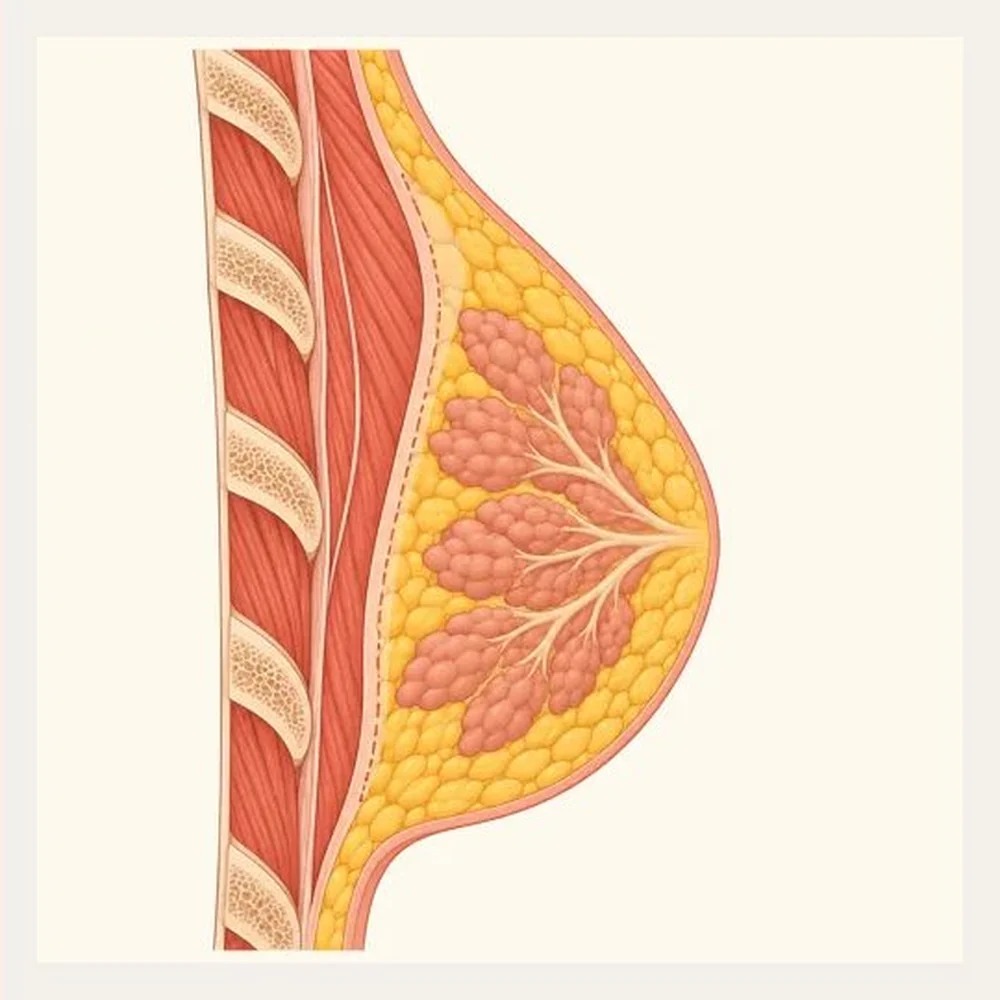
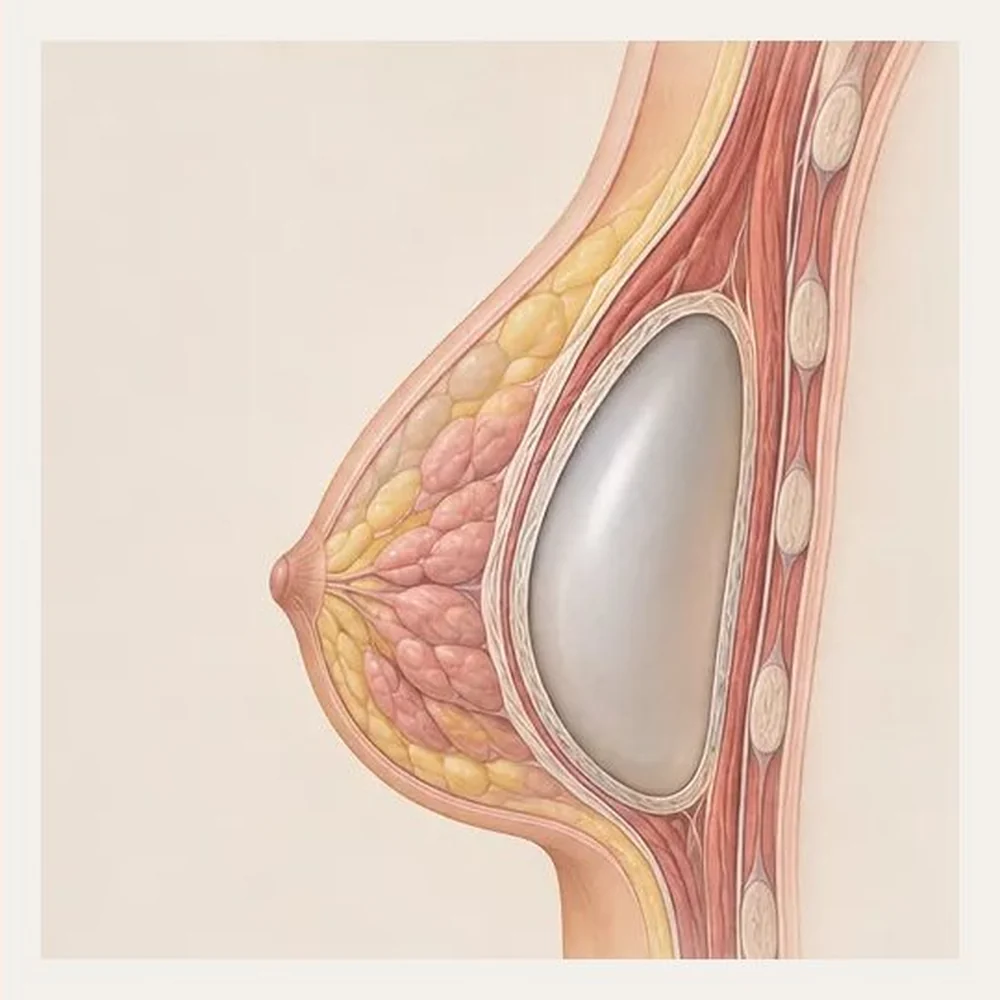
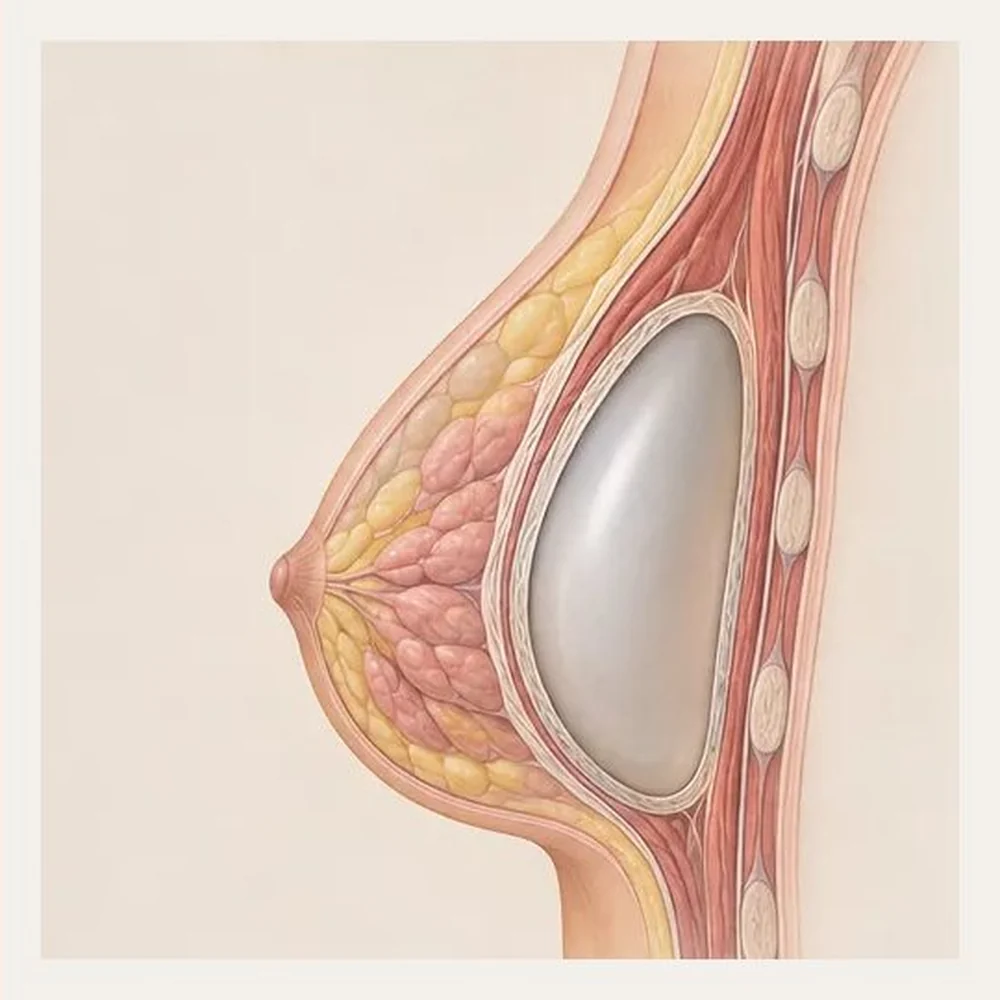
Would you know right away if a breast implant ruptured? We explain ruptures that occur without symptoms, why imaging is used to confirm them, and the options after confirmation.
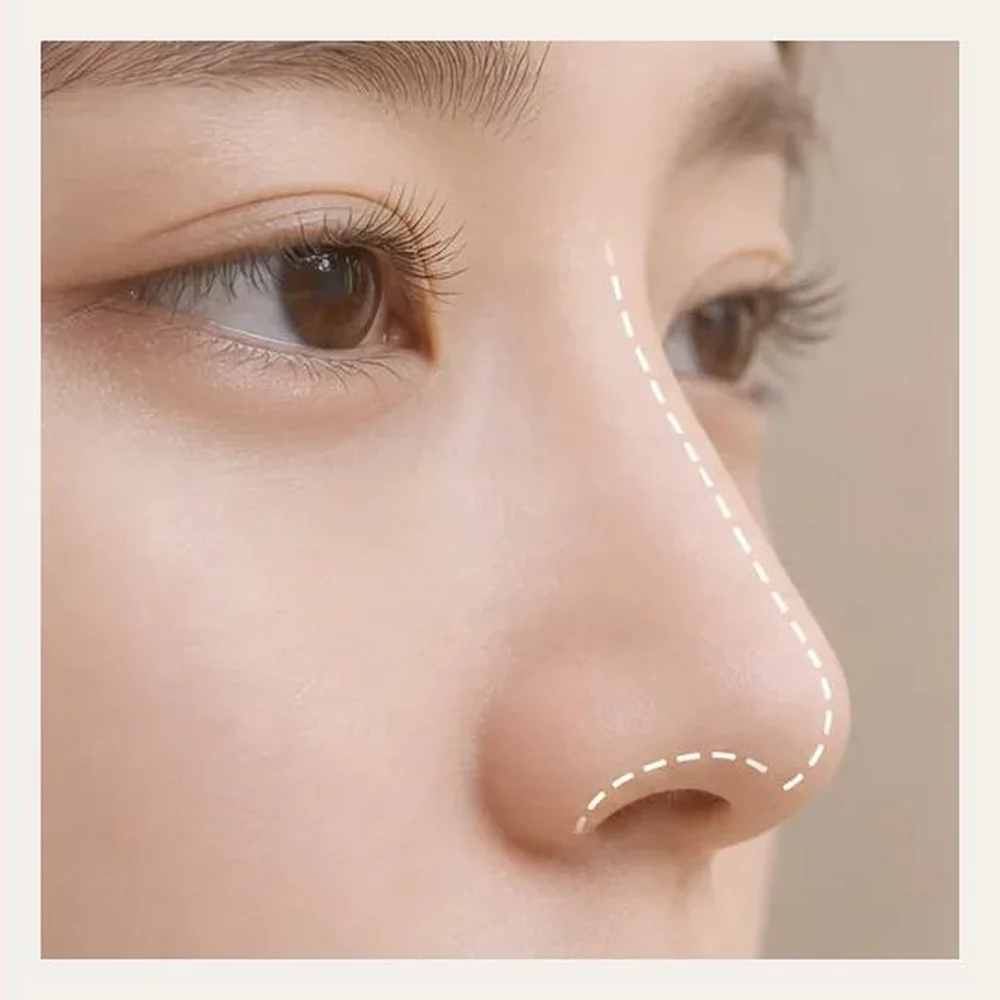
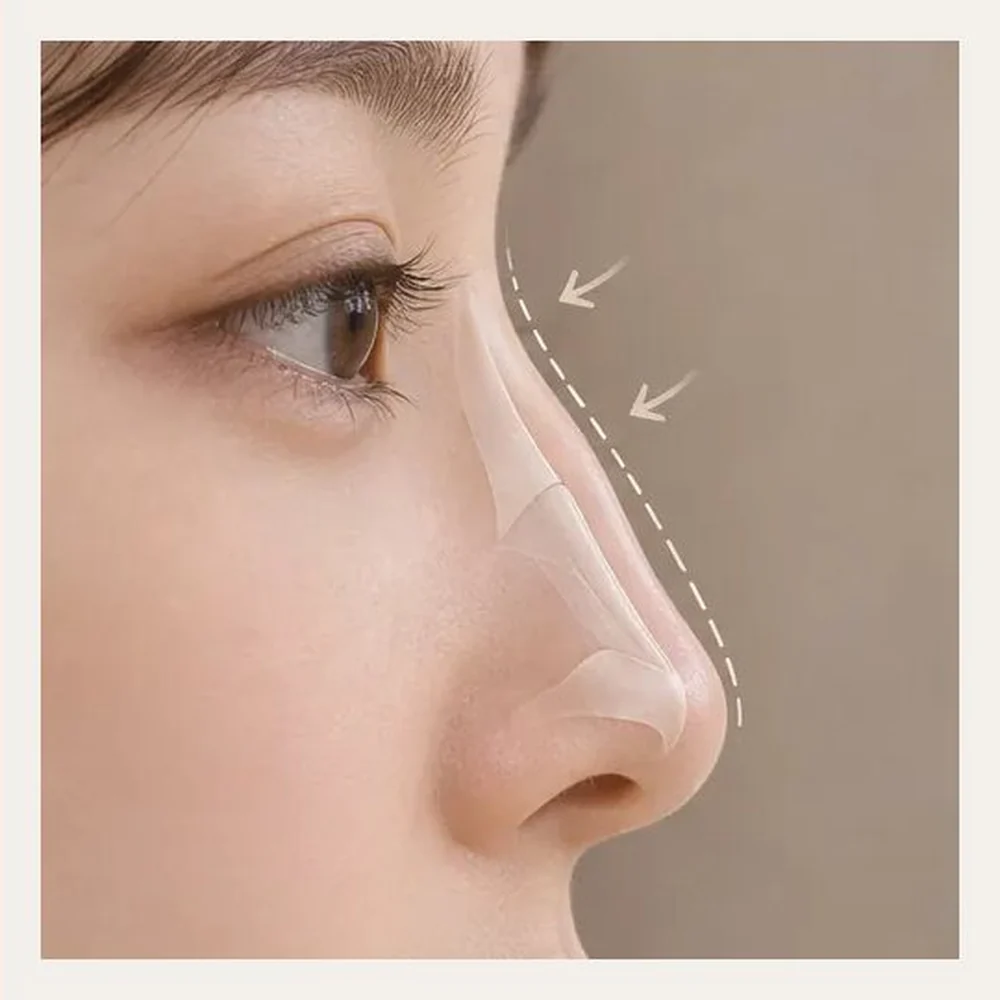
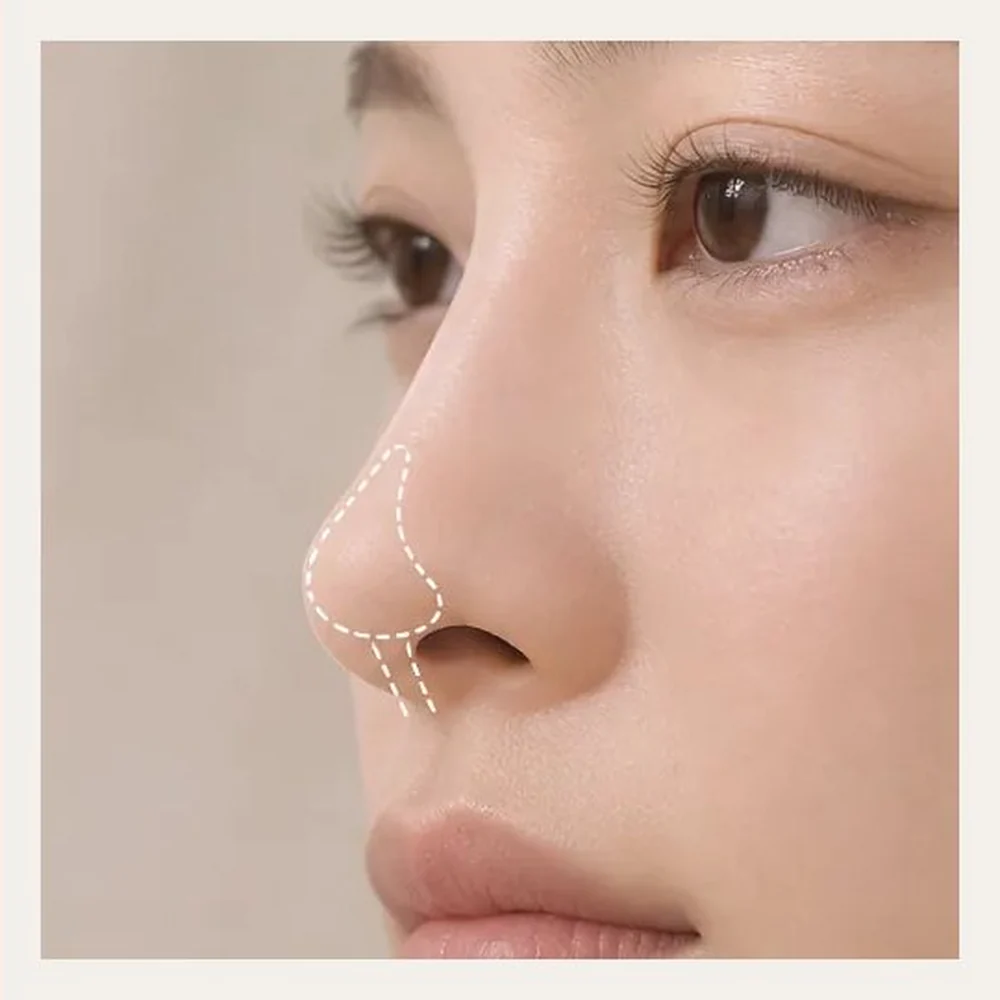
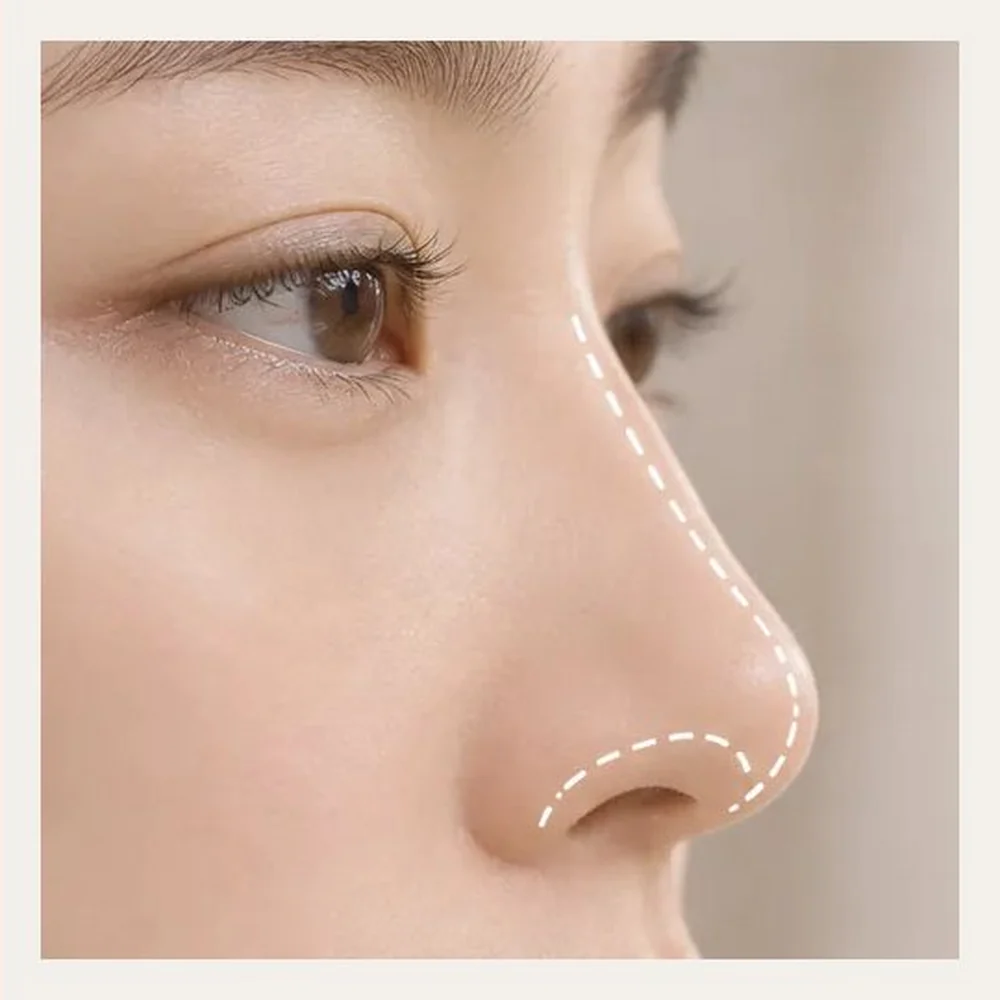
What happens after removing a dorsal hump matters more than shaving it down. We explain why a widening nasal bridge, a drooping tip, and potentially narrowed nasal airways need to be considered together.
If the under-eye area becomes uneven or bulges again after fat repositioning, we explain why adhesions, the orbital septum, and cheek position need to be assessed separately before moving the fat again.
An enlarged male chest may be caused by glandular tissue, fat, or both. We explain when liposuction alone may be enough, when glandular tissue removal is needed, and when identifying the cause should come before surgery.
Facelift scars remain at the temples, around the ears, and along the rear hairline. We explain why tension on the wound and healing time affect scarring more than location.
Drawing on research, we explain whether eyelid opening strength can be improved while preserving monolids, what needs to be measured first, and why even a low crease is necessary.
Will your breasts return to their original state after implant removal? We explain how decisions are made about the extent of capsule removal, sagging and volume after removal, and whether to perform procedures together or in stages.
Sagging buccal fat is often a problem of position rather than the amount of fat. We explain why it is necessary to identify which tissues have descended before removing fat.
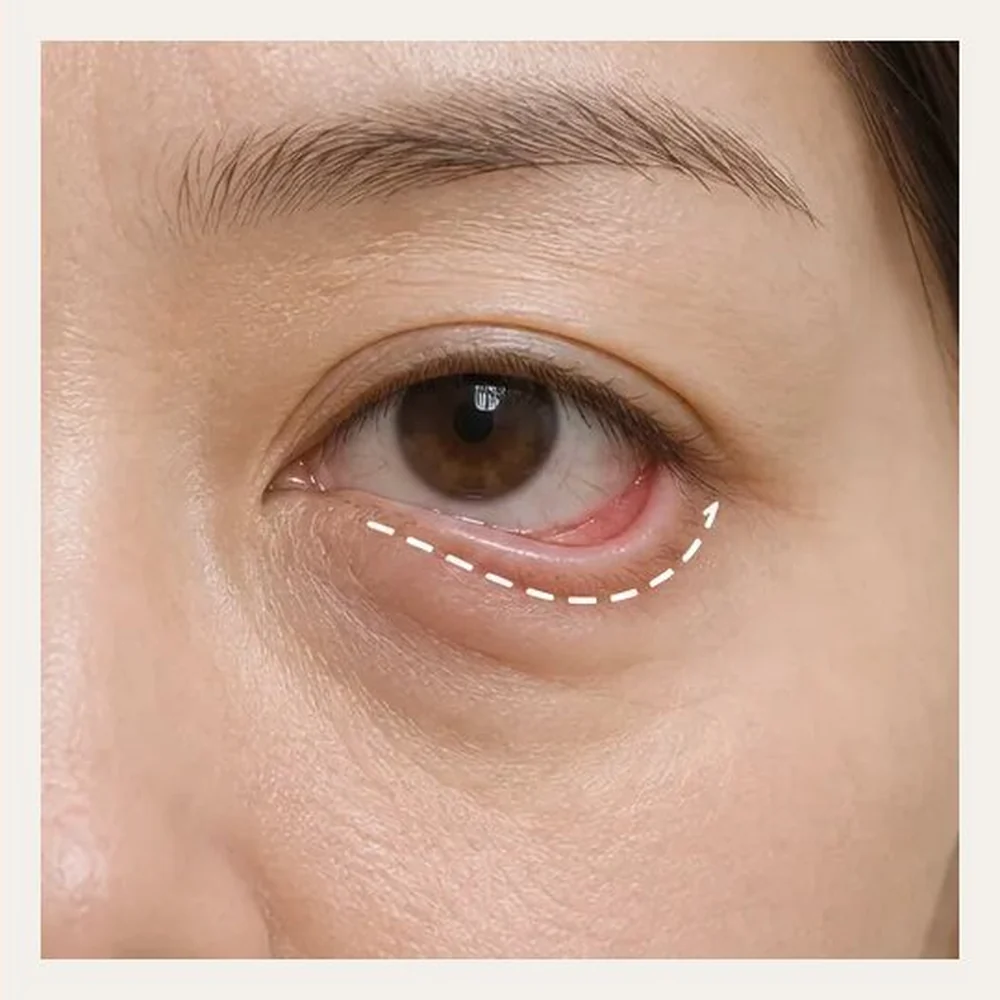
Scarring after lower eyelid surgery depends on whether and where an incision is made, as well as lower eyelid support. We explain when an external skin incision scar is left, when it is not, and how care changes over time.
What causes fullness under the chin: fat, separated platysma muscles, loose skin, or salivary glands? We explain when double chin liposuction is appropriate and when other approaches need to be considered.
Re2O and Rejuran differ in what they are made from and what they are intended to address, rather than simply which is better. We explain their different categories and the criteria for choosing between them.
Will fat accumulate in the abdomen or arms after thigh liposuction? We explain what research does and does not show, and what to consider before and after surgery to maintain results.
Nasolabial folds are boundaries formed by cheek tissue that has descended from above, rather than just lines themselves. We explain what surgery lifts and how much change may be possible.
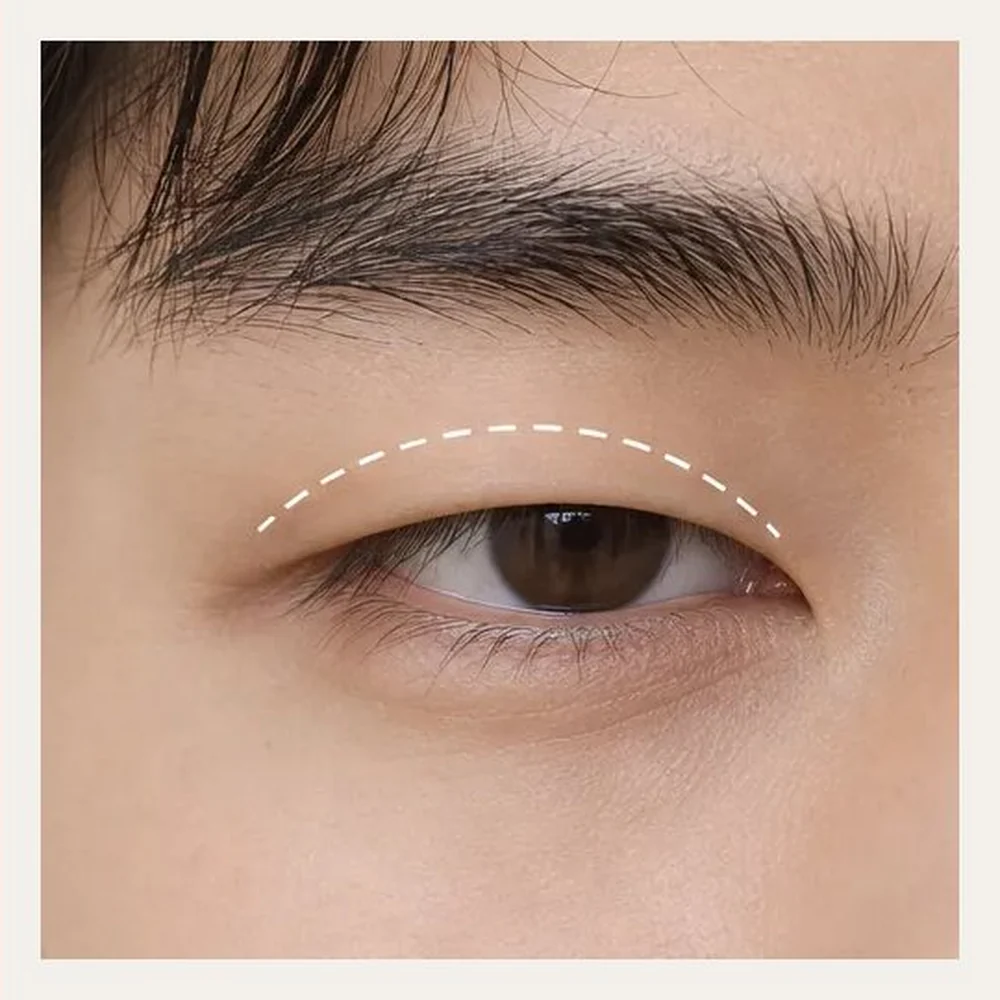
Eyelid surgery in middle age focuses on hooding more than the crease. Following the consultation process, we explain monolid and low, partially hidden crease options to reduce visible signs of surgery, thick eyelids, and planning a return to work.
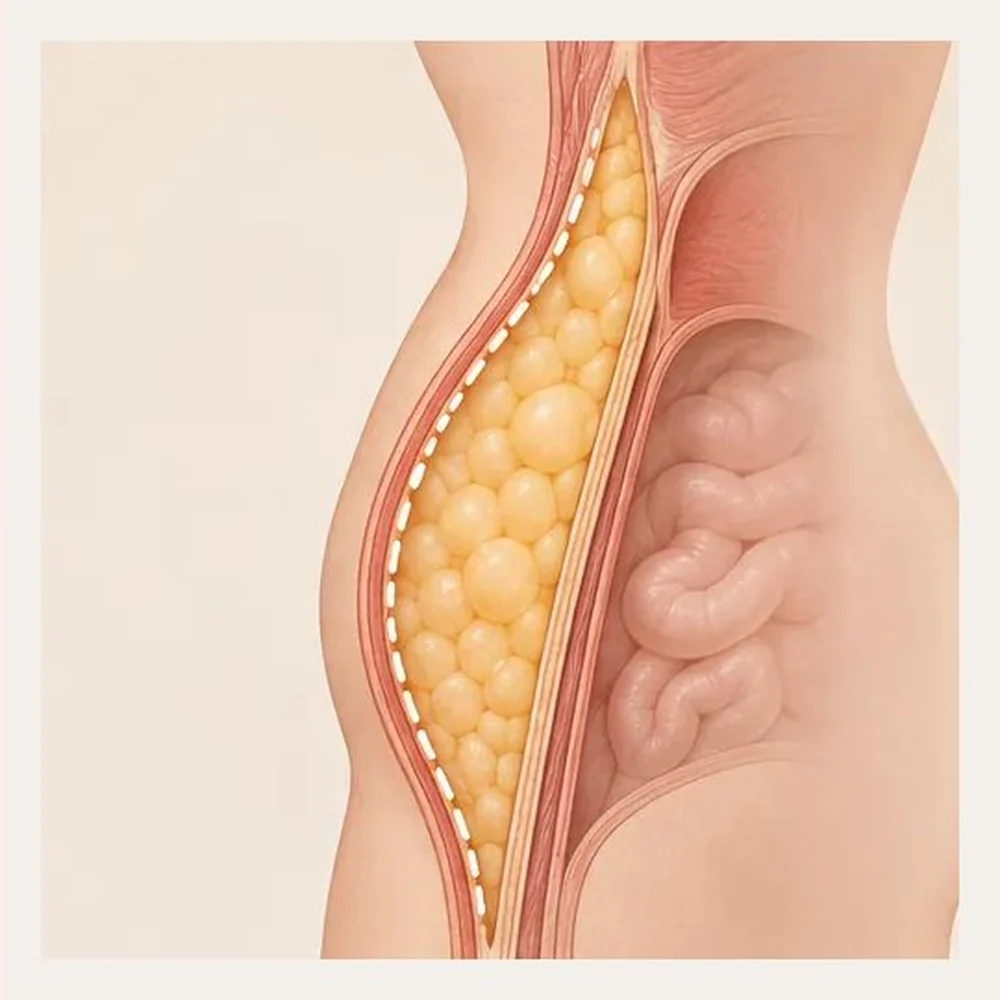
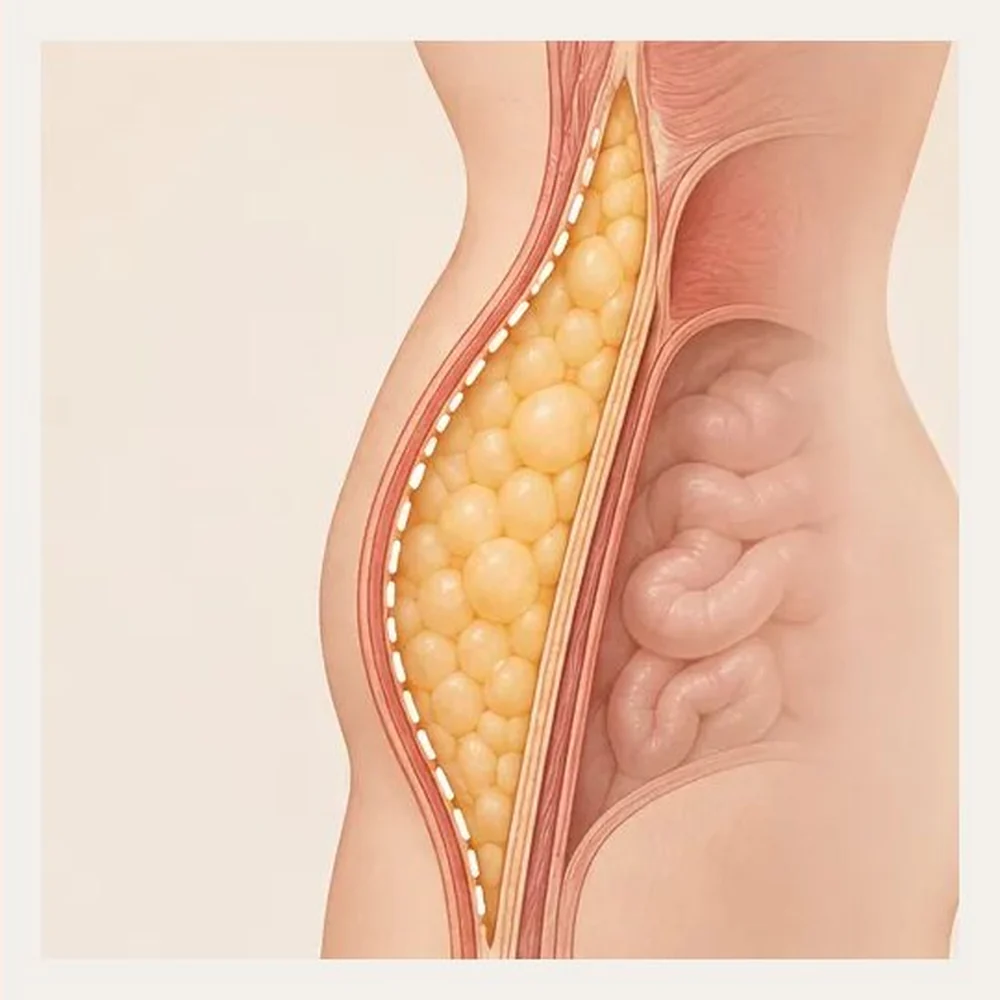
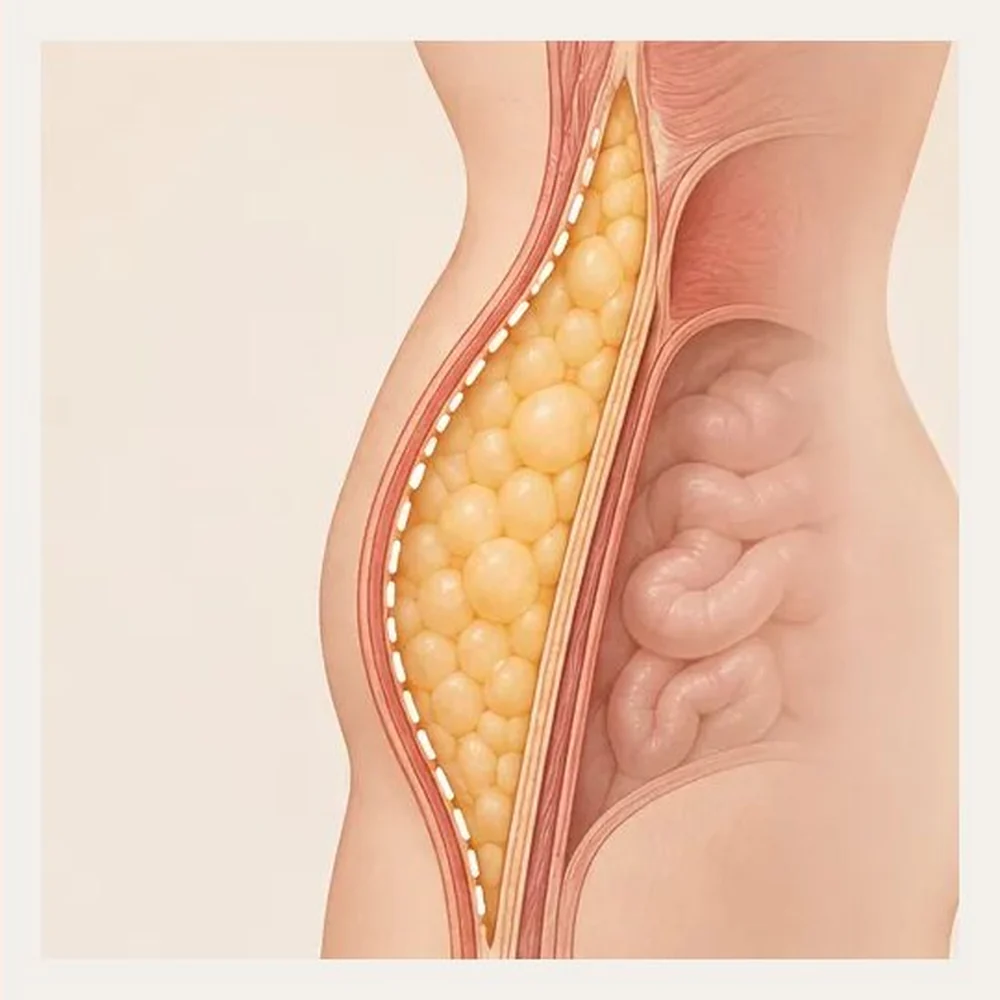
What causes a protruding abdomen: subcutaneous fat, visceral fat, stretched skin, or separated abdominal muscles? We explain when abdominal liposuction is appropriate and when other approaches should come first.
The same principles apply to male rhinoplasty. Bridge height is limited by facial structure, and tip work starts with its support. We explain what is assessed first to avoid an unnatural appearance.
Is removing upper arm fat enough to make the arms slimmer? We explain the proportions of fat and skin, why the full arm circumference is assessed, the possibility of sagging after liposuction, and recovery.
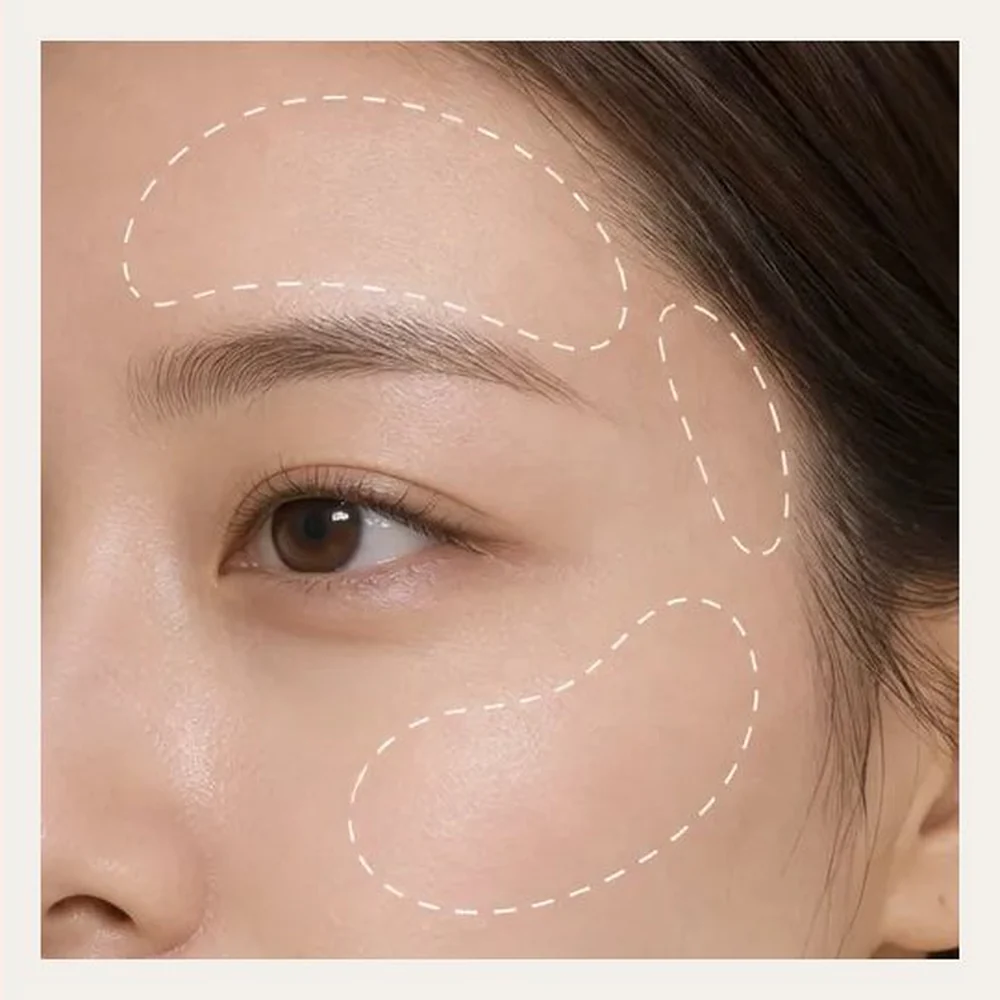
Some of the fat transferred to the face is absorbed, and the amount that remains varies by person and treatment area. We distinguish between hollowness suited to fat grafting and hollowness that needs another treatment first.
VITAL’s mini facelift differs in that the front incision does not extend into the scalp, while the incision behind the ear and the operating time are similar to those of a facelift. We outline suitable cases and other options using the surgeon’s answers and research papers.
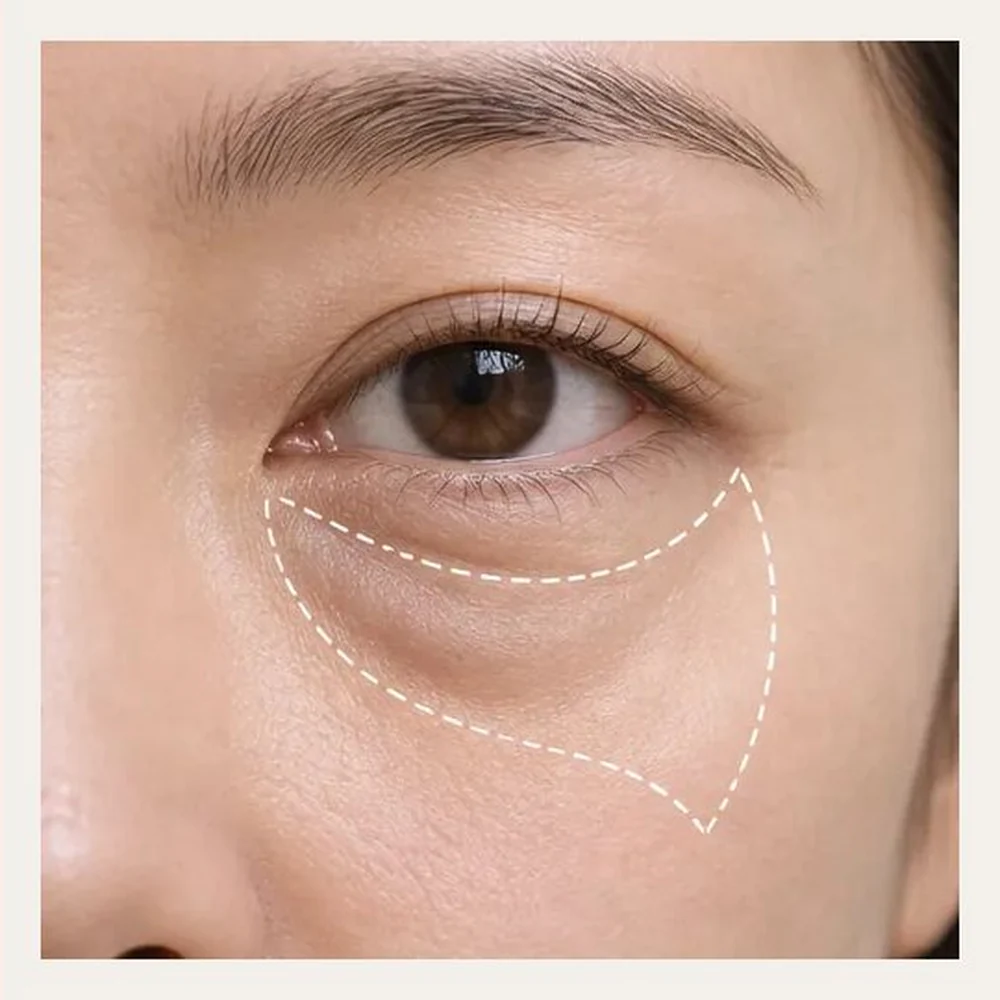
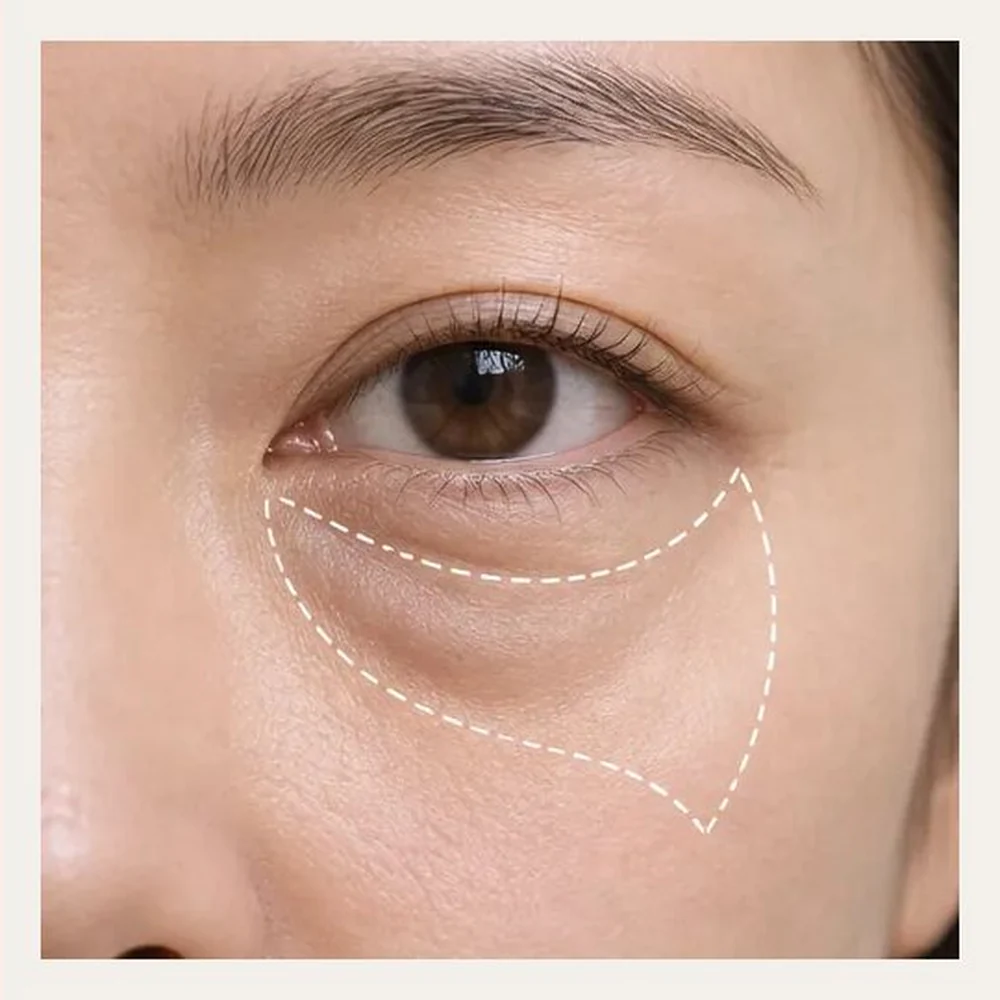
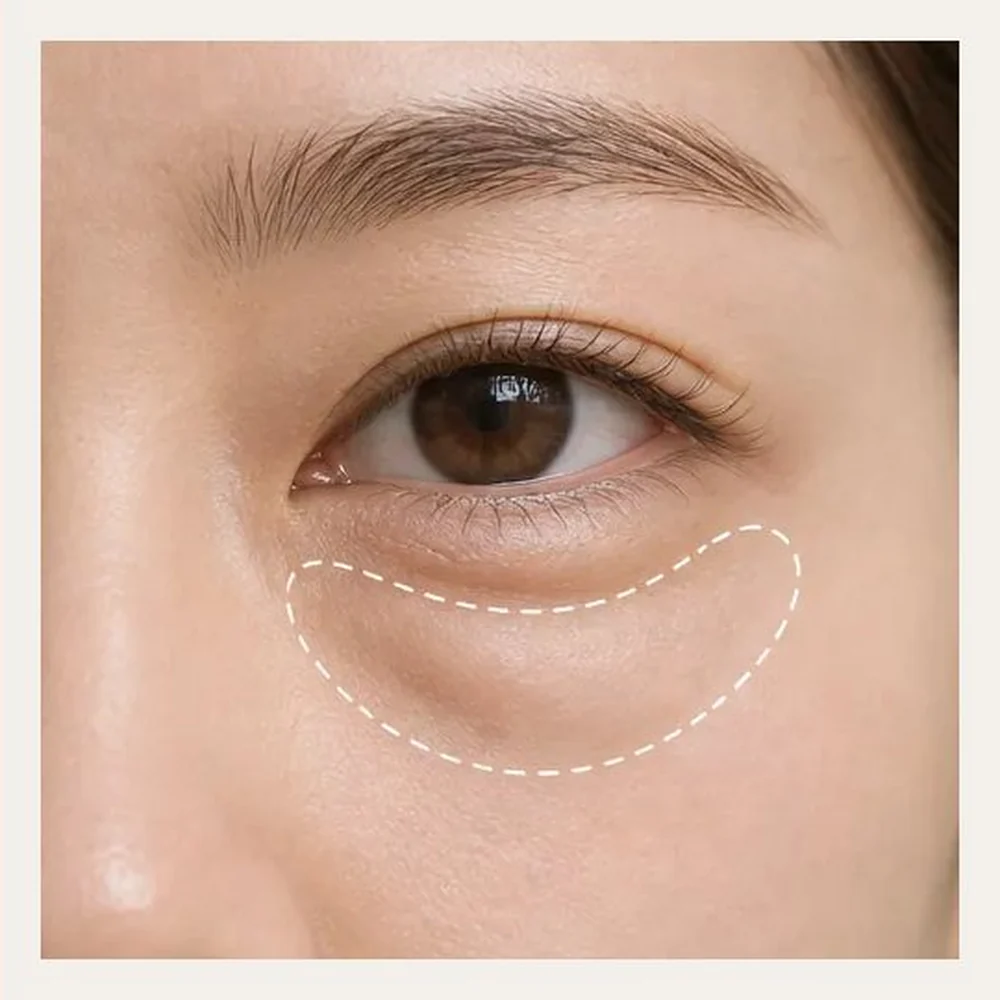
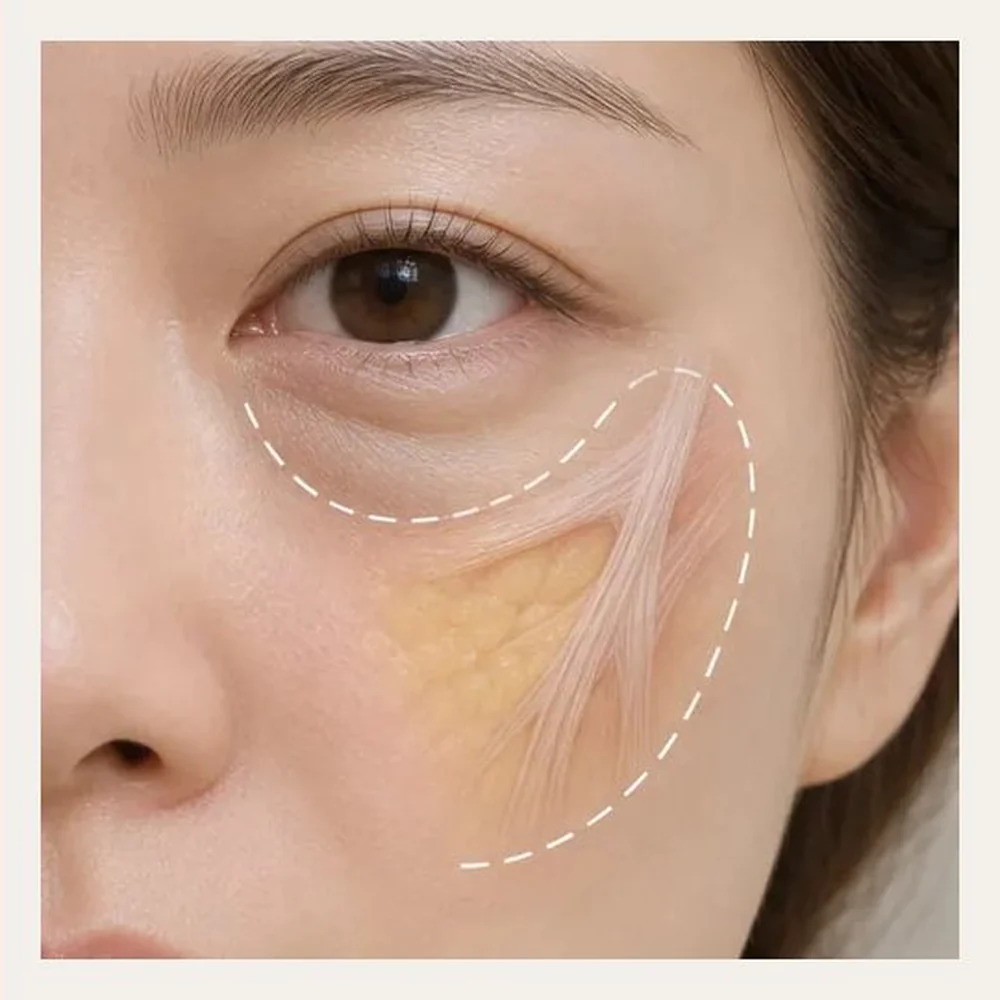
Under-eye bags are not simply a matter of fat volume. Drawing on research papers, we explain why the membrane supporting the fat, the under-eye groove, excess skin, and lower eyelid support need to be assessed together.
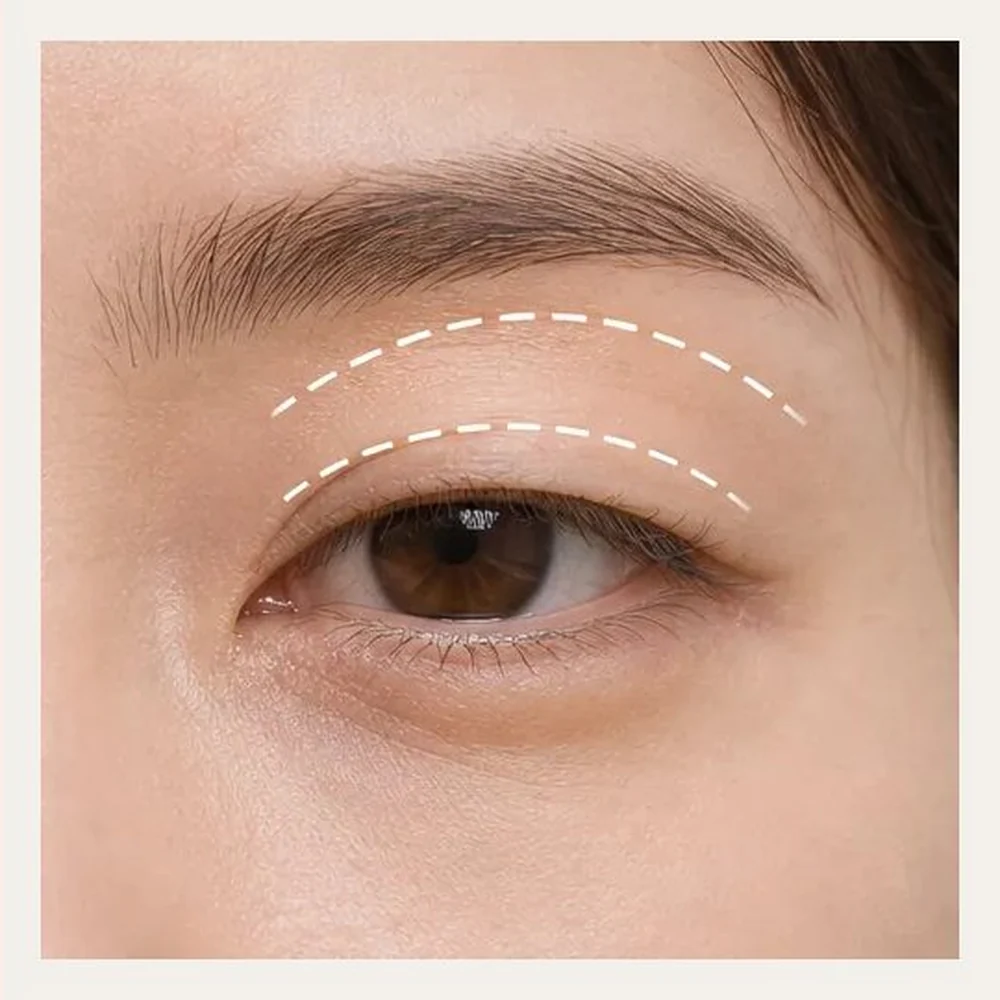
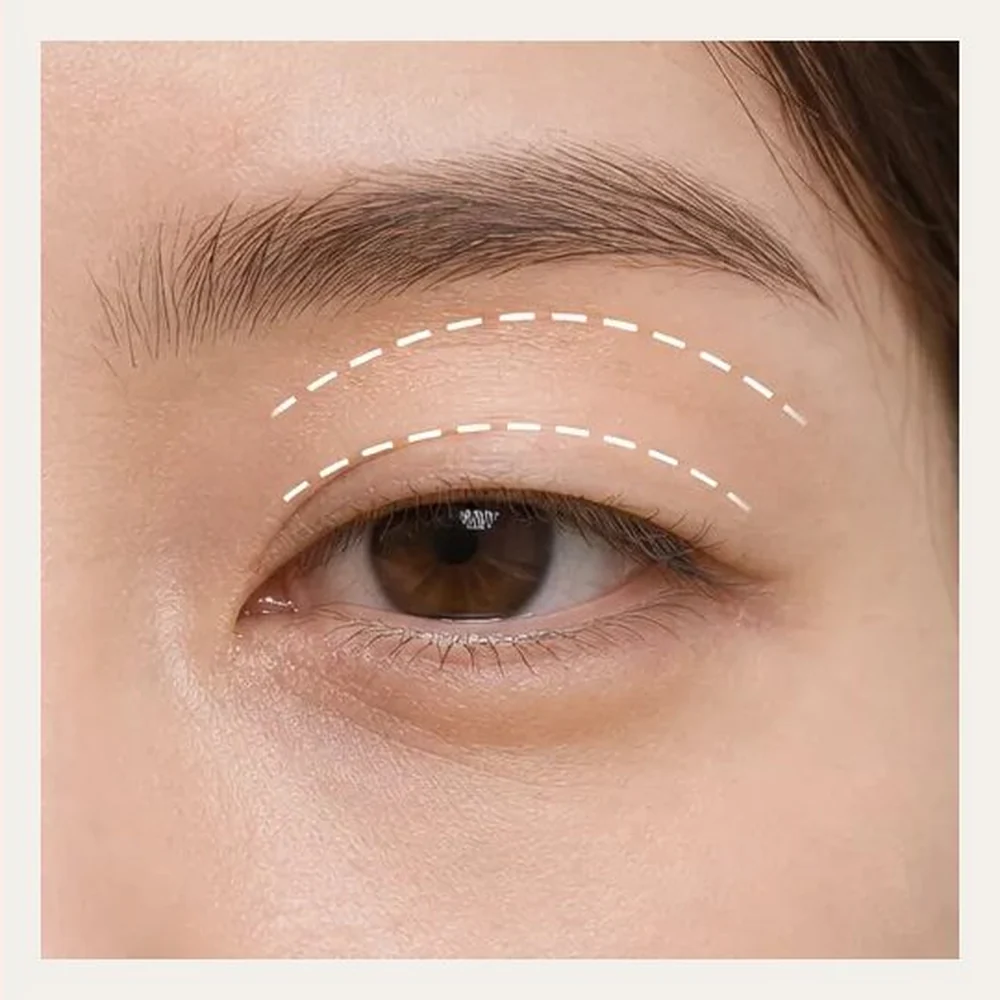
Hollow-looking upper eyelids do not always indicate a lack of volume. We explain why eyelid opening strength, brow position, and signs of previous surgery need to be assessed first, along with the differences between fat grafting, fillers, and ptosis correction.
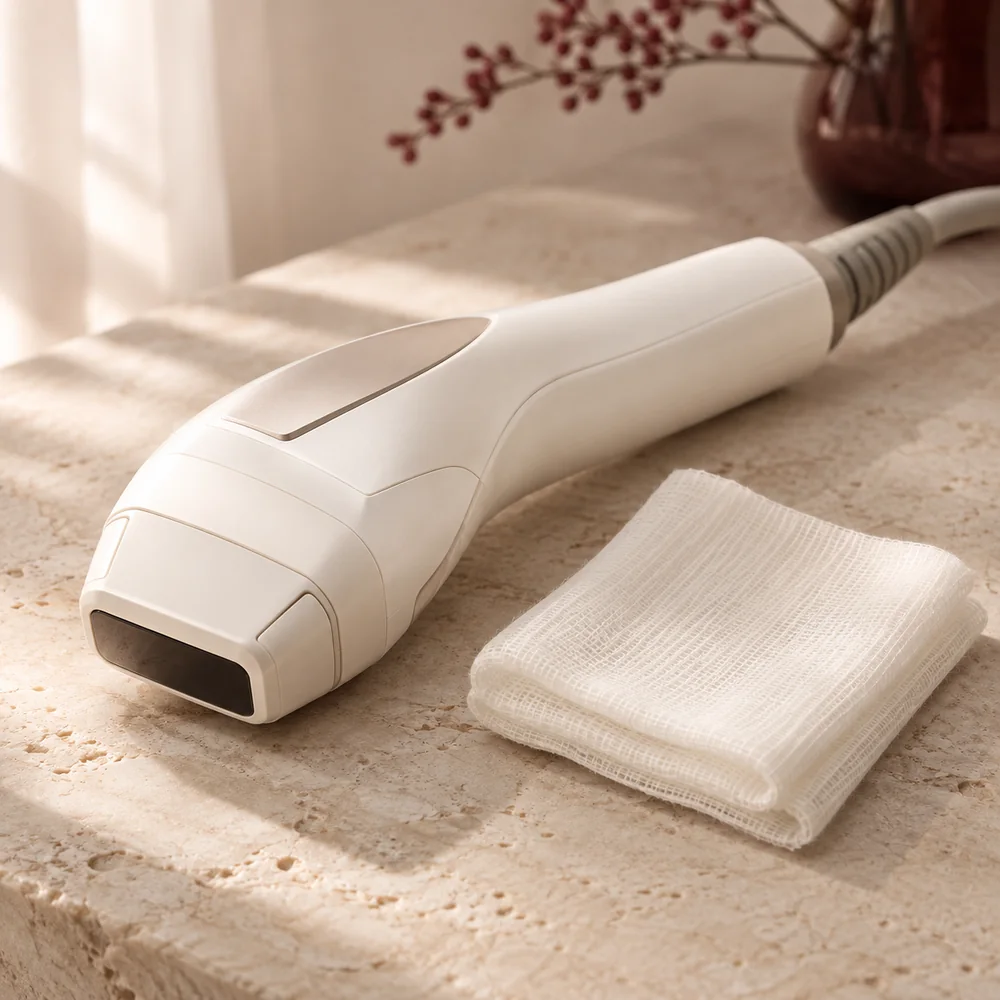
We outline what to consider before shot counts when choosing among Ultherapy PRIME, Thermage FLX, ONDA, XERF, and InMode. We explain the causes of sagging, the tissue layers each device reaches, and the limitations of the research.
Drawing on research, we explain when tissue becomes firm, which symptoms should not wait, and how previous surgical records and remaining tissue help determine the timing of revision surgery.
We outline the limitations, risks, and recovery requirements to ask about alongside your desired changes. We explain how to compare your options, including choosing not to have surgery.
This means tracking how scars and tissues settle over time, rather than focusing on the day swelling subsides. We outline what to assess from 1 week to 1 year.
Sometimes, evaluating the under-eye area alone is not enough. We explain why the under-eye area and cheeks (midface) are assessed together, and when a midface lift may also be considered.
We determine the extent of correction by assessing excess neck skin, the platysma muscle, fat under the chin, and skeletal structure separately, while preserving the submandibular glands whenever possible.
With proper disinfection, the season makes little difference.
Q & A · MEDICAL COLUMN
Start with your questions, and build your understanding step by step.
Before focusing on procedure names, explore which features of your face need to be assessed. Any questions that remain as you read can be saved to help you prepare for your consultation.
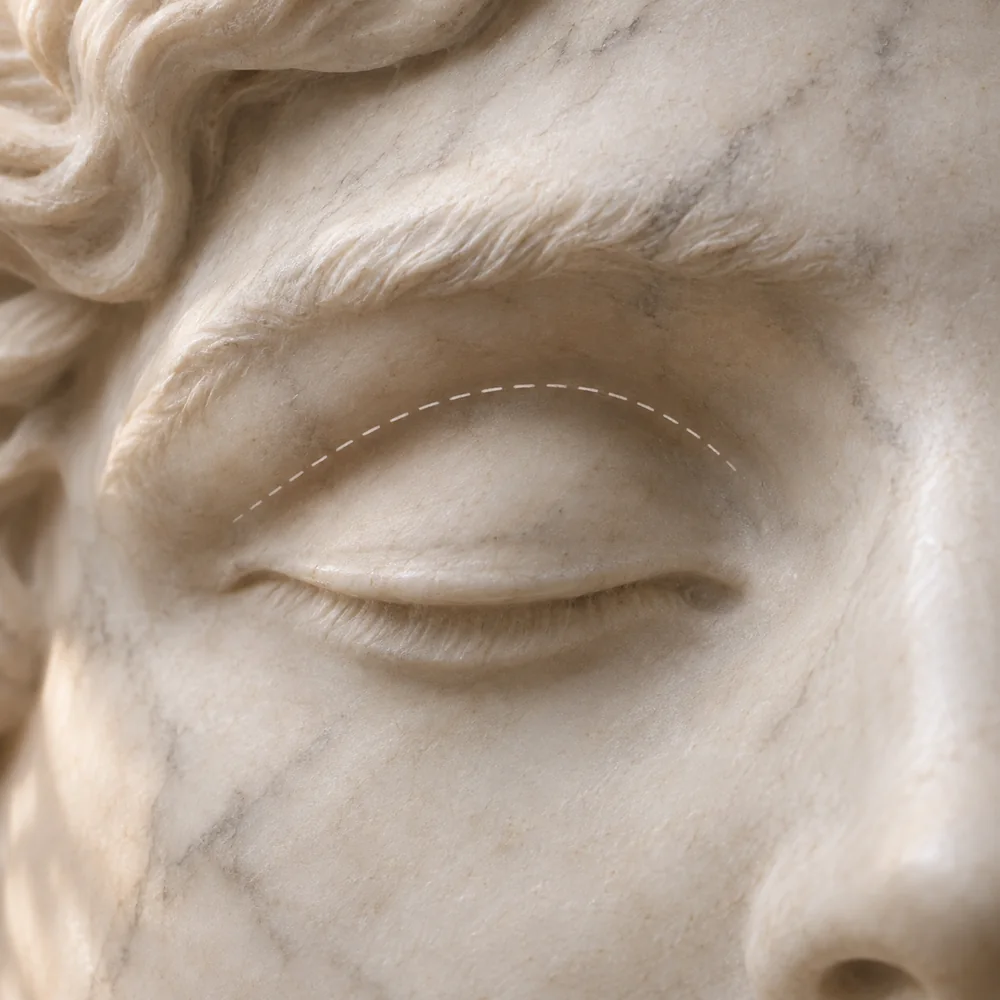
Staged image illustrating the care process · Not an actual patient photo
SELECTED QUESTION 01 / 03
Q
Hollow Eyes: What Do We Assess Before Adding Volume?
A
We first assess the reasons for apparent volume loss, eyelid-opening function, and eyebrow position separately.