PLASTIC SURGERY
MEDICAL COLUMN
Questions Answered Directly by the Doctor Before You Decide on Surgery
Breasts
Articles
Breast Implant Removal: Is Removal All You Need?
Breast implant removal may require no further surgery, but stretched skin and reduced tissue can leave the breasts looking flat or saggy afterward.
Medically reviewed by Dr. Hyungwoo Yim, Medical Director and board-certified plastic surgeon · Published November 5, 2026 · Last reviewed November 11, 2026
SHORT ANSWER
First, the Short Answer
- Breast implant removal may require no further surgery, but stretched skin and reduced tissue can leave the breasts looking flat or saggy afterward.
- That is why we assess not only the implants and capsules—the tissue layers the body forms around implants—but also the tissue and skin that will remain after removal. If sagging remains, we consider a breast lift. If volume is insufficient, we consider implant replacement or fat transfer.
- At VITAL Plastic Surgery, we assess the implant type, whether there is a rupture, the thickness and firmness of the capsule, nipple position, and excess skin before deciding how much to remove and whether to perform the procedures together or in stages.
“Will my breasts sag after my implants are removed?”
This is a paraphrase of a question we often hear during consultations.
To answer this question, we first need to distinguish where your current concern comes from. We will explain each point below, then return to the original question at the end.
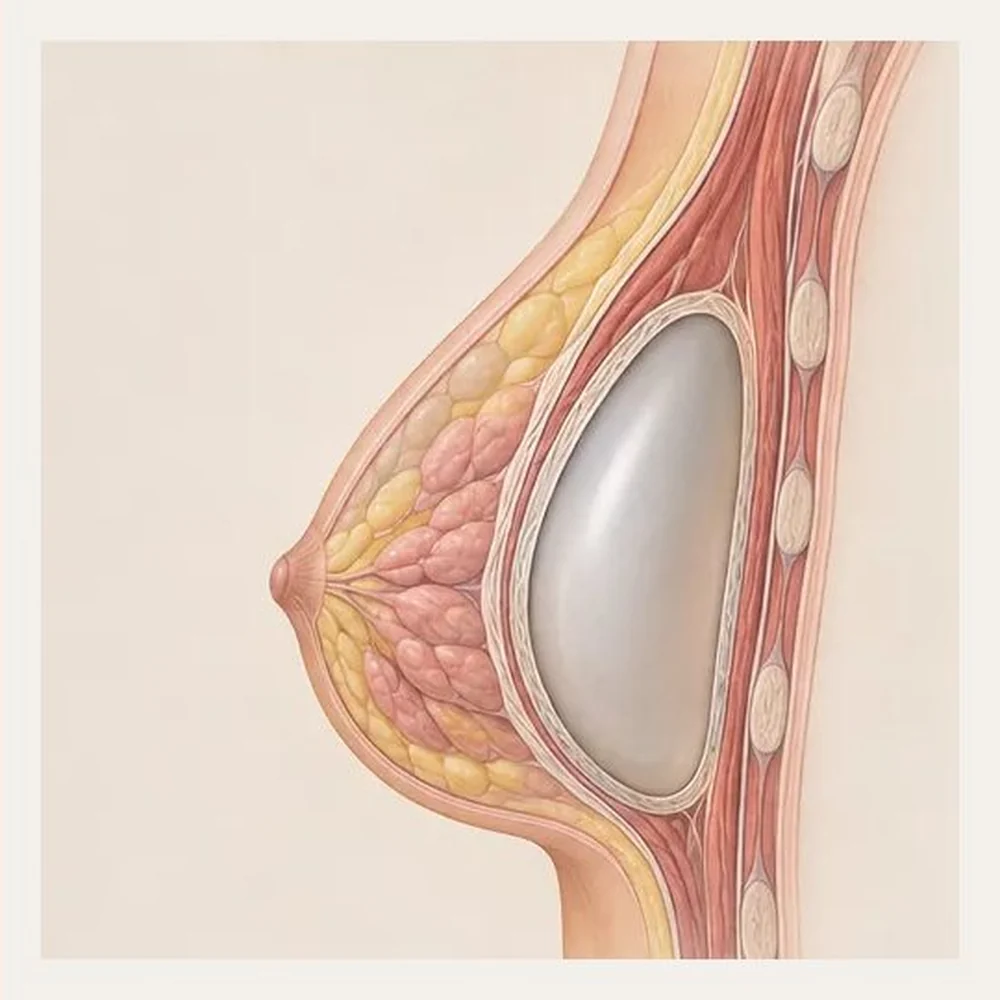
01When is breast implant removal considered?
Answer Removal or replacement may be considered because of capsular contracture, rupture, changes in shape, or the burden of living with implants.
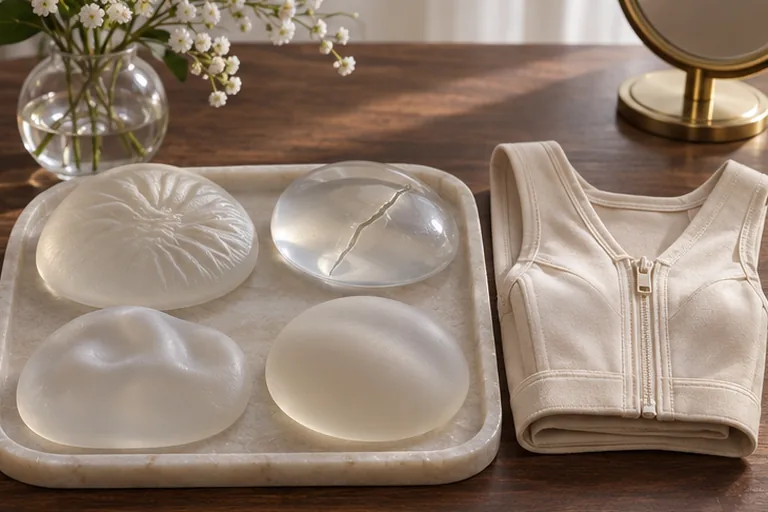
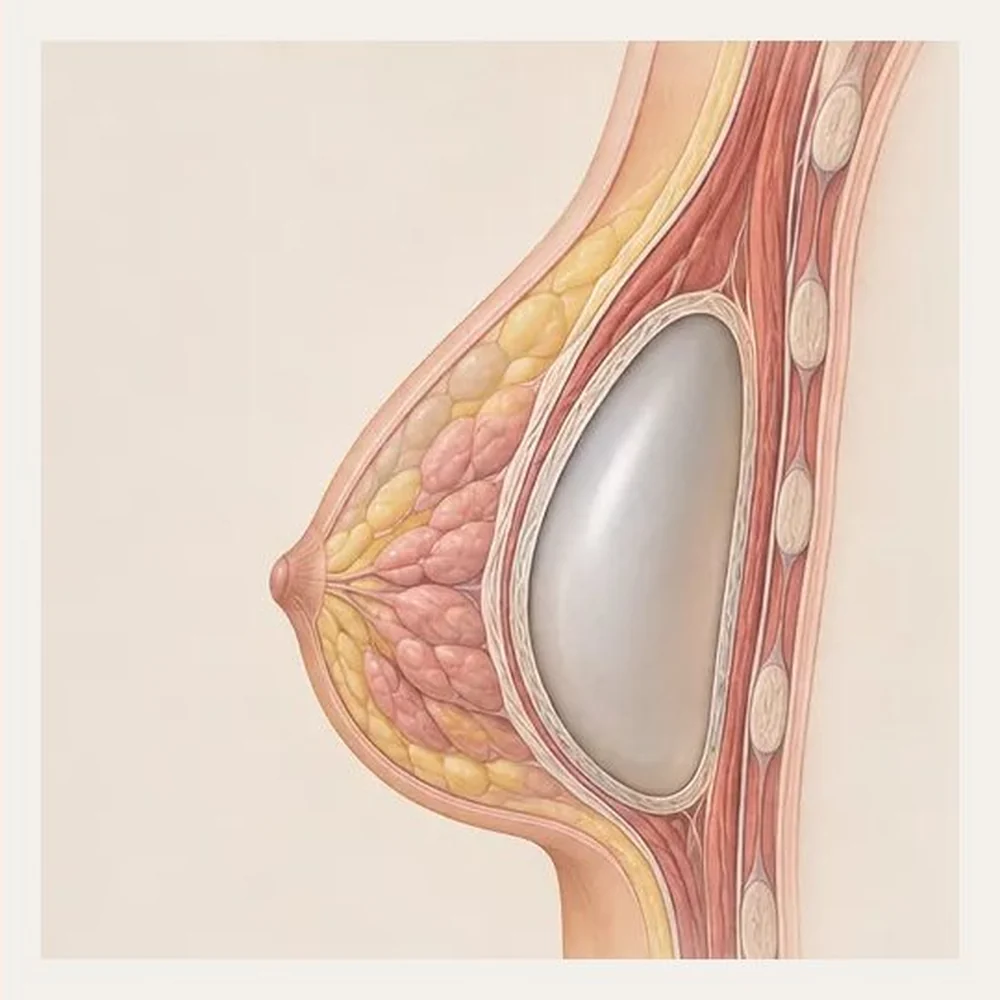
Breast implant removal or revision surgery removes existing implants or replaces them with different ones. Reasons vary from person to person. They include capsular contracture, in which the capsule tightens and makes the breast firm or changes its shape; implant rupture; changes in shape over time; and finding that continuing to live with implants has become a burden.
People seek consultations for several reasons. Common concerns include breasts becoming firm or changing shape, worries about implant complications or rupture, and wanting removal but worrying about how the breasts will look afterward. Others come because their breasts sit at different heights after a previous surgery or because they developed discomfort after having filler or another material injected into the breasts.
Patients seeking breast revision surgery account for about 30% of all patients at VITAL Plastic Surgery. We first identify the cause of the problem rather than choosing the same revision procedure based on appearance alone. Even when breasts feel similarly firm, the extent of removal and the reconstruction method differ depending on whether the cause is capsular contracture, rupture, or a problem with injected material.
The evaluation has four steps. First, we review when the firmness and changes in shape began, the implant type, and previous records. Next, we assess the capsule surrounding the implant and the nearby tissue. Because rupture is difficult to confirm by touch alone, we consider imaging such as ultrasound when needed. Based on those findings, we determine the extent of removal. Finally, we compare and explain the options for replacement, removal, and reconstruction.
- When your breasts become firm or change shape
- When you are concerned about implant complications or rupture
- When you want your implants removed but are concerned about the resulting shape
- When you experience discomfort after having fillers or other foreign materials injected into your breasts
- When the position of your breasts differs after previous surgery
In Simple Terms Think of a cushion cover after the filling has been removed following years of use. Once the filling is out, the cover stays loose to the extent that it has stretched. To anticipate its shape afterward, we need to assess whether the cover can shrink back (skin elasticity), how much stuffing remains inside (remaining breast tissue and fat), and whether to leave or remove the inner lining (the capsule). These three factors guide whether to take in the cover (a breast lift), add filling (fat transfer or revision surgery), or leave it as it is. The focus of the plan is how to manage the cover after the filling is removed.
Does that mean the entire capsule always needs to be removed?
02Does the entire capsule always need to be removed?
Answer Not all capsules are treated the same way. How much is removed depends on the capsule's condition.
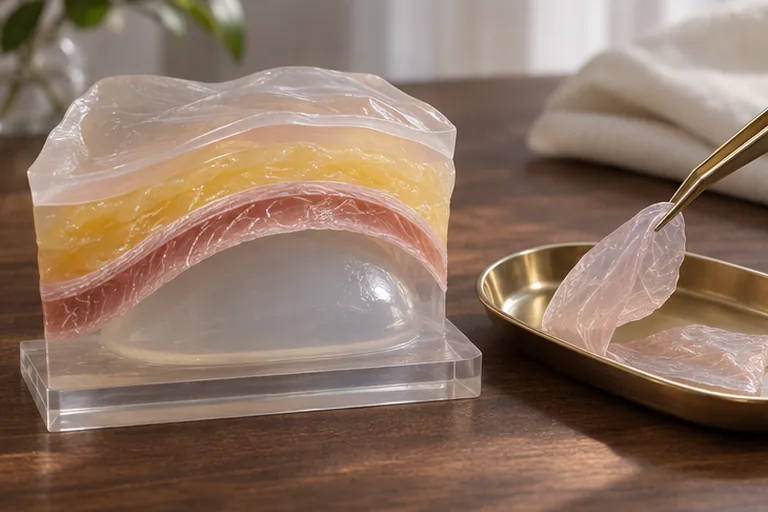
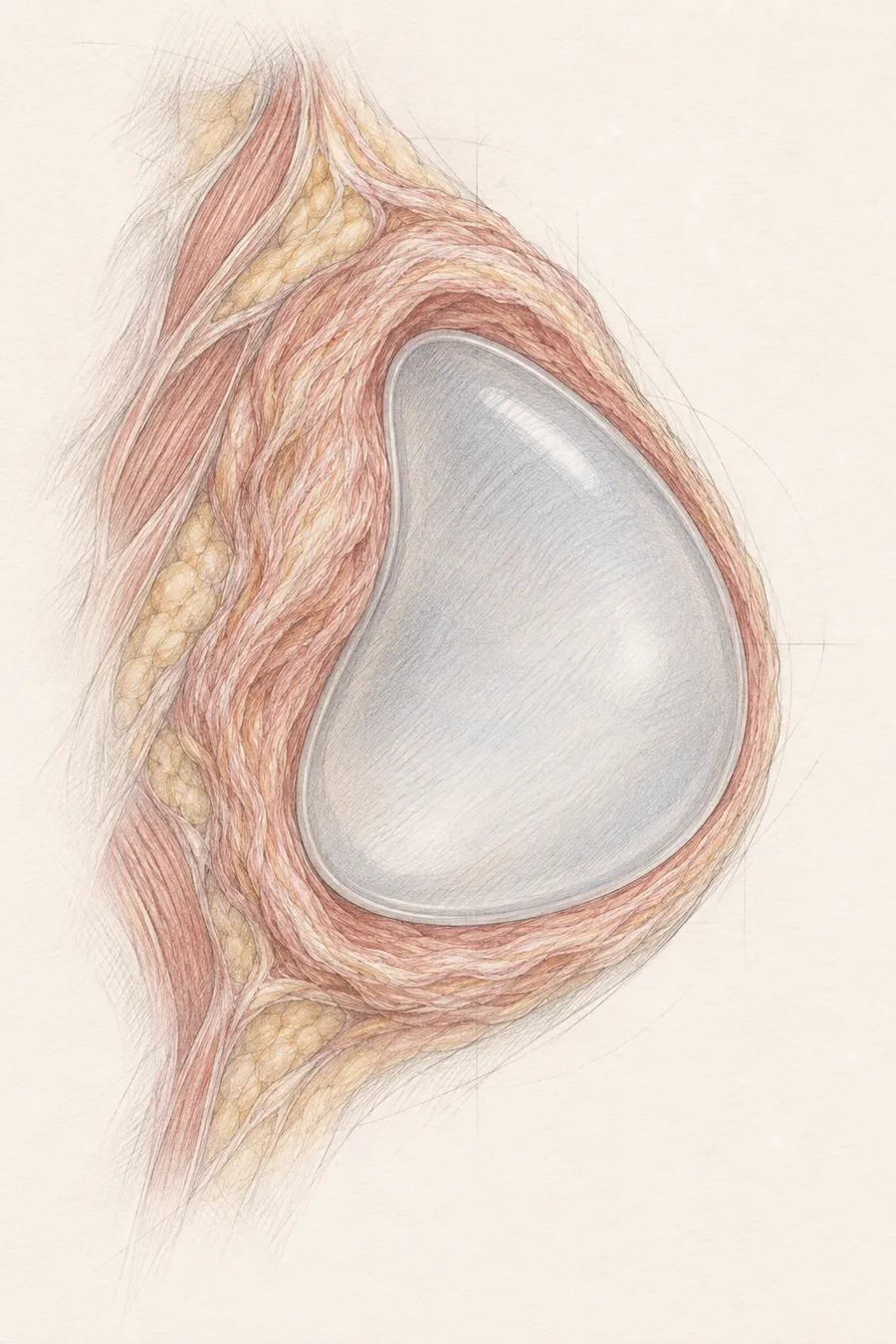
When an implant is placed, the body forms a thin layer of tissue around it. If this capsule is thick and firm, or if there is inflammation or implant rupture, we consider removing it along with the implant. If it is thin and has no problems, leaving it in place may also be an option. If the capsule adheres to the ribs or muscle, this can affect the extent of removal and the risk of bleeding. We explain this separately before surgery.
Researchers have also studied whether the extent of capsule removal affects physical symptoms. A study followed 150 participants for one year using a predefined protocol, including women seeking removal because of systemic symptoms they attributed to their implants. At one year, 88% of the symptomatic group reported at least partial improvement, regardless of how the capsule was removed1. This means there is still no clear evidence that the capsule must always be removed in one piece.
For this reason, the extent of capsule removal is based on the capsule's actual condition rather than the name given to the symptoms. We assess its thickness, firmness, signs of inflammation or rupture, and adherence to surrounding tissue, then explain the tradeoffs of leaving it in place versus removing it.
| Capsule condition | How it looks | What we look at first |
|---|---|---|
| Thick and firm | The breast feels hard and appears misshapen | Consider removal along with the implant |
| Signs of inflammation or rupture | Swelling, pain, and changes in shape may occur together | Assess the extent of removal and timing of reconstruction separately |
| Thin with no problems | No major visible changes | Leaving it in place may be an option |
| Adherent to the ribs or muscle | Boundaries are unclear on examination and imaging | Explain the extent of removal and bleeding risk before surgery |
Will physical symptoms go away after implant removal?
03Will physical symptoms go away after implant removal?
Answer Many reports describe improvement, but not all symptoms can be attributed to implants.

Some people with breast implants attribute symptoms without a clear cause, such as fatigue, joint pain, or muscle pain, to their implants. A systematic review—a study that gathers and analyzes multiple studies using consistent criteria—covering 33 studies and 6,048 women reported that 81.9% experienced symptom improvement after removal. In the same analysis, 16.5% had a history of psychiatric conditions and 20.7% had autoimmune disease.2.
The authors of the earlier study that followed 150 participants reported that blood and tissue tests showed no consistent differences among the three groups. They also noted that reduced negative expectations may have contributed to improvement1. This means removal may help, but other possible causes should also be evaluated.
At VITAL Plastic Surgery, we listen to your current symptoms during the consultation, then explain which may be accounted for by the condition of the implants and capsules and which may not. If needed, we may recommend another medical evaluation first.
For these reasons, rather than rushing into removal based on systemic symptoms alone, it is helpful to consider both whether there is an actual problem with the implants or capsules and whether you can accept the changes in breast shape after removal. This process helps you make a decision that takes your body after removal into account, without steering you toward or away from removal itself.
What will my breasts look like after removal?
04What will my breasts look like after removal?
Answer We do not tell you that your breasts will immediately return to their original appearance. We measure the tissue and skin that will remain to estimate the result beforehand.
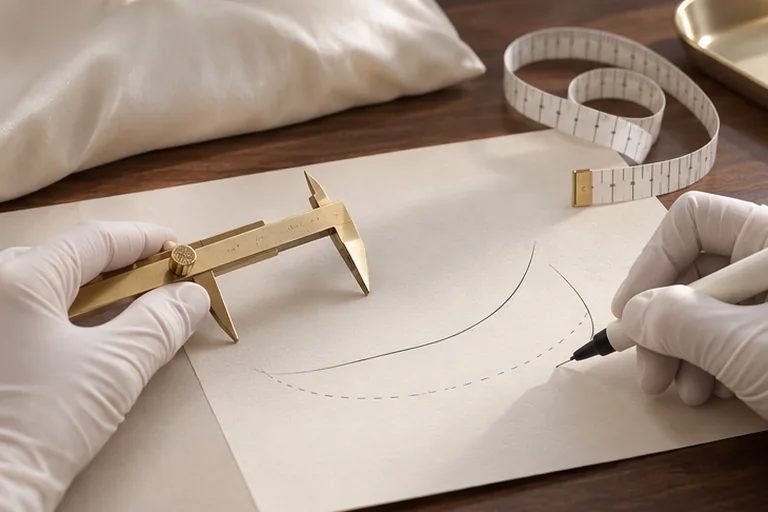
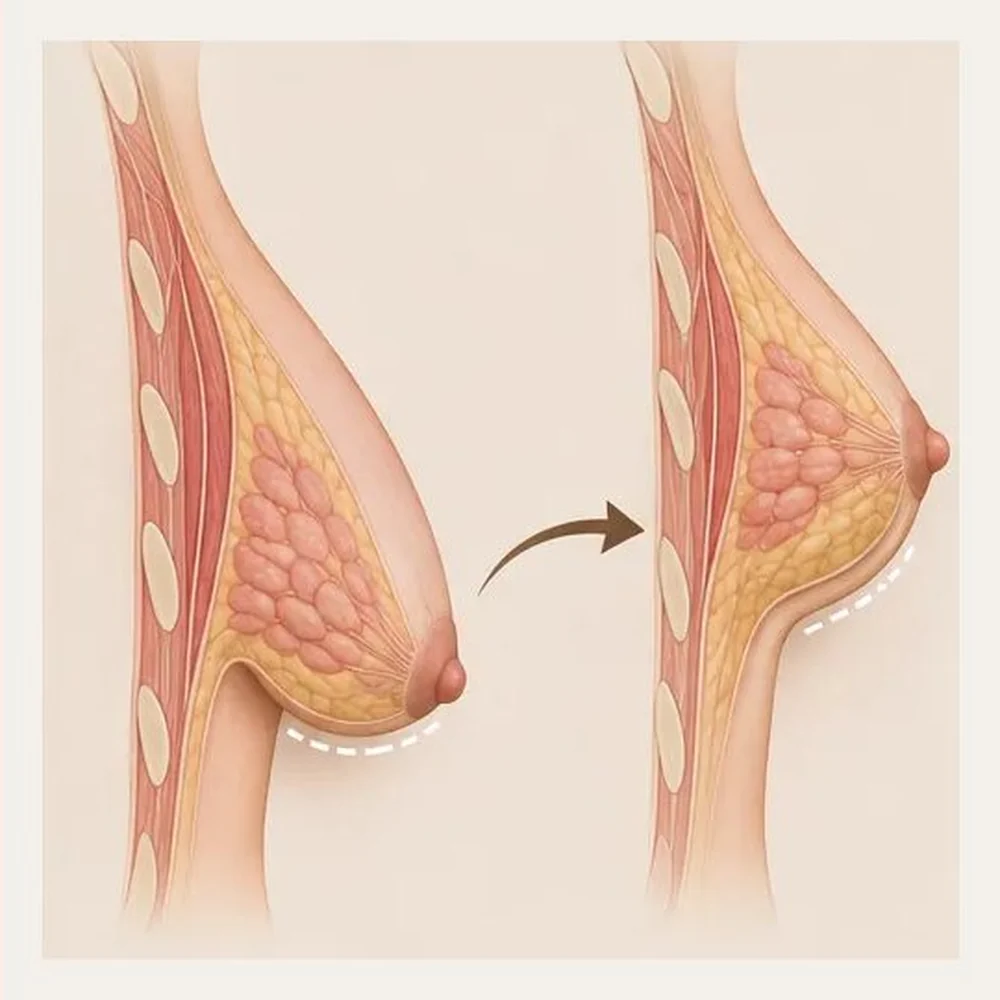
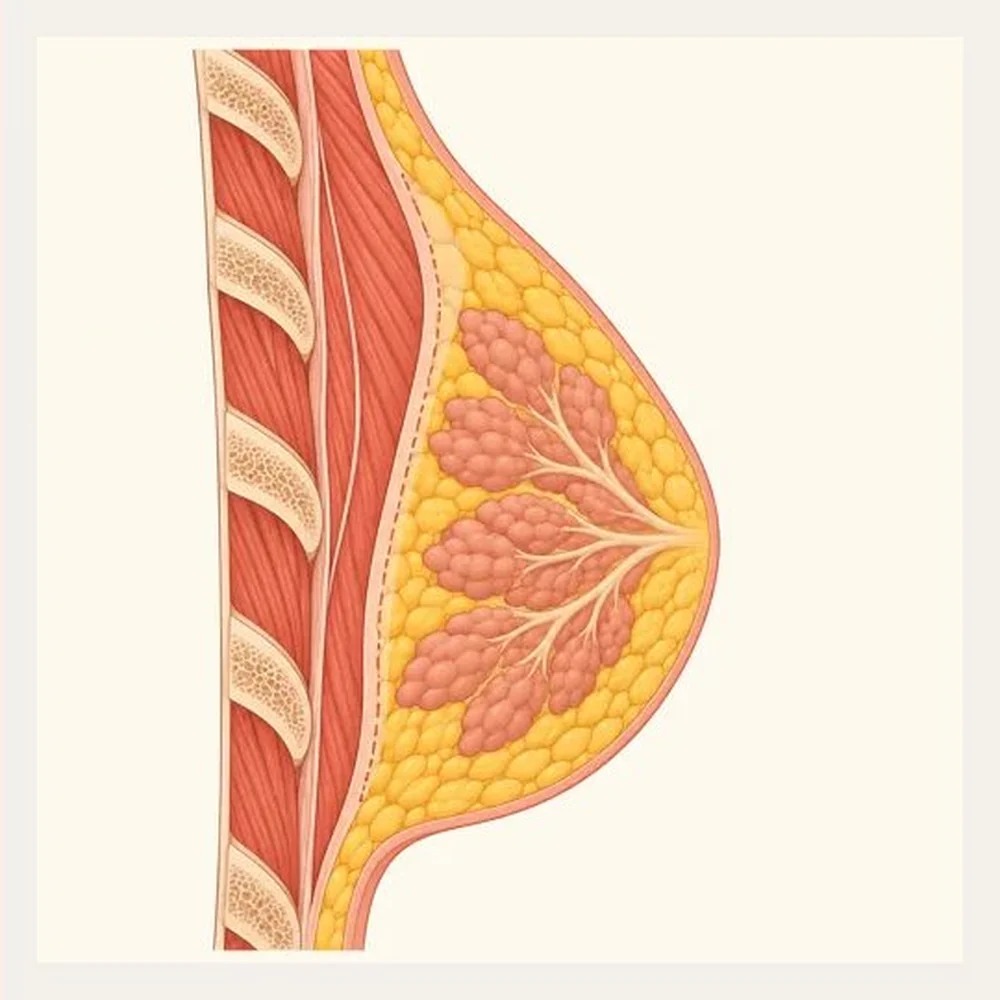
When implants have been in place for a long time, the skin has stretched to accommodate their volume, and the breast tissue and fat may have become thinner from pressure. The breasts may therefore look flat or saggy after removal. This happens because the space occupied by the implant is now empty, rather than because the surgery went wrong.
Before surgery, we measure nipple position, the tissue that will remain, and excess skin to consider three approaches. If the skin has enough capacity to contract, we monitor how it changes. If the nipples sit low and excess skin remains, we consider a breast lift. If the remaining volume is insufficient for the desired shape, we consider implant replacement or fat transfer. Breast shape continues to change over several months after removal, so we do not judge the result by its early appearance alone.
How much the skin contracts depends on how long the implants were in place, their size, your pregnancy and breastfeeding history, and weight changes. During the consultation, we assess your body shape, excess skin, asymmetry, and current discomfort. We also ask about plans for pregnancy and breastfeeding, as well as previous breast exams and surgeries. We compare your desired shape with the extent of correction possible, along with the potential effects on scarring and function.
| Expected appearance after removal | How it looks | Approach Considered |
|---|---|---|
| Skin retains elasticity | Volume decreases, but position changes little | Monitor without further surgery |
| Excess skin and lower nipple position | Sagging and skin folds | Breast lift at removal or later |
| Little remaining volume | Upper breast hollowing and a flatter appearance | Compare implant revision surgery and fat grafting |
Can implant removal and a breast lift be done together?
05Can implant removal and a breast lift be done together?
Answer They can be combined in some cases, but staging the procedures may be better if there is inflammation or extensive capsule surgery is needed.
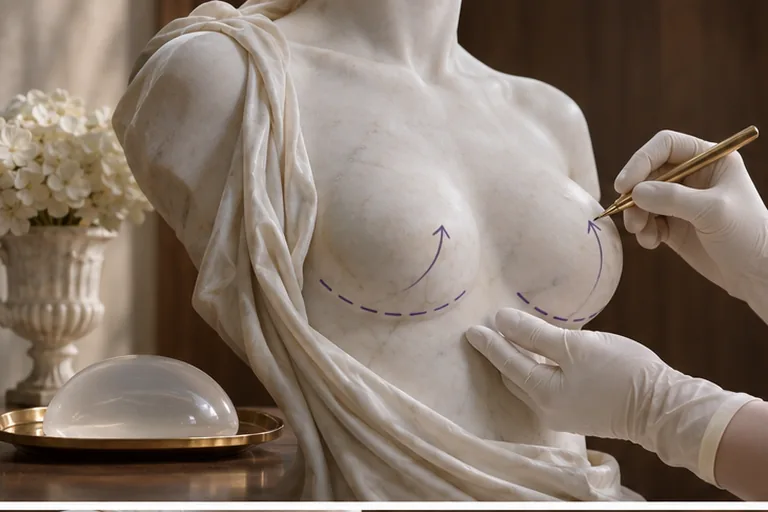
From the surgeon's perspective, completing everything in one operation may be preferable, but staging the procedures can sometimes be better for the patient's recovery. If there is inflammation or extensive capsule surgery is needed, reconstruction is planned after the tissues have stabilized following removal. This decision is based on current photos, surgical records, and examination findings.
In a single-surgeon study of 841 patients who underwent implant removal and a breast lift together, the complication rate was 4.76%, and the rate of additional corrective surgery was 4.63%. Age, body mass index, implants larger than 395 cc, and a history of capsular contracture or rupture were not clearly associated with complications. However, patients who had undergone two or more previous breast lifts had a substantially higher risk of additional corrective surgery (about 7.7 times the risk)3. This means the extent to which previous surgeries have strained the skin and tissues can change the surgical plan.
When a breast lift is also needed after removal, we measure nipple position and the amount of skin that will remain, then design the lift incisions first. Through those incisions, we remove the implants and capsules, then bring the remaining tissue together, lift it, and secure it in place. We plan revision surgery by classifying its difficulty as simple, complex, or highly complex, based on previous incision locations and the extent of adhesions.
Staged procedures generally follow this sequence. During the first operation, we remove the implants and the necessary portion of the capsules, then close the remaining space in layers. We then wait for swelling and firmness to subside and observe how much the skin contracts. If sagging or insufficient volume remains, we plan a breast lift or fat grafting. Sometimes the shape settles on its own during this waiting period, making further surgery unnecessary, so a second operation is not scheduled in advance.
What if there is filler or other foreign material in the breasts?
06What if there is filler or other foreign material in the breasts?
Answer Large volumes of filler often do not respond well to dissolving treatments and require surgical removal through an incision. We discuss the extent and limitations of removal first.
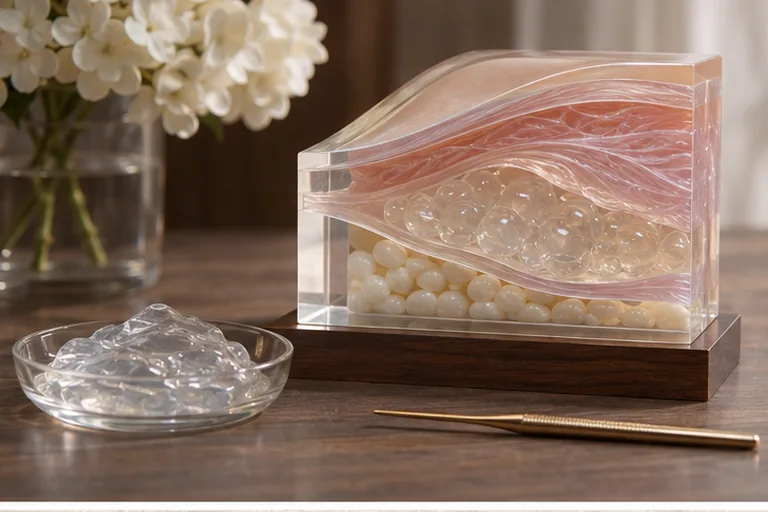
Filler injected into the breasts in large amounts can migrate or cause persistent inflammation and granulomas (inflammatory lumps that form around foreign material). It may also become enclosed in a capsule, making it difficult to dissolve. Blood vessels may have difficulty growing into the center of concentrated clumps, creating a risk of inflammation and infection. The filler can also interfere with breast examinations.
When needed, we first use ultrasound to assess the location and distribution of the injected material. Based on the findings, we determine the extent of removal and scar location, design the incisions, and remove the accessible injected material and surrounding capsule. If the material is widely dispersed, complete removal may be difficult. Before surgery, we explain how much can be removed and what may remain.
Injected material may require a larger area of removal than implants alone, and the length and location of scars may also differ. If you have had difficulty obtaining accurate breast examinations, we discuss an examination schedule separately from the removal plan.
What is recovery like after removal?
07What is recovery like after removal?
Answer Swelling peaks on days 3–4, breast height and shape change over several months, and scars continue to change for nearly a year.

The following is the typical recovery timeline provided by VITAL Plastic Surgery. Individual recovery varies. Recovery also depends on whether you had removal alone or a breast lift or volume restoration at the same time.
If you experience sudden severe pain, bleeding that does not stop, rapidly worsening swelling on one side, or signs of possible infection such as a high fever or pus, contact us immediately instead of waiting for your scheduled appointment.
After surgery, we use documentation of your pretreatment condition to assess early responses and wound healing, comparing not only photos but also discomfort and changes in function. We then determine whether further care is needed. We explain recommendations based on your condition rather than recommending the same additional treatment to everyone. If remaining sagging bothers you after removal, we can discuss a breast lift or volume restoration once the tissues have settled.
| Timing | What Happens | What to Keep in Mind |
|---|---|---|
| 3–4 days after surgery | Peak Swelling | Gentle walking, adequate nutrition and hydration |
| Early After Surgery | Protect the wounds and check for infection or wound separation | Use compression only as instructed for your procedure |
| Several Months | Breast height and shape continue to change early on | Avoid judging results by the early appearance alone |
| Up to 1 Year | Redness and firmness change over several months or longer | Silicone products and sun protection if needed |
08Three things we check first during your consultation
What we assess first during consultation
- Implant type and whether it has ruptured, capsule thickness and firmness, and the condition of surrounding tissues
- Nipple position, remaining tissue, and excess skin — whether a breast lift, volume restoration, or observation is appropriate after removal
- Previous surgical records, current photos, and breast examination history — if records are unavailable, assessment through a physical examination and any necessary tests
These are general care principles. The actual decision is made after an examination.
When other care is needed first Acute infection or a hematoma requires emergency evaluation first. If there is a lump or change that needs a breast examination before surgery, that examination comes first. If pregnancy or breastfeeding is planned soon, we adjust the timing of reconstruction. We do not recommend proceeding directly to surgery before thoroughly discussing the changes in shape that may occur after removal.
The answer to the initial question, “Will my breasts sag if I have my implants removed?” is this: they may look saggy, and the degree depends on the skin and tissue that remain. At VITAL Plastic Surgery, we first assess the implants and capsules, anticipate the shape after removal, and decide together whether a breast lift, volume restoration, or observation is appropriate. You do not need to make a decision on the day of your consultation.
— VITAL Plastic Surgery
When booking, simply say, “I'd like to start by discussing how my breasts may look after implant removal,” and we will begin there during your consultation. You do not need to make a decision that day.
Related ReadingBreast Implant Removal and Revision Surgery Information
READ NEXT
Read Next
FAQ
Frequently Asked Questions
Is a consultation difficult without my surgical records?
No. Photos showing your current condition are most important, and surgical records are helpful if available. Without records, we assess the implants through an examination and any necessary tests.
Will my breasts return to their original appearance immediately after removal?
Changes in the skin and tissue may remain. Before surgery, we explain the expected volume and sagging after removal, whether additional correction may be needed, and its limitations.
How long after removal can reconstruction be considered?
There is no fixed timeline. Even without an urgent problem, it may be better to wait for the tissue to stabilize before surgery to improve the shape. Timing depends on your symptoms and tissue condition.
Can filler injected into the breasts be dissolved?
Large-volume filler deposits become surrounded by a capsule and often do not respond well to dissolving treatments, so removal through an incision is frequently needed. If the filler has spread widely, complete removal may be difficult. We explain the scope and limitations first.
Will fatigue or joint pain improve after implant removal?
Many studies report improvement, but results vary, and other causes may also be involved. Tell us about your symptoms during the consultation so we can also assess whether you need another type of medical evaluation first.
BEFORE CONSULTATION
What to Prepare Before Your Consultation
- Previous surgery recordsPlease gather what you know about your surgery date, implant type and size, and incision location. You can still have a consultation without these records.
- Current photos and concernsWrite down when firmness or changes in shape began and whether you have experienced pain or swelling.
- Breast examination historyPlease bring any recent breast ultrasound or screening results. Be sure to mention any new lump you can feel.
- Medications and SupplementsWe recommend stopping herbal medicines and supplements such as omega-3s whenever possible because they may increase bleeding. Please tell us about every medication you take.
- Pregnancy, breastfeeding, and weight plansIf these plans are coming up soon, we adjust the timing of reconstruction. Smoking and alcohol affect wound healing, so we provide instructions to stop before surgery.
REFERENCES
References
- Glicksman C, McGuire P, Kadin M, et al. Longevity of Post-Explantation Systemic Symptom Improvement and Potential Etiologies: Findings From the ASERF Systemic Symptoms in Women-Biospecimen Analysis Study: Part 4. Aesthetic Surgery Journal. 2023. doi:10.1093/asj/sjad098 (View abstract)
- Ferreira S, Barros AS, Marques M. Breast Implant Illness: Symptoms, Outcomes with Explantation and Potential Etiologies - A Systematic Review and Meta-analysis. Aesthetic Plastic Surgery. 2025. doi:10.1007/s00266-025-05142-x (View abstract)
- Hirsch EM. Outcomes of Mastopexy Explantation: A Consecutive Series of 841 Patients. Aesthetic Surgery Journal Open Forum. 2026. doi:10.1093/asjof/ojag056 (View abstract)
The findings in these papers reflect the participants and conditions of each study and do not mean that every individual will have the same results.
This article provides general medical information and does not replace diagnosis or treatment. Surgical results and recovery vary by individual, and complications such as bleeding, infection, scarring, and asymmetry may occur.
More articlesVITAL Plastic Surgery Medical Articles
RESERVATION
You do not need to decide the day of your consultation.
Organize questions about this page without entering your name, contact information, or medical history. This does not submit an appointment request.