PLASTIC SURGERY
MEDICAL COLUMN
Questions Answered Directly by the Doctor Before You Decide on Surgery
Nose
Articles
Bulbous Tip Rhinoplasty: Can Cartilage Suturing Alone Refine the Tip?
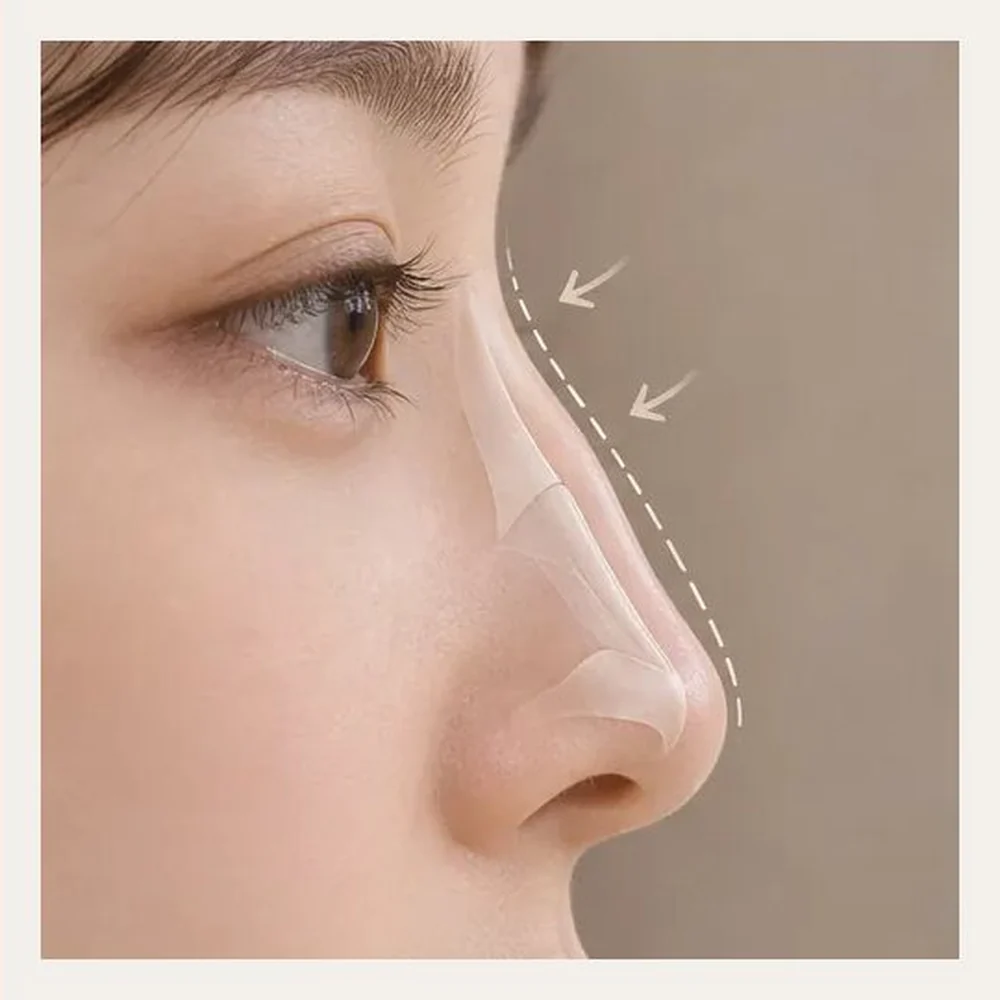
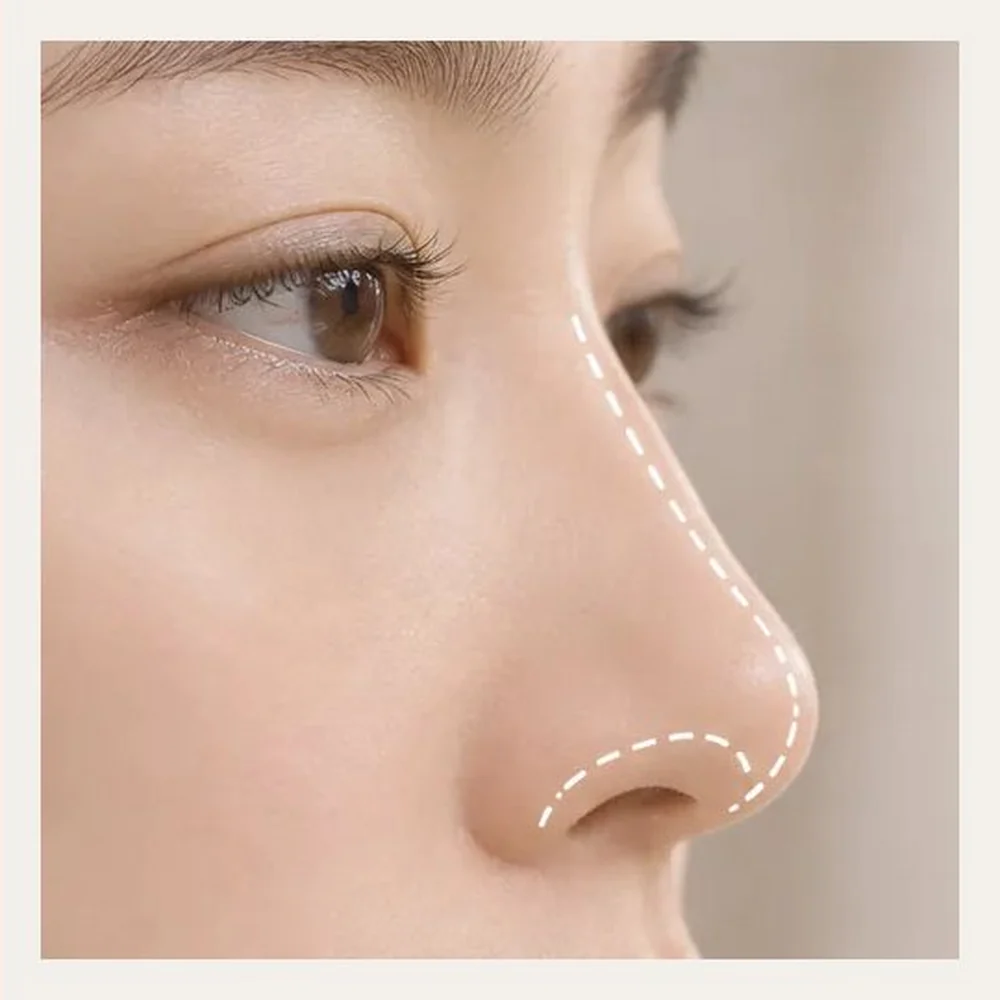
A bulbous nose tip looks wide and rounded. It may result from widely spread cartilage or from thick skin and the soft tissue beneath it. Both usually contribute, so the first step is to assess each cause separately.
Medically reviewed by Dr. Hyungwoo Yim, Medical Director and board-certified plastic surgeon · Published November 4, 2026 · Last reviewed November 11, 2026
SHORT ANSWER
First, the Short Answer
- A bulbous nose tip looks wide and rounded. It may result from widely spread cartilage or from thick skin and the soft tissue beneath it. Both usually contribute, so the first step is to assess each cause separately.
- When cartilage is the cause, part of its upper portion can be trimmed and the two sides brought together with sutures. With thick skin, however, even bringing the cartilage together may not produce clearly visible contours. That is why VITAL Plastic Surgery first establishes support beneath the tip and explains the expected extent of change before surgery.
- VITAL Plastic Surgery first assesses the nasal septum and alar cartilage (the cartilage that shapes the tip), skin thickness and weight, tip direction, and facial proportions.
“Will suturing the cartilage immediately make a bulbous tip more defined?”
This is a paraphrase of a question we often hear during consultations.
To answer this question, we first need to distinguish where your current concern comes from. We will explain each point below, then return to the original question at the end.
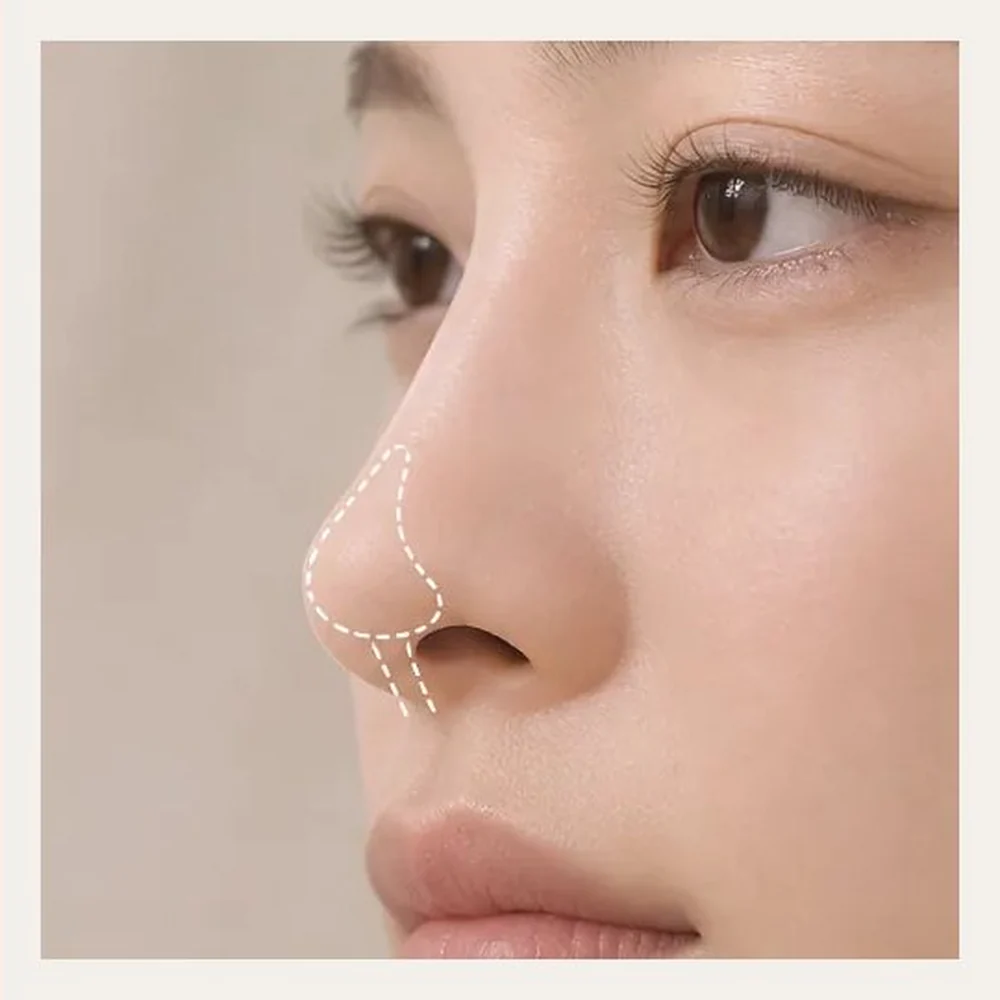
01What causes a bulbous nose tip?
Answer Both the shape of the tip cartilage and skin thickness contribute.
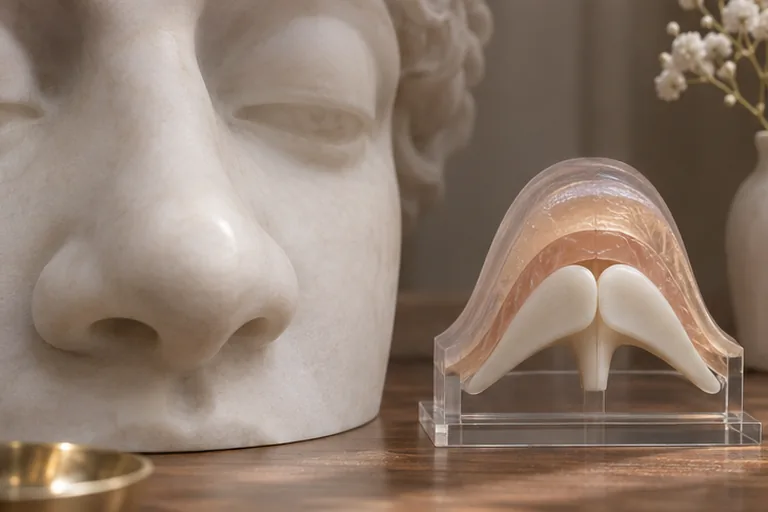
A pair of alar cartilages shapes the nasal tip. If this cartilage is weak or widely spread, the tip may droop or look rounded. If the overlying skin and soft tissue are thick, the cartilage contours may not show clearly through them. VITAL Plastic Surgery’s guide to nasal tip correction also describes a bulbous tip as a condition involving both cartilage shape and skin thickness.
The nasal tip is supported by the septal cartilage, alar cartilage, and columella (the column between the nostrils). If this structure is weak, anything placed on top may settle over time. A low tip, drooping tip, bulbous tip, and short, upturned nose may look different, but all require an initial assessment of support and cartilage orientation.
Even among people with a bulbous tip, wide cartilage is the main cause for some, while thick skin plays a larger role for others. We examine the skin and cartilage by touch during the consultation because their relative contributions affect how much change surgery can achieve. When cartilage is the main cause, bringing it together alone may produce a relatively visible change. When skin is the main cause, the same surgery may appear to produce less change.
- Whether the tip looks wide, round, and spread out
- Whether the tip is low or droops downward
- Whether the skin is thick and oily
- Whether the nasal alae also look wide
In Simple Terms Think of a box on a dining table with fabric draped over it. If the box (cartilage) is wide, it will look wide through the fabric, so its corners need to be brought closer together. But if the covering is a thick blanket (thick skin), narrowing the box may not make its contours clearly visible. The blanket’s weight also keeps pressing down on the box, which can collapse if its support is weak. Thin fabric, on the other hand, shows the contours clearly but may also reveal the corners. That is why assessing a bulbous tip involves more than deciding how much to narrow the box: we must also consider the thickness of the covering and the legs (support) beneath the box.
So how is a bulbous tip caused by cartilage corrected?
02How is a bulbous tip caused by cartilage corrected?
Answer Part of the upper portion of the widely spread cartilage is trimmed, and the two sides are brought together and secured with sutures.
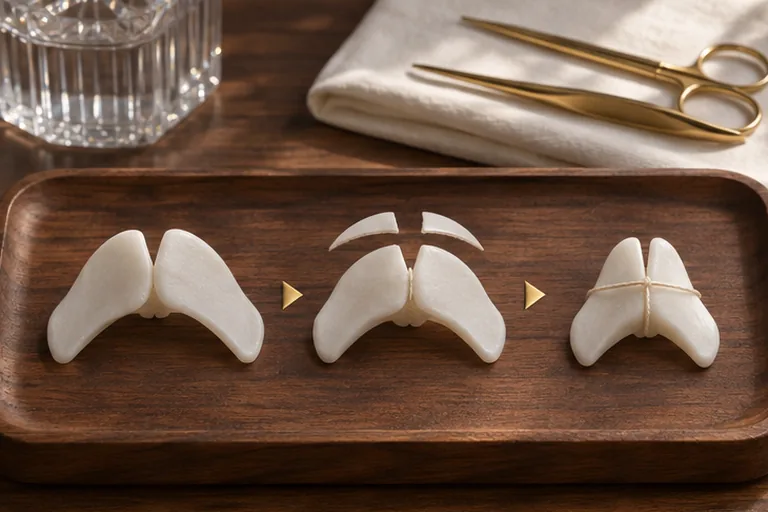
At VITAL Plastic Surgery, we assess cartilage width and skin thickness by touch and plan the correction, then make an incision across the columella to expose the widely spread tip cartilage. We trim the upper portion of the cartilage, bring the two sides together, secure them with sutures, and close the incisions across the columella and inside the nose. The specific technique and extent of surgery are determined after an examination.
In many cases, bringing the cartilage together is not enough. If the tip’s underlying support is weak, simply stacking cartilage higher or bringing it together may look good initially, but the tip may become more bulbous, crooked, or upturned over time if the support collapses. When needed, we first establish a foundation with a columellar strut (a cartilage support placed in the column between the nostrils) and a septal extension graft, then shape the tip with a minimal amount of cartilage on top.
How much to narrow the tip is determined in relation to your facial proportions. If you do not want an overly pointed tip, please tell us from the outset. Changes in tip direction and height can also affect the apparent proportions of the bridge and nasal alae, so even if your consultation is only about the tip, we assess all three before deciding the extent of surgery. If you come to us because the shape changed after previous tip surgery, we first assess the remaining cartilage and skin before making a plan.
- Assess cartilage width and skin thickness by touch and plan the correction
- Make an incision across the columella to expose the widely spread tip cartilage
- Trim the upper portion of the cartilage, bring the two sides together, and secure them with sutures
- Place a columellar strut if needed, then close the incisions across the columella and inside the nose
So does thick skin affect the results?
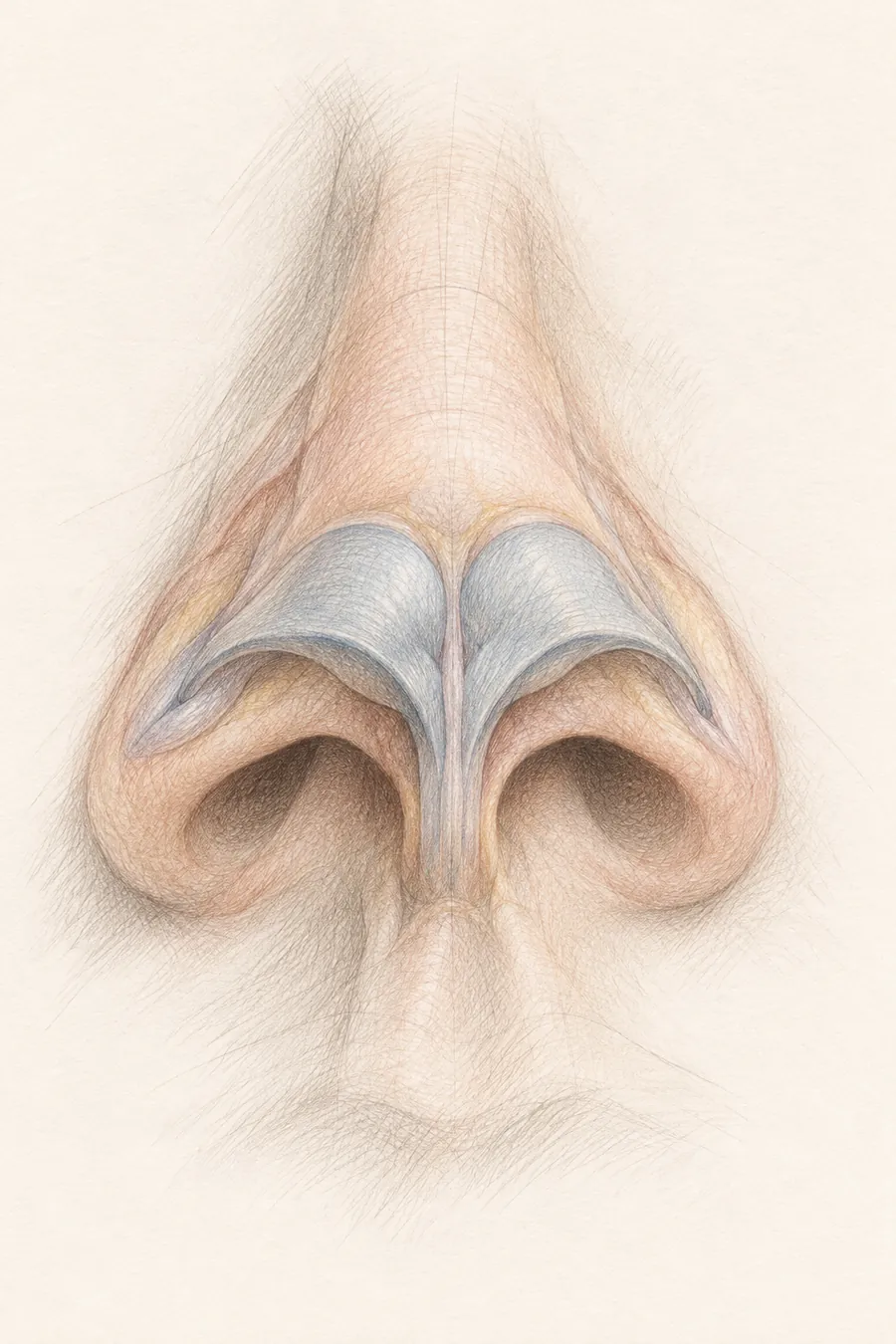
03Does thick skin affect the results?
Answer Even when the cartilage is brought together, there are limits to how clearly the contours show through, so we explain the expected extent of change first.
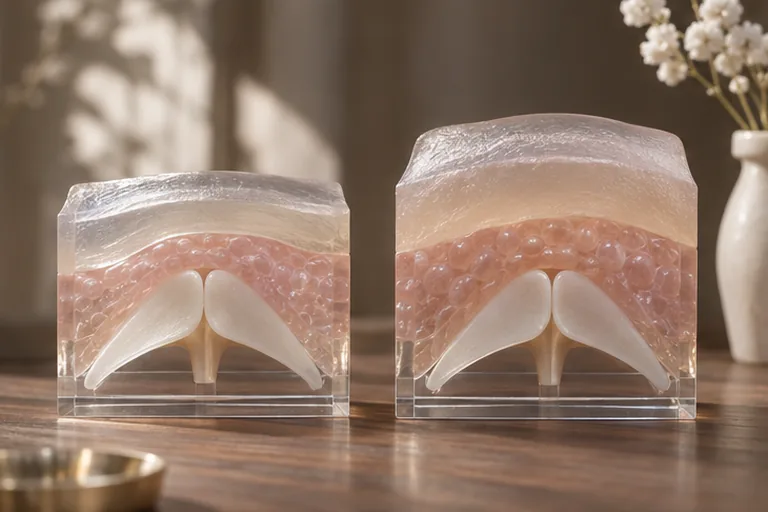
Thick skin weighs down the tip, while thin skin may reveal the cartilage contours. Maintaining the shape requires a balance between the strength of the tip’s internal support and the weight of the skin. VITAL Plastic Surgery therefore first assesses skin thickness and tension by touch to determine the strength of support needed and the amount of cartilage to place.
Research suggests that skin thickness affects how well the nasal tip maintains its position. A study that followed 308 patients for one year after tip support with septal extension grafts found that the degree of loss of tip rotation differed by the type of fixation suture used. This difference was absent in patients with thin skin but was pronounced in those with medium or thick skin1. Of the 5.2% who underwent revision surgery for tip rotation issues, 81.2% had thick skin.
This study compared suture materials, so its methods differ from those used at VITAL Plastic Surgery. However, its findings are consistent with the view that the ongoing downward force of thick skin can affect how well results are maintained. For a bulbous tip with thick skin, we therefore assess the support needed before considering narrowing.
Thick skin does not mean surgery is not possible. However, setting expectations becomes more important. Before surgery, we explain how much the contours may show through after the cartilage is brought together and the extent of change that can be expected.
| Cause | How it looks | What we look at first |
|---|---|---|
| Widely spread cartilage | The tip looks broad and angular, with a rounded spread | Cartilage width and spacing between the two sides |
| Thick skin and soft tissue | The tip has indistinct contours and a heavy appearance | Skin thickness and weight, and the expected extent of change |
| Low or drooping tip | The tip droops and looks wide | Columellar support and tip direction |
| Wide nasal alae | The outer edges of the nasal alae flare more than the tip | Whether alar reduction is needed after planning the tip correction |
So are wide nasal alae also considered a bulbous nose tip?
04Are wide nasal alae also considered a bulbous nose tip?
Answer We evaluate the nasal alae separately from the tip, plan the tip correction first, and then determine whether alar surgery is needed.
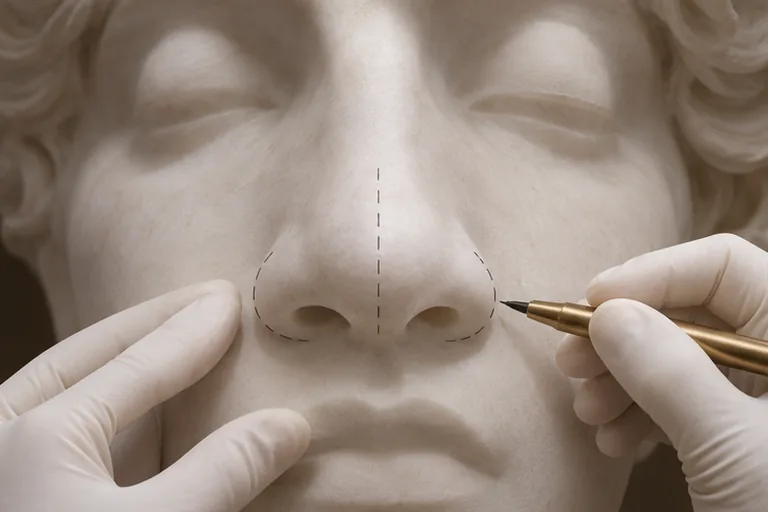
The answer depends on whether the nasal alae look wide because the tip is low or because the alae themselves are large. Raising the tip can change how the alae look, so VITAL Plastic Surgery plans the tip correction first, then determines whether incisional alar reduction is truly necessary.
Incisions in the nasal alae can leave scars, so we add them only when needed. If the nostrils are very visible from the front, we may separately consider a procedure to extend coverage over the nostril rims. If your main concern is the nasal alae or bridge and the tip has adequate support, we do not recommend tip correction right away.
If a short, upturned nose also makes the nostrils very visible, we assess tip direction before adding cartilage for height. We consider lengthening the nose using septal cartilage or rotating the tip with a wedge-shaped cartilage graft. Changing the direction also changes the appearance of the nasal alae and how much of the nostrils is visible.
During consultations for a bulbous nasal tip, a discussion about the tip alone sometimes leads to surgery on the nostril wings as well. Changing the order can lead to unnecessary incisions. The tip should be planned first, then the remaining width of the nostril wings should be reassessed.
- Whether a low nasal tip makes the nostril wings look wide
- Whether the nostril wings themselves are large
- Whether too much of the nostrils is visible from the front
- Whether the nostril wings will still be wide after the tip is raised
Then when does the nasal tip settle after surgery?
05When does the nasal tip settle after surgery?
Answer The overall shape is usually visible after 1 week, but residual tip swelling lasts more than a month, and the finer contours continue to change afterward.

When structural support is added, the tip may initially feel firm and move less. The tip has thick skin and dense tissue, so swelling tends to resolve more slowly there than in other areas. It may look round or high at first. About 90% of the nose's shape is usually visible after 1 week, but the finer contours of the tip continue to change gradually afterward.
Research also shows that the nasal tip continues to change for some time after surgery. In a study using a 3D scanner to measure 62 Asian patients who underwent tip surgery with septal extension grafts, tip height, tip width, and the angle between the nose and upper lip all increased at 1 month after surgery, then decreased at 12 months compared with 1 month2. However, tip height and width remained greater than before surgery. This means the early appearance is not the final appearance.
For this reason, follow-up visits include comparisons of photos taken at different stages under the same conditions. A slight decrease in height and width from immediately after surgery may reflect swelling resolving. We therefore avoid judging the outcome based only on the first month or two and reassess at 1, 3, and 6 months and 1 year. We also check for discomfort and changes in breathing, along with reviewing photos.
| Timing | What Happens | What to Keep in Mind |
|---|---|---|
| 3–4 days after surgery | Peak Swelling | Sleep with your head slightly elevated |
| About 1 Week | The overall shape usually starts to become visible around this time | The early appearance is not the final result |
| 1 Month or Longer | Residual tip swelling remains | Allow at least 2 weeks before social engagements |
| 3 months–1 year | The tissues soften and the tip settles | Follow-ups at 1, 3, and 6 months and 1 year |
Then does using more ear cartilage help the tip hold its shape longer?
06Does using more ear cartilage help the tip maintain its shape longer?
Answer The amount of material alone does not determine this. The guiding limit is what the skin and supporting structure can accommodate.
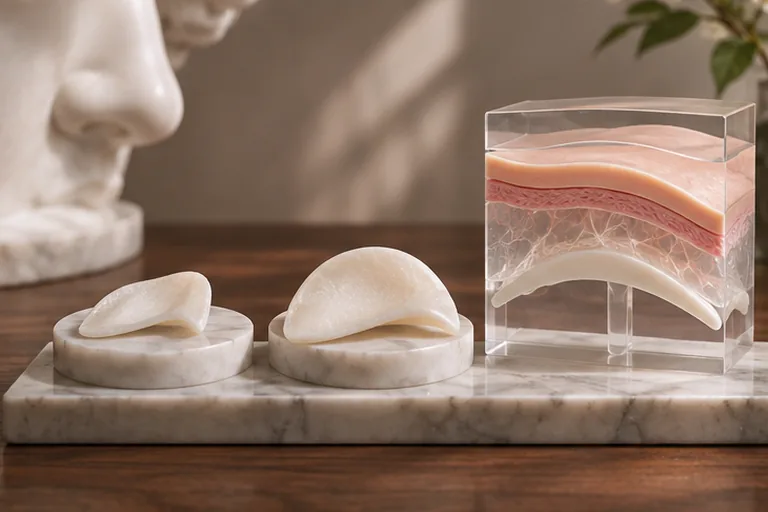
VITAL Plastic Surgery considers a tip built with ear cartilage alone prone to substantial changes in shape, so we use tissue with at least the structural strength of septal cartilage. Ear cartilage is curved and soft, making it difficult for it alone to support the weight of the tip over time. If septal cartilage is insufficient, the material plan is determined after an examination.
Stacking more material does not necessarily make the height and shape last longer. Adding material over a support that cannot bear the weight of thick skin may actually make the tip look blunter. Stacking too much under thin skin may make the cartilage visible. We therefore assess support and balance before the amount of material, and explain both the expected height and the risk of changes in shape.
- Material type: Tissue with at least the structural strength of septal cartilage; ear cartilage alone is not used to build the tip
- Support strength: Can the supporting structure bear the weight of the skin?
- Amount added: Can the skin cover it without the material showing through?
- Insufficient septal cartilage: A separate material plan is made after an examination
Then when is surgery for a bulbous nasal tip not recommended right away?
07When is bulbous nose tip surgery not recommended right away?
Answer When residual tip swelling remains, or when the desired increase in height is substantial relative to thin skin, creating a high risk of cartilage showing through.
If the tip has collapsed or become crooked after previous tip surgery, the remaining cartilage and skin must be examined first. If residual swelling from the previous surgery remains, it is too early to assess the shape, so waiting comes first. Assessing the remaining cartilage and skin after recovery is complete allows for more accurate planning.
Risks of bulbous nasal tip correction include visible cartilage, changes in shape, asymmetry, inflammation, scarring, and changes in tip sensation. This is not a complete list. We do not promise changes identical to a photo or another person's results. If you experience sudden severe pain, bleeding that will not stop, rapidly worsening swelling on one side, or signs of possible infection such as a high fever or pus, contact us immediately instead of waiting for your scheduled appointment.
You do not need to decide on the day of your consultation. We give you time to understand the explanation and ask questions. We may not recommend immediate treatment if its burden is greater or if you cannot allow enough recovery time. VITAL Plastic Surgery's care principle is to recommend necessary treatment at the appropriate time.
- When residual tip swelling is still present
- When the cartilage remaining after previous surgery and the skin condition need to be assessed first
- When thin skin and a substantial desired increase in height create a high risk of cartilage showing through
- When the main concern is the nasal alae or bridge and tip support is adequate
08Three things we check first during your consultation
What we assess first during consultation
- Condition of the septal and alar cartilage (cartilage width and support)
- Skin thickness and weight (load)
- Tip direction and facial proportions (including its relationship to the nasal bridge and nostril wings)
These are general care principles. The actual decision is made after an examination.
When other care is needed first We do not recommend immediate bulbous nasal tip correction if residual tip swelling remains, if the remaining cartilage and skin need to be assessed following previous surgery, if the desired increase in height is substantial relative to thin skin and creates a high risk of cartilage showing through, or if the nostril wings or nasal bridge are the main concern and tip support is adequate. In these cases, waiting or planning treatment for another area comes first.
The answer to the opening question, “Will suturing the cartilage make a bulbous nasal tip look defined right away?” is this: If cartilage is the cause, bringing it together with sutures may help. However, thick skin limits how much definition can show, and tip swelling lasts more than a month. The first step is to determine whether cartilage or skin is the greater contributor and whether the supporting structure can bear the weight of the skin.
— VITAL Plastic Surgery
When booking, simply leave a note saying, “Please first check whether the cause is cartilage or skin thickness,” and we will start there during your consultation. You do not need to decide on the day of your consultation.
Related ReadingNasal Tip and Columellar Support Correction: Treatment Information
READ NEXT
Read Next
FAQ
Frequently Asked Questions
Will bulbous nose tip surgery make my tip much narrower?
If cartilage is the cause, bringing it together with sutures can narrow the tip. Thick skin, however, can limit how clearly the contours show through. We explain the expected extent of change first.
Can changing just the tip make the whole nose look different?
Changes in tip height and direction can also affect the apparent proportions of the bridge and nasal alae, so we assess all three even if your consultation is only about the tip.
Why does residual tip swelling last so long?
The nasal tip has thick skin and dense tissue, so swelling tends to resolve slowly. The overall shape of the nose is usually visible after one week, but residual tip swelling takes more than a month to subside.
Do I also need alar reduction?
We plan the tip correction first, then determine whether incisions for alar reduction are truly necessary. These incisions can leave scars, so we add them only when needed.
Is it normal for my nasal tip to feel firm after surgery?
After support is placed, the tip may initially feel firm and move less. Please contact us immediately if pain worsens or one side swells rapidly.
BEFORE CONSULTATION
What to Prepare Before Your Consultation
- Front, underside, and side photosPlease prepare a front photo showing both the tip and nostril wings, a photo from below, and a side profile.
- Your desired tip appearanceCome prepared to describe your preferences, such as whether you want to avoid an overly pointed tip.
- Previous surgery and materials placed in your noseTell us about anything placed in your nose, including implants, fillers, or threads, and provide your surgical records.
- Medications and Medical HistoryTell us about your medications, chronic conditions, and allergies. You must stop smoking and drinking alcohol before surgery.
- SchedulingAllow at least 2 weeks before social engagements, and keep in mind that residual tip swelling lasts more than a month.
REFERENCES
References
- Uzunoğlu E, Uzun T, Müderris T. Polypropylene vs. Polydioxanone: How to Fix Septal Extension Graft? Plastic and Reconstructive Surgery. 2025. doi:10.1097/PRS.0000000000012697 (View abstract)
- Moon H, Fung CY, Kim JH, Jang YJ. Changes in Nasal Tip Aesthetics Over Time Following Asian Tip Plasty. The Laryngoscope. 2024. doi:10.1002/lary.30825 (View abstract)
The findings in these papers reflect the participants and conditions of each study and do not mean that every individual will have the same results.
This article provides general medical information and does not replace diagnosis or treatment. Surgical results and recovery vary by individual, and complications such as bleeding, infection, scarring, and asymmetry may occur.
More articlesVITAL Plastic Surgery Medical Articles
RESERVATION
You do not need to decide the day of your consultation.
Organize questions about this page without entering your name, contact information, or medical history. This does not submit an appointment request.