VITAL
Procedures
VITAL

PLASTIC SURGERY

KR EN JP CN TW TH ES

MEDICAL COLUMN

Questions Answered Directly by the Doctor Before You Decide on Surgery

Search your questions (e.g., mini facelift incisions, under-eye fat)

All

Eyes

Facelift

Nose

Skin · Regeneration

Recovery · Revision Surgery

Recent Articles

Forehead lift illustration

Skin Tightening

Forehead Lift Cost: What Determines the Price?

Why is the cost of a forehead lift determined after an examination? We explain the factors involved, including identifying the cause, incision placement, any eye surgery performed at the same time, health status, and follow-up care.

Read More →

Men's eyelid surgery illustration

Eyes

Male Ptosis Correction: How Is It Planned Differently for Men and Women?

Men often have thicker eyelids and lower eyebrows, so the crease height, amount of skin removed, and choice of technique may differ. This article explains plans for no crease or a subtle crease, changes in eyebrow position, and when to return to work.

Read More →

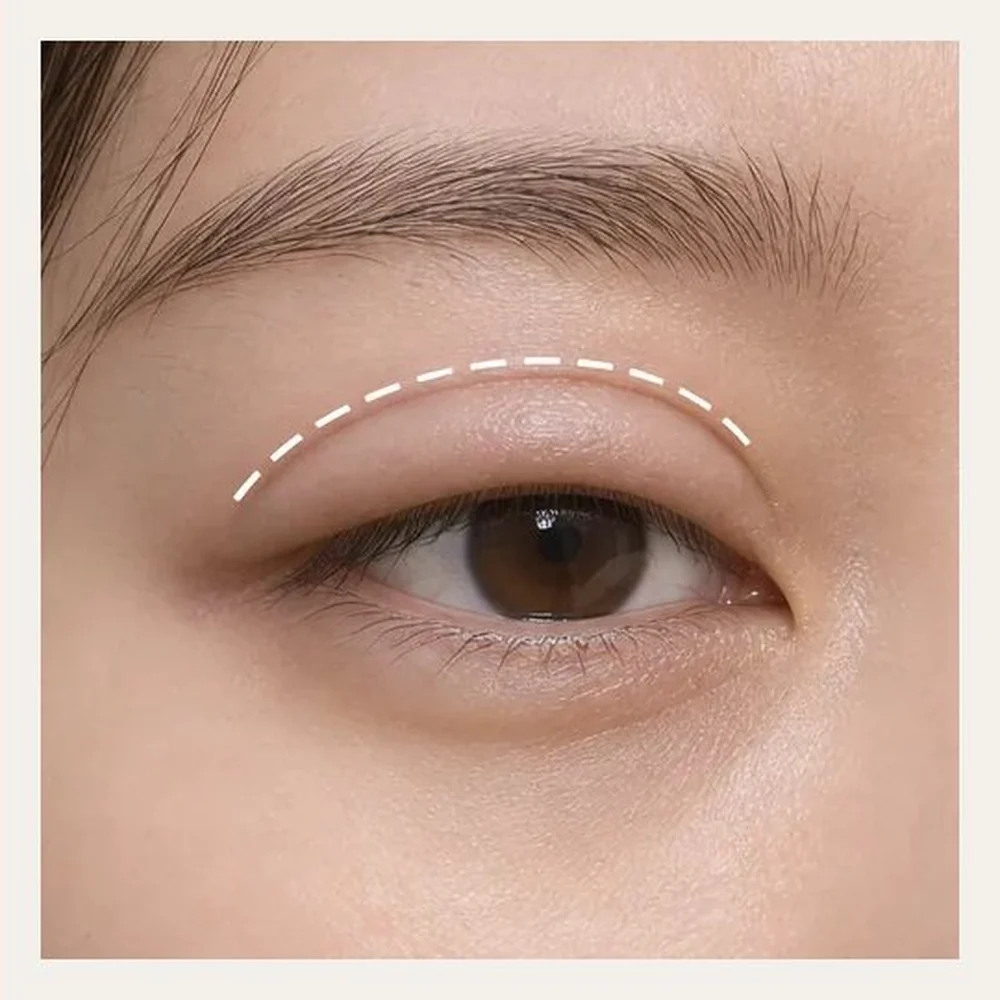
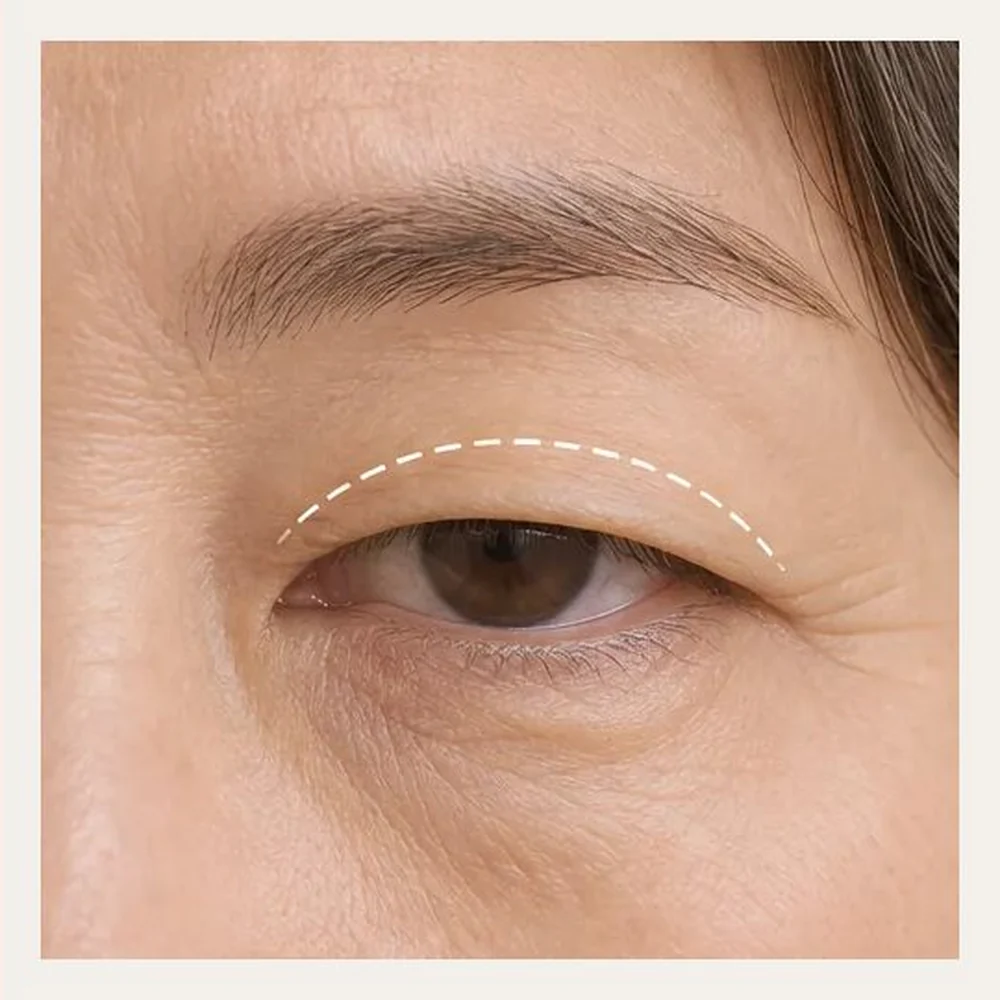
Illustration explaining ptosis and eyelid surgery for middle-aged adults

Eyes

Ptosis Surgery Cost: Why Does It Vary by Procedure?

Not all sleepy-looking eyes require the same surgery. We explain why the cost of ptosis surgery varies based on whether the ptosis is true or false, the use of a non-incisional, partial-incision, or incisional technique, any procedures performed at the same time, and whether it is revision surgery.

Read More →

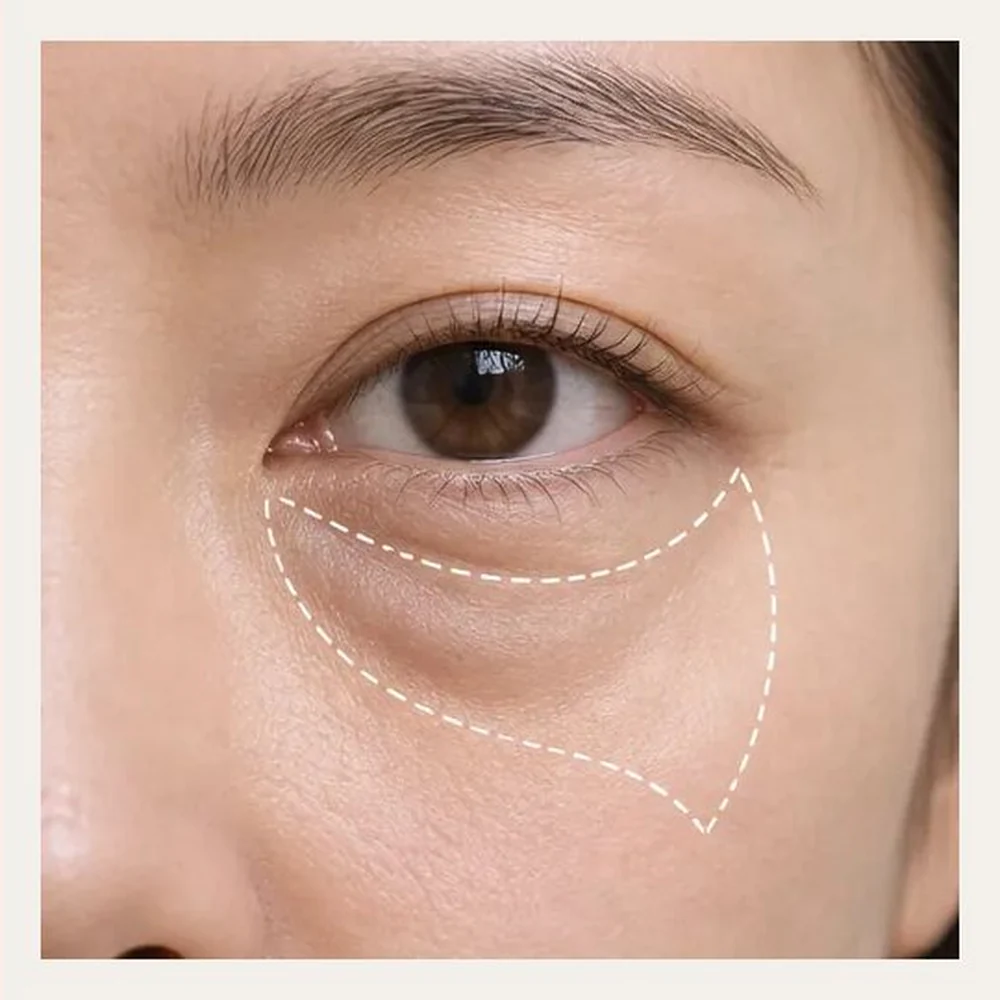
Lower Blepharoplasty · Midface Illustrations

Lower Blepharoplasty

Lower Eyelid Surgery Recovery: When Will Swelling and Bruising Go Away?

When will swelling and bruising go away after lower eyelid surgery? We explain the recovery process at 3–4 days, 5–7 days, 3 weeks–3 months, and 3 months–1 year, including when you can wear makeup and exercise, and how to care for yourself.

Read More →

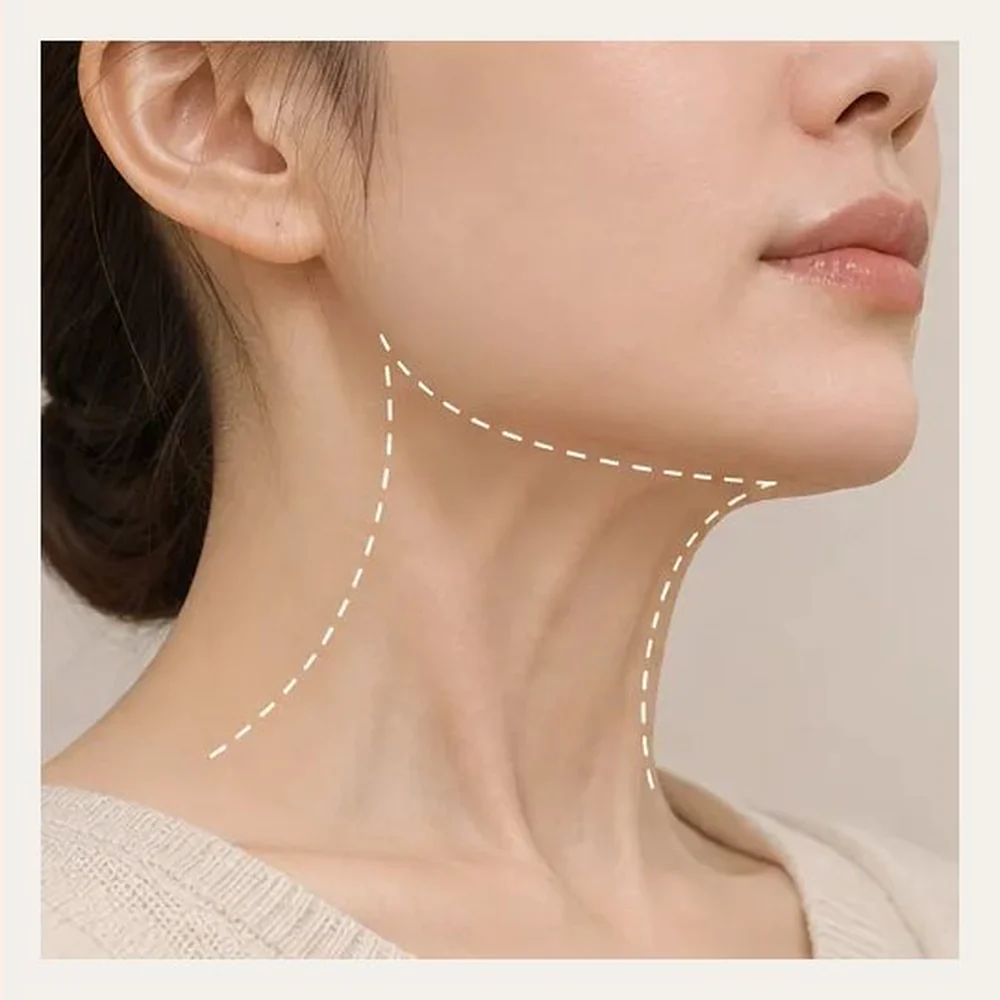
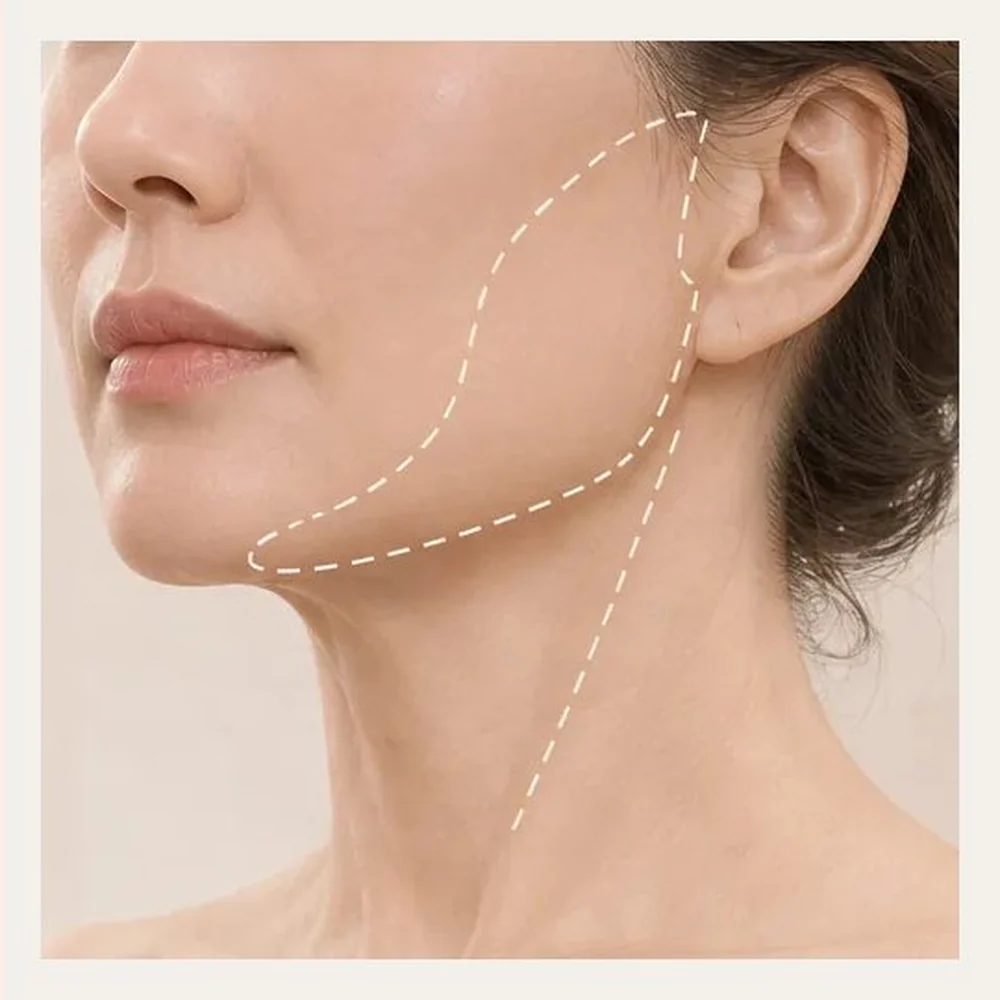
Deep Plane Facelift · Neck Lift Illustration

Skin Tightening

Facelift Recovery Timeline: What to Expect at 1 Week, 1 Month, and 6 Months

What changes at 1 week, 1 month, 3 months, 6 months, and 1 year after a facelift? We explain swelling, stitches, returning to daily activities, firmness and tightness, and follow-up at each stage.

Read More →

Double Eyelid Surgery · Sunken Eyes: Illustration

Eyes

Double Eyelid Surgery Swelling: When Does It Go Down?

Swelling after double eyelid surgery is usually worst on days 3–4, and stitches are removed on days 5–7. Here is a timeline of differences between non-incisional and incisional surgery, swelling care, firmness from 3 weeks to 3 months, and symptoms that require you to contact the clinic immediately.

Read More →

Double Eyelid Revision Surgery Illustration

Revision surgery

Double Eyelid Revision Surgery Timing: When Can You Have Surgery Again?

Double eyelid revision surgery is usually considered after 6 months to a year or longer. Here are the reasons to wait, symptoms that need prompt evaluation, and the causes checked first for a loosened crease, multiple creases, and asymmetry.

Read More →

Deep Plane Facelift · Neck Lift Illustration

Skin Tightening

Facelift Surgery Time: How Long Does It Take and Will I Need to Stay Overnight?

A deep-plane facelift takes about 4–5 hours, uses sedation, and requires no overnight hospital stay. Here are the reasons surgery time varies, how it differs from a mini facelift, and what to expect on the day of surgery.

Read More →

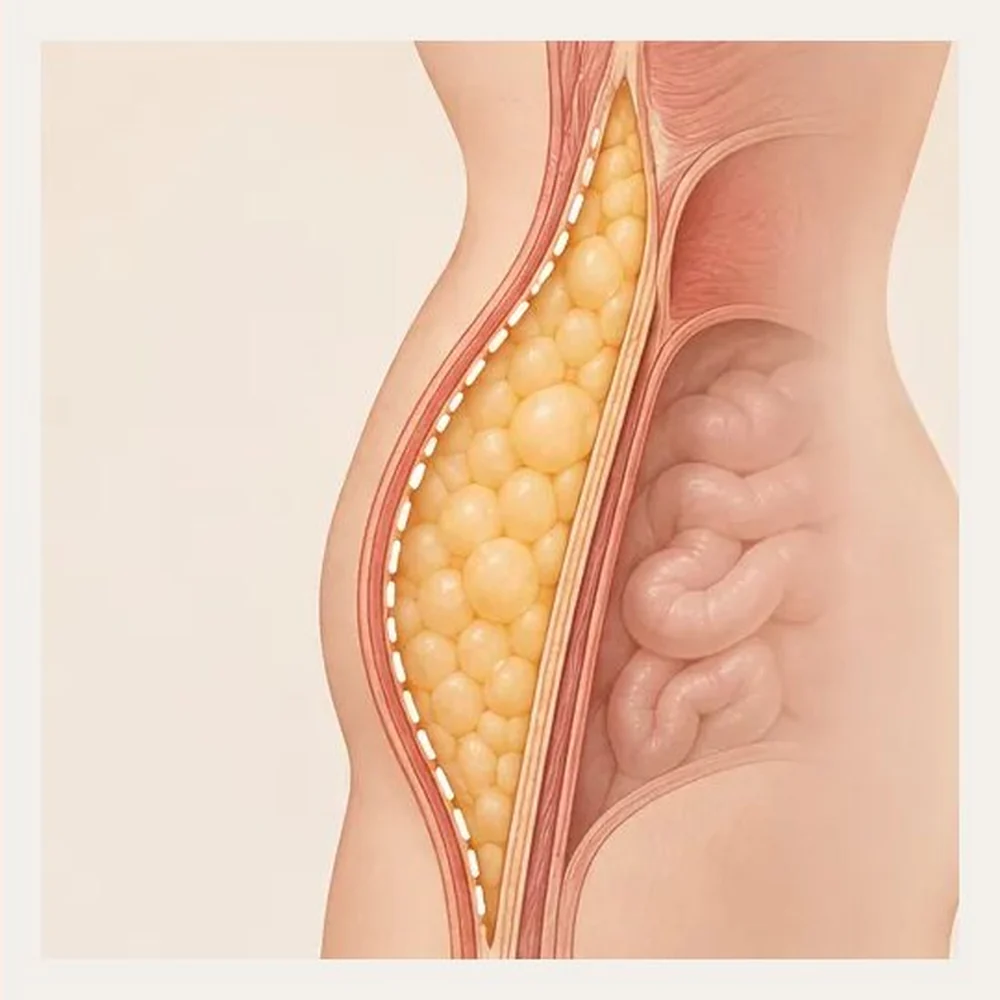
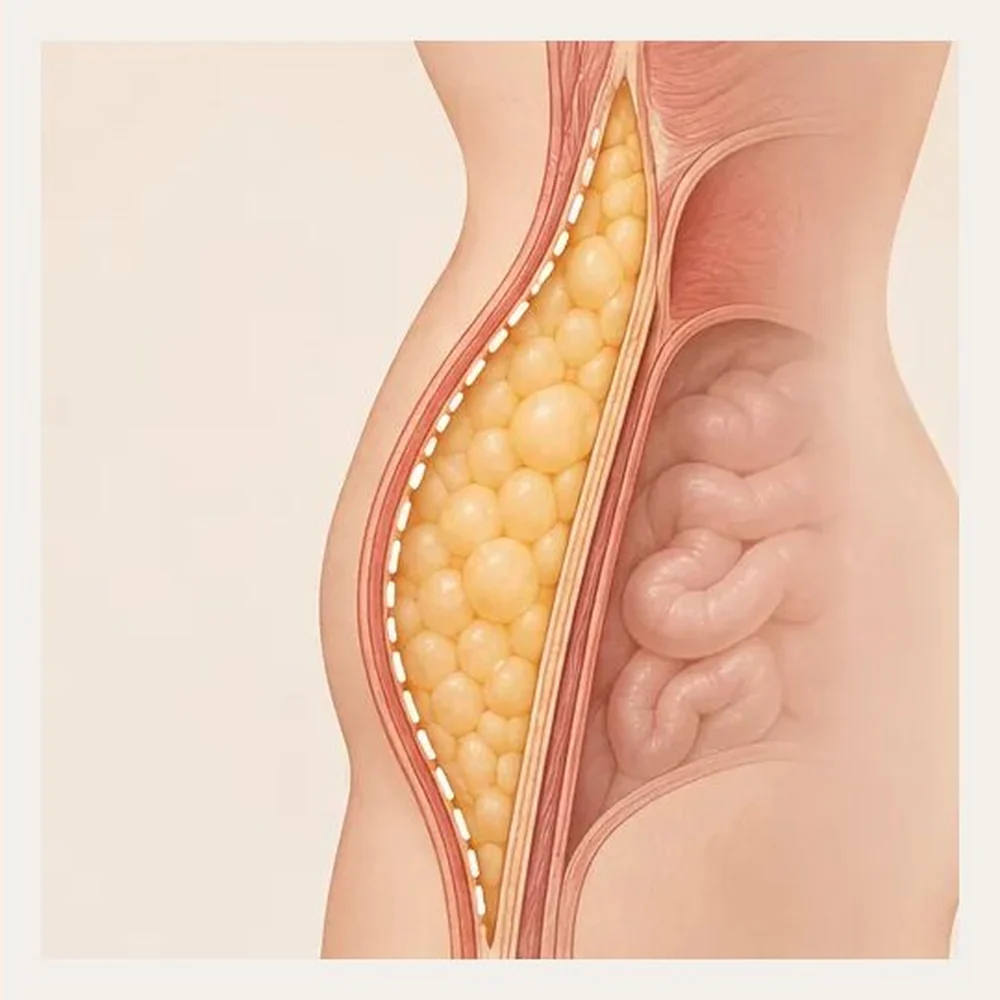
Liposuction · Body Contouring Illustration

Body

Liposuction Cost: How Do the Areas and Extent of Treatment Affect the Price?

What affects the cost of liposuction? We explain the factors that determine cost, including the number and extent of treatment areas, the choice of surgery based on skin elasticity, additional procedures, whether revision surgery is needed, and recovery care.

Read More →

Re2O Illustration

Skin Tightening

Re2O Cost: What Determines the Price?

What affects the cost of Re2O? We explain the factors that determine the cost, including the number of sessions, treatment area and product, whether it is performed alongside surgery, additional treatments, and follow-up care.

Read More →

Deep Plane Facelift · Neck Lift Illustration

Skin Tightening

Facelift Cost: What Determines the Price?

Why does the cost of a facelift vary from person to person? We explain the factors that determine the cost, including the extent of sagging, the tissue layers treated, whether a neck lift or eyelid surgery is performed at the same time, and post-operative care.

Read More →

Neck lift illustration

Facelift

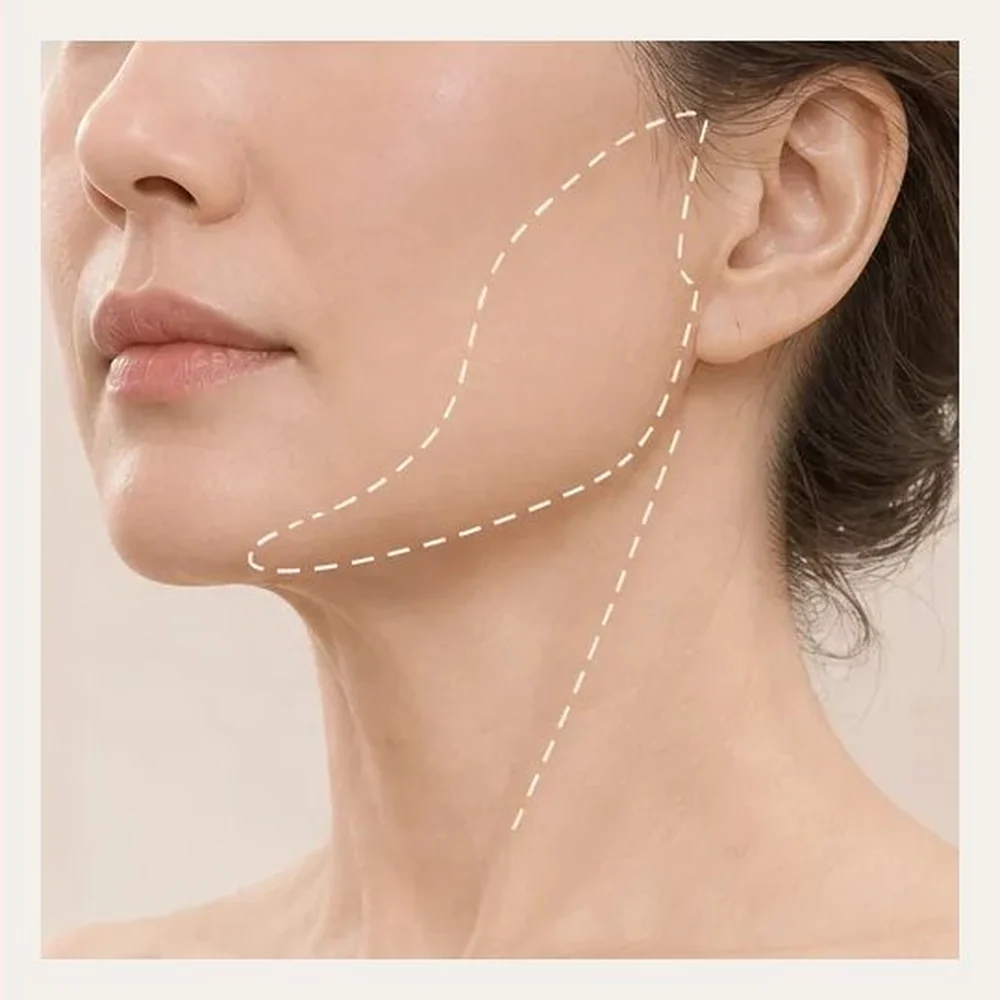
Neck Lift vs. Double Chin Liposuction: What Determines the Difference?

Even when both look like a double chin, the tissue layers that need treatment differ. We explain how to determine when to reduce fat and when to reposition the skin and platysma muscle.

Read More →

Illustration explaining ptosis and ptosis repair

Eyes

Ptosis Repair vs. Double Eyelid Surgery: Will a Crease Alone Make Your Eyes Look Bigger?

Even when the concern is the same—“my eyes look small”—double eyelid surgery and ptosis correction address different structures. We explain which measurements help determine the appropriate approach.

Read More →

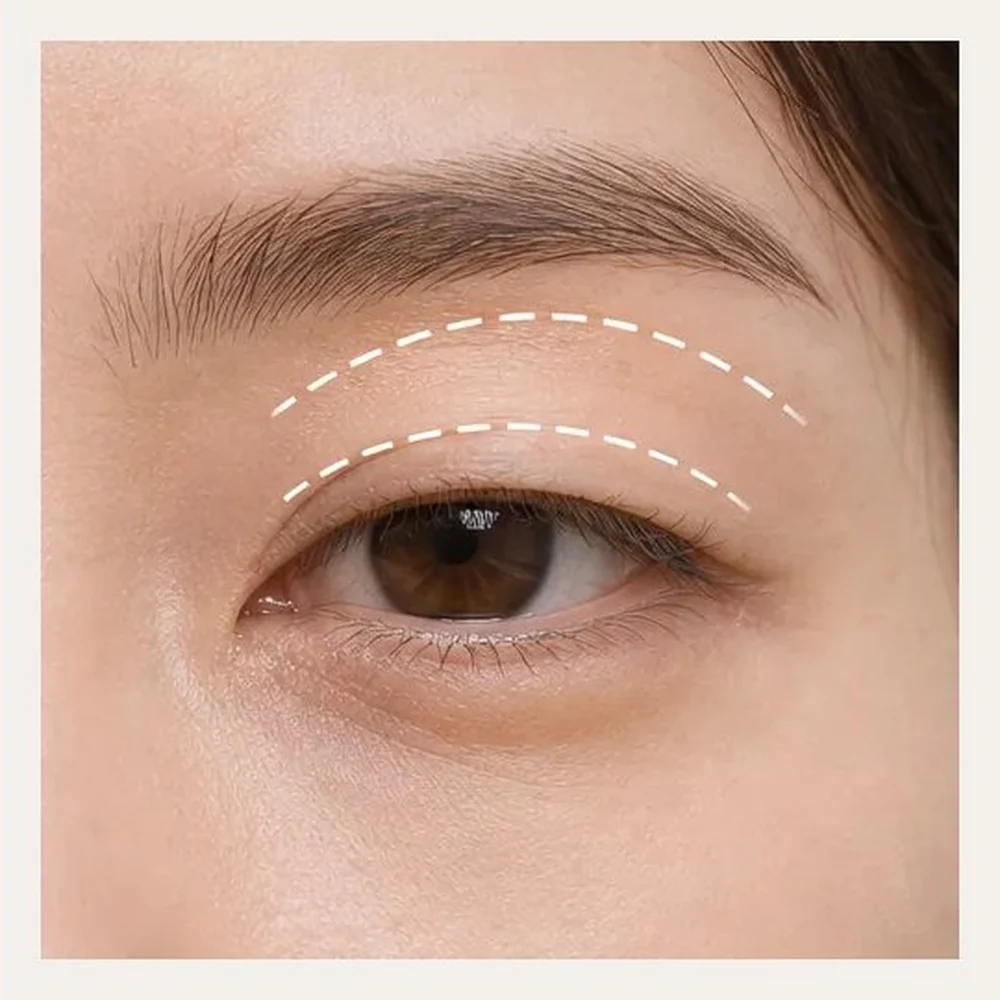
Upper blepharoplasty illustration

Eyes

Upper Blepharoplasty vs. Brow Lift: Remove Eyelid Skin or Raise the Brows?

When the upper eyelids feel heavy, the source of the sagging determines whether to remove eyelid skin or lift the brows. We explain who may be suited to each procedure.

Read More →

Lower Eyelid Surgery · Midface Lift Illustration

Lower Blepharoplasty

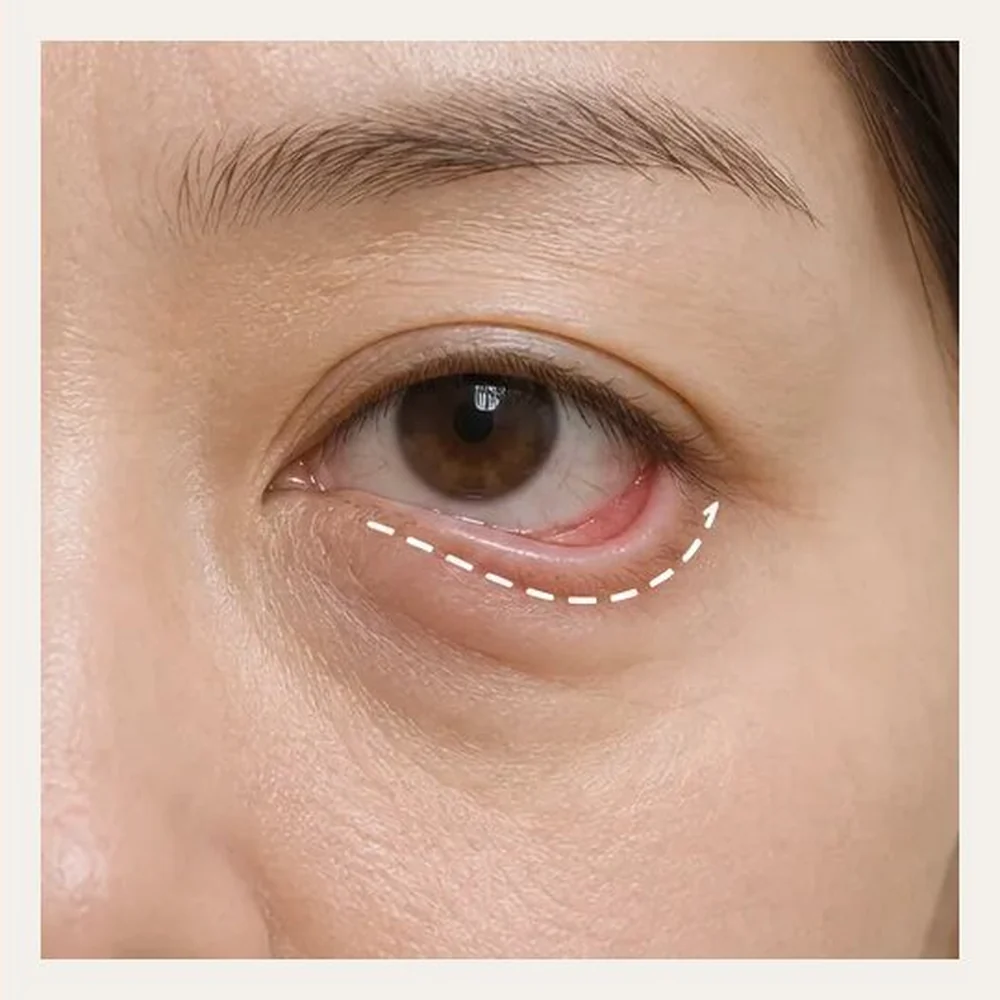
What Determines the Cost of Lower Blepharoplasty?

Why does the cost of lower eyelid surgery vary from person to person? We explain the factors that determine cost, including whether an incision is needed, whether the cheeks are also treated, combined procedures, and follow-up care.

Read More →

Liposuction · Body Contouring Illustration

Body

Back Liposuction: Is Removing Bra-Line Fat Enough to Smooth the Back?

Is removing bra-line fat enough to smooth the back? We explain why back fat forms rolls, how the treatment area is determined, and what recovery after liposuction involves.

Read More →

Illustration of Lower Eyelid Ectropion Reconstruction

Revision surgery

Ectropion surgery: Could the eyelid droop again if only the skin is tightened?

If the lower eyelid turns outward and does not close properly after under-eye surgery, we explain why the supporting structures, scars, and remaining tissue need to be assessed before the skin.

Read More →

Tummy tuck illustration

Body

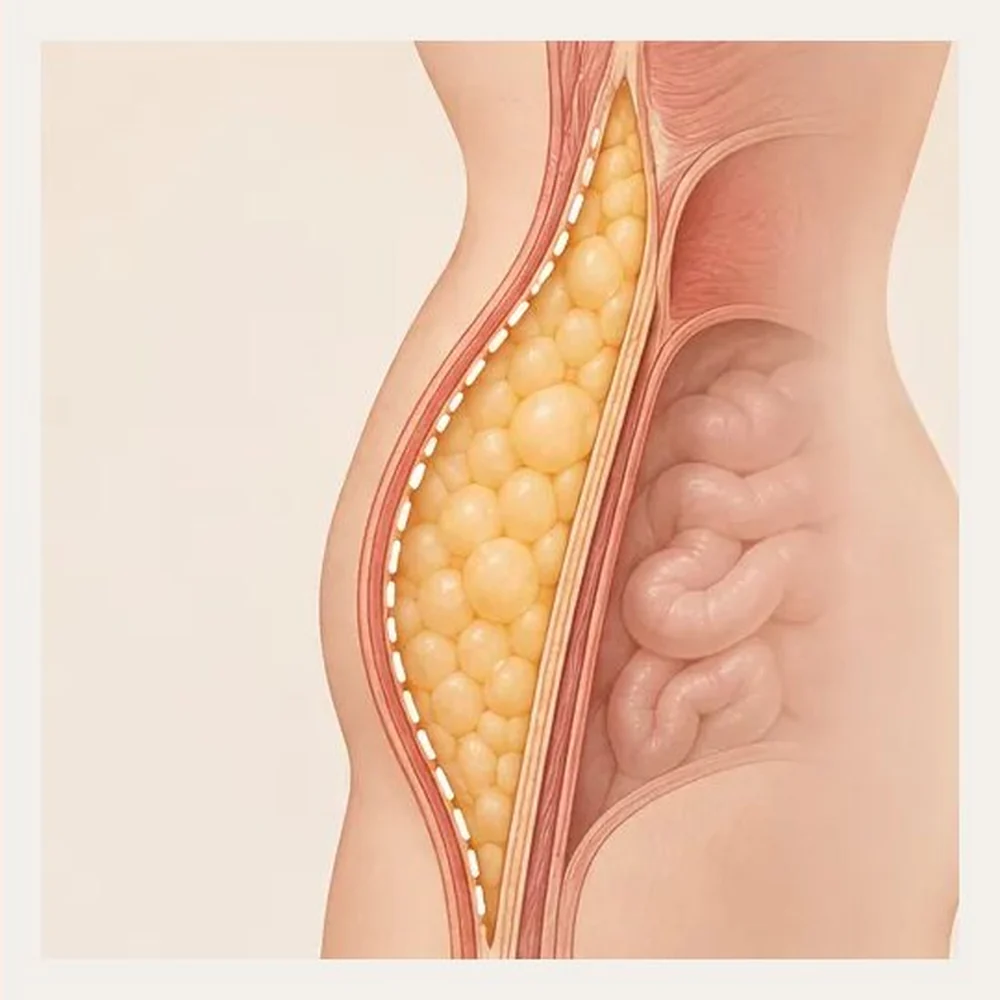
Loose abdominal skin after childbirth: Is liposuction enough?

If your lower abdominal skin is wrinkled and the center of your abdomen protrudes despite exercise, fat may not be the cause. We explain how to distinguish between liposuction and a tummy tuck, along with scarring and surgical timing.

Read More →

Deep Plane Facelift · Neck Lift Illustration

Skin Tightening

How Long Does a Facelift Last, and When Does Sagging Return?

Facelift results vary by person, but 5.5 years is generally used as a reference point. We explain what happens afterward and why the numbers differ between studies.

Read More →

Double eyelid crease lowering illustration

Revision surgery

How Much Can a Double Eyelid Crease Be Lowered?

If you want to lower a high double eyelid crease, how far it can be lowered depends on the remaining skin, adhesions, and eyelid opening strength. We explain when to wait and which methods are used.

Read More →

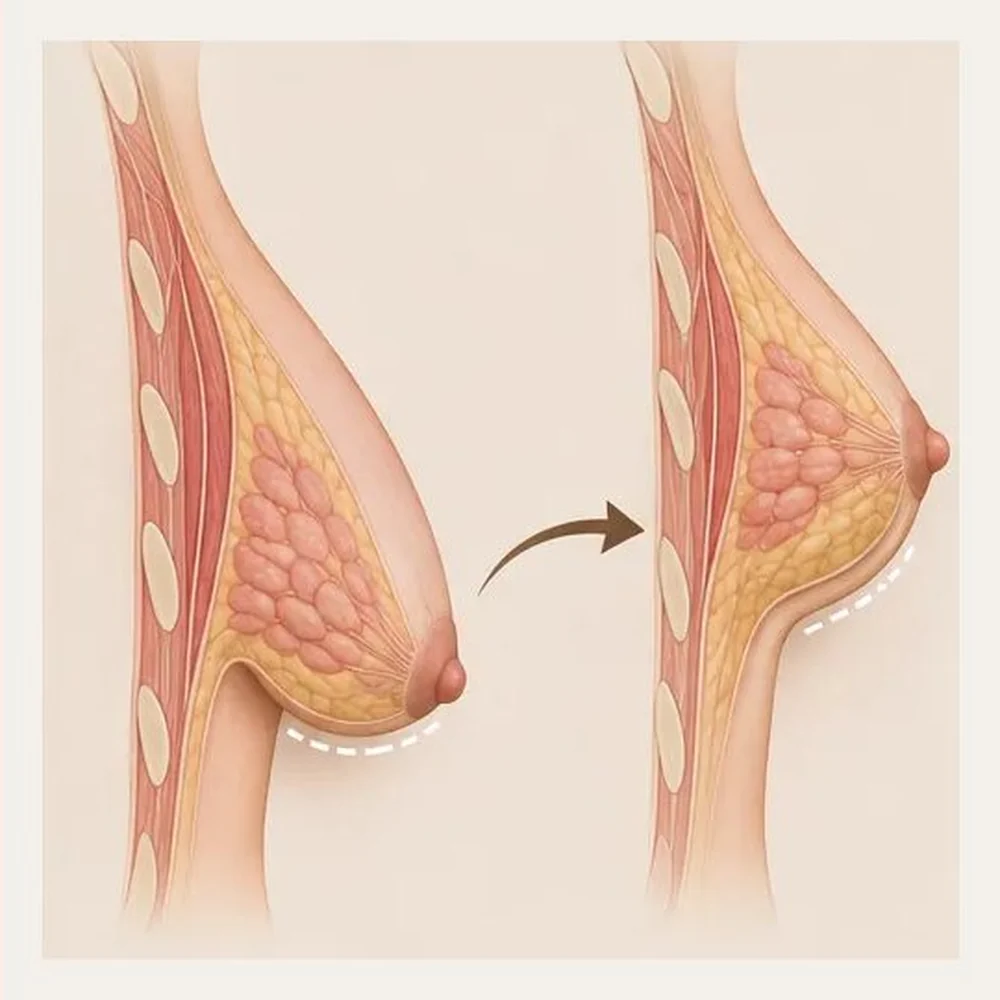
Breast lift illustration

Breasts

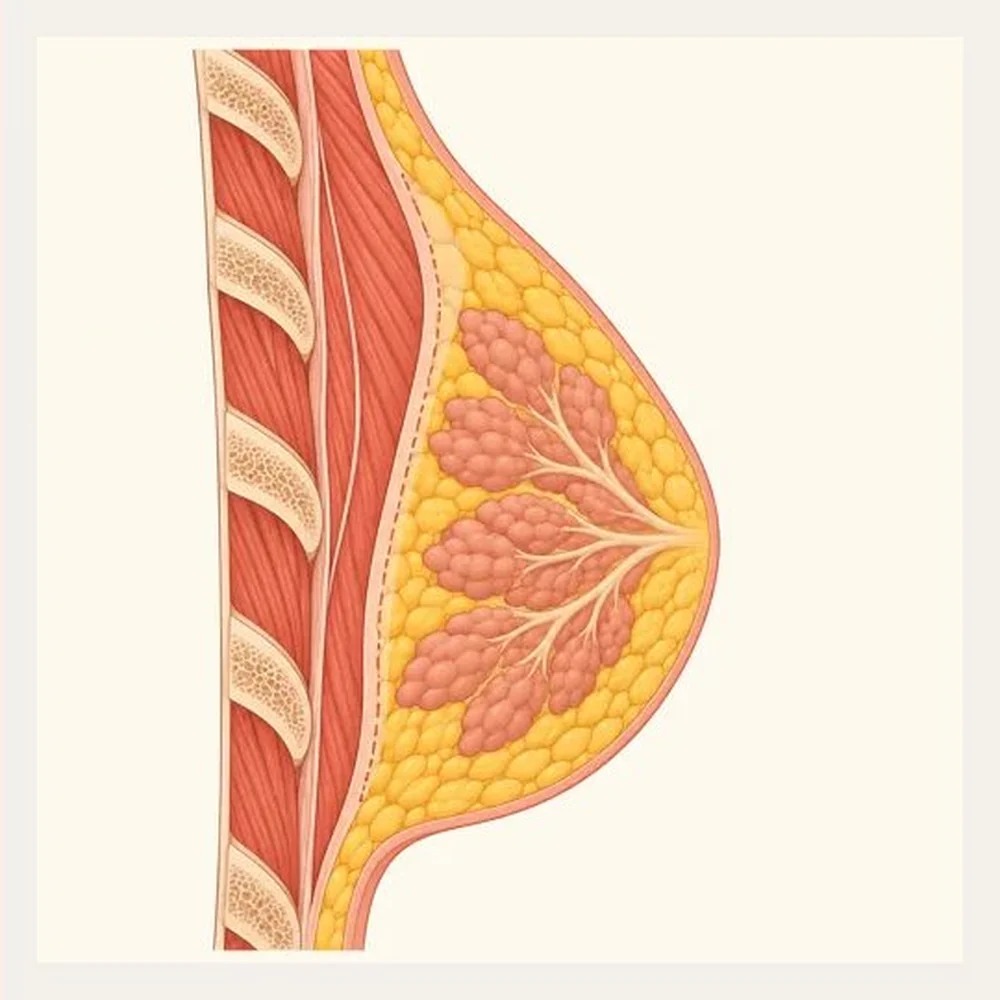
Breast Sagging After Pregnancy: Are Implants Alone Enough?

For breasts that sag after childbirth and breastfeeding, should volume be restored or the position lifted? We explain how sagging and volume are assessed separately, along with surgical timing.

Read More →

Neck Lift · Platysmaplasty Illustration

Facelift

Vertical Neck Bands: Can Injections Help, or Is Surgery Needed?

Vertical neck bands are usually the edges of the muscles at the front of the neck. Their cause differs from horizontal neck lines, so injections and surgery address them differently.

Read More →

Upper blepharoplasty illustration

Eyes

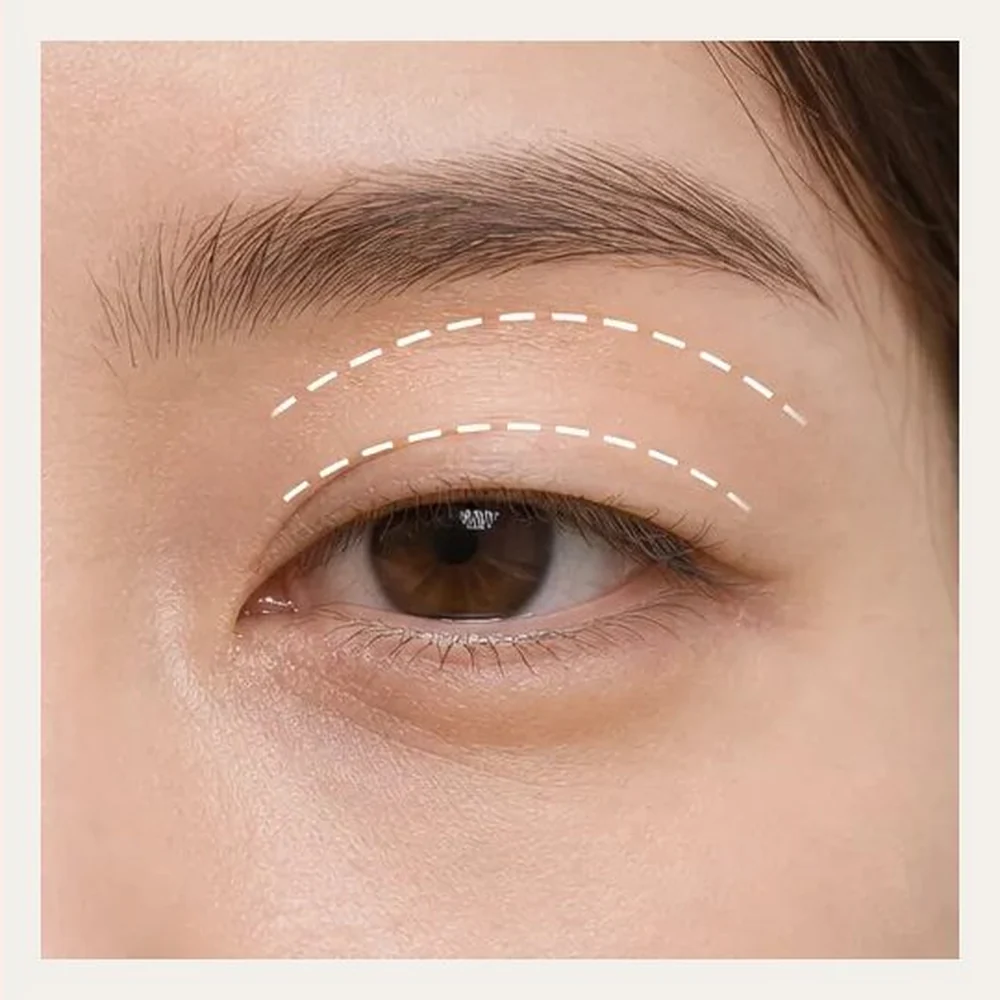
Drooping eyelids in your 50s: Is removing excess skin enough?

Drooping eyelids in your 50s often involve a combination of skin, brow position, eyelid opening strength, and hollowness. We explain what needs to be assessed separately before simply removing skin.

Read More →

Nipple reduction illustration

Breasts

Can nipple reduction surgery affect sensation or breastfeeding?

Long, elongated nipples and wide nipples require different reduction methods. We explain why sensation, breastfeeding, scarring, and surgical timing are considered together.

Read More →

Nasal Implant Removal and Revision Rhinoplasty Illustration

Revision surgery

Will Removing a Silicone Nasal Implant Restore Your Original Nose?

Removing a silicone implant does not return the nose to its original state; the capsule and scar tissue remain. We explain why the reconstruction plan needs to be determined before removal.

Read More →

Upper blepharoplasty illustration

Eyes

Subbrow lift scars: How visible will the line below the eyebrow be?

Scars from a subbrow lift do not disappear, but the incisions are planned along the lower border of the eyebrows. We explain how scars change over time, how to care for them, and when this approach is unsuitable.

Read More →

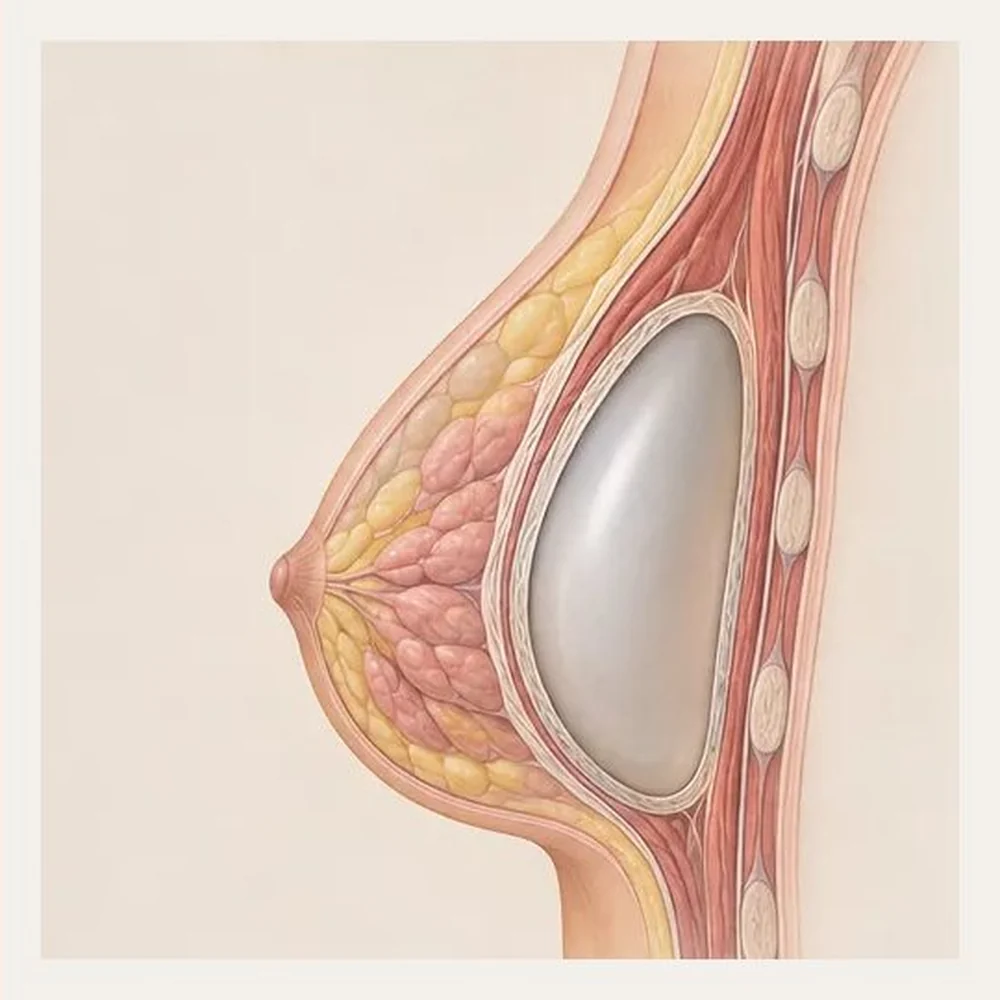
Breast implant removal and revision surgery illustration

Breasts

Breast implant rupture symptoms: Could an implant rupture without any symptoms?

Would you know right away if a breast implant ruptured? We explain ruptures that occur without symptoms, why imaging is used to confirm them, and the options after confirmation.

Read More →

Dorsal Hump Correction Illustration

Nose

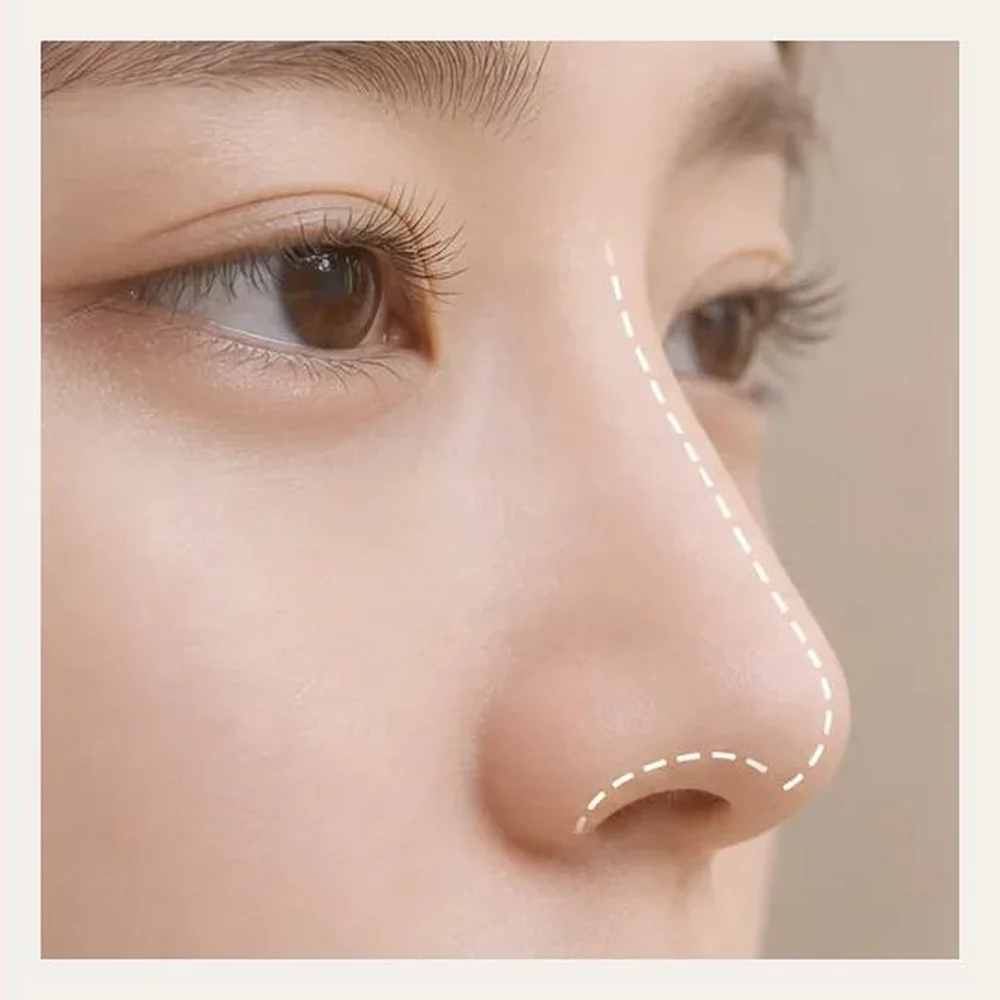
Dorsal Hump Reduction: Is Removing the Bump Enough?

What happens after removing a dorsal hump matters more than shaving it down. We explain why a widening nasal bridge, a drooping tip, and potentially narrowed nasal airways need to be considered together.

Read More →

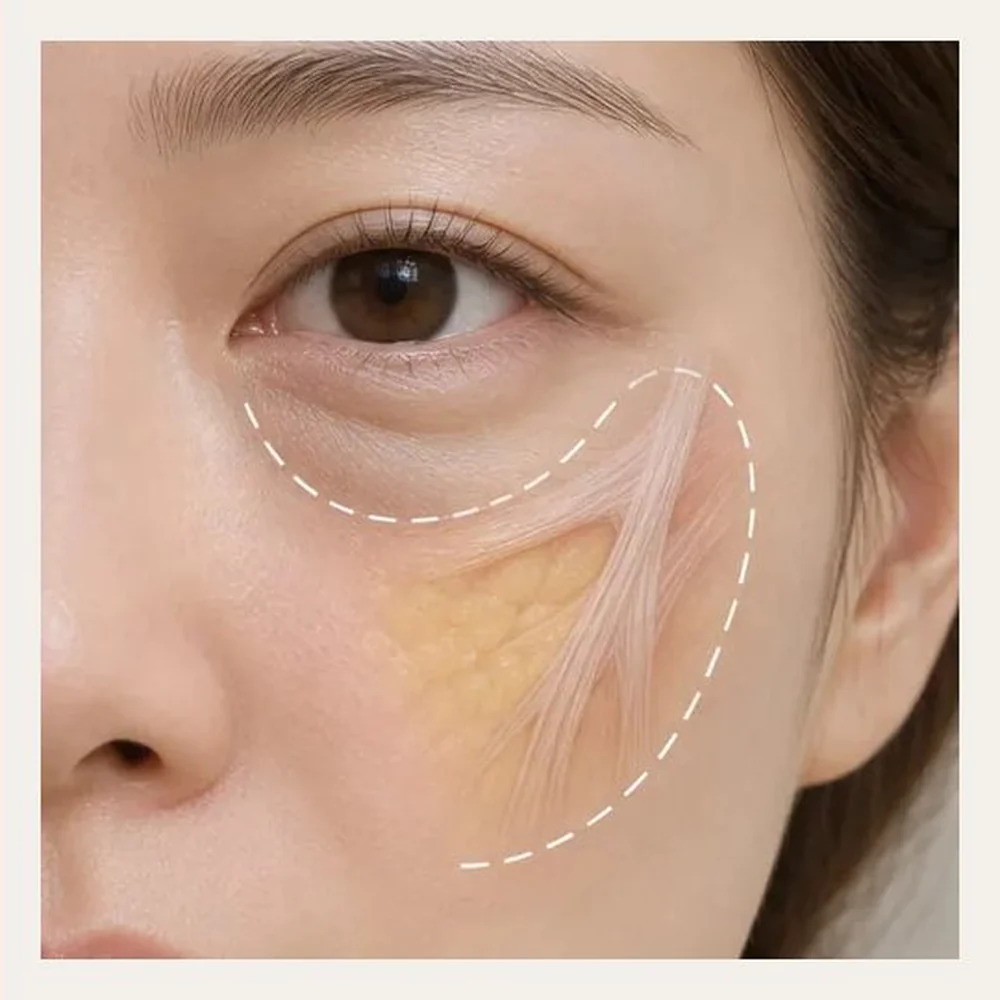
Under-Eye Fat Repositioning · Orbital Septum Revision Illustration

Revision surgery

Revision Under-Eye Fat Repositioning: Will Moving the Fat Again Resolve the Problem?

If the under-eye area becomes uneven or bulges again after fat repositioning, we explain why adhesions, the orbital septum, and cheek position need to be assessed separately before moving the fat again.

Read More →

Gynecomastia Gland Excision Illustration

Breasts

Gynecomastia surgery: Is liposuction alone enough?

An enlarged male chest may be caused by glandular tissue, fat, or both. We explain when liposuction alone may be enough, when glandular tissue removal is needed, and when identifying the cause should come before surgery.

Read More →

Deep Plane Facelift · Neck Lift Illustration

Skin Tightening

Facelift Scars: Where Are They, and How Visible Are They?

Facelift scars remain at the temples, around the ears, and along the rear hairline. We explain why tension on the wound and healing time affect scarring more than location.

Read More →

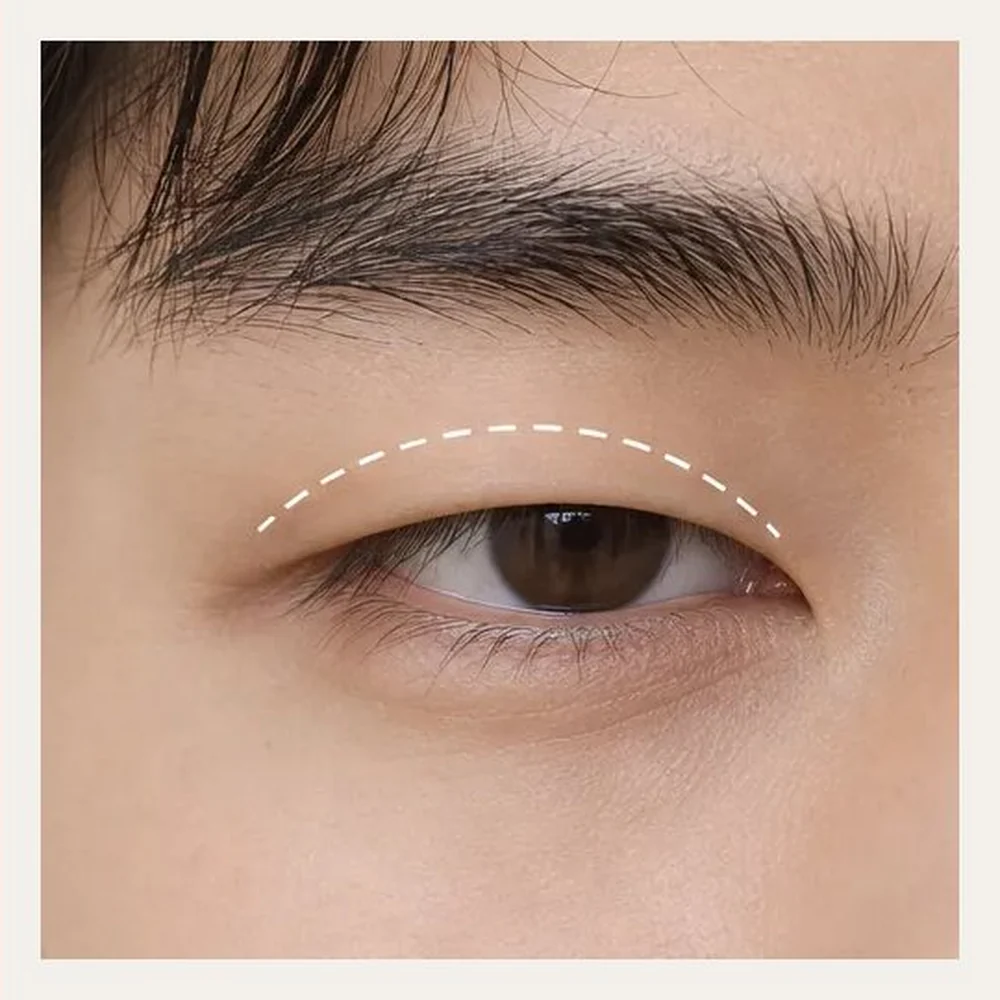
Ptosis · Ptosis Correction Illustration

Eyes

Ptosis Repair Without a Double Eyelid Crease: Can Eyelid-Opening Strength Be Corrected on Its Own?

Drawing on research, we explain whether eyelid opening strength can be improved while preserving monolids, what needs to be measured first, and why even a low crease is necessary.

Read More →

Breast implant removal and revision surgery illustration

Breasts

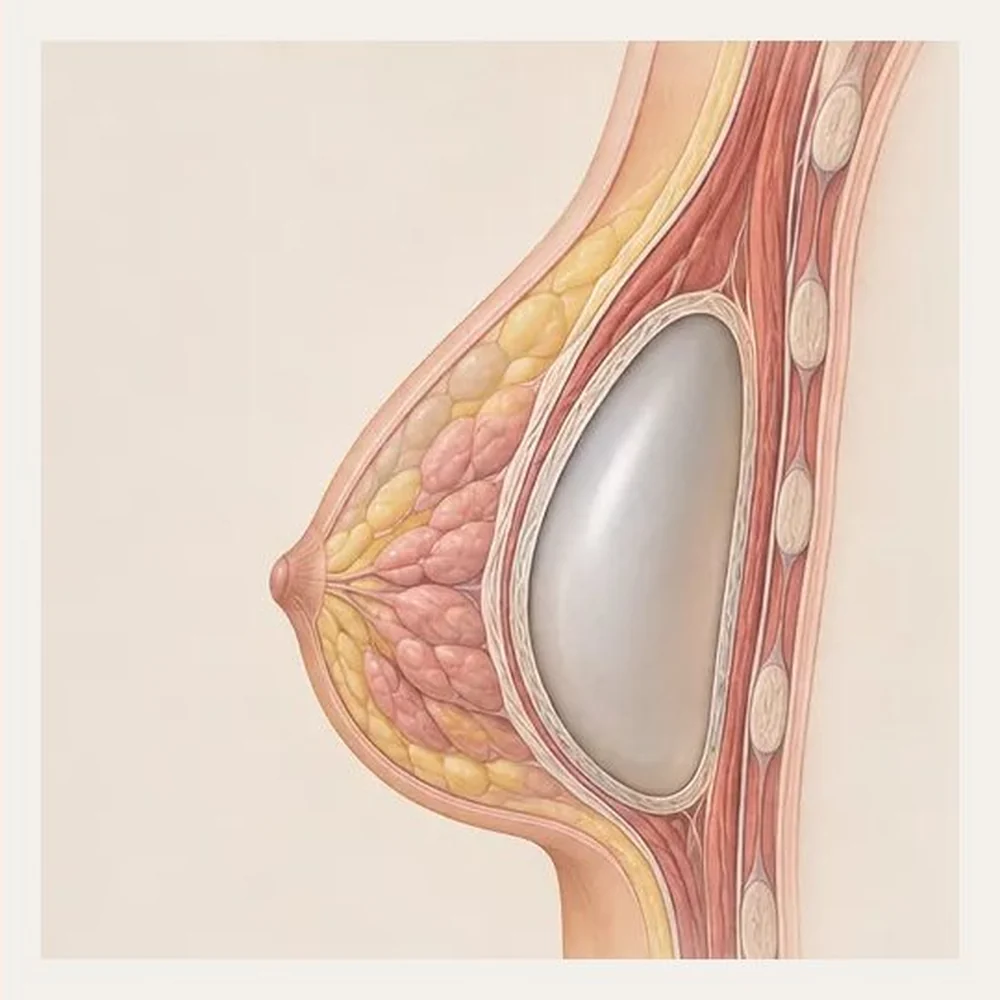
Breast Implant Removal: Is Removal All You Need?

Will your breasts return to their original state after implant removal? We explain how decisions are made about the extent of capsule removal, sagging and volume after removal, and whether to perform procedures together or in stages.

Read More →

Deep Plane Facelift · Neck Lift Illustration

Facelift

Sagging Buccal Fat: Should It Be Removed or Lifted?

Sagging buccal fat is often a problem of position rather than the amount of fat. We explain why it is necessary to identify which tissues have descended before removing fat.

Read More →

Lower Blepharoplasty · Midface Illustrations

Lower Blepharoplasty

Lower blepharoplasty scars: How visible will the incision below the eyelashes remain?

Scarring after lower eyelid surgery depends on whether and where an incision is made, as well as lower eyelid support. We explain when an external skin incision scar is left, when it is not, and how care changes over time.

Read More →

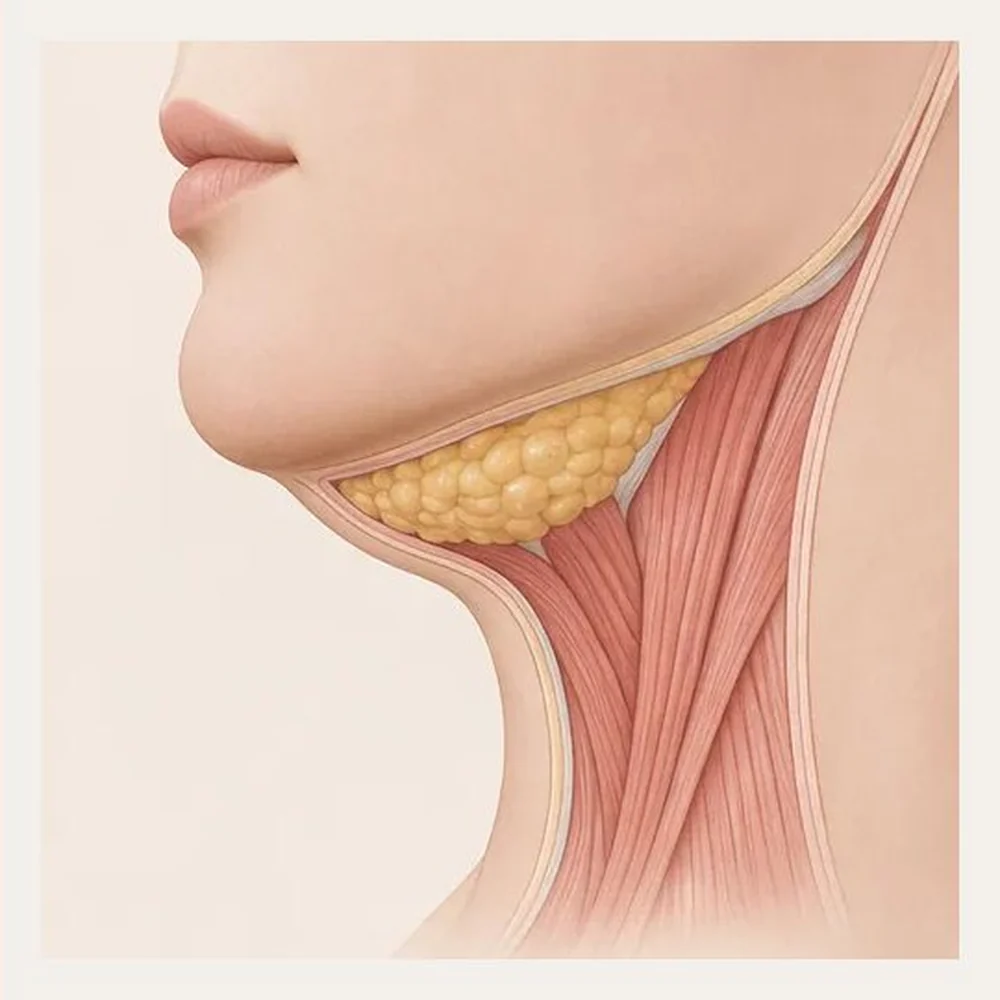
Double Chin Liposuction · Corset Platysmaplasty Illustration

Facelift

Double Chin Liposuction: Is Removing Fat Alone Enough to Define the Jawline?

What causes fullness under the chin: fat, separated platysma muscles, loose skin, or salivary glands? We explain when double chin liposuction is appropriate and when other approaches need to be considered.

Read More →

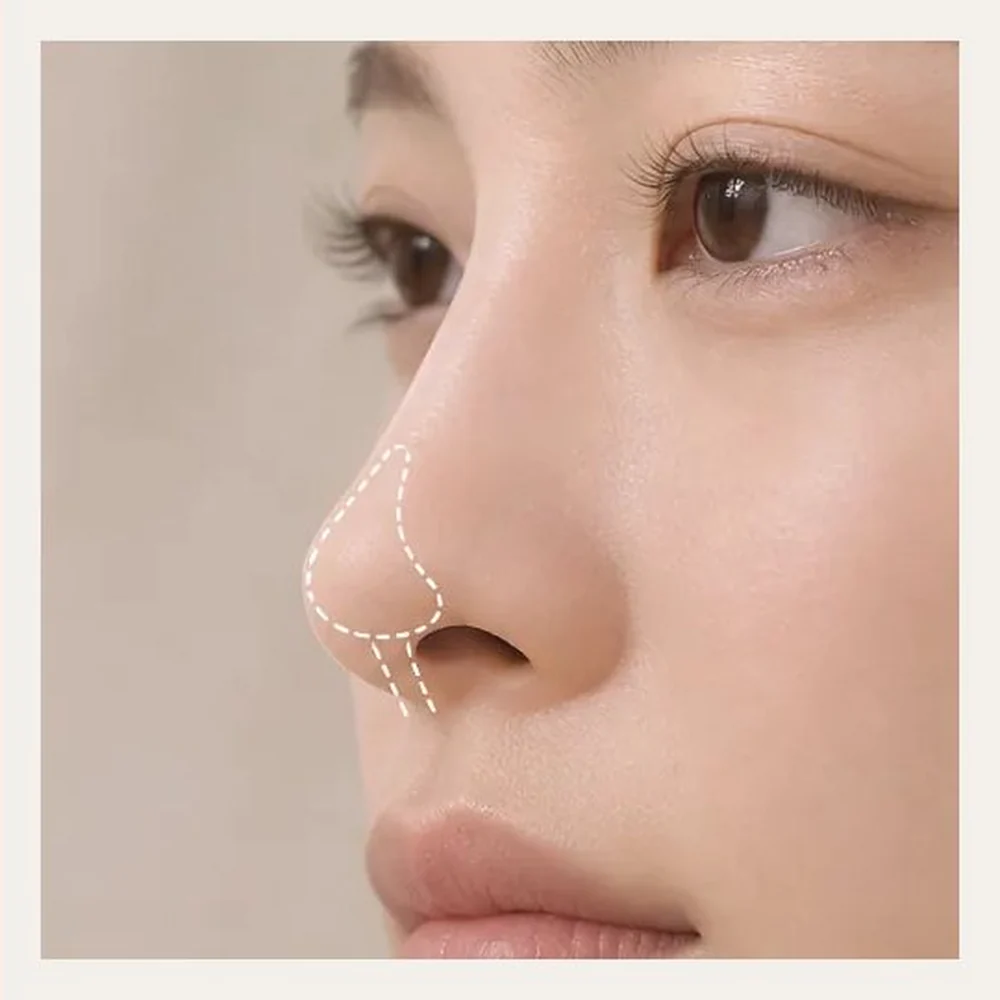
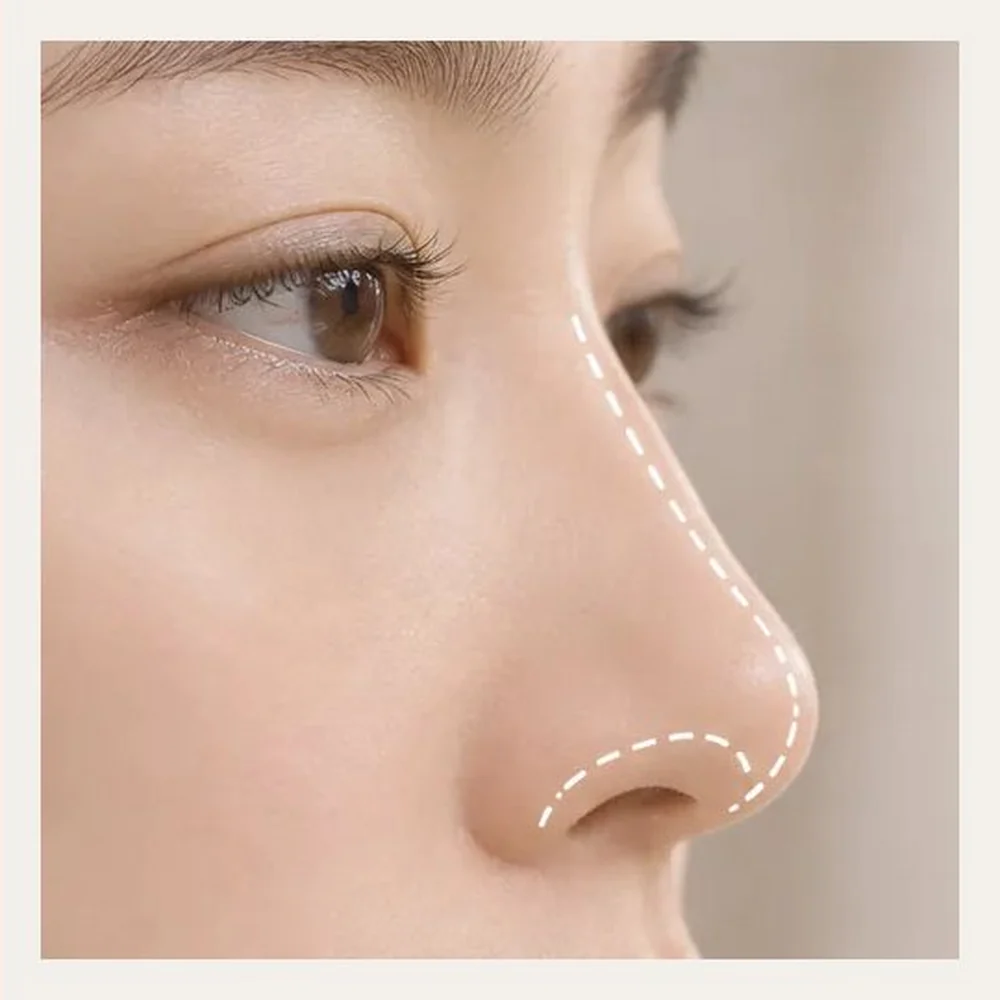
Nasal tip and columellar support correction illustration

Nose

Bulbous Tip Rhinoplasty: Can Cartilage Suturing Alone Refine the Tip?

A bulbous nasal tip may result from widely spread cartilage or thick skin. We explain why the extent of possible change depends on the cause.

Read More →

Re2O Illustration

Skin Tightening

Re2O vs. Rejuran: What Is the Difference, and How Do You Choose?

Re2O and Rejuran differ in what they are made from and what they are intended to address, rather than simply which is better. We explain their different categories and the criteria for choosing between them.

Read More →

Liposuction · Body Contouring Illustration

Body

Thigh Liposuction: Will I Gain Fat Elsewhere Afterward?

Will fat accumulate in the abdomen or arms after thigh liposuction? We explain what research does and does not show, and what to consider before and after surgery to maintain results.

Read More →

Midface Lift Illustration

Facelift

Nasolabial Fold Surgery: Does It Directly Smooth the Folds?

Nasolabial folds are boundaries formed by cheek tissue that has descended from above, rather than just lines themselves. We explain what surgery lifts and how much change may be possible.

Read More →

Men's eyelid surgery illustration

Eyes

Eyelid Surgery in Middle Age: Can Hooded Eyes Be Opened Up Without Looking Like You've Had Surgery?

Eyelid surgery in middle age focuses on hooding more than the crease. Following the consultation process, we explain monolid and low, partially hidden crease options to reduce visible signs of surgery, thick eyelids, and planning a return to work.

Read More →

Liposuction · Body Contouring Illustration

Body

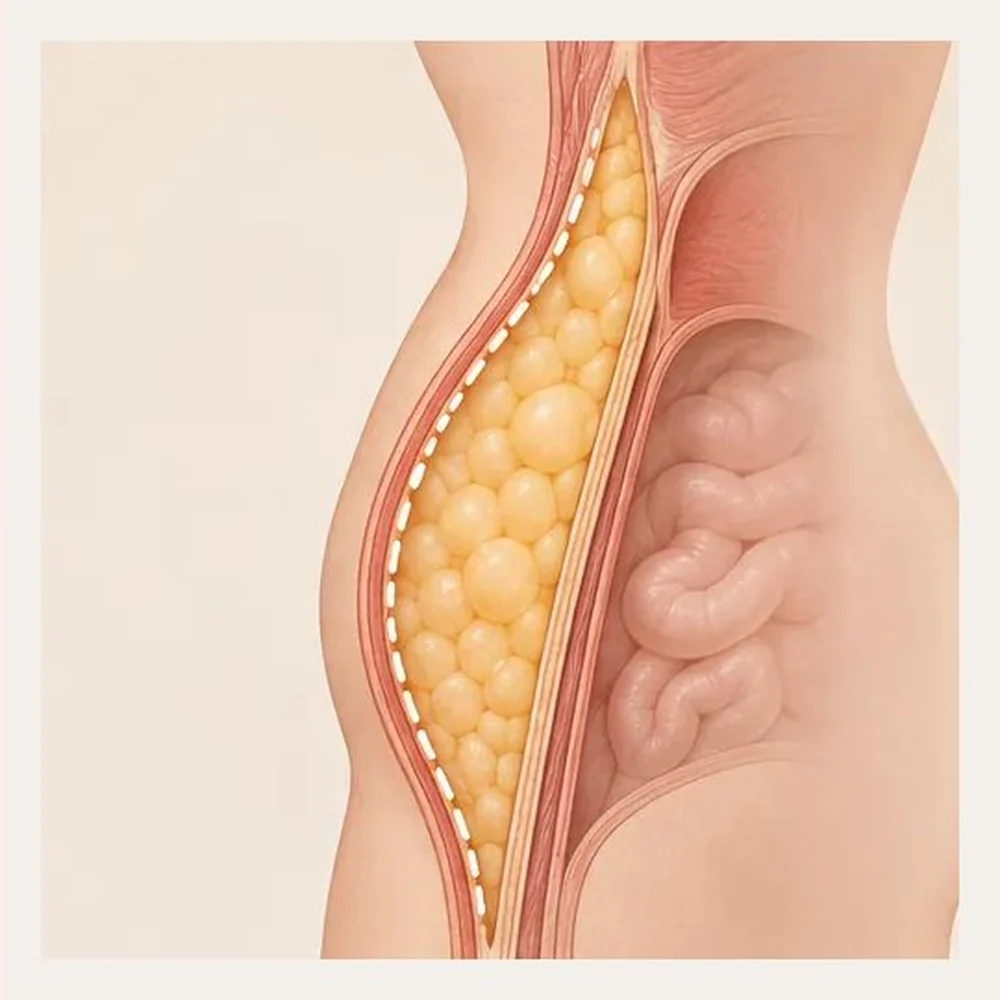
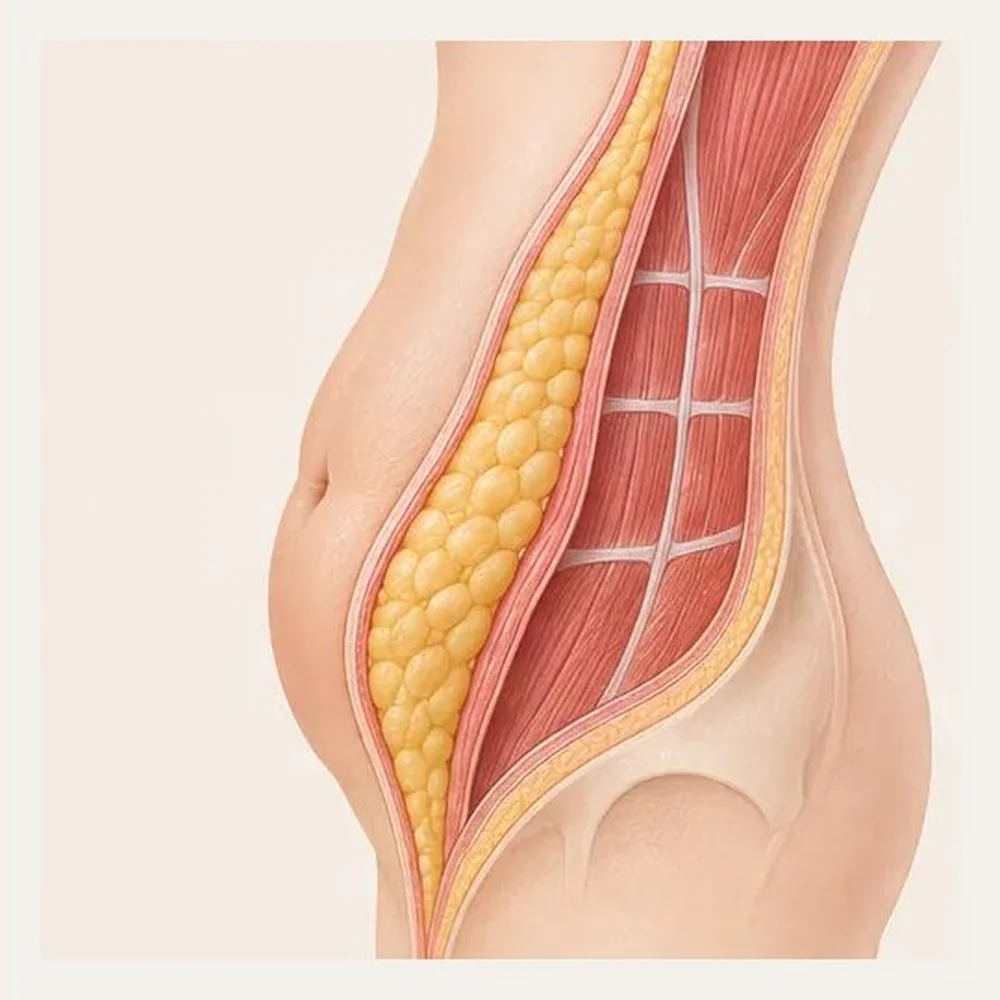
Abdominal Liposuction: Can It Fully Flatten a Protruding Abdomen?

What causes a protruding abdomen: subcutaneous fat, visceral fat, stretched skin, or separated abdominal muscles? We explain when abdominal liposuction is appropriate and when other approaches should come first.

Read More →

Illustration of rhinoplasty prioritizing your own tissue

Nose

Male Rhinoplasty: Will Adding Height Alone Look Unnatural?

The same principles apply to male rhinoplasty. Bridge height is limited by facial structure, and tip work starts with its support. We explain what is assessed first to avoid an unnatural appearance.

Read More →

Re2O Illustration

Skin Tightening

Re2O Results: When and How Will You Notice Them?

Re2O is a material used to replenish the dermis rather than add volume. We explain when changes begin to appear and who it is and is not suited for.

Read More →

Liposuction · Body Contouring Illustration

Body

Upper Arm Liposuction: Is Removing Fat Enough to Make Your Arms Slimmer?

Is removing upper arm fat enough to make the arms slimmer? We explain the proportions of fat and skin, why the full arm circumference is assessed, the possibility of sagging after liposuction, and recovery.

Read More →

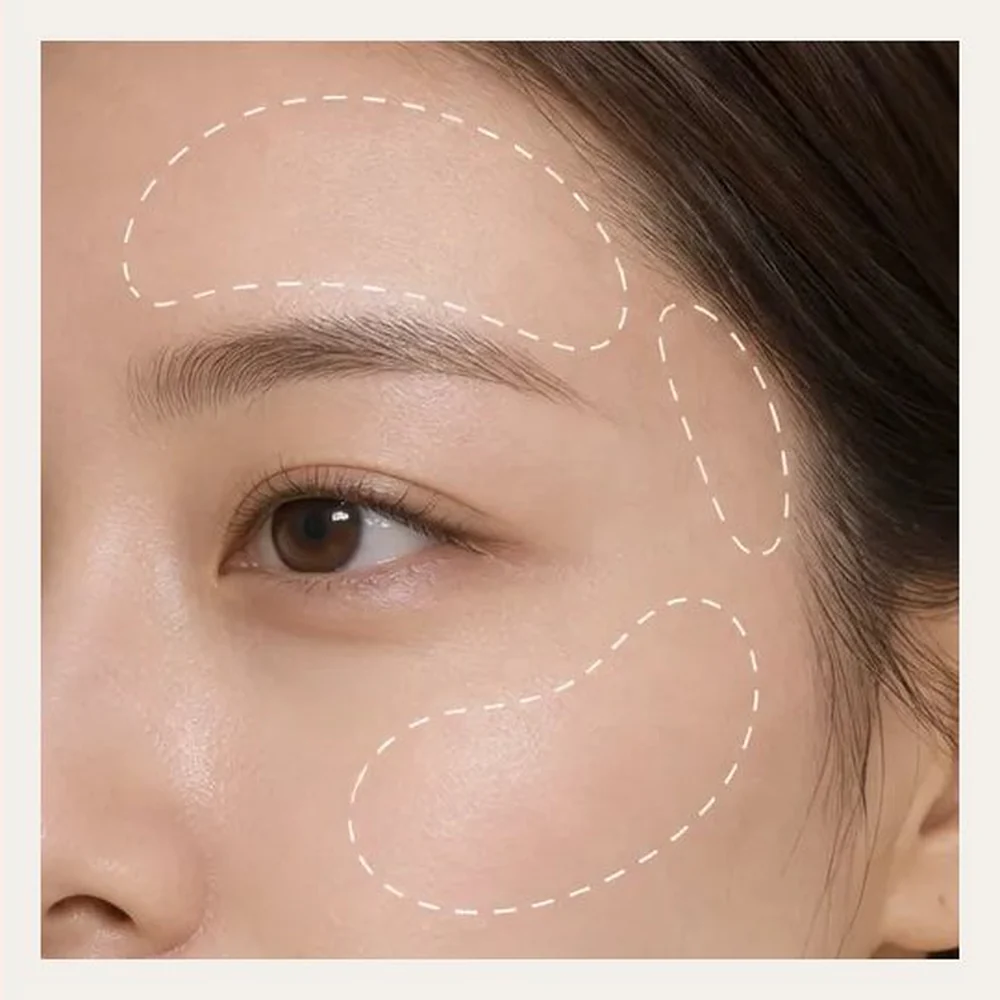
Microfat Grafting · Facial Volume Illustration

Facelift

Facial Fat Grafting: How Much Fat Remains?

Some of the fat transferred to the face is absorbed, and the amount that remains varies by person and treatment area. We distinguish between hollowness suited to fat grafting and hollowness that needs another treatment first.

Read More →

Marble sculpture with a short incision line marked in front of the ear

Facelift

Reviewed by the Surgeon
Mini Facelift: Is the Incision Really Short?

VITAL’s mini facelift differs in that the front incision does not extend into the scalp, while the incision behind the ear and the operating time are similar to those of a facelift. We outline suitable cases and other options using the surgeon’s answers and research papers.

Read More →

Marble sculpture with the lower eyelid and tear trough marked

Lower Blepharoplasty

Reviewed by the Surgeon
Under-Eye Fat Repositioning and Lower Eyelid Surgery: Why Fat Alone Should Not Guide Your Choice

Under-eye bags are not simply a matter of fat volume. Drawing on research papers, we explain why the membrane supporting the fat, the under-eye groove, excess skin, and lower eyelid support need to be assessed together.

Read More →

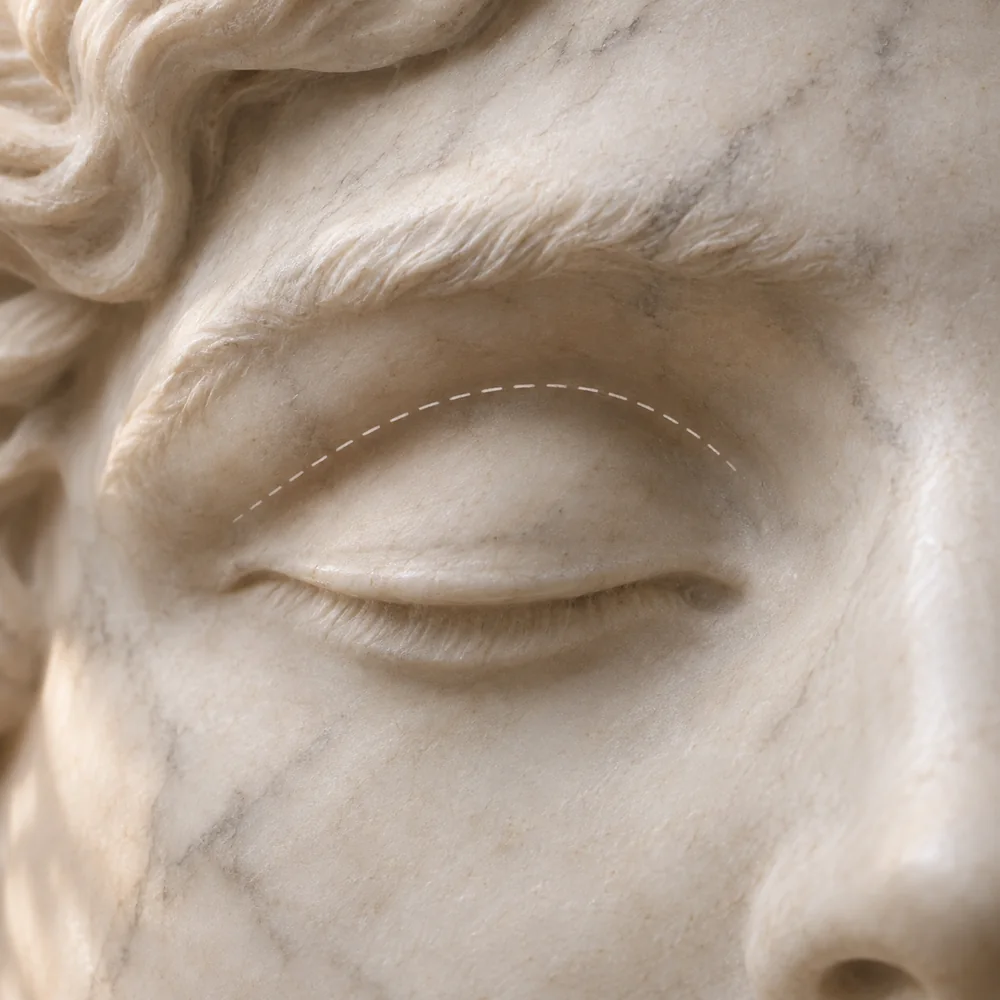
Marble sculpture with the eyebrow and eyelid crease marked

Eyes

Reviewed by the Surgeon
Hollow Eyes: What to Check Before Adding Volume

Hollow-looking upper eyelids do not always indicate a lack of volume. We explain why eyelid opening strength, brow position, and signs of previous surgery need to be assessed first, along with the differences between fat grafting, fillers, and ptosis correction.

Read More →

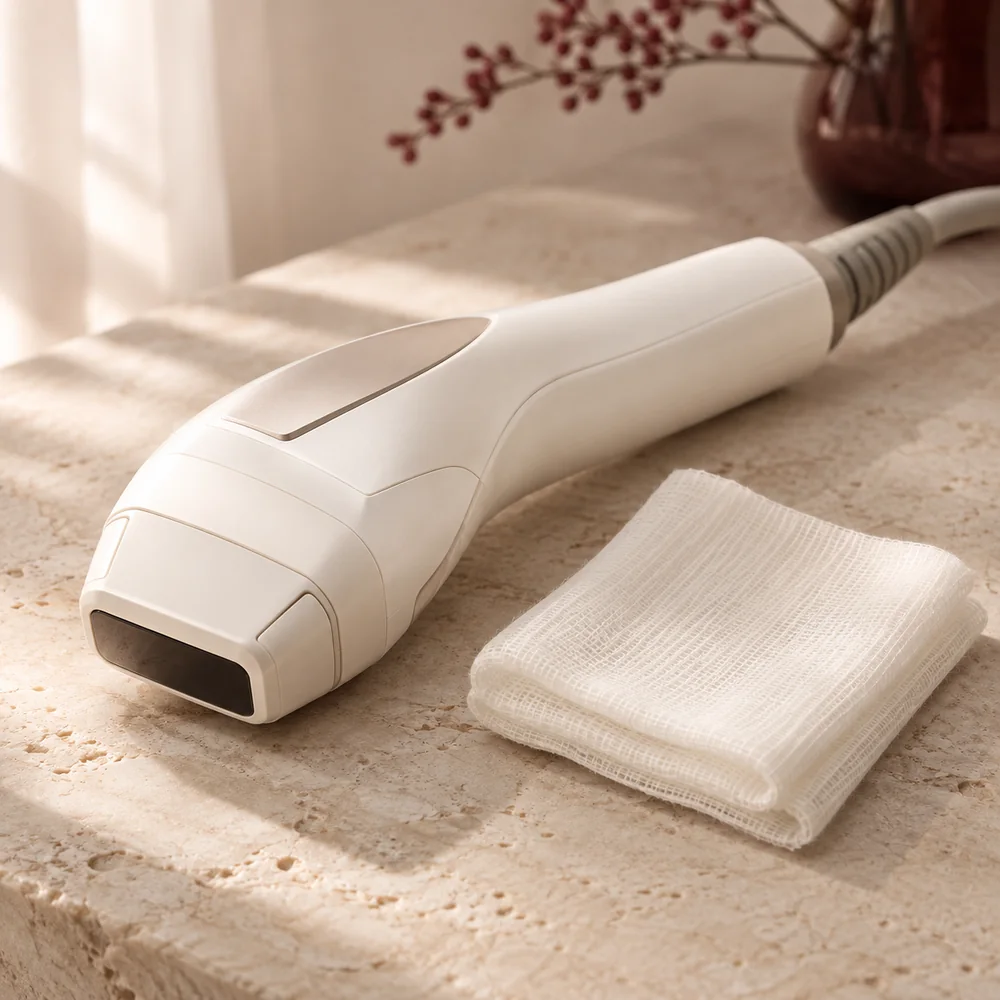
Skin tightening device handpiece and gauze

Skin Tightening

Reviewed by the Surgeon
Skin-Tightening Devices and Shot Counts: What to Look for in the Research

We outline what to consider before shot counts when choosing among Ultherapy PRIME, Thermage FLX, ONDA, XERF, and InMode. We explain the causes of sagging, the tissue layers each device reaches, and the limitations of the research.

Read More →

Hourglass and folded linen

Revision surgery

Reviewed by the Surgeon
Revision Surgery: A Faster Decision Is Not Always the Right One

Drawing on research, we explain when tissue becomes firm, which symptoms should not wait, and how previous surgical records and remaining tissue help determine the timing of revision surgery.

Read More →

Two marble stones on a small balance scale

Consultation

Reviewed by the Surgeon
Ask about both achievable changes and limitations during your consultation

We outline the limitations, risks, and recovery requirements to ask about alongside your desired changes. We explain how to compare your options, including choosing not to have surgery.

Read More →

VITAL Plastic Surgery Recovery Room

Recovery

Reviewed by the Surgeon
What It Means to Follow Recovery for a Year After Surgery

This means tracking how scars and tissues settle over time, rather than focusing on the day swelling subsides. We outline what to assess from 1 week to 1 year.

Read More →

Marble sculpture with the hollow upper eyelid area marked

Eyes

Reviewed by the Surgeon
Hollow Upper Eyelids: What to Assess Before Adding Volume

We explain how eyebrow position, eyelid-opening strength, skin condition, and volume are assessed separately before fat grafting or fillers.

Read More →

Marble sculpture with the drooping upper eyelid contour marked

Eyes

Reviewed by the Surgeon
Do Sleepy-Looking Eyes Always Mean Ptosis?

We explain how eyebrow position and measurements help distinguish excess eyelid skin from reduced eyelid-opening strength.

Read More →

Marble sculpture with the under-eye tear trough marked

Lower Blepharoplasty

Reviewed by the Surgeon
Lower Blepharoplasty vs. Fat Repositioning: What's the Difference?

We explain why under-eye fat, tear troughs, excess skin, lower eyelid support, and cheek position are evaluated as one structure.

Read More →

A marble sculpture with the area of under-eye bulging marked

Lower Blepharoplasty

Reviewed by the Surgeon
Does Every Under-Eye Bulge Need Fat Repositioning?

We explain the relationship between visible fat bulges and hollow areas, and why the skin and cheek support structures also need to be assessed.

Read More →

Marble sculpture with a line connecting the under-eye area and cheek marked

Midface

Reviewed by the Surgeon
Why We Assess the Under-Eye Area and Cheeks Together

Sometimes, evaluating the under-eye area alone is not enough. We explain why the under-eye area and cheeks (midface) are assessed together, and when a midface lift may also be considered.

Read More →

VITAL Plastic Surgery Consultation Room

Revision surgery

Reviewed by the Surgeon
Is It Okay to Decide on Revision Surgery Now?

We explain why we review previous surgical records, current eyelid function and tissue condition, and the time needed for recovery.

Read More →

Marble sculpture with the nasal bridge contour marked

Nose

Reviewed by the Surgeon
Why You Wouldn't Put Ulsanbawi Rock on a Thatched Cottage

We first assess the structures supporting the nose, prioritize your own tissue when feasible, and also consider implants when needed.

Read More →

Marble sculpture with the area beneath the jawline marked

Facelift

Reviewed by the Surgeon
Why Preserve the Salivary Glands Under the Chin?

We determine the extent of correction by assessing excess neck skin, the platysma muscle, fat under the chin, and skeletal structure separately, while preserving the submandibular glands whenever possible.

Read More →

Towel, eye drops, and cooling eye pads

Eye Care

Reviewed by the Surgeon
The Vicious Cycle of Rubbing Your Eyes

We assess changes in wounds and tissues at 1 week, 1 month, 6 months, and 1 year after surgery, and provide guidance on recovery care as needed.

Read More →

More articlesVITAL Plastic Surgery Medical Articles

QUICK ANSWERS

A One-Line Answer First

No. We measure the upper eyelid position (MRD1). If it is within the normal range, removing excess skin alone may be appropriate.

Read more →

Q

If I have under-eye bags, is removing fat enough?

Removing fat alone may leave the skin looser, so we assess the skin, cheeks, and support structures together.

Read more →

Q

Are the salivary glands under the chin also removed?

We try to preserve them in most cases. When treatment is needed, we consider nonsurgical options first.

Read more →

Q

Is fall a better time for surgery?

With proper disinfection, the season makes little difference.

Q & A · MEDICAL COLUMN

Start with your questions,
and build your understanding step by step.

Before focusing on procedure names, explore which features of your face need to be assessed. Any questions that remain as you read can be saved to help you prepare for your consultation.

Staged image of an open book and reference materials
Staged image illustrating the care process · Not an actual patient photo

SELECTED QUESTION 01 / 03

Q

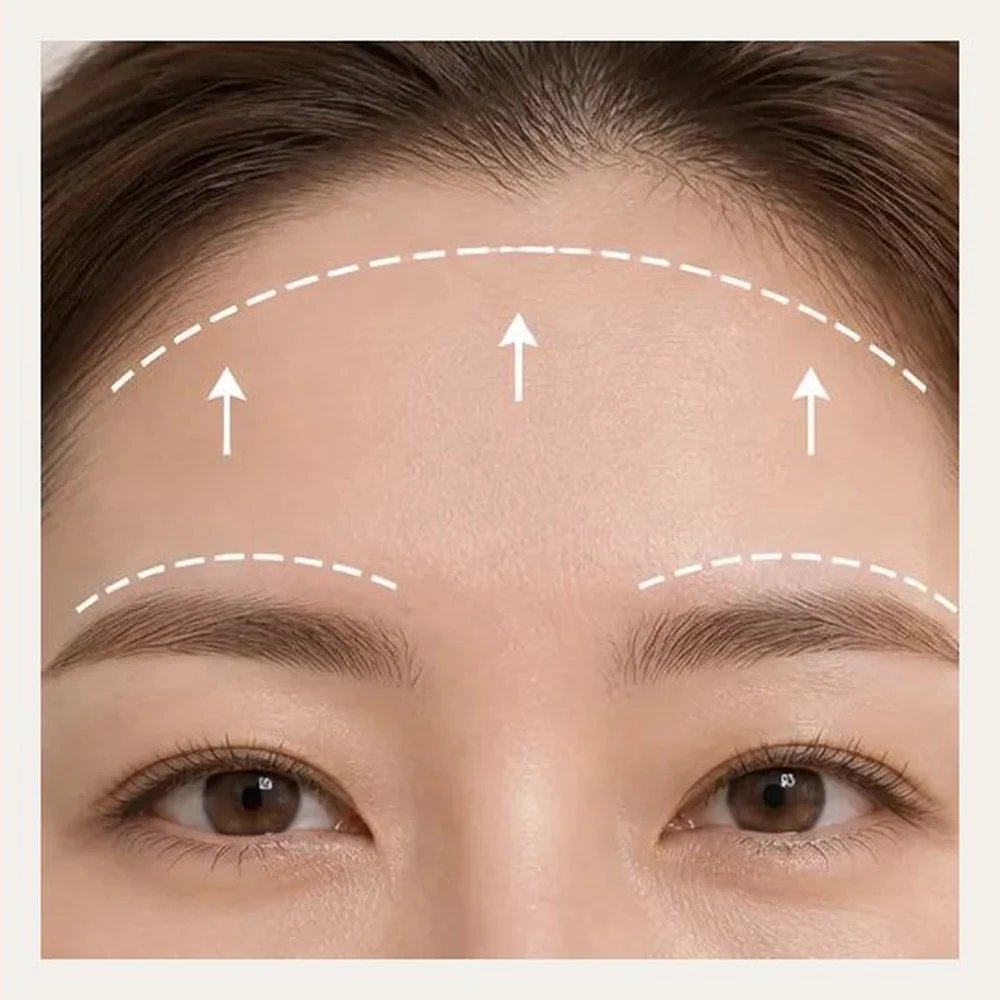
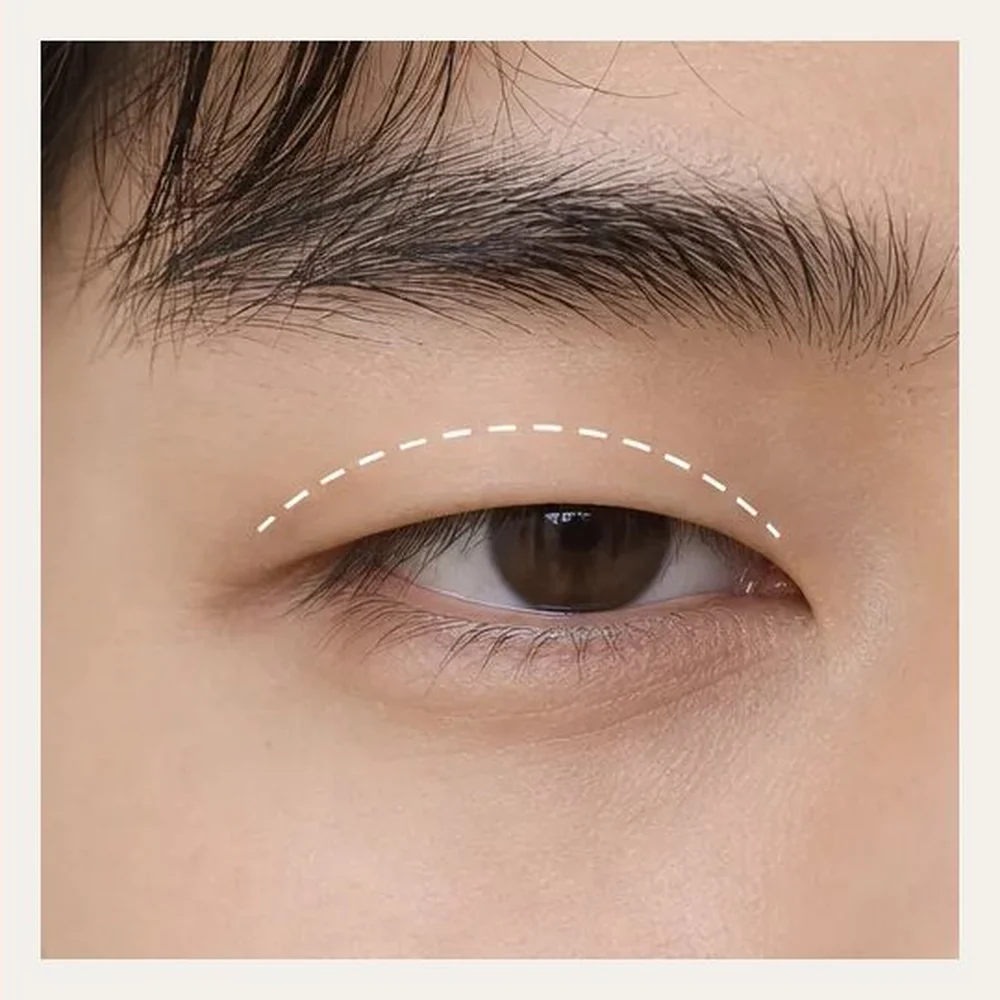
Hollow Eyes: What Do We Assess Before Adding Volume?

A

We first assess the reasons for apparent volume loss, eyelid-opening function, and eyebrow position separately.
Read the Assessment Criteria and Limitations

This information is intended to support general understanding. Individual assessments require an examination and consultation.

Questions to Read Next

Your selections and read status are saved only in this tab. No names, contact details, or medical histories are entered or transmitted.

RESERVATION

You do not need to decide the day of your consultation.

Organize questions about this page without entering your name, contact information, or medical history. This does not submit an appointment request.

VITAL Plastic Surgery · Medical Director Dr. Hyungwoo Yim · Business Registration No. 710-44-01279 · Address: 3rd Floor, 867 Nonhyeon-ro, Gangnam-gu, Seoul · Tel +82-2-2138-0188
Hours: Mon, Tue, Thu, Fri 10:00 AM–7:00 PM · Sat 10:00 AM–4:00 PM · Closed Wednesdays, Sundays and public holidays

Privacy Policy | Terms of Use | Fees for Non-Covered Services

© 2026 VITAL PLASTIC SURGERY. All Rights Reserved.

About VITAL Meet the Doctor Signature Procedures All Treatments Lasting Care Articles · Q&A Appointments · Directions

VITAL
Consultation InformationProceduresBack to Top