PLASTIC SURGERY
MEDICAL COLUMN
Questions Answered Directly by the Doctor Before You Decide on Surgery
Facelift
Articles
Facial Fat Grafting: How Much Fat Remains?
Some of the injected fat is absorbed, and how much remains varies by person, treatment area, and measurement method. An analysis of 27 facial fat grafting studies involving 1,011 patients found a wide range of retained volume, from 26–83%, with an average of about 47%.
Medically reviewed by Dr. Hyungwoo Yim, Medical Director (Board-Certified Plastic Surgeon) · Published November 1, 2026 · Last reviewed November 11, 2026
SHORT ANSWER
First, the Short Answer
- Some of the injected fat is absorbed, and how much remains varies by person, treatment area, and measurement method. An analysis of 27 facial fat grafting studies involving 1,011 patients found a wide range of retained volume, from 26–83%, with an average of about 47%1.
- For this reason, VITAL Plastic Surgery uses a thin cannula to place small amounts across multiple layers, rather than injecting the entire desired volume at once. After several months, once the tissue has settled, we assess the remaining volume and discuss whether additional grafting is needed. We view fat grafting as a way to replace tissue where it is truly lacking. For hollowing caused by sagging tissue or weak eyelid-opening function, we consider other treatments first.
- VITAL Plastic Surgery first assesses the cause of hollowing, the available skin and tissue, previous fat grafting, and tissue condition.
“Doesn't all the injected fat eventually disappear after facial fat grafting?”
This is a paraphrase of a question we often hear during consultations.
To answer this question, we first need to distinguish where your current concern comes from. We will explain each point below, then return to the original question at the end.
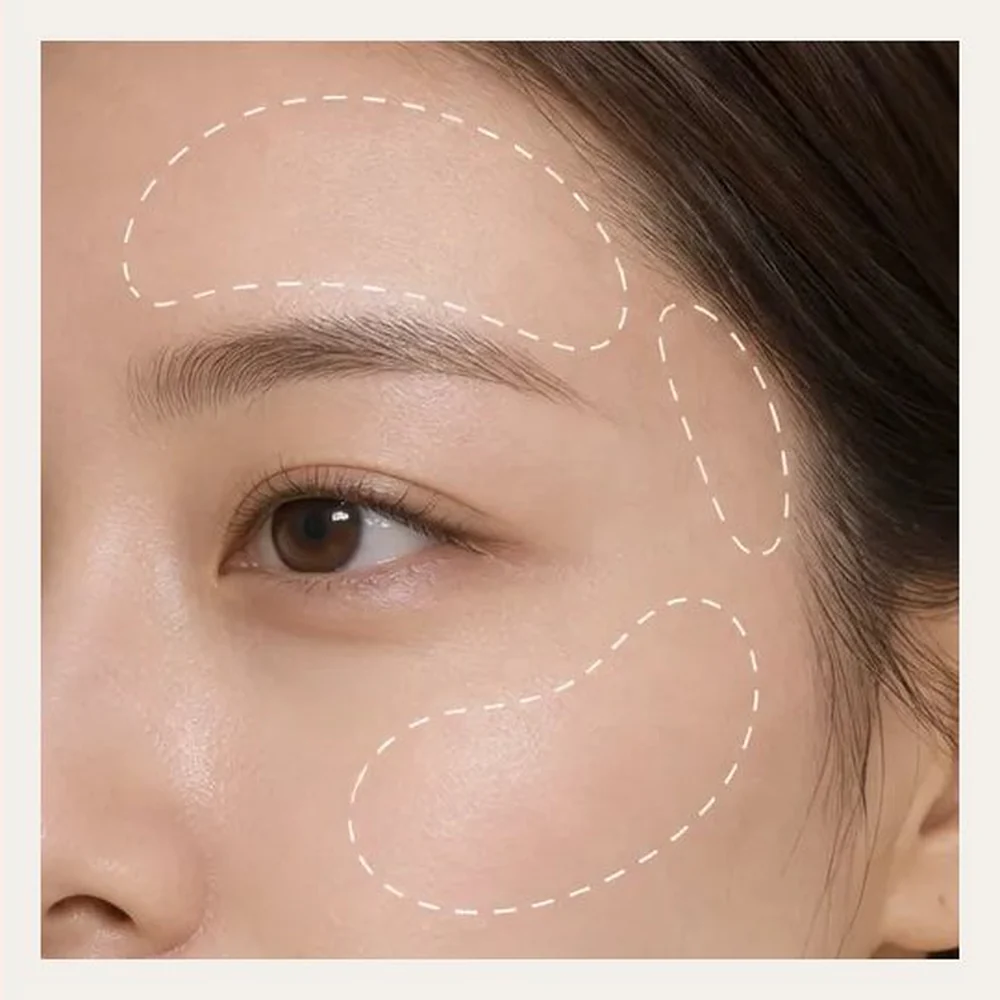
01What is facial fat grafting?
Answer This surgery harvests and purifies your own fat, then places it in small amounts in hollow areas to restore volume.
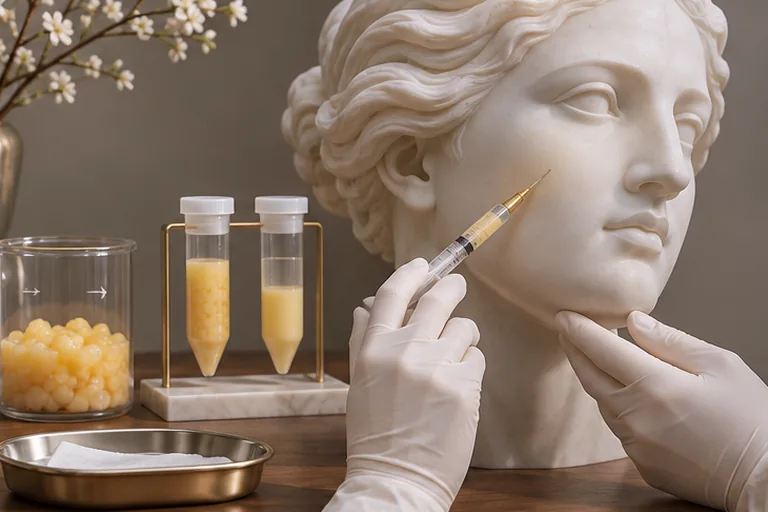
For microfat grafting at VITAL Plastic Surgery, fat is harvested from areas such as the abdomen or thighs, purified, and placed in small amounts across multiple layers of hollow areas through small entry points. We recommend a consultation if you have visible volume loss in areas such as the cheeks, temples, or forehead, want to address hollowing that remains after a lift, or prefer to add volume with your own tissue rather than foreign materials.
The process by which injected fat develops a blood supply and establishes itself is called graft survival. Survival varies by person and area, and some fat is absorbed. Nanofat, which is processed into smaller particles, is used to improve texture in thin areas rather than add volume. Areas where tissue has thinned, such as neck creases or the backs of the hands, can also be discussed during consultation.
Changes in facial bone, fat, supporting tissues, and skin occur together, and the main concern differs by area. At VITAL Plastic Surgery, we therefore assess the position of sagging structures, the amount of missing volume, and skin quality separately. We view fat grafting as a material for areas where volume is lacking.
- When areas such as the cheeks, temples, or forehead appear hollow due to an actual volume deficit
- When upper eyelid hollowing remains after correcting eyelid-opening strength
- When you want to address hollowing that remains after a lift
- When you prefer to restore volume with your own tissue rather than a foreign material
- When you are concerned about areas where tissue has thinned, such as neck lines or the backs of the hands
In Simple Terms It is similar to transplanting seedlings. Seedlings need their roots to touch the soil to survive. If several are crowded into one hole, those in the middle cannot reach the soil and wilt. That is why they are planted in small groups in different spots, with empty areas replanted after the seedlings take root. From the start, we also recognize that not every seedling will survive. And if a flowerpot is tilted and the soil has shifted to one side, the first step is to straighten the pot before adding more soil. Fat grafting similarly places small amounts in hollow areas, and if the face is sagging, lifting comes first.
So how much of the injected fat remains?
02How much of the injected fat remains?
Answer Results vary widely across studies, with about half the volume reported to remain on average.

A meta-analysis of 27 studies involving 1,011 patients that objectively measured volume after facial fat grafting found substantial variation between studies: retained volume ranged from 26–83%, with a pooled average of about 47%1. Follow-up ranged from 3–24 months, and reported figures varied considerably depending on how volume was measured. The authors concluded that the exact amount of fat that will remain after facial fat grafting still cannot be predicted.
The same analysis found a tendency toward greater retention after a second grafting procedure or in patients with congenital deformities, and complications were reported in 2.8% of patients overall1. However, these averages combine multiple studies and cannot directly predict an individual's results.
VITAL Plastic Surgery explains the procedure on the same basis. Some fat may be absorbed, and the amount varies from person to person. Because the tissue takes several months to settle after surgery, we assess the remaining volume afterward and discuss whether additional grafting is needed. We do not try to address the concern by injecting a large amount from the outset.
It helps to interpret the numbers this way: “about half remains” describes an average. Some people retain more, and others retain less. Discussing the treatment areas, the amount to be injected, and the possibility of a second grafting procedure during the initial consultation can help reduce disappointment after surgery.
Then why not inject a large amount at once?
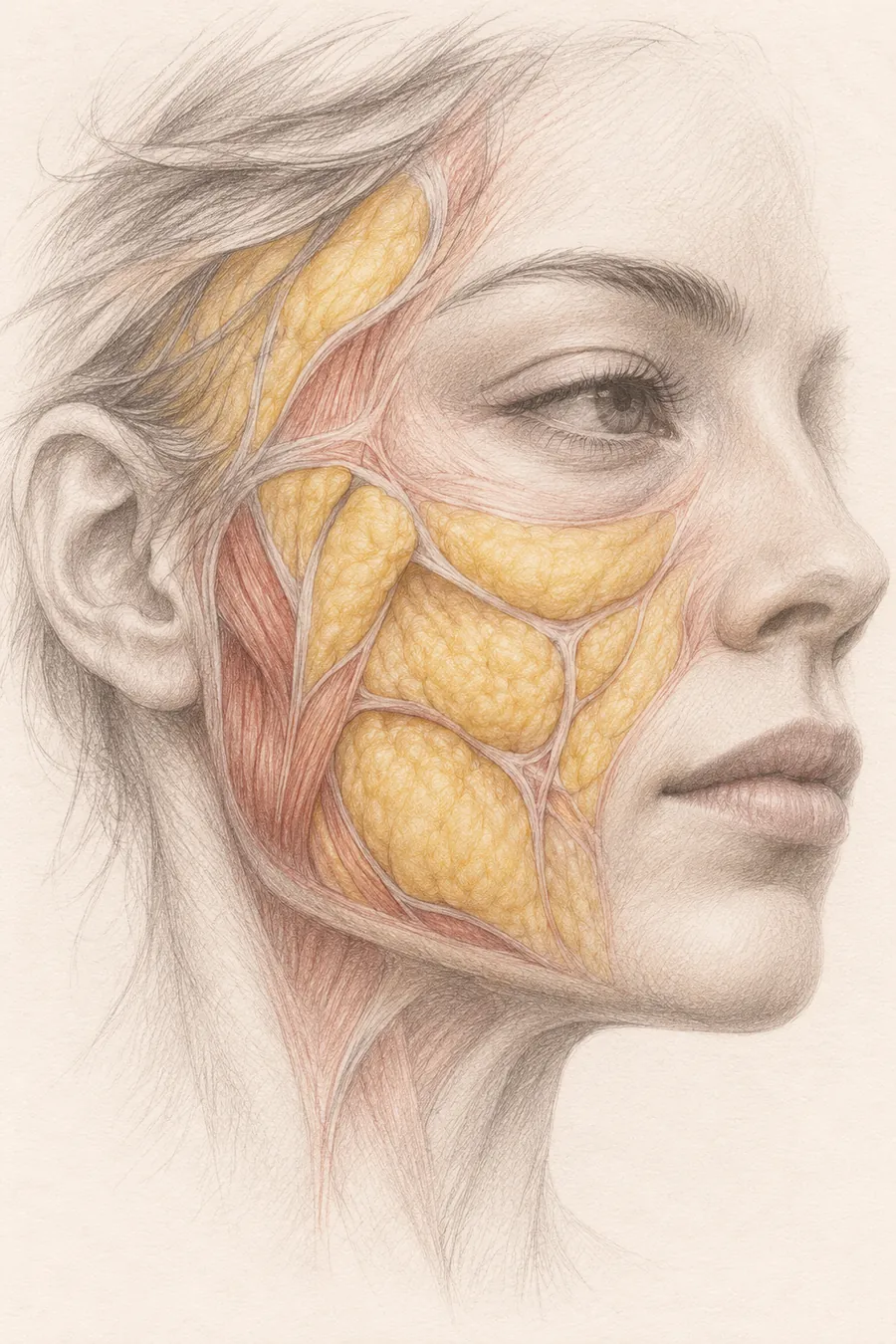
03Why not inject a large amount at once?
Answer Injected fat needs blood vessels to grow into it to survive. When fat is placed in a clump, blood vessels have difficulty reaching the center.
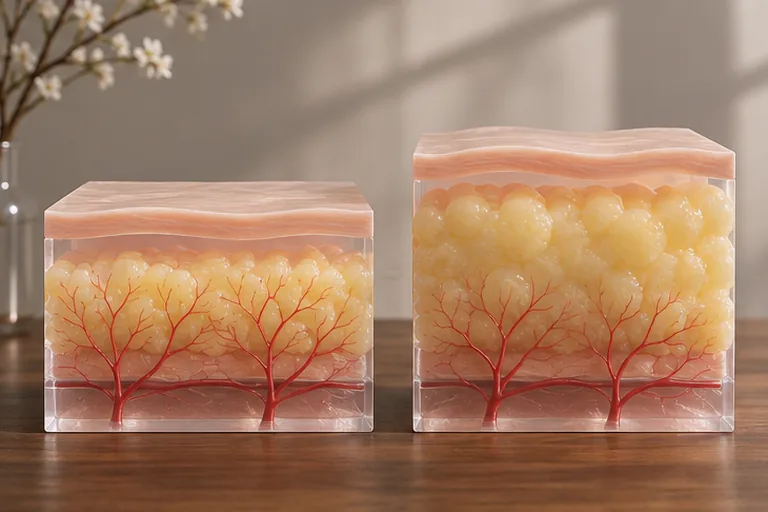
Any tissue needs blood vessels to grow into it to become stably established. If fat is injected as a ball-like clump, blood vessels have difficulty reaching the center, which can increase the risk of inflammation and infection. VITAL Plastic Surgery therefore uses a thin cannula to place small amounts across multiple layers and directions. This is why we assess graft survival before considering additional grafting, rather than injecting the entire desired volume at once.
We also explain the possibility of surface irregularities in advance. Lumps may be felt or seen more easily where the skin is thin, especially around the eyes. If previous fat grafts look uneven, we first distinguish between retained fat and tissue adhesions. Because lumps are more visible under thin skin, placing small amounts across multiple layers with a thin cannula is especially important in these areas.
Ultimately, both the retained volume and surface contour depend on where the fat is placed, in which layers, and in what amounts, more than on the total amount injected. That is why we do not promise a specific injection volume at the start of the consultation. Instead, we plan the procedure by marking the hollow areas and the amounts to be injected while you are seated.
- Mark the hollow areas and planned injection amounts while seated
- Harvest and purify fat from areas such as the abdomen or thighs
- Place small amounts across multiple layers through small entry points
- Close the small entry points and reassess the remaining volume after several months
So what types of hollowing are suited to fat grafting?
04What types of hollowing are suited to fat grafting?
Answer Fat grafting is suited to hollowing caused by an actual lack of soft tissue volume. If the issue involves tissue position or function, we assess that first.
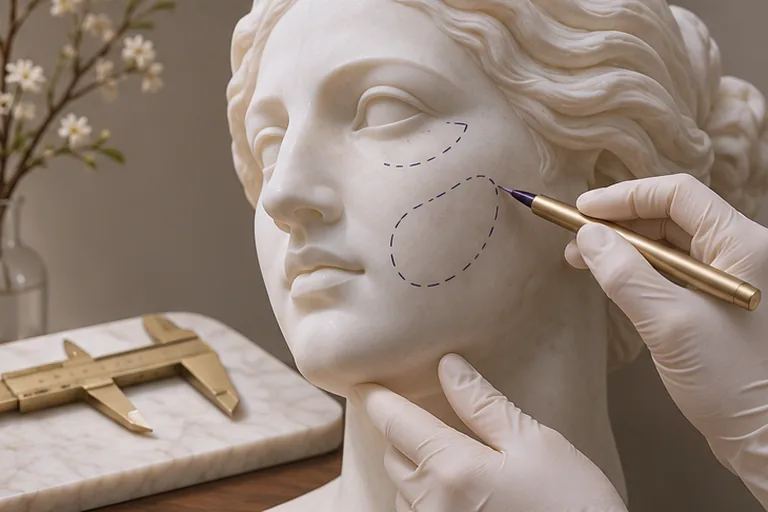
Filling an area where tissue has descended with fat can make the face look heavy. When sagging and hollowing occur together, we mark them separately, first lift and secure the sagging tissue, then reassess the remaining hollowing and place small amounts of fat only where needed.
Upper eyelid hollowing needs a separate assessment. At VITAL Plastic Surgery, we consider many cases of upper eyelid hollowing to result from weak eyelid-opening function that causes structures inside the eyelid to roll upward, rather than from a lack of volume. Adding fat alone in these cases can make the eyelids heavier, make opening the eyes more difficult, and leave a sleepy appearance. We therefore measure eyelid-opening strength first and, if needed, correct eyelid position before reassessing volume.
The sequence also matters when planning a lift and fat grafting together. Lifting sagging tissue first returns some areas that appeared hollow to their proper position, leaving only the areas that are still lacking volume. Adding only the amount needed in those areas helps keep the face from looking heavy.
| Type of hollowing | How it looks | First steps |
|---|---|---|
| Volume loss in the cheeks, temples, or forehead | Visible bony contours and shadowing | Add small amounts of fat across multiple layers |
| Upper eyelid hollowing | Sunken-looking eyes and a sleepy appearance | Check eyelid-opening strength; correct eyelid position first if needed |
| Sagging and hollowing together | Sagging below and a hollow appearance above | Lift sagging tissue first, then reassess remaining hollowing |
| Thin skin with many fine lines | Adequate volume, but thin-looking skin | Consider dermal supplementation, such as Re2O, first |
| Previously injected filler remains | Palpable lumps or edges | First assess the location and condition of the remaining material |
So what are the risks of facial fat grafting?
05What are the risks of facial fat grafting?
Answer Risks include absorption, nodules, asymmetry, and infection, as well as fat embolism, a rare but serious risk.

Before surgery, VITAL Plastic Surgery explains the risks of fat resorption, nodules, asymmetry, infection, and rare but serious fat embolism. A fat embolism occurs when injected fat blocks a blood vessel. Because the consequences can be severe, prevention is especially important. Areas with remaining filler are evaluated before fat is injected, with ultrasound used when needed to assess its location and distribution.
A systematic review of cases of blood vessel blockage after facial fat grafting, collected from conference reports and published literature, included 61 patients2. The glabella (between the eyebrows) and multiple injection sites were the most common locations, each accounting for 26.2%, followed by the temples at 16.4% and the forehead at 14.8%. All 26 patients with ophthalmic artery occlusion had permanent vision loss, and 6 patients died. These numbers come from reported cases and do not indicate how often these complications occur, but they show why it is necessary to understand higher-risk areas and warning signs.
It also helps to understand that discussing risks is not meant to frighten you. We explain them before surgery so you can contact us promptly if symptoms develop and so we can consider together whether the benefits of treating a higher-risk area justify the risks.
If you experience any of the following symptoms after surgery, contact us immediately without waiting for your scheduled appointment. This is not a complete list of possible risks. Risks may vary depending on your health, previous treatments, and the extent of treatment.
- Sudden severe pain
- Decreased vision or an obstruction in your field of vision
- Bleeding that does not stop
- Rapidly worsening swelling on one side
How does it differ from fillers, Re2O, and PRP?
06How does it differ from fillers, Re2O, and PRP?
Answer The purpose differs depending on whether the material adds volume or replenishes the skin’s structural foundation.
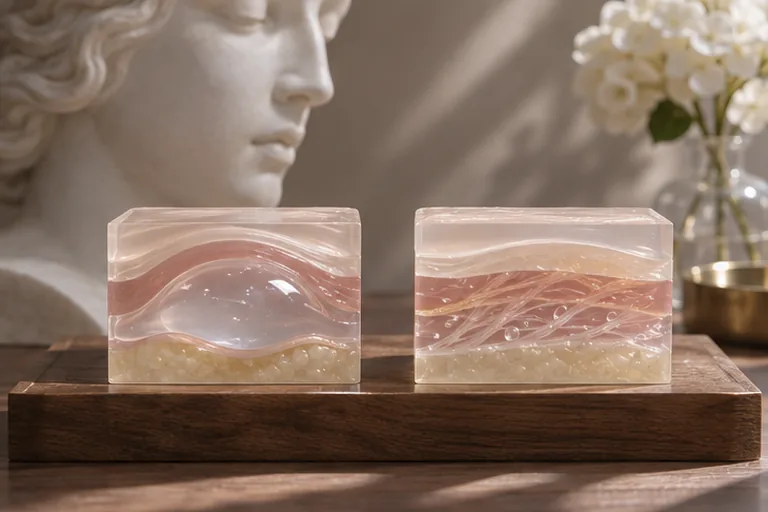
Hyaluronic acid fillers are injectable materials that add shape and volume, while fat grafting is surgery that transfers your own tissue so it can establish a blood supply and settle into place. Fillers can rarely cause vascular complications and vision damage, so the treatment area and safe technique matter. The choice depends on how much volume is missing, where it is needed, and your recovery schedule.
Re2O is a treatment that replenishes the dermis with human-derived extracellular matrix powder, so it is not used as a volume replacement like fat grafting. If volume is adequate but the skin is thin with many fine lines, we consider Re2O first. If there is actual tissue volume loss, we consider fat first. When both problems are present, we plan the treatments in stages. PRP is plasma obtained from your own blood. Its effects vary depending on how it is prepared and the purpose of treatment, so it is not a required addition.
When choosing a material, we first ask whether you need volume or support for the skin’s structural foundation, rather than which lasts longer. Even when an area looks hollow, the appropriate material differs depending on whether thin skin is creating a shadow or tissue volume has actually been lost.
| Material | What it does | When It Is Considered First |
|---|---|---|
| Fat Grafting | Adds volume with your own fat; some is resorbed | Areas with actual soft tissue volume loss |
| Hyaluronic Acid Filler | Injectable material that adds shape and volume | When suited to the amount and location of volume loss and your recovery schedule |
| Re2O | Replenishes the dermis with extracellular matrix | When volume is adequate but the skin is thin |
| PRP | Plasma obtained from your own blood | Whether to add it depends on your skin condition and recovery plan |
What should you prepare for before and after surgery?
07What should I prepare for before and after surgery?
Answer Choose a time when your weight is stable, stop smoking, and have any previous filler assessed first.
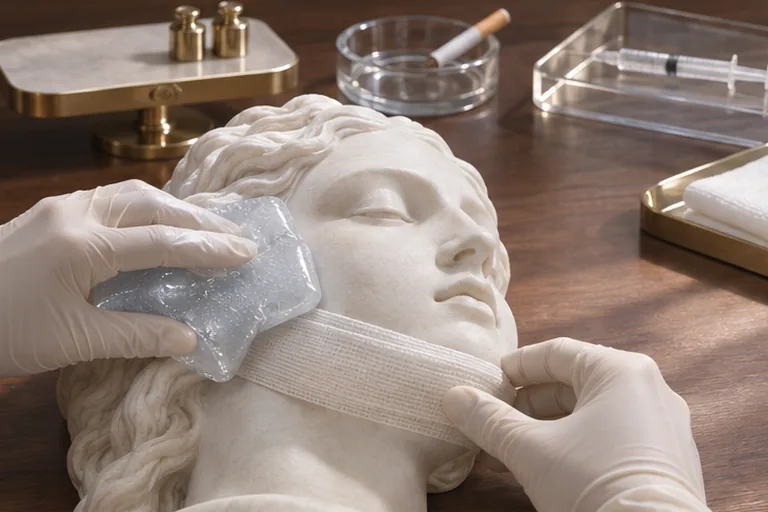
Grafted fat is your own body fat, so it is affected by weight changes. Repeated rapid weight loss can make changes in facial volume more noticeable. If your weight is changing significantly, we recommend waiting until it stabilizes. For lean patients, we also assess how much fat is available for harvesting. Smoking affects blood flow and wound healing, so quitting is essential.
Please also tell us about any previous filler injections and thread procedures. When needed, we use ultrasound to assess their location and distribution. If filler remains, it needs to be evaluated first, so we do not recommend proceeding directly with fat grafting. We recommend stopping herbal medicines and supplements such as omega-3 when possible because they may increase bleeding tendency. We first check for high blood pressure, diabetes, and anticoagulant use.
Swelling is greatest on days 3–4 after surgery. Your appearance during the first few days includes swelling and is not the final result. Volume decreases and then stabilizes over the months as the tissue settles. We then compare the remaining volume through photographs and an examination to discuss whether additional grafting is needed. We assess results beyond photographs, also checking for discomfort and changes in function.
- Whether your weight is stable
- Whether you can stop smoking
- Previous filler, thread, and fat grafting records and any remaining materials
- Medications and supplements, high blood pressure, diabetes, and anticoagulant use
- How much fat is available for harvesting if you are lean
08Three things we check first during your consultation
What we assess first during consultation
- The cause of the hollowing (volume loss, a change in tissue position, or difficulty opening the eyes)
- Skin and tissue laxity and skin quality
- Previous grafting, remaining materials such as fillers or threads, and tissue condition
These are general care principles. The actual decision is made after an examination.
When other care is needed first We do not recommend proceeding directly with fat grafting if sagging is the main cause, weak eyelid-opening strength creates a hollow appearance, remaining filler needs evaluation first, or your weight is changing significantly. In these cases, care that addresses the cause comes first, such as a lift, correction of eyelid position, or evaluation of remaining materials.
The answer to the opening question, “Doesn’t all the injected fat eventually disappear?” is this: not all of it disappears, but some is resorbed, and the amount that remains varies by person and treatment area. That is why we place small amounts across multiple layers rather than injecting a large amount at once, then reassess the remaining volume several months later. Before that, we first confirm whether the hollowing is truly caused by a lack of volume.
— VITAL Plastic Surgery
When booking, simply leave a note saying, “Please first check whether my hollowing is caused by volume loss,” and we will start there during your consultation. You do not need to make a decision on the day of your consultation.
Related ReadingMicrofat Grafting · Facial Volume Care Guide
READ NEXT
Read Next
FAQ
Frequently Asked Questions
If all the grafted fat is absorbed, will I need another procedure?
Some of the fat may be absorbed, and the amount varies from person to person. After several months, once the tissue has settled, we assess the remaining volume and discuss whether additional grafting is needed.
Is fat grafting the first choice for hollow upper eyelids?
We first assess whether eyelid-opening function and tissue position are contributing factors. If additional volume is needed, we consider the method and extent of treatment.
Does PRP have to be included?
It does not have to be used with fat grafting. Its effects vary with the preparation method and intended use, so the decision depends on your skin condition and recovery plan.
How do fillers and fat grafting differ?
Fillers are injectable materials that add shape and volume, while fat grafting is surgery that transfers your own tissue and allows it to establish itself. The choice depends on the volume needed, the area, and your recovery schedule.
My previous fat grafts look uneven. Should I have more fat added?
We first distinguish between retained fat and tissue adhesions. Rather than adding more fat right away, we identify the cause before deciding on an approach.
BEFORE CONSULTATION
What to Prepare Before Your Consultation
- Areas that look hollowTell us which area concerns you most: your cheeks, temples, forehead, or upper eyelids.
- Previous filler and fat grafting recordsPlease list the materials used, when they were injected, and whether you have had filler-dissolving injections.
- Weight changesTell us about recent weight changes and any plans to lose weight.
- Smoking and medicationsQuitting smoking is essential. Please list all medications, herbal medicines, and supplements such as omega-3.
- Past photosPhotos taken before the hollowing developed can help us assess where and how much volume has been lost.
REFERENCES
References
- Lv Q, Li X, Qi Y, Gu Y, Liu Z, Ma GE. Volume Retention After Facial Fat Grafting and Relevant Factors: A Systematic Review and Meta-analysis. Aesthetic Plastic Surgery. 2021. doi:10.1007/s00266-020-01612-6 (View abstract)
- Moellhoff N, Kuhlmann C, Frank K, et al. Arterial Embolism After Facial Fat Grafting: A Systematic Literature Review. Aesthetic Plastic Surgery. 2023. doi:10.1007/s00266-023-03511-y (View abstract)
The findings in these papers reflect the participants and conditions of each study and do not mean that every individual will have the same results.
This article provides general medical information and does not replace diagnosis or treatment. Surgical results and recovery vary by individual, and complications such as bleeding, infection, scarring, and asymmetry may occur.
More articlesVITAL Plastic Surgery Medical Articles
RESERVATION
You do not need to decide the day of your consultation.
Organize questions about this page without entering your name, contact information, or medical history. This does not submit an appointment request.