PLASTIC SURGERY
MEDICAL COLUMN
Questions Answered Directly by the Doctor Before You Decide on Surgery
Breasts
Articles
Breast Sagging After Pregnancy: Are Implants Alone Enough?
Not necessarily. Volume loss and sagging are separate issues. If the nipples sit significantly lower or there is substantial excess skin, placing implants alone may allow breast tissue to droop below the implants, creating an unnatural appearance.
Medically reviewed by Dr. Hyungwoo Yim, Medical Director (board-certified plastic surgeon) · Published 2026.11.10 · Last reviewed 2026.11.11
SHORT ANSWER
First, the Short Answer
- Not necessarily. Volume loss and sagging are separate issues. If the nipples sit significantly lower or there is substantial excess skin, placing implants alone may allow breast tissue to droop below the implants, creating an unnatural appearance.
- A breast lift raises the position of lowered nipples and breasts and removes stretched skin; it does not add volume. Implants or fat transfer are considered separately to address volume loss.
- At VITAL Plastic Surgery, we measure the nipple position relative to the breast crease, the amount of excess skin, remaining volume, and asymmetry to determine whether a lift alone is needed or whether additional volume is also needed.
“My breasts became saggy and smaller after pregnancy. Will implants lift them too?”
This is a paraphrase of a question we often hear during consultations.
To answer this question, we first need to distinguish where your current concern comes from. We will explain each point below, then return to the original question at the end.
01Why do breasts sag after pregnancy?
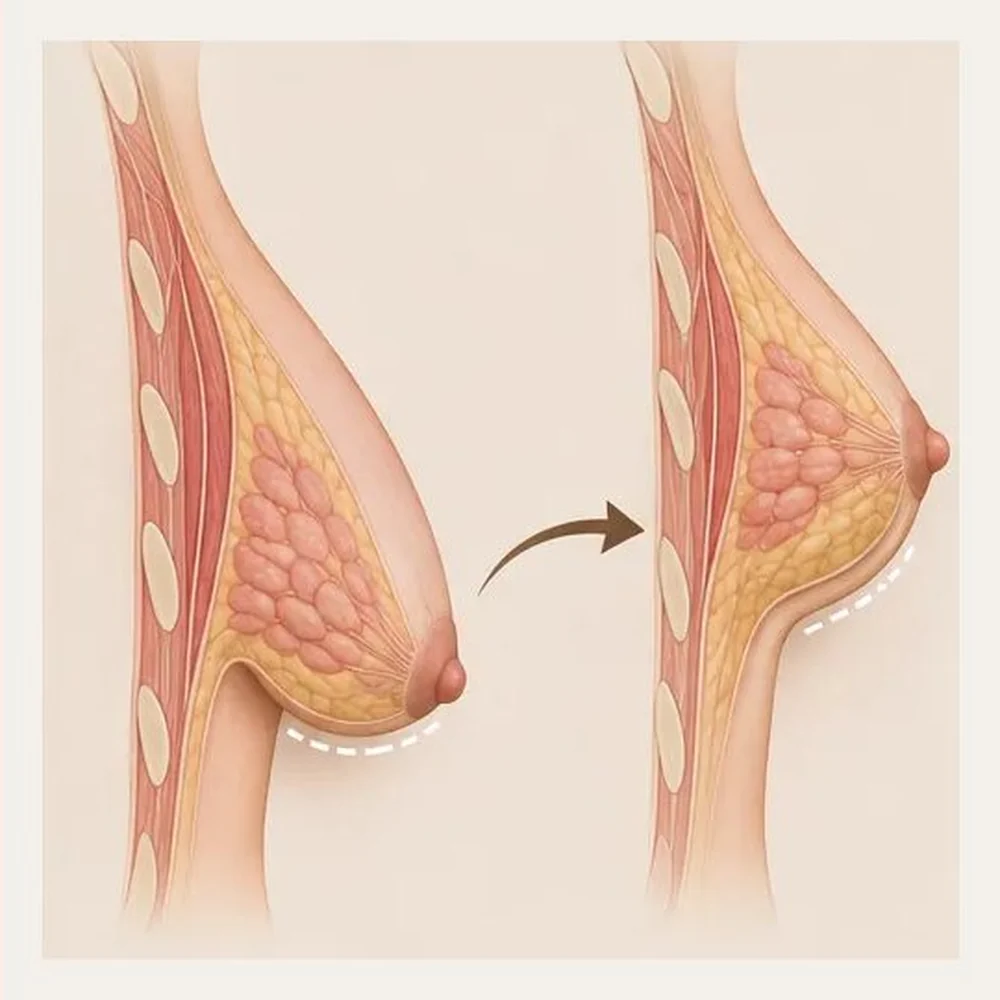
Answer As the breasts enlarge and shrink with pregnancy, breastfeeding, and weight changes, the skin and supporting tissue stretch, allowing the breasts to sit lower.

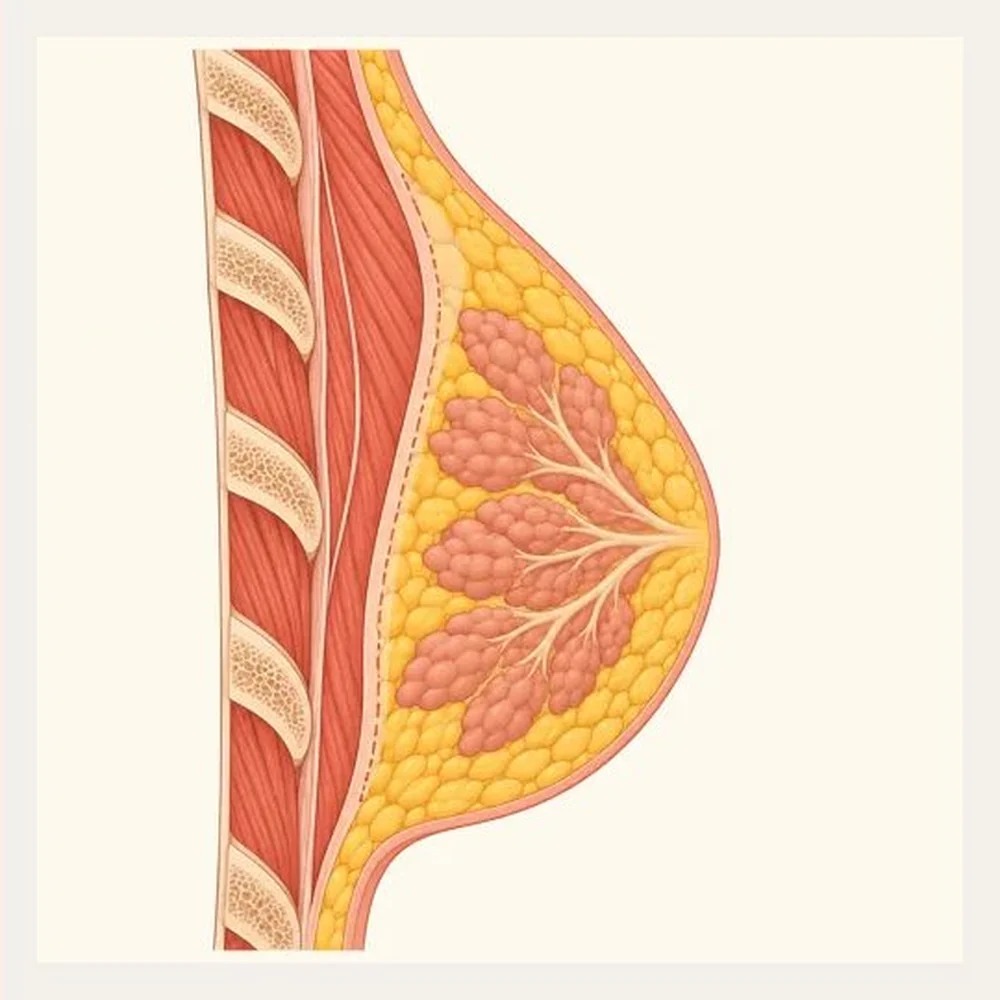
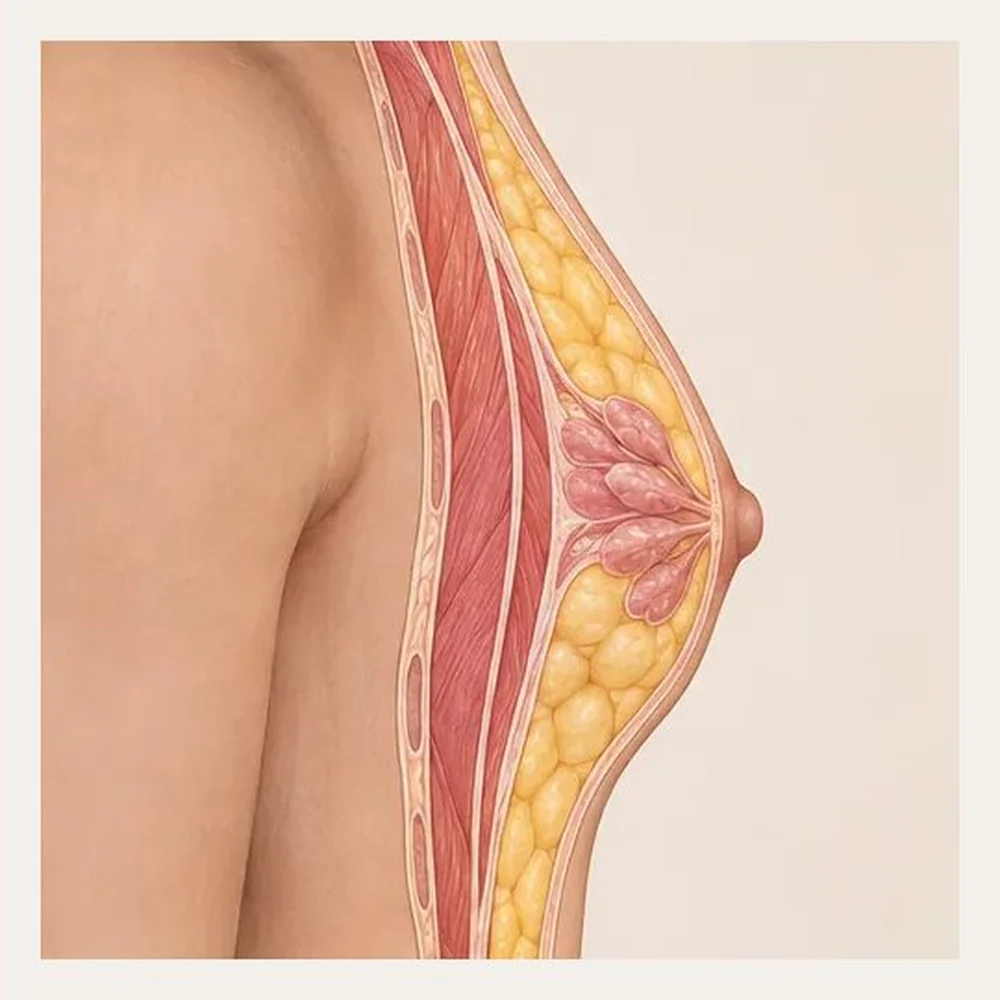
The breasts enlarge during pregnancy and breastfeeding, then shrink again afterward. This stretches the skin and the tissue supporting the breasts. Even when breast volume decreases, the stretched skin does not shrink to the same extent. As a result, the nipples and breasts sit lower, and the upper breasts may look hollow.
One study examined factors that contribute to breast sagging. Researchers reviewed medical records and conducted telephone surveys of 132 people seeking breast augmentation or a breast lift in the United States. Among women who had been pregnant at least once, 85% reported that their breast shape had worsened after pregnancy, and 35% reported a decrease in size. Factors significantly associated with sagging were age, a history of losing more than 50 pounds (about 23 kg), a higher body mass index, a larger bra cup size, the number of pregnancies, and smoking1.
In the same study, breastfeeding, weight gain during pregnancy, and not doing upper-body exercise were not significant risk factors for sagging1. An earlier study by the same researchers involving 93 women also found that breastfeeding was not an independent risk factor, while the risk of sagging increased with each pregnancy2. This means there is no reason to blame yourself for breastfeeding.
Concerns after pregnancy usually involve two issues: the lower position of the nipples and breasts, and reduced volume. The appropriate surgery depends on which issue is more prominent, so VITAL Plastic Surgery evaluates them separately.
In Simple Terms Breasts after pregnancy are like a ball inside a knitted pocket that has stretched with years of wear. A smaller ball (volume loss) and a stretched pocket that lets the ball sit lower (sagging) are different problems. Enlarging only the ball can leave it hanging in the bottom of the stretched pocket, creating an awkward shape. Tightening only the pocket raises the position but leaves the ball the same size. We therefore assess separately how much the pocket needs to be tightened (the lift and extent of scarring) and how much the ball needs to be filled (implants or fat transfer). We also consider whether the pocket may stretch again in the future due to pregnancy or weight changes.
So how is breast sagging assessed?
02How is breast sagging assessed?
Answer We assess the nipple position relative to the breast crease, the amount of excess skin, breast size, and desired volume together.
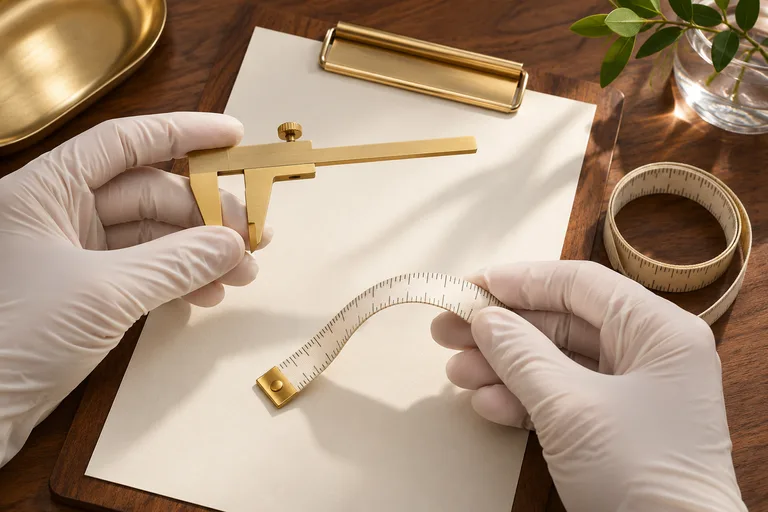
Breasts can look saggy because the nipples have moved lower or because only the lower portion of the breast has stretched. These are different situations. We assess how far the nipples have descended relative to the crease where the underside of the breast meets the chest wall, called the inframammary fold. This is the basis for classifying the degree of sagging.
We also assess the amount of excess skin relative to breast size. More excess skin means a larger area needs to be removed and more extensive scarring. We discuss breast size and desired volume to distinguish whether upper-breast hollowness is due to tissue that has shifted downward or an actual lack of volume.
These four factors—the nipple position relative to the breast crease, the amount of excess skin, breast size, and desired volume—help determine whether a lift is needed and which incision is appropriate. We also assess chest width, torso thickness, and asymmetry to plan proportions.
The table below outlines situations commonly seen during consultations. The actual assessment requires an examination, and many people have two or more of these issues.
| Concern | How it looks | What we consider first |
|---|---|---|
| Volume loss only | Nipple position is appropriate, but the upper breasts look hollow | Suitability for implants or fat transfer |
| Lowered nipples | Nipples sit near or below the breast crease | Breast Lift |
| Sagging in the lower breast only | Skin below the nipples sags | Amount of excess skin and extent of the incision |
| Both sagging and volume loss | Breasts sit lower and look flat | Whether to combine a lift and volume enhancement or perform them separately |
So can implants alone correct sagging?
03Can implants alone correct sagging?
Answer If sagging is the main concern, implants alone may not address it, so we also assess whether a lift is needed.

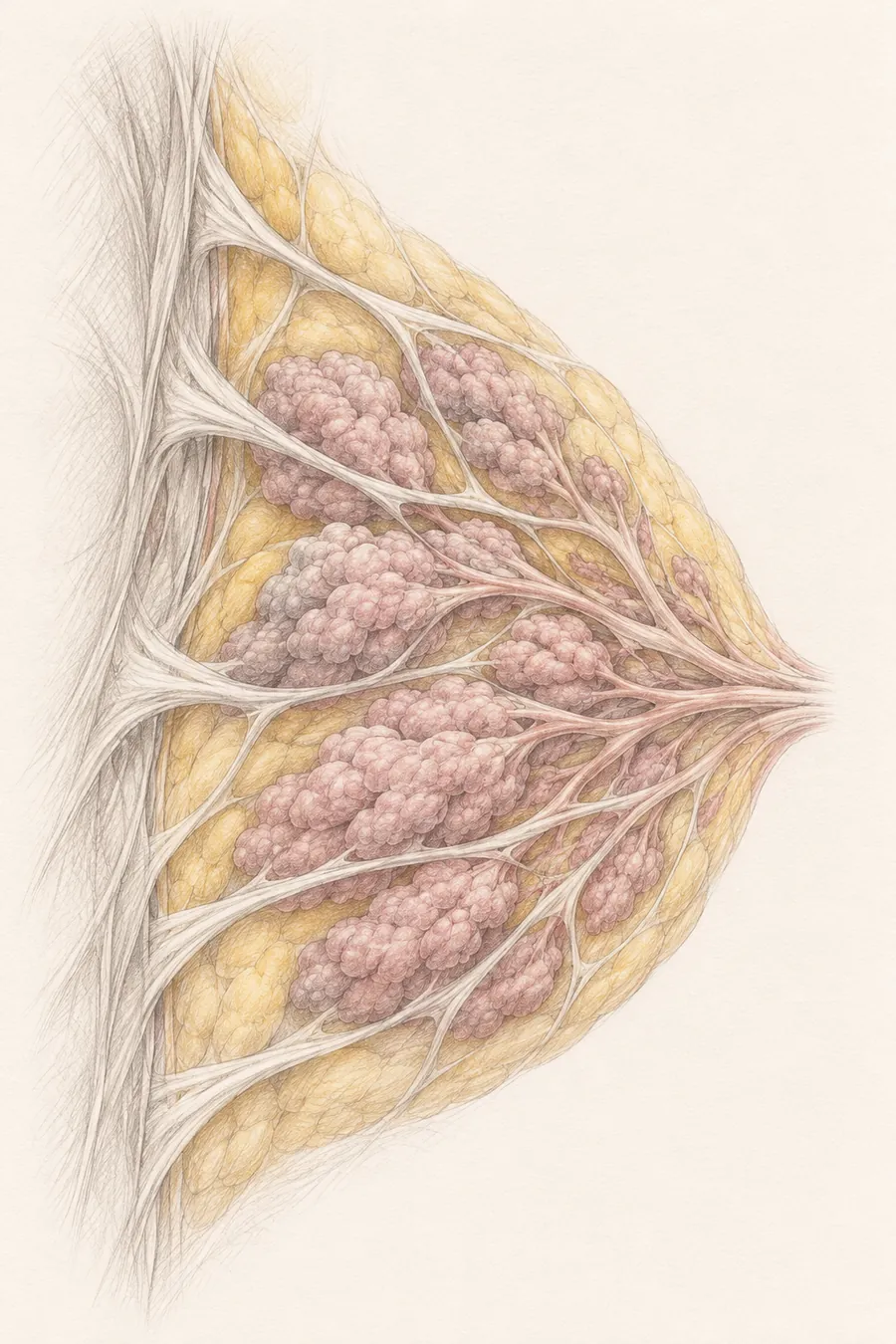
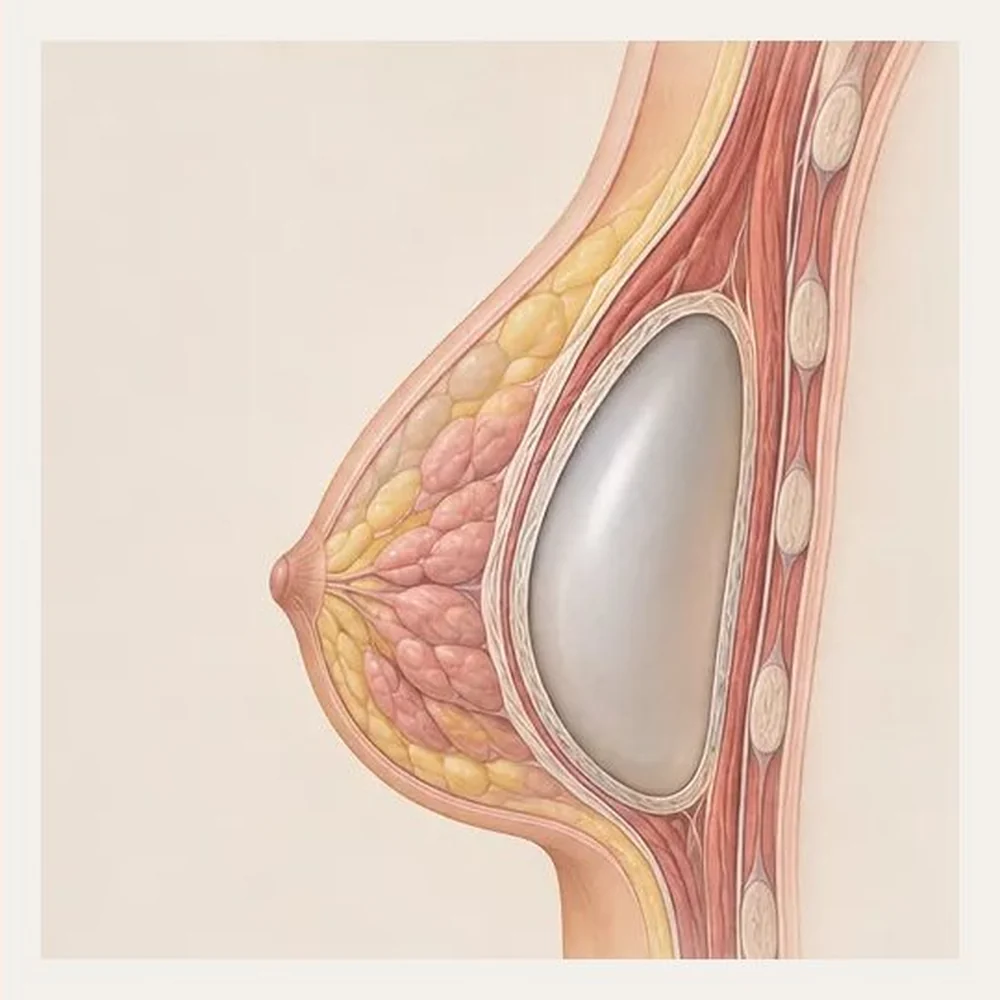
A lift raises breast position without adding volume, while implants are not a procedure for correcting sagging. Because they serve different purposes, we consider them separately when assessing breasts after pregnancy.
If the nipples sit significantly lower or there is substantial excess skin, placing implants alone may allow breast tissue to droop below the implants, creating an unnatural appearance. A typical example is fullness over the upper part of the implant with the original breast tissue hanging below it, creating a two-tiered appearance. For this reason, VITAL Plastic Surgery does not immediately recommend breast augmentation when sagging is the main concern.
Conversely, if nipple position is appropriate and only volume has decreased, adding volume without a lift may be considered. If additional volume is needed, suitability for implants or fat transfer is assessed separately. The choice depends on the desired volume, the amount of fat available for harvesting, and skin condition, so we compare the options after an examination.
If both sagging and volume loss are present, we discuss whether to perform a lift and volume enhancement together or in separate procedures. We assess sagging and volume separately to make this decision. If they are combined, we lift and secure the tissue, then add volume with implants or fat if needed.
Fat transfer adds volume using your own fat and can provide a natural feel, but only some of the transferred fat survives. Implants can provide a relatively predictable amount of volume, but they require ongoing management for issues such as capsular contracture and rupture. We compare the options based on your desired volume, the amount of fat available for harvesting, and skin thickness.
So how extensive are breast lift scars?
04How extensive are breast lift scars?
Answer The degree of sagging determines scar length. Scars may be limited to the edge of the areola, extend vertically downward, or also run along the breast crease.
Scarring varies with the degree of sagging. For mild sagging, a circular incision around the areola raises the nipple, reduces the circumference of the surrounding skin, and secures it in place. For moderate or greater sagging, incisions around the areola and vertically downward allow the lower breast tissue to be brought together, lifted, and secured. If needed, the incision extends along the breast crease before closure. The more skin that needs to be removed, the longer the incisions.
VITAL Plastic Surgery recognizes that no breast lift is scar-free. Before surgery, we point out and explain where scars may extend. Scars continue to change over several months or longer. We do not immediately recommend surgery to people who find the scar locations difficult to accept.
Scarring is also a common topic of discussion with breast lift surgery. A systematic review of 34 studies involving 1,888 patients who underwent breast lifts without implants found an overall complication rate of 10.4%. The most common complications were scar-related problems (thickened or unattractive scars) at 3% and nipple–areola problems (changes in shape, asymmetry, or reduced sensation) at 2.9%. The authors concluded that preoperative counseling should always address scarring, asymmetry, and the possibility of recurrent sagging3.
There is a tradeoff between minimizing scars and adequately lifting sagging breasts. If sagging is significant, trying to keep scars too short may prevent adequate removal of excess skin, leaving the breasts insufficiently lifted or allowing the areolas to widen. We therefore discuss scar placement and the desired shape together to decide where to strike that balance.
Scars are initially red and firm, then fade and soften over several months. When needed, we provide guidance on silicone products and sun protection, and assess whether additional scar care is needed during follow-up. Before surgery, it is helpful to understand that scars fade rather than disappear.
| Degree of sagging | Incision Location | What to discuss |
|---|---|---|
| Mild | Around the areola | Areola shape and scarring |
| Moderate or greater | Around the areola + vertical | Length of the vertical scar |
| Significant | Around the areola + vertical + breast crease | How much scarring you are comfortable accepting |
What about nipple sensation and breastfeeding in the future?
05Will nipple sensation and future breastfeeding be affected?
Answer The nipples are repositioned using a technique that preserves blood flow and nerves, but depending on the technique, sensation may change or breastfeeding may be affected.

When lifting the nipples, we reposition them while keeping them attached to the underlying tissue, rather than detaching and moving the skin alone. This helps preserve blood flow and nerves to the nipples.
Even so, sensation may change or breastfeeding may be affected depending on the technique, so we explain the preservation plan and its limitations before surgery. Reduced sensation was also among the nipple–areola problems reported in the review mentioned earlier3. We do not claim that there will be no effect at all.
If you plan to have children and breastfeed in the future, this becomes an important factor in deciding when to have surgery. During your consultation, please let us know whether preserving the ability to breastfeed is a priority and how much change in sensation you would be comfortable accepting. We can then explain the surgical approach and extent accordingly.
Sensation may feel reduced or heightened immediately after surgery and may change during recovery. However, we do not claim that all changes will return to their original state. The farther the nipples need to be moved, the greater the possibility of these changes, so we discuss this alongside the degree of sagging.
When is a good time to have surgery after childbirth?
06When is a good time for surgery after childbirth?
Answer It is generally best to be evaluated after breastfeeding has ended, breast shape has become reasonably stable, and weight changes have stopped.
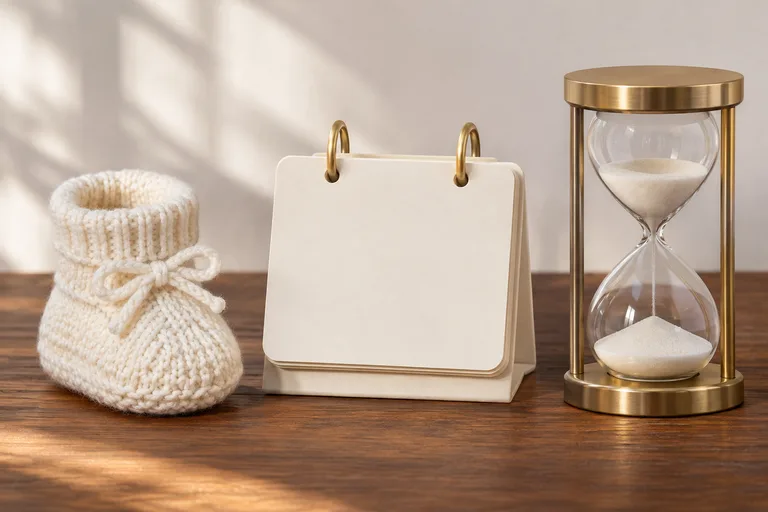
Pregnancy and breastfeeding can change breast shape again. If you plan to become pregnant again soon, it is appropriate to adjust the timing of surgery. Pregnancy after surgery can cause sagging to recur, and, as the study mentioned earlier found, the risk of sagging increases with each pregnancy2.
If you have finished breastfeeding, it is generally best to wait until breast size and shape have become reasonably stable before being evaluated. The same applies if your weight is still changing. Significant weight loss can leave more excess skin, so reassessment once you are close to your goal weight provides a more accurate picture.
At VITAL Plastic Surgery, we first ask about weight changes and plans for future pregnancies during the consultation. If you plan to become pregnant or breastfeed soon, or if your weight is still changing, we do not recommend proceeding with surgery right away. Any lump or change that requires a breast examination should also be evaluated first.
We also consider your daily schedule when deciding on timing. If you frequently hold or lift your child, it is helpful to plan ahead for assistance during recovery, swelling in the first few days after surgery, and early wound care. We may not recommend proceeding right away if the treatment would place a substantial burden on you or if it is difficult to allow enough recovery time.
When does breast shape settle after a lift?
07When does breast shape settle after a lift?
Answer Immediately after surgery, the breasts may sit high and look unfamiliar. They gradually settle over several months.
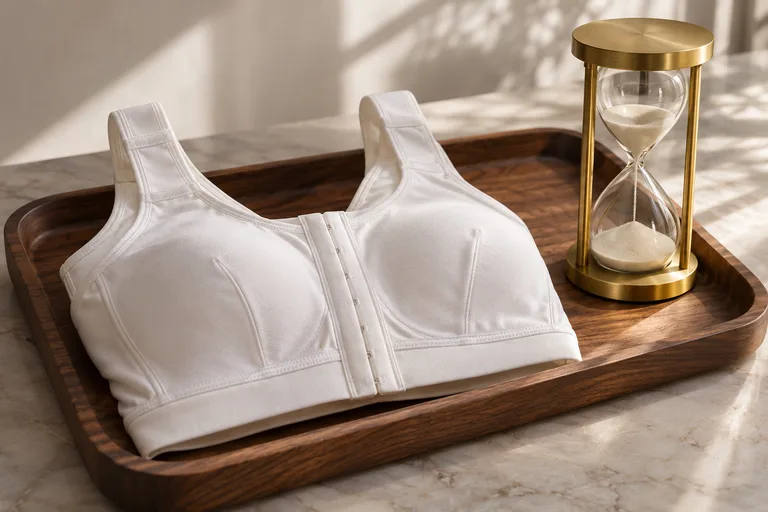
A breast lift takes about 3 hours, is performed under general anesthesia, and allows you to return home the same day. Immediately after surgery, the breasts may sit high on the chest and look unnatural. Their initial height and shape continue to change and settle over several months, so the final result should not be judged by their early appearance.
We also explain that the breasts may sag again over time because of the weight of the skin and tissue. Pregnancy and weight changes increase that possibility. Let us know your future plans in advance so we can adjust the timing together.
Below is the typical recovery course described by VITAL Plastic Surgery; individual recovery varies. If you experience sudden severe pain, bleeding that does not stop, rapidly worsening swelling on one side, or signs of possible infection such as a high fever or pus, contact us immediately rather than waiting for your scheduled appointment.
We document your condition before treatment and use consistent criteria to assess your progress after surgery. Along with photographs, we review changes in discomfort and function. We do not recommend the same additional treatment for everyone; we explain the options based on your condition.
| Timing | What Happens | What to Keep in Mind |
|---|---|---|
| 3–4 days after surgery | Peak Swelling | Gentle walking, adequate nutrition and hydration |
| Early After Surgery | Protect the wounds and check for infection or wound separation | Use compression only as instructed for your procedure |
| Several Months | Height and shape change as the breasts settle | Avoid judging results by the early appearance alone |
| Up to 1 Year | Scar redness and firmness change | Silicone products and sun protection if needed |
08Three things we check first during your consultation
What we assess first during consultation
- Whether a lift alone is needed or additional volume is also needed — nipple position relative to the breast crease, excess skin, and remaining volume
- Incisions and extent of scarring — whether scars will extend around the areola, vertically, or along the breast crease, depending on the degree of sagging
- Weight changes and pregnancy plans — whether another pregnancy or planned weight loss is coming soon
These are general care principles. The actual decision is made after an examination.
When other care is needed first If you plan to become pregnant or breastfeed soon, or if your weight is still changing, it is generally appropriate to postpone surgery. If you are uncomfortable with the scar locations, we do not recommend proceeding with a lift right away. Any lump or change that requires a breast examination should be evaluated first.
The answer to the original question, “My breasts have sagged and become smaller after childbirth. Will implants lift them too?” is this: If only volume has decreased, implants or fat transfer may be considered to restore fullness. However, if the nipples and breasts have descended, a separate lift may be needed to raise their position. At VITAL Plastic Surgery, we assess sagging and volume separately, then decide on the approach and timing while also considering the extent of scarring and your pregnancy plans.
— VITAL Plastic Surgery
When booking, simply leave a note saying, “Please first assess whether my concern is sagging or loss of volume,” and we will start there during your consultation. Having a consultation does not mean you need to decide that day.
Related ReadingBreast Lift Care Guide
READ NEXT
Read Next
FAQ
Frequently Asked Questions
Will a breast lift also make my breasts smaller?
A breast lift raises the breasts and removes excess skin; its purpose is not to reduce breast size. The breasts may look smaller after excess skin is removed. If their size and weight are excessive, a breast reduction may also be considered.
Will nipple reduction alone improve the appearance of sagging?
Nipple reduction does not correct sagging of the entire breast. If sagging is causing the nipples to look lower, we evaluate the need for a lift separately.
Can my breasts sag again after surgery?
The breasts may sag again depending on the weight of the skin and tissue, pregnancy, and weight changes. Let us know your future plans so we can discuss timing together.
Did breastfeeding make my breasts sag more?
Research found that factors such as the number of pregnancies, age, body mass index, and smoking were more closely associated with sagging than breastfeeding itself. For planning, it is more important to assess your current breast position and volume separately than to focus on the cause.
Can a breast lift address sagging after implant removal?
If excess skin makes your breasts look saggy after implant removal, you can also consult about a breast lift. We review your previous surgical records and current photos together to plan treatment.
BEFORE CONSULTATION
What to Prepare Before Your Consultation
- Pregnancy and breastfeeding history and plansLet us know when you last gave birth, when you finished breastfeeding, and whether you plan to become pregnant again.
- Weight changesWrite down your recent weight changes and any plans for future weight loss, and bring them with you.
- Breast screening historyPlease bring any recent breast ultrasound or screening results.
- Desired shape and views on scarringConsider whether your main concern is sagging or loss of volume, and how much scarring you are comfortable accepting.
- Medications and smokingWe recommend stopping herbal medicines and supplements such as omega-3s because of their potential to increase bleeding, and advise stopping smoking and alcohol before surgery.
REFERENCES
References
- Rinker B, Veneracion M, Walsh CP. Breast ptosis: causes and cure. Annals of Plastic Surgery. 2010. doi:10.1097/SAP.0b013e3181c39377 (View abstract)
- Rinker B, Veneracion M, Walsh CP. The effect of breastfeeding on breast aesthetics. Aesthetic Surgery Journal. 2008. doi:10.1016/j.asj.2008.07.004 (View abstract)
- di Summa PG, Oranges CM, Watfa W, et al. Systematic review of outcomes and complications in nonimplant-based mastopexy surgery. Journal of Plastic, Reconstructive & Aesthetic Surgery. 2019. doi:10.1016/j.bjps.2018.10.018 (View abstract)
The findings in these papers reflect the participants and conditions of each study and do not mean that every individual will have the same results.
This article provides general medical information and does not replace diagnosis or treatment. Surgical results and recovery vary by individual, and complications such as bleeding, infection, scarring, and asymmetry may occur.
More articlesVITAL Plastic Surgery Medical Articles
RESERVATION
You do not need to decide the day of your consultation.
Organize questions about this page without entering your name, contact information, or medical history. This does not submit an appointment request.