PLASTIC SURGERY
MEDICAL COLUMN
Questions Answered Directly by the Doctor Before You Decide on Surgery
Skin Tightening
Articles
How Long Does a Facelift Last, and When Does Sagging Return?
At VITAL Plastic Surgery, we generally use 5.5 years as a reference point for facelift longevity, recognizing individual differences. Surgery repositions sagging structures, but aging continues afterward.
Medically reviewed by Dr. Hyungwoo Yim, Medical Director (board-certified plastic surgeon) · Published 2026.11.10 · Last reviewed 2026.11.11
SHORT ANSWER
First, the Short Answer
- At VITAL Plastic Surgery, we generally use 5.5 years as a reference point for facelift longevity, recognizing individual differences. Surgery repositions sagging structures, but aging continues afterward.
- This does not mean you return to your preoperative appearance after 5.5 years. In a study that reassessed 50 people after 5.5 years, most of the correction along the jawline remained, while the neck lost some correction first1.
- VITAL Plastic Surgery first assesses where and why sagging has occurred, which tissue layers to reposition, and how far to move them. After surgery, we continue regular follow-up visits and care for skin quality and firmness. If sagging returns, we identify the cause before deciding on the next step.
“What if I make the big decision to have a facelift, only to see sagging return a few years later?”
This is a paraphrase of a question we often hear during consultations.
To answer this question, we first need to distinguish where your current concern comes from. We will explain each point below, then return to the original question at the end.
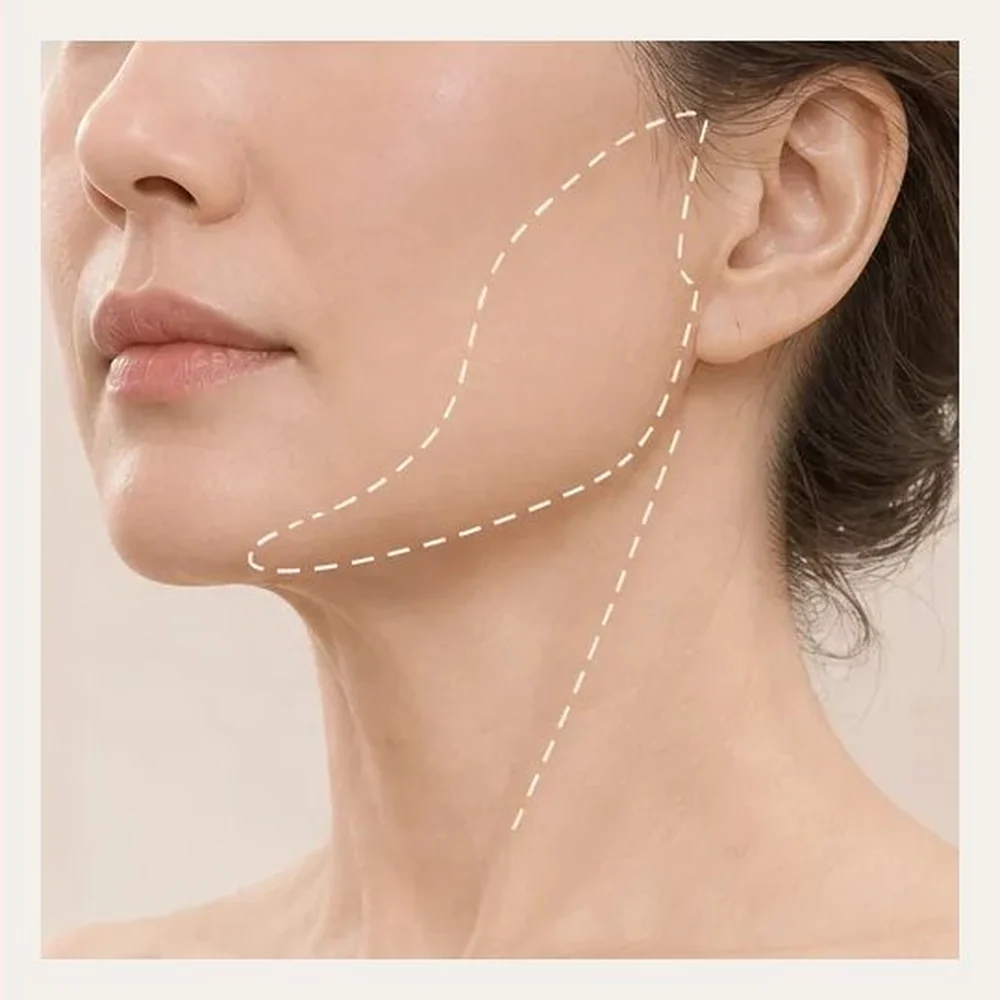
01How many years do facelift results usually last?
Answer Although results vary, we generally use 5.5 years as a reference point.

VITAL Plastic Surgery's guide to deep plane facelifts generally describes longevity using a 5.5-year reference point. This does not mean the results disappear 5.5 years after surgery. Rather, it indicates that the changes achieved through surgery remain relatively well preserved around that time. Surgery returns descended structures to their positions, while aging of the bones, fat, and skin continues afterward, making ongoing care necessary as well.
One study supports this reference point. Researchers used standardized photographs to reassess 50 people 5.5 years after their first facelift. Surgery had lifted the jowls—the tissue sagging along the sides of the jawline—by about 6 mm, and 21% of that lift had been lost after 5.5 years1. In the same study, 76% were rated as looking younger than they had before surgery, even after 5.5 years.
However, this study examined patients from a single institution, and skin thickness, the degree of sagging, and lifestyle habits vary from person to person. We therefore use the numbers as a starting point for consultation and refine expectations based on your individual circumstances during an examination.
In Simple Terms It is similar to standing on a downward-moving escalator. As you age, your face is on steps slowly moving downward, and a facelift is like walking up a few steps. The escalator keeps moving down afterward, so over time you can see that you have descended again, but you are still higher than you would have been if you had stood still for the same amount of time. How many steps you climb depends on how far you had descended to begin with, while ongoing care is more like slightly slowing the escalator's downward movement. That is why the question “How many years will it last?” needs to be answered alongside “How much improvement can I expect, and how should I care for it afterward?”
Does that mean my face returns to how it looked before after 5.5 years?
02Will my face return to how it looked before after 5.5 years?
Answer Rather than returning to its previous state, your face continues to age from the repositioned state.

Surgery gives you a starting point that turns the clock back several years. Aging continues afterward, so sagging becomes visible again over time, but that starting point differs from where you would be at the same age without surgery. The 5.5-year study also found that the degree of maintained correction varied by area1.
The neck was the first area to lose correction. Surgery improved the angle between the chin and neck by 13 degrees, but 69% of that improvement had been lost after 5.5 years1. In contrast, the jowls, nasolabial folds, and lines below the corners of the mouth (marionette lines) were still rated as well corrected after 5.5 years. This also relates to why VITAL Plastic Surgery considers the neck essential to defining the jawline and discusses a neck lift as part of the same plan when neck sagging is substantial.
Excess neck skin, prominent vertical platysmal bands (bands in the thin muscle covering the front of the neck), and fat beneath the chin all contribute to a less defined contour beneath the jaw. Lifting the face alone may leave this contour unchanged, and the neck may also be the first area to lose correction over time. It is therefore more accurate to assess the face and neck separately when discussing longevity.
| Area | Findings at 5.5-Year Follow-up | What we assess first during consultation |
|---|---|---|
| Jowls · Jawline | Only about 21% of the lift was lost | Retaining ligaments along the jawline and the direction of sagging |
| Nasolabial Folds · Lines Around the Mouth | Rated as remaining well corrected | The extent of cheek fat descent and volume |
| Neck | 69% of the improvement in the chin–neck angle was lost | Excess neck skin, platysmal bands, turkey neck |
Why, then, do studies report different numbers for facelift longevity?

03Why do studies report different numbers for facelift longevity?
Answer Because studies define and measure “maintenance” differently.

Some studies measure jawline height in photographs, while others count the time until another surgery. A study reviewing 811 facelifts performed by one plastic surgeon over 20 years found that 60 people who had a second facelift did so an average of 9.0 years after their first surgery. Ten people who had a third facelift did so an average of 7.5 years after their second surgery. The difference between the two intervals was not statistically significant2.
A literature review of 14 studies involving 737 patients undergoing repeat facelifts also found that second facelifts generally took place 9–12 years after the first surgery3. These numbers represent when people decided to have surgery again, rather than how long they had no sagging, so they cannot be directly compared with the 5.5-year photographic assessment.
That is why we do not promise a single number during consultation. Explaining which areas may change first over the coming years, along with the care or treatments that could be considered then, is more useful for making a decision.
- Maintenance measured in photographs: The same areas are photographed again under the same conditions to compare heights and angles. The 5.5-year study used this approach1.
- Interval until repeat surgery: This measures when a person chooses to have surgery again. It reflects personal decisions and life circumstances as well as sagging23.
- Patient satisfaction: This is assessed through questionnaires, so people may report the same changes differently.
- All of these are averages and cannot directly predict an individual's results.
What, then, affects how long the results last?
04What affects how long the results last?
Answer Which tissue layers were repositioned, what caused the sagging, and how aging continues after surgery.
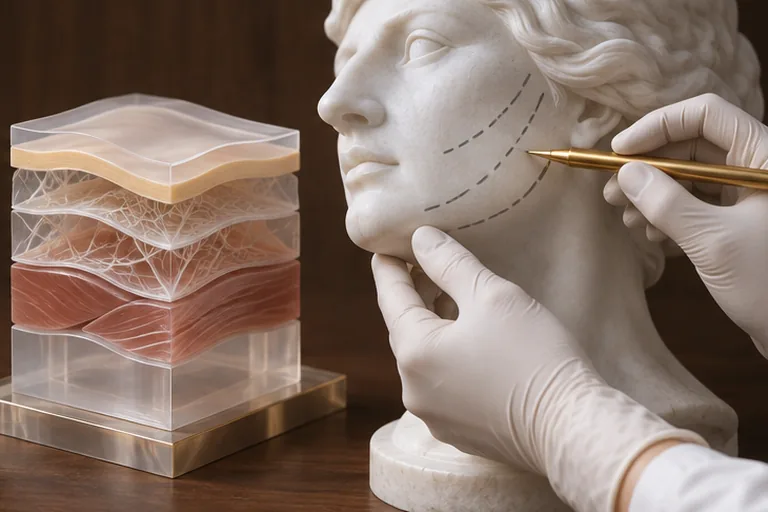
If only the skin is pulled, tension is placed on the skin and incision lines, while the sagging fat beneath may remain in place. At VITAL Plastic Surgery, we work beneath the fascia to reposition the skin, fat, and fascia together as one layer, releasing the retaining ligaments that anchor the sagging tissues toward the bone as needed. The extent of ligament release varies by case, but we release most of the retaining ligaments along the jawline. The aim is to place tension on the deeper layers rather than the skin.
We also assess the causes of sagging separately. Bone changes, fat loss and displacement, and loosening of supporting tissues vary in degree by area, so we assess sagging structures in terms of position, volume loss in terms of amount, and skin quality separately. Simply pulling a face that looks saggy because of volume loss, or trying to address skin quality through surgery alone, can make it difficult to remain satisfied for as long as expected.
Longevity also varies by area. For surgery that lifts the midface, extending from beneath the eyes to the front of the cheeks, we explain that sagging generally begins to return after 3–5 years, although this varies by individual. Even within the same face, the timing for reassessment depends on which area was treated and how.
- Layers repositioned: Whether only the skin was pulled or the tissues were repositioned together in the deeper plane beneath the fascia
- Retaining ligaments: whether the ligaments holding the sagging tissue were released as needed
- Cause of sagging: whether it comes from tissue shifting downward, volume loss, or skin quality
- Neck: whether turkey neck and platysmal bands were addressed in the same plan
- After surgery: factors that affect the pace of further aging, such as weight changes, smoking, and skin care
What do you do to maintain results after surgery?
05What can I do after surgery to maintain the results?
Answer Continue regular follow-ups and care for skin quality and firmness, choosing device treatments according to their purpose.
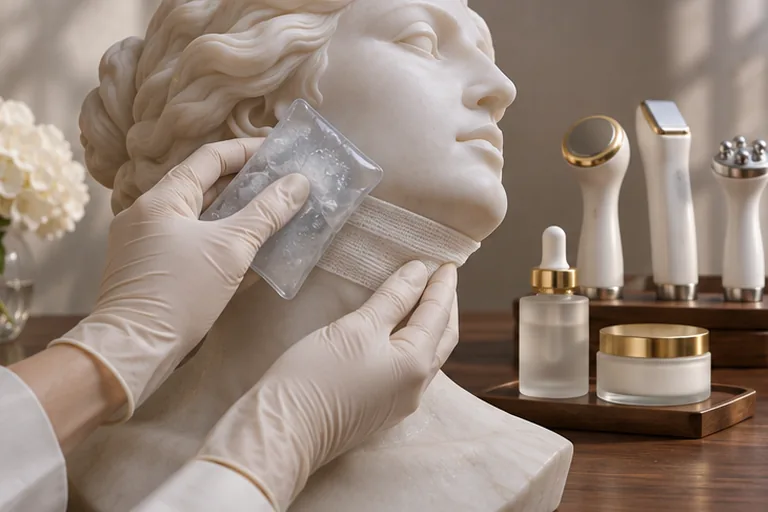
We explain the difference between early contour changes after surgery and the settling process over several months. What you see in the first few weeks is not the final result, because the tissues need time to settle. We then check your progress at 1 week, 1, 3, and 6 months, and 1 year, using an examination to determine whether additional care is needed.
We choose lifting devices based on whether the concern is structural sagging or skin quality, using monthly treatments as a general guideline for InMode and ONDA and once-yearly treatments for Ultherapy and Thermage. After the recovery period, we consider regenerative treatments such as Re2O or PRP based on your individual condition. The care plan is determined after an examination, taking into account the extent of surgery and your recovery. We do not recommend the same care for everyone.
Follow-ups also help maintain results. Around 3 months, firmness and tightness may occur. At 6 months, we compare photos from different stages and changes in function to determine whether additional care is needed. At 1 year, we assess tissue flexibility and changes in shape over the longer term. These records provide a reference for identifying what has changed when you return for a consultation years later.
| Timing | What it does | Purpose |
|---|---|---|
| Up to 3 months | Swelling and bruising management, wound and scar checks, and laser treatments for scars and recovery as needed | Check that recovery is progressing normally |
| After the recovery period | Consider regenerative treatments such as Re2O and PRP based on your condition | Support underlying skin quality |
| 6 months–1 year | Regular follow-ups and care for skin quality and firmness | Compare changes and decide when to reassess |
If sagging returns, how do you decide whether revision surgery is appropriate?
06How do you decide whether revision surgery is appropriate when sagging returns?
Answer We first identify why sagging has returned, then assess the tissue planes involved in the previous surgery and any adhesions.
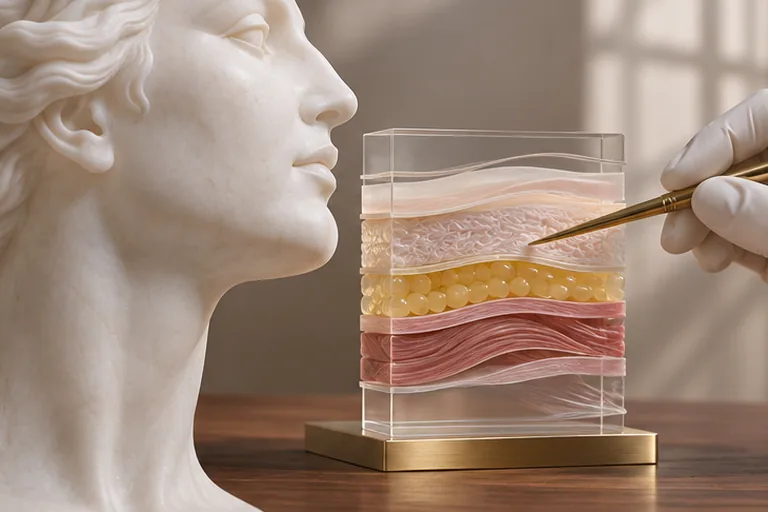
At VITAL Plastic Surgery, our approach to revision facelift surgery begins by distinguishing between aging that has progressed over time, sagging in deeper layers left unaddressed by a previous skin-focused lift, and an appearance of sagging caused by volume loss. The plan depends on the cause, and we also review when the previous surgery took place. We do not simply repeat the same approach used for the first surgery.
Revision surgery involves more challenging conditions. In a literature review of 14 papers on revision surgery, the most common findings during surgery were a thinner, more fibrotic superficial musculoaponeurotic system (SMAS) or a layer of scar tissue. Complication rates reported in the cohort studies varied widely, from 2.0% to 21.1%3. However, the review concluded that overall complication rates were similar to those of primary surgery. A study reporting 20 years of experience also found that complication rates for revision surgery were similar to those of primary surgery2.
Even when there appears to be little change, the tissues may still be healing. For revisions to correct shape, we generally allow 6 months to a year or longer for tissue recovery. If healing is still underway or the burden of additional surgery outweighs the expected improvement, we do not recommend proceeding right away. If needed, we first consider treatments that address skin quality, such as device treatments or Re2O.
- When aging has progressed again over time
- When a previous skin-focused lift left sagging in the deeper layers
- When volume loss creates an appearance of sagging
- When neck laxity returns first, blurring the contour beneath the chin again
At what age will the results last longer?
07At what age will the results last longer?
Answer The decision is based on your current sagging and ability to recover, rather than your age.

VITAL Plastic Surgery sees patients from their 30s through their 70s and older for consultations. We consider a facelift when nonsurgical treatments do not sufficiently improve changes in the jawline and neck. We do not recommend having surgery early simply to get ahead of aging, because the tissues that have descended and the direction of descent differ even among people of the same age.
Before choosing surgery based on how long it lasts, the first step is to define exactly what needs to be addressed now. If sagging is mild, we consider a mini facelift limited to either the midface or lower face. However, a mini facelift does not necessarily mean a much shorter incision behind the ear or a much shorter operation, so it is more appropriate to compare the areas being treated than the numbers alone. If volume loss or skin quality is the main concern rather than sagging, we do not recommend surgery right away. The same applies if health conditions such as high blood pressure or diabetes need to be controlled first, or if it is difficult to set aside enough recovery time.
- Consider surgery when nonsurgical treatments do not sufficiently improve changes in the jawline and neck
- Consider a mini facelift targeting a specific area when sagging is mild and localized
- Consider other treatments first when volume loss or skin quality is the main concern
- Postpone surgery when health conditions need to be controlled or recovery time needs to be arranged first
08Three things we check first during your consultation
What we assess first during consultation
- Where the main sagging occurs and why: distinguish tissue position, volume, and skin quality
- The tissue layers and extent of correction, including whether to address the neck
- What nonsurgical treatments can address and how surgery differs
These are general care principles. The actual decision is made after an examination.
When other care is needed first We do not recommend a facelift right away if volume loss or skin quality is the main concern rather than sagging, if health conditions such as high blood pressure or diabetes need to be controlled first, or if it is difficult to set aside enough recovery time. If you are still healing from a previous facelift, waiting takes priority over revision surgery.
Here is the answer to the original question, “What if sagging returns after a few years?” Aging continues after surgery, so some downward changes will occur over time, but this does not mean returning to your preoperative appearance. The most direct preparation for maintaining results is to decide during the initial planning which tissue layers to reposition and by how much, whether to address the neck, and how to care for the results afterward.
— VITAL Plastic Surgery
When booking, simply leave a note saying, “Please start by assessing where sagging appeared first and how to maintain the results,” and we will begin there during your consultation. Having a consultation does not mean you need to decide that day.
Related ReadingDeep Plane Facelift · Neck Lift Care Guide
READ NEXT
Read Next


FAQ
Frequently Asked Questions
Does a facelift last a lifetime?
No. Aging continues after surgery, so sagging becomes visible again over time. At VITAL Plastic Surgery, we generally use 5.5 years as a reference point, recognizing individual differences.
Which area loses correction first?
In a 5.5-year follow-up study, the neck was the first area to lose some correction, while improvements in the jowls, nasolabial folds, and lines around the mouth held up relatively well. Results may vary by individual.
Can regular device-based treatments make the results last longer?
We select devices by considering structural sagging and skin quality separately. Our reference schedule is monthly for InMode and ONDA and once a year for Ultherapy and Thermage. These treatments cannot replace surgery with equivalent results.
Does recurrent sagging mean I need revision surgery right away?
We first assess whether the tissues are still healing and why sagging has returned. Waiting or skin care may be more appropriate, and there is no single timeline for everyone.
Will the results last longer if I have surgery when I am younger?
Age alone does not determine the timing. We do not recommend having surgery early simply to get ahead of aging. The decision depends on your current sagging and circumstances for recovery.
BEFORE CONSULTATION
What to Prepare Before Your Consultation
- Your main area of concernWrite down where you first noticed changes: your jawline, neck, nasolabial folds, or around your mouth.
- Previous treatment and surgery historyTell us as much as you know about previous lifting device treatments, fillers, threads, and facelift procedures, including when you had them.
- Past photosFront and side photos from a few years ago can help us understand the sequence of changes.
- Health conditions and medicationsPlease tell us whether you have high blood pressure or diabetes, take anticoagulants, or use herbal medicines or supplements such as omega-3.
- Recovery and Follow-up ScheduleReturning to daily activities generally takes about 10 days, with individual variation. Please also consider the schedule for regular follow-ups afterward.
REFERENCES
References
- Jones BM, Lo SJ. How long does a face lift last? Objective and subjective measurements over a 5-year period. Plastic and Reconstructive Surgery. 2012. doi:10.1097/PRS.0b013e31826d9f7f (View abstract)
- Beale EW, Rasko Y, Rohrich RJ. A 20-year experience with secondary rhytidectomy: a review of technique, longevity, and outcomes. Plastic and Reconstructive Surgery. 2013. doi:10.1097/PRS.0b013e31827c70f1 (View abstract)
- Saad C, Ishak R, Joumaa JP, et al. Challenges and complications in secondary rhytidectomies, a systematic review. JPRAS Open. 2026. doi:10.1016/j.jpra.2025.11.007 (View abstract)
The findings in these papers reflect the participants and conditions of each study and do not mean that every individual will have the same results.
This article provides general medical information and does not replace diagnosis or treatment. Surgical results and recovery vary by individual, and complications such as bleeding, infection, scarring, and asymmetry may occur.
More articlesVITAL Plastic Surgery Medical Articles
RESERVATION
You do not need to decide the day of your consultation.
Organize questions about this page without entering your name, contact information, or medical history. This does not submit an appointment request.