PLASTIC SURGERY
MEDICAL COLUMN
Questions Answered Directly by the Doctor Before You Decide on Surgery
Lower Blepharoplasty
Doctor’s Notes
Does Every Under-Eye Bulge Need Fat Repositioning?
We assess what makes the fat visible, how it relates to hollow areas, and the skin and supporting structures.
Medically reviewed · Dr. Hyungwoo Yim, Medical Director (Board-Certified Plastic Surgeon)
SHORT ANSWER
First, the Short Answer
- Under-eye fat repositioning addresses the uneven contour between bulging fat and the groove beneath it.
- The decision should not be based on under-eye bulging alone. Excess skin, lower eyelid support, and cheek position must also be assessed.
- Treating the fat alone does not resolve all skin sagging or fine lines.
- We do not recommend surgery right away when the main cause is increased pigmentation, visible blood vessels that create darkness, lack of sleep, or swelling.
“Doctor, the area under my eyes looks puffy and tired. Is treating the fat enough?”
This is a paraphrase of a question we often hear during consultations.
This article walks through what else may be present beneath the bulge, how the factors to assess can differ even when the appearance is similar, and when surgery is recommended or not recommended right away. Section 05 explains the three things I assess first when choosing an approach.

01Skin, Fat, and Cheek Structures All Lie Beneath the Bulge
Answer We assess what makes the fat visible, how it relates to hollow areas, and the skin and supporting structures. Removing fat alone can leave the skin sagging with fine lines or make the transition to the cheek look more hollow.
We assess what makes the fat visible, how it relates to hollow areas, and the skin and supporting structures.
I assess under-eye fat, excess skin, lower eyelid support, and cheek position as one connected structure. The scope of treatment depends on whether the fat protrudes, whether there is excess skin, and how the under-eye area transitions into the cheek.
Removing or spreading out fat without considering cheek sagging or skin elasticity may leave the under-eye skin loose with fine wrinkles, or make the transition to the midface look less natural.
If a tent holds too much baggage (fat), simply removing the baggage can leave the outer fabric (skin) more wrinkled. To smooth the under-eye area, the internal structures that act like tent ropes need to be lifted, and the thinning fabric needs reinforcement.
Just as tightening the ropes anchored to the ground makes a tent taut, I view the under-eye area in the same way.
Key point To smooth the under-eye area, we need to do more than remove the contents: we also need to lift the internal structures that act as tent ropes and reinforce the thinning fabric.
What, then, do we assess before fat volume during an examination?
02First, We Look at the Contour Between Bulging and Hollow Areas, Rather Than Fat Volume
Answer First, we look at the contour between bulging and hollow areas, rather than fat volume. Bulging fat and the hollow groove beneath it can work together to create shadows.
Under-eye fat repositioning addresses the uneven contour between bulging fat and the groove beneath it. The decision should not be based on under-eye bulging alone. Excess skin, lower eyelid support, and cheek position must also be assessed.
When assessing the lower eyelids, I look at fat bulging and hollowing, excess skin, lower eyelid support, the transition from the under-eye area to the cheeks, and midface sagging together. Removing only the under-eye fat without considering a hollow groove or sagging cheeks can make the transition more prominent or hollow-looking. When skin removal is needed, I explain the reasons and alternatives.
- Fat and Grooves Bulging fat and the hollow groove beneath it can work together to create shadows, so we assess the relationship between them.
- Excess Skin and Elasticity Treating the fat alone does not resolve all skin sagging or fine lines. We assess excess skin and elasticity.
- Previous Surgery Adhesions from previous surgery, remaining fat, and the condition of the orbital septum may require different considerations than a first surgery.
We consider how much fat to preserve or reposition and explain the expected changes and limitations. We explain whether fat repositioning alone is sufficient or whether other correction is needed. We review surgical records, the stage of recovery, and the possibility of adhesions to determine whether revision surgery is appropriate and when it should be performed.
This general explanation is based on questionnaire responses from Medical Director Dr. Hyungwoo Yim. It does not replace an individual diagnosis.
Key point We explain whether fat repositioning alone is sufficient or whether other correction is needed.
If Under-Eye Bulges Look Similar, Do We Assess the Same Factors?
03Similar Appearances Can Require Different Assessments
Answer Similar appearances can require different assessments. Bulging results not only from fat volume but also from weakening of the septum that holds the fat back, hollowing of the groove, and descent of cheek fat.
Bulging results not only from fat volume but also from weakening of the septum that holds the fat back, hollowing of the groove, and descent of cheek fat. Protruding orbital fat, the hollow tear trough beneath it, descended cheek fat (SOOF), and the retaining ligaments that hold it in place form a single curve.
- Under-Eye Fat Bulging Both orbital fat and the condition of its supporting tissues contribute to under-eye bulging.
- Tear Trough We assess the ligaments that form the groove. The hollow beneath the bulge can contribute as much to shadowing as the bulge itself.
- Cheek (Midface) Position When the septum that holds the fat back weakens, the groove below becomes hollow, and cheek fat descends, the bulge looks more pronounced.
- Lifting the Midface as Well If the cheeks are also sagging, we consider a midface lift as well.
When bulging and hollowing occur together, we assess the protrusion, the transition, and the volume deficit together.
We also assess the angle of the bone beneath the eyes beforehand. In my view, people whose under-eye bones project forward show less aging, while those whose bones slope backward experience earlier sagging because gravity has a greater effect on the tissues. Differences in the underlying bone affect what can be expected from the same surgery, so I explain this during the consultation.
| What we check | How we assess it | What can happen if overlooked |
|---|---|---|
| Fat Bulging and the Groove | The hollow beneath the bulge can contribute as much to shadowing as the bulge itself, so we assess the relationship between them. | Reducing only the protruding fat can make the groove more visible. |
| Excess Skin and Elasticity | I assess the elasticity of the skin and orbicularis oculi muscle by touch to determine whether Re2O or laser treatment could address the concern. | Removing fat alone can leave the skin sagging with fine lines. |
| Extent of Skin Removal | We consider lower eyelid support and eyelid closure, removing only as much skin as needed while maintaining eye comfort. | Removing too much can cause ectropion, incomplete eyelid closure, and dry eyes. |
| Cheek (Midface) Position | We assess eyelid support and midface position together. If the cheeks are also sagging, we consider a midface lift as well. | Sagging cheeks may remain, and the transition may become more prominent or hollow-looking. |
| Main Cause of Under-Eye Darkness | We change the lighting and stretch the skin to first determine whether pigmentation, blood vessels, or anatomy is the main cause. | Surgery cannot remove pigmentation itself, and pigmentation treatment has difficulty correcting structural shadows. |
Key point When bulging and hollowing occur together, we assess the protrusion, the transition, and the volume deficit together.
When, Then, Do We Recommend a Consultation, and When Do We Not Recommend Surgery Right Away?
04When We Recommend a Consultation and When We Do Not Recommend Surgery Right Away
Answer We recommend a consultation when shadows are caused by anatomy. We do not recommend surgery right away when pigmentation, blood vessels, lack of sleep, or swelling is the main cause. Surgery cannot remove pigmentation itself, and pigmentation treatment has difficulty correcting structural shadows.
Dark circles describe a dark appearance rather than a specific disease. Causes include increased pigmentation, blood vessels and muscles showing through thin skin, or shadows created by hollows and bulging. Several causes may overlap. Surgery cannot remove the pigment itself, and pigmentation treatments have difficulty correcting structural shadows. We first identify the main cause by changing the lighting and gently pulling the skin.
We Recommend a Consultation in These Cases.
- When you have both under-eye bags and hollows
- When you have both fine under-eye wrinkles and loose skin
- When sagging extends to the front of the cheeks, making the transition between the lower eyelids and cheeks look longer
- When shadows appear to come from the underlying structure even after changing the lighting and gently pulling the skin
- When eye creams and skin care do not improve bulging or sagging
We Do Not Recommend Surgery Right Away in These Cases.
- When increased pigmentation or visible blood vessels are the main cause of darkness
- When lack of sleep and puffiness are the main causes
- When remaining under-eye filler needs to be evaluated and dissolving it considered first
- When the eye surface or lower eyelid support needs to be assessed first
Key point We change the lighting and stretch the skin to first determine the main cause.
If Anatomy Is the Cause, What Guides the Choice of Approach?
05Three Things Dr. Hyungwoo Yim Assesses First When Choosing an Approach
Answer First, we assess which combination of fat bulging, skin sagging, and cheek sagging is present. Taking fat out of the membrane that surrounds it and moving it changes the normal anatomy, so we first consider reinforcing the septum while leaving the fat in place.
- If fat bulging is the main cause We first assess whether reinforcing the orbital septum can address both the bulging and the hollows.
- If you also have loose skin We limit skin removal to what is needed and explain whether additional support is appropriate.
- If you also have sagging cheeks We explain whether to combine surgery with a midface lift or perform it alone.
I first consider leaving under-eye fat in its original position. Taking fat out of the membrane that surrounds it and moving it changes the normal anatomy. During revision surgery, I often find that repositioned fat has adhered to the tissues in front of it. The muscles that move the eye lie between the fat compartments, so eye discomfort can also occur. For these reasons, I first consider reinforcing the septum while leaving the fat in place, rather than taking it out and moving it.
Dr. Hyungwoo Yim, Medical Director · Based on the doctor's own answers. The actual scope of care is determined after an examination.
During your consultation, you can say, “I read your article on under-eye fat repositioning. Please explain whether my fat, skin, or cheeks should be assessed first.” We will walk through your concerns in the order presented in this article.
Key point I first consider leaving under-eye fat in its original position.
How, Then, Does the Surgical Process Vary Depending on Your Condition?
06The Surgical Process Varies Depending on Your Condition
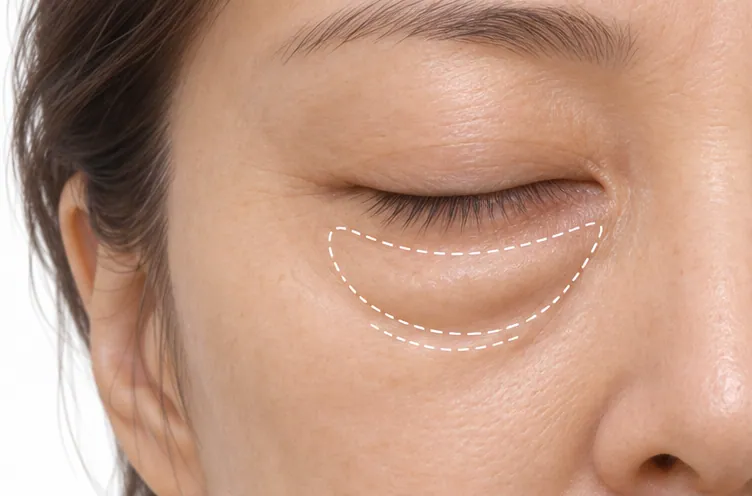
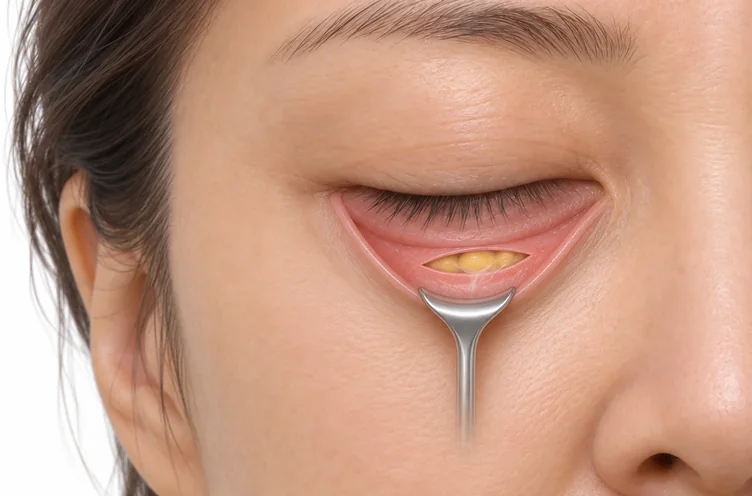
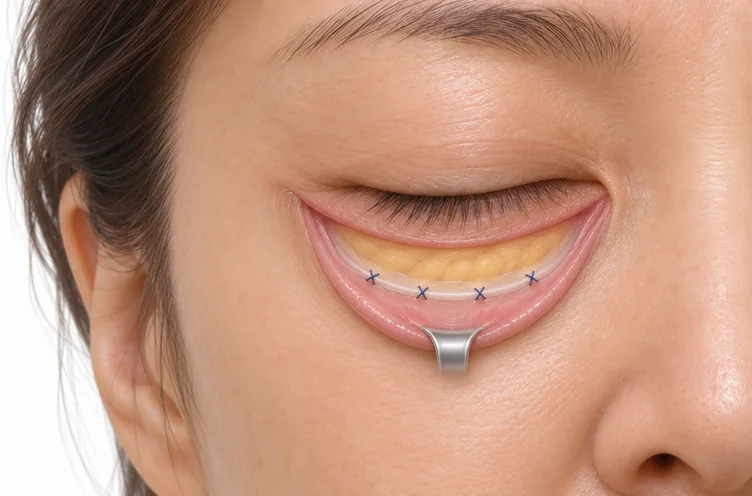
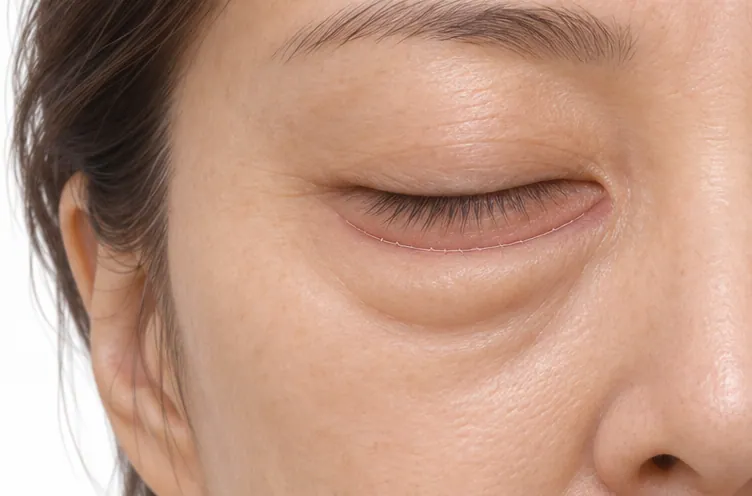
Answer One approach goes through the conjunctiva without a skin incision. Another uses an incision just below the eyelashes to treat the muscle and skin as well. The choice is made after assessing bulging, grooves, skin elasticity, and cheek position.
One approach goes through the conjunctiva on the inside of the eyelid without a skin incision. Another uses an incision just below the eyelashes to treat the muscle and skin as well. The choice is made after assessing bulging, grooves, skin elasticity, and cheek position.
When bulging and grooves are the main concerns
When skin and muscle sagging are also present
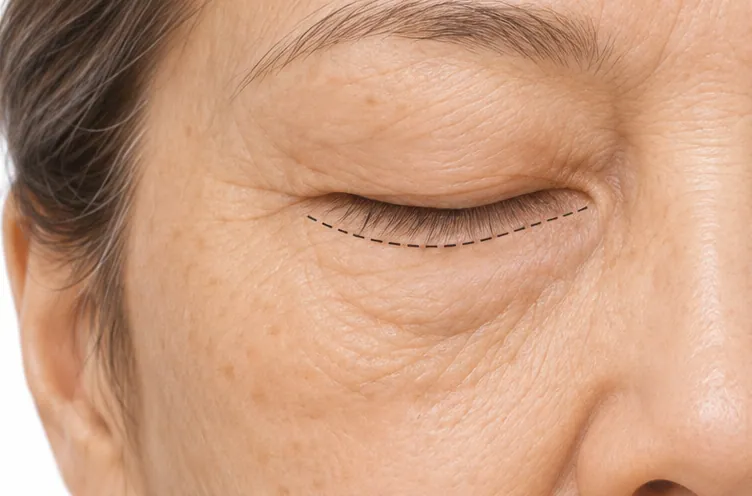
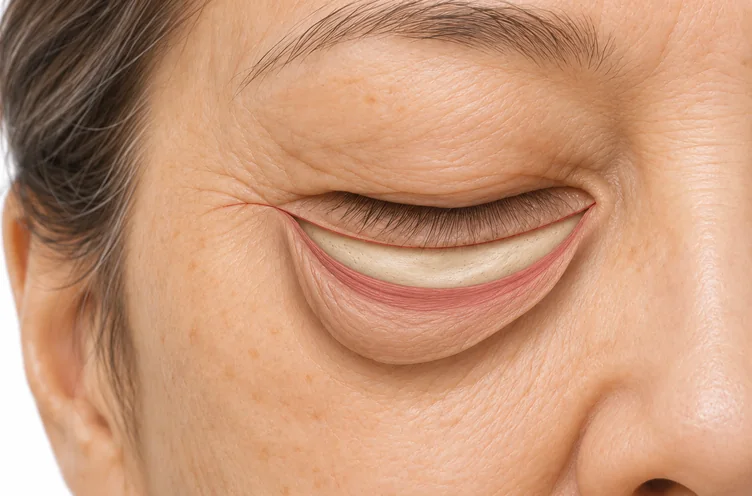
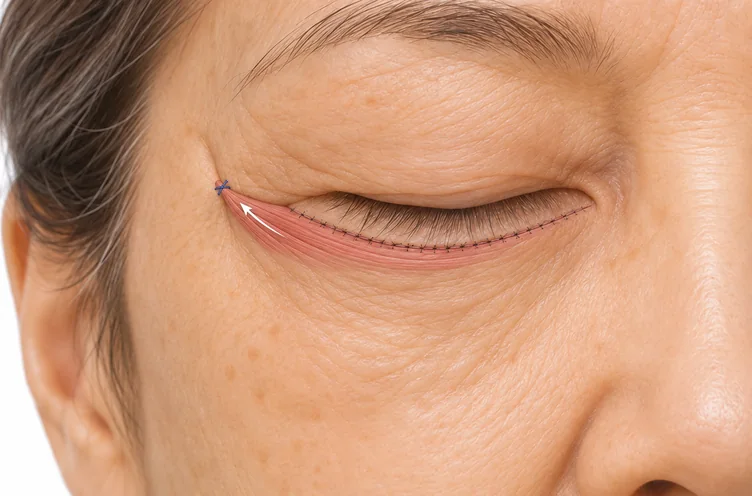
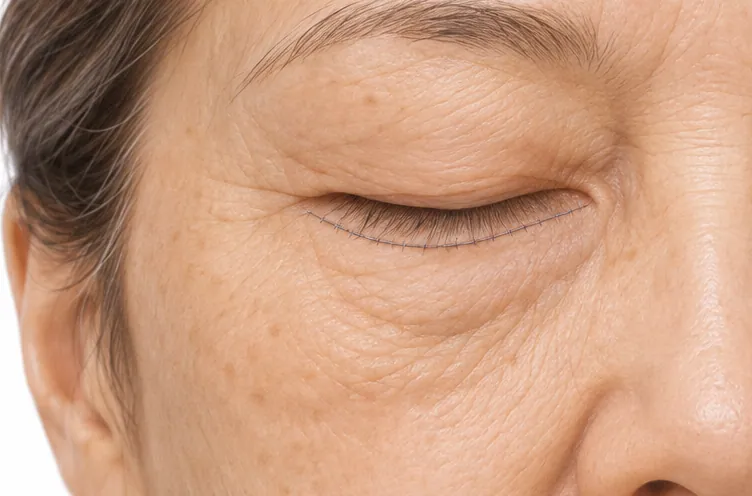
This is a simplified explanation of the typical steps. The actual technique and extent of treatment are determined after an examination.
Key point These are typical procedural approaches, but the actual approach and extent of surgery are determined after an examination.
Here is the answer to the initial question, “My under-eye area looks puffy and tired. Is treating the fat alone enough?” Under-eye bulging results from a combination of fat volume, weakening of the orbital septum, hollowing of the tear troughs, and descent of cheek fat, so we assess excess skin, lower eyelid support, and cheek position together. Treating the fat alone does not resolve all skin sagging or fine lines, and we do not immediately recommend surgery if pigmentation, blood vessels, lack of sleep, or swelling is the main cause. Our principle is to avoid making a decision based solely on under-eye bulging.
— Dr. Hyungwoo Yim
During your consultation, you can say, “I read your article on under-eye fat repositioning. Please explain what should be assessed first in my case,” and we will walk you through the points in the order presented here.
FAQ
Frequently Asked Questions
Why do I have under-eye bags or hollows in my 20s or 30s?
Orbital fat and the tissues supporting it contribute to bulging, while ligaments, bone structure, and fat distribution contribute to tear troughs. These features may be visible at a young age because of your natural anatomy and may become more noticeable with age. Lack of sleep can worsen puffiness and discoloration, but lifestyle habits alone do not explain structural hollows.
Can eye creams or massage correct under-eye concerns?
Eye creams and moisturizers may help support the skin barrier and manage fine lines caused by dryness. However, they cannot reverse bulging fat, tissue loss, or significant sagging. Vigorous massage and devices used around the eyes carry risks of irritation, burns, and eye injury. Moisturizing, sun protection, and avoiding eye rubbing are the basics. Whether surgery is needed depends on the current anatomy and whether function is impaired.
Do I need a midface lift at the same time?
Not everyone needs one. We consider the transition from the under-eye area to the cheeks, your desired changes, and the demands of surgery.
BEFORE CONSULTATION
What to Prepare Before Your Consultation
- Front-view photo · Eyes openPlease bring recent photos and, if available, photos taken before the changes appeared. They help us compare when the changes began.
- Records of previous eye surgery · TreatmentsWrite down when, where, and how you were treated, including whether you received filler or fat injections.
- Contact lenses · Eye drops · Daily habitsTell us how long you have worn contact lenses and what type, which eye drops you use, and whether you rub your eyes frequently.
- Discomfort when opening your eyesWrite down what you usually notice, such as whether you tense your forehead, your eyelids feel heavy, or your vision is obstructed.
- The one thing that concerns you mostMake it your first question at your consultation.
More articlesVITAL Plastic Surgery Medical Articles
RESERVATION
You do not need to decide the day of your consultation.
Organize questions about this page without entering your name, contact information, or medical history. This does not submit an appointment request.