PLASTIC SURGERY
MEDICAL COLUMN
Questions Answered Directly by the Doctor Before You Decide on Surgery
Skin Tightening
Articles
Facelift Surgery Time: How Long Does It Take and Will I Need to Stay Overnight?
At VITAL Plastic Surgery, a deep plane facelift takes approximately 4–5 hours and is performed under sedation or general anesthesia, without an overnight hospital stay. Facial stitches are removed after 5–7 days and scalp stitches after 10–14 days. Patients are generally advised to allow about 10 days before returning to daily activities, though recovery varies.
VITAL Plastic Surgery Medical Information · Published 2026.11.23 · Last reviewed 2026.11.23
SHORT ANSWER
First, the Short Answer
- At VITAL Plastic Surgery, a deep plane facelift takes approximately 4–5 hours and is performed under sedation or general anesthesia, without an overnight hospital stay. Facial stitches are removed after 5–7 days and scalp stitches after 10–14 days. Patients are generally advised to allow about 10 days before returning to daily activities, though recovery varies.
- The 4–5-hour estimate is an average. The time may vary depending on whether a neck lift is performed, how far the retaining ligaments are released, whether there is scar tissue from previous surgery, and whether other procedures are added on the same day. A mini facelift also involves an incision behind the ear and takes about as long as a full facelift.
- VITAL Plastic Surgery first examines the location and tissue layers involved in sagging, neck laxity, and your health to determine the extent of surgery. During your consultation, we explain the expected surgery time and recovery schedule based on that plan.
“How many hours does a facelift take, and can I go home right after it’s over?”
This is a paraphrase of a question we often hear during consultations.
To answer this question, we first need to distinguish where your current concern comes from. We will explain each point below, then return to the original question at the end.
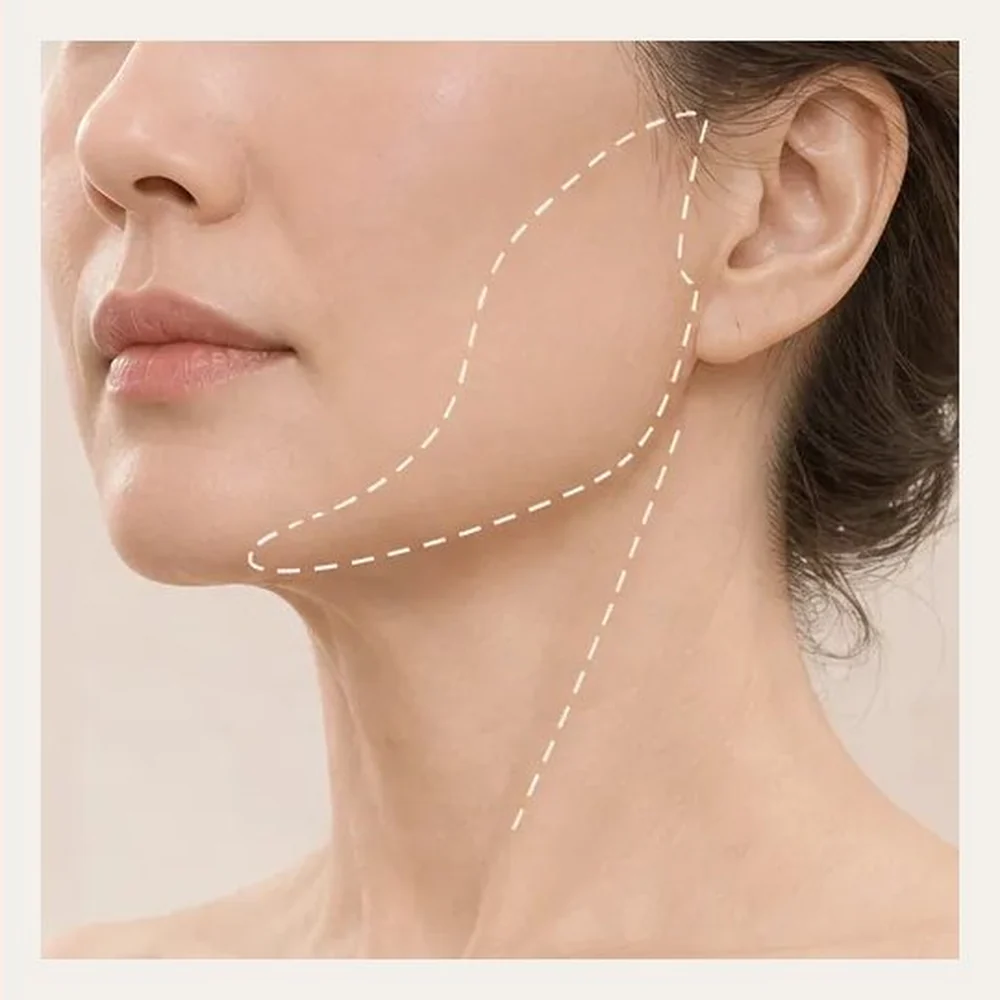
01How long does facelift surgery take?
Answer A deep plane facelift at VITAL Plastic Surgery takes approximately 4–5 hours. This is an average estimate based on the surgeon’s answer.
A deep plane facelift does more than pull the skin. The surgeon releases retaining ligaments, which anchor deep tissue toward the bone, in a layer beneath the fascia. The sagging tissue is then repositioned and secured. When both sides of the face are treated and the plan includes the neck and the area under the chin, surgery takes approximately 4–5 hours.
This time includes planning the direction of the lift and marking the incisions while you are seated; making incisions at the temples and in front of and behind the ears to reach the deeper layer, reposition the tissue, and secure it; and trimming excess skin and closing the incisions. Because the surgery involves deep tissue, it requires a thorough understanding of the areas where facial nerves pass.
Most people ask about surgery time because they are concerned about anesthesia and recovery. Along with the length of surgery, knowing how anesthesia and monitoring are managed during that time and when you can go home afterward can make it easier to plan your schedule. We explain each of these below.
The table below shows the average course from the day of surgery through one year afterward. This can vary depending on the extent of surgery, your health, and how your recovery progresses. We will provide a more precise time estimate during your consultation after determining the extent of surgery through an examination.
| Timing | What Happens | Reference |
|---|---|---|
| Before Surgery | Fasting, review of medications and medical history, and incision marking | Start fasting at the time specified by the clinic |
| Surgery | Sedation and local anesthesia, deep-layer dissection, fixation, and suturing | About 4–5 hours |
| Immediately after surgery | Blood pressure, pulse, oxygen saturation, and bleeding are checked in the recovery room | No hospital stay; go home once it is confirmed to be safe |
| 3–4 days after surgery | Peak Swelling | Rest with your head slightly elevated |
| 7–10 Days | Facial stitches removed after 5–7 days, scalp stitches after 10–14 days; return to daily activities after about 10 days | Varies by individual |
| 1, 3, and 6 months and 1 year | Follow-up checks; scars may continue to change for at least a year | Photos, discomfort, and function are reviewed together |
In Simple Terms The time needed for a facelift is similar to rehanging a sagging curtain. Pulling the fabric smooth is quick, but releasing the hooks attached to the rail and securing them back in place takes time for each hook. The number of hooks that need to be released can only be determined by looking, so the time is estimated after an examination.
Key points A facelift generally takes about 4–5 hours, is performed under sedation or general anesthesia, and does not require a hospital stay. The actual time varies depending on the extent of surgery.
Why does surgery time vary from person to person?
02Why does surgery time vary from person to person?
Answer The time varies depending on whether a neck lift is performed, how extensively the retaining ligaments are released, adhesions from previous surgery, and any additional procedures performed on the same day.
How far the retaining ligaments are released varies by case, but the retaining ligaments along the lower jaw that connect to the jawline are released in most cases. If there is significant neck sagging, a neck lift may be planned at the same time to bring the platysma, a thin muscle at the front of the neck, together and address the area up to the boundary beneath the chin. The time varies as the area treated becomes more extensive.
If you have previously had a lift or thread lift, there may be adhesions where tissues have stuck together. Letting us know about previous fillers, threads, and lifting procedures helps with planning, and ultrasound may be used to check their location and distribution if needed. For major procedures, the plan is reviewed again with photos the day before, and diagrams are drawn.
Research also shows that the time needed for procedures in the same category varies considerably depending on their extent. In a study reviewing 117 face and neck lifts, including deep-plane lifts, performed under local anesthesia at one institution, the average surgery time was about 5 hours, ranging from 3.5 to 8 hours1. Although the anesthesia method differs from that used at VITAL Plastic Surgery, the study shows that surgery time can vary considerably with the extent of a procedure, even when it has the same name.
A meta-analysis of 45 studies involving 10,784 patients who underwent deep-plane facelifts estimated an overall complication rate of 6.6%, a temporary facial nerve injury rate of 1.2%, and a hematoma rate of 1.8%2. VITAL Plastic Surgery therefore discusses risks such as nerve injury, changes in sensation, and hematoma before surgery.
Key points Surgery time is determined by the extent of the procedure more than its name, and that extent is determined through an examination.
Is a mini facelift much quicker?
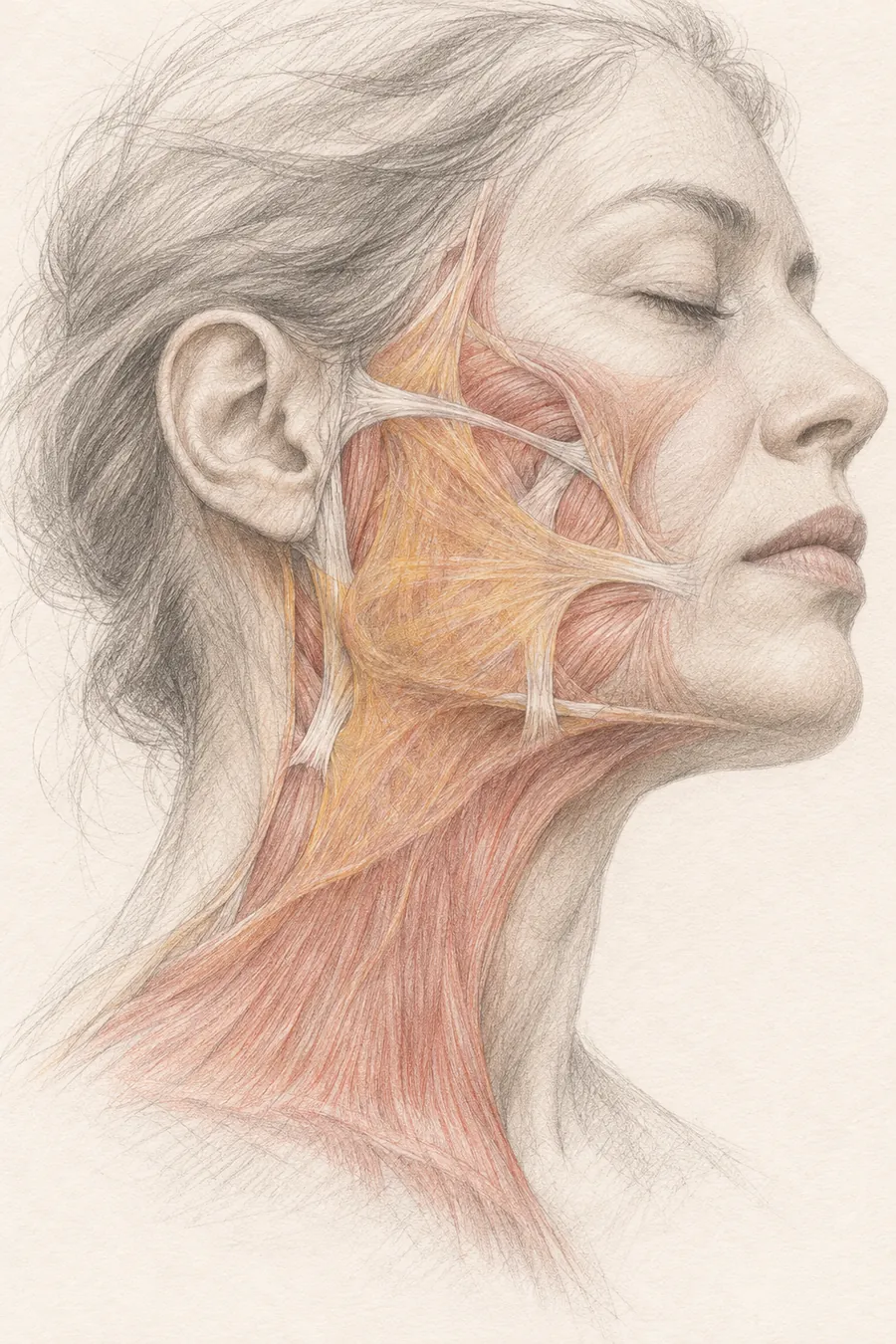
03Is a mini facelift much quicker?
Answer The only difference with a mini facelift is that the front incision does not extend into the scalp; the length of the incision behind the ear and the surgery time are similar to those of a full facelift.
A mini facelift addresses either the midface or the lower face when sagging is relatively mild and limited to a specific area. The name may suggest that the incision and surgery time are substantially reduced, but according to the doctor's explanation, the only difference is that the front incision does not extend into the hairline. The incision behind the ear is nearly the same length, and the surgery time is similar.
For this reason, VITAL Plastic Surgery explains that the choice of procedure should be based on the location and extent of sagging rather than surgery time or incision length. A mini facelift does not substantially reduce the incision or surgery time, and the appropriate method is decided together after an examination.
When sagging is mild, a mini facelift that treats only the midface or lower face may be considered. However, the difference is smaller than many expect, so it is more accurate to compare the areas treated rather than the numbers. Pulling only the sagging skin may leave the boundary between the jawline and neck unchanged. If sagging extends to the neck, the doctor also explains a treatment plan that includes a neck lift for comparison.
| Category | Facelift (deep plane + neck lift) | Mini facelift (midface or lower face) |
|---|---|---|
| Areas treated | Midface, lower face, jawline, and neck together | Selected areas with sagging |
| Front incision | Extends into the scalp | Does not extend up into the scalp |
| Incision behind the ear | Nearly the same as a mini facelift | Nearly the same as a facelift |
| Surgery Time | About 4–5 hours | Takes about the same time |
| When to consider | Sagging across a broad area | Mild sagging limited to specific areas |
Key points A mini facelift takes a similar amount of time, so the method is chosen based on the extent of sagging rather than the time required.
So, is it safe to have surgery for 4–5 hours under sedation or general anesthesia?
04Is it safe to have surgery for 4–5 hours under sedation or general anesthesia?
Answer With sedation, you continue to breathe on your own while local anesthesia is also used at the surgical site. Blood pressure, pulse, oxygen saturation, and breathing are monitored throughout the procedure.
General anesthesia uses medication to control both consciousness and breathing, and a tube is inserted to secure the airway. Sedation anesthesia uses sedatives to create a sleep-like state while you continue to breathe on your own. Local anesthesia is also used at the surgical site. The depth of sedation is adjusted based on the type of surgery and your physical condition.
During surgery, blood pressure, pulse, oxygen saturation, and breathing are monitored continuously, and the amount of medication is adjusted in response to changes in movement or breathing. Please inform the clinic in advance about medications you take regularly, allergies, snoring or sleep apnea, and alcohol and tobacco use so that sedation can be managed safely.
Even for procedures that can be performed under sedation, general anesthesia may be chosen depending on your health and level of anxiety. Before surgery, tests such as blood tests and an electrocardiogram are used to check your health. If the results are abnormal, surgery is postponed and the condition is treated first or another medical specialty is consulted.
Before surgery, stop eating and drinking at the time specified by the clinic. When anesthesia puts you to sleep, your swallowing reflex weakens, and food remaining in your stomach can come back up and enter your lungs. This restriction includes gum, candy, and even a sip of water. If you have not followed the fasting instructions, please tell the clinic so it can respond safely, such as by postponing surgery or changing the anesthesia method.
Key points During sedation, you continue to breathe on your own and are monitored continuously. The type of anesthesia may vary depending on your health.
If I don't stay overnight, when can I go home on the day of surgery?
05If I don’t stay overnight, when can I go home on the day of surgery?
Answer Facelift surgery at VITAL Plastic Surgery does not require an overnight stay. Once your safety has been confirmed in the recovery room, you can go home. Avoid driving that day.
After surgery, your blood pressure, pulse, and oxygen saturation are monitored in the recovery room while pain and nausea are managed. The surgical area is also checked for bleeding or swelling. Your time in recovery depends on the type of anesthesia and extent of surgery. Because people wake up at different rates, it may take longer than planned.
Sedation can temporarily affect your judgment and balance, so avoid driving and making important decisions that day. It is safer to go home with a responsible adult. Before you leave, you will receive instructions on positioning, medications, and symptoms that require you to contact the clinic.
In a study of 11,300 facelift patients using a large U.S. registry, major complications requiring an emergency room visit, hospital admission, or reoperation within 30 days occurred in 1.8%. The most common were hematoma (1.1%) and infection (0.3%)3. If you have sudden severe pain, bleeding that does not stop, rapidly worsening swelling on one side, or signs of infection such as a high fever or pus, contact us immediately rather than waiting for your scheduled appointment.
Possible risks after a facelift include hematoma, infection, scarring, changes in sensation, nerve injury, and asymmetry. This is not a complete list of possible risks. Risks can vary depending on your health, previous treatments, and the extent of surgery, and will be discussed with you before surgery.
Key points An overnight stay is not required, but you will go home after your safety has been confirmed in the recovery room. It is safer to have a responsible adult accompany you that day.
Then how much longer does surgery take if I have eye surgery on the same day?
06How much longer does surgery take if I also have eyelid surgery on the same day?
Answer The total operating time increases by the time needed for the additional procedure. We evaluate your health, total operating time, and the demands of recovery when considering whether to perform both procedures on the same day.
Having a facelift and eye surgery on the same day can be considered. The recovery periods are not simply added together, but total operating time increases, and swelling, discomfort, and the demands of aftercare may increase.
In the study of 11,300 patients mentioned above, major complications within 30 days occurred in 1.5% of patients who had a facelift alone and up to 3.7% of those who had it with other cosmetic procedures. Having additional procedures was identified as a factor associated with an increased risk of infection3. Because the study populations and conditions differ, these figures cannot be directly applied to any one person's risk.
For this reason, VITAL Plastic Surgery considers your health and total operating time before the convenience of having procedures together. We first check for high blood pressure, diabetes, and the use of anticoagulants. If these are not controlled, we do not proceed with surgery immediately.
Key points Surgery on the same day may be considered, but the decision is made after assessing the total surgery time and recovery demands.
When are stitches removed, and when can I return to daily activities after surgery?
07When are stitches removed, and when can I return to daily activities?
Answer Facial stitches are removed after 5–7 days and scalp stitches after 10–14 days. Patients are generally advised to allow about 10 days before returning to daily activities, though recovery varies.
Swelling is usually at its worst during the first 3–4 days after surgery, so sleep with your head slightly elevated. Use compression only if instructed to do so for your procedure. At about 1 week, bleeding, infection, swelling, and the condition of the wounds are assessed to determine when to remove the stitches.
About 10 days is a guideline for returning to daily activities, not the point at which recovery is complete. At 1 month, swelling, bruising, and wounds are checked. Around 3 months, firmness and tightness may occur. Scars may initially be red and firm and can continue to change for more than a year. You can tie your hair back again after checking that it does not pull on the wounds.
For patients traveling from overseas, we use approximately 14–21 days as a starting point for the consultation, including stitch removal and the first follow-up visit. This is not a fixed period set by the clinic; it may be longer depending on the risk of complications. Discuss the timing during your consultation before booking flights.
Through 3 months after surgery, care continues to address swelling and bruising and monitor wounds and scars. If needed, laser treatment to support scar healing and recovery may be considered. The care plan is determined after an examination based on the extent of surgery and your recovery; the same treatments are not recommended for everyone.
Key points Facial stitches are removed after 5–7 days and scalp stitches after 10–14 days. Return to daily activities is generally expected after about 10 days, with follow-up visits at 1, 3, and 6 months and 1 year.
08Three things we check first during your consultation
What we assess first during consultation
- Where the main sagging is and why it developed
- The tissue layers to be treated and the extent of correction, including whether to combine it with a neck lift
- What nonsurgical treatments can address and how surgery differs
These are general care principles. The actual decision is made after an examination.
When other care is needed first If high blood pressure or diabetes is uncontrolled, or if you are taking anticoagulants, surgery cannot proceed immediately; these must be addressed first. Surgery may not be recommended right away if there is minimal sagging and much of it could be addressed with nonsurgical treatments, or if it is difficult for you to take time for recovery.
Here is the answer to the initial question, “How many hours does a facelift take, and can I go home right afterward?” At VITAL Plastic Surgery, a deep plane facelift takes approximately 4–5 hours and is performed under sedation or general anesthesia, without an overnight hospital stay. After your safety has been checked in the recovery room, you can go home with an accompanying adult. Facial stitches are removed after 5–7 days and scalp stitches after 10–14 days. We will give you a more precise estimate of the surgical time after an examination determines the extent of sagging and whether a neck lift is needed.
— VITAL Plastic Surgery
When booking, simply let us know, “Please start by assessing how far the sagging extends and the extent and duration of surgery.” We will begin with those points during your consultation. You do not have to make a decision on the day of your consultation.
Related ReadingDeep Plane Facelift · Neck Lift Care GuideHow Long a Facelift LastsFacelift ScarsMini facelift incisionTerminology · Sedation
READ NEXT
Read Next

FAQ
Frequently Asked Questions
Is a facelift performed under general anesthesia?
Deep plane facelift surgery at VITAL Plastic Surgery is performed under sedation or general anesthesia. General anesthesia may be selected depending on your health and level of anxiety. The choice is made after reviewing your preoperative tests and medical history.
Does adding a neck lift make surgery take longer?
It may, depending on the areas being treated. The approximately 4–5 hours quoted by VITAL Plastic Surgery is the average when a deep plane facelift and neck lift are planned together. Your estimated time will be provided after an examination determines the scope of surgery.
Does a mini facelift take less time?
The only difference is that the front incision does not extend into the scalp. The length of the incision behind the ear and the surgery time are similar to those of a full facelift. The technique is chosen based on the location and extent of sagging rather than surgery time.
Is an overnight hospital stay really unnecessary?
According to the surgeon, an overnight stay is not required. Your blood pressure, pulse, oxygen saturation, and any bleeding are checked in the recovery room, and you can go home once it is confirmed that it is safe to do so. It is safer to avoid driving and have someone accompany you that day.
Do I need to fast before surgery?
Yes. When you are asleep under anesthesia, your swallowing reflex weakens, and food remaining in your stomach may come back up. Stop eating and drinking, including water, at the time specified by the clinic. Discuss any medications you need to take in advance.
When are stitches removed, and when can I return to work?
Facial stitches are removed after 5–7 days and scalp stitches after 10–14 days. Patients are generally advised to allow about 10 days before returning to daily activities. Recovery varies, and swelling and bruising are still assessed at one month, so it is best to plan events where your face will be visible based on your progress.
How long should I stay if I am traveling from abroad?
Approximately 14–21 days, including stitch removal and the first follow-up appointment, is used as a starting point for the consultation. This is not a period confirmed by the clinic and may be extended depending on the risk of complications, so the timing is arranged during your consultation before booking your flight.
Does a longer surgery mean better results?
Surgery time and results are not the same thing. The time depends on the areas treated, adhesions from previous surgery, and any procedures performed at the same time. Results and recovery vary from person to person.
BEFORE CONSULTATION
What to Prepare Before Your Consultation
- Medications and supplements you are takingPlease tell us about everything you take, including anticoagulants, herbal medicines, and supplements such as omega-3. We recommend stopping supplements whenever possible because they can increase the tendency to bleed.
- Medical historyWe check whether high blood pressure and diabetes are under control. If they are not, surgery cannot proceed right away.
- History of fillers, threads, and lifting proceduresPlease tell us about any previous fillers, threads, or lifting procedures. If needed, we use ultrasound to check their location and distribution.
- Snoring·Sleep ApneaWe need to know in advance so we can safely manage sedation.
- SchedulingFor an easier consultation, plan your schedule around approximately 10 days before returning to daily activities, or approximately 14–21 days if you are traveling from abroad.
REFERENCES
References
- Lombardi M, Ponzo M, Santamaria E, et al. Facelift Under Local Anesthesia: A Retrospective Single-Center Series of 117 Patients Undergoing Deep Plane, High SMAS, and Coronal Rhytidectomy. Aesthetic Surgery Journal Open Forum. 2026. doi:10.1093/asjof/ojag166 (View abstract)
- Koroma P, Reji N, Burridge I, et al. Deep Plane Facelifts: A Systematic Review and Meta-Analysis of Outcomes. Aesthetic Plastic Surgery. 2026. doi:10.1007/s00266-026-06138-x (View abstract)
- Gupta V, Winocour J, Shi H, et al. Preoperative Risk Factors and Complication Rates in Facelift: Analysis of 11,300 Patients. Aesthetic Surgery Journal. 2016. doi:10.1093/asj/sjv162 (View abstract)
The findings in these papers reflect the participants and conditions of each study and do not mean that every individual will have the same results.
This article provides general medical information and does not replace diagnosis or treatment. Surgical results and recovery vary by individual, and complications such as bleeding, infection, scarring, and asymmetry may occur.
More articlesVITAL Plastic Surgery Medical Articles
RESERVATION
You do not need to decide the day of your consultation.
Organize questions about this page without entering your name, contact information, or medical history. This does not submit an appointment request.