PLASTIC SURGERY
MEDICAL COLUMN
Questions Answered Directly by the Doctor Before You Decide on Surgery
Body
Articles
Loose abdominal skin after childbirth: Is liposuction enough?
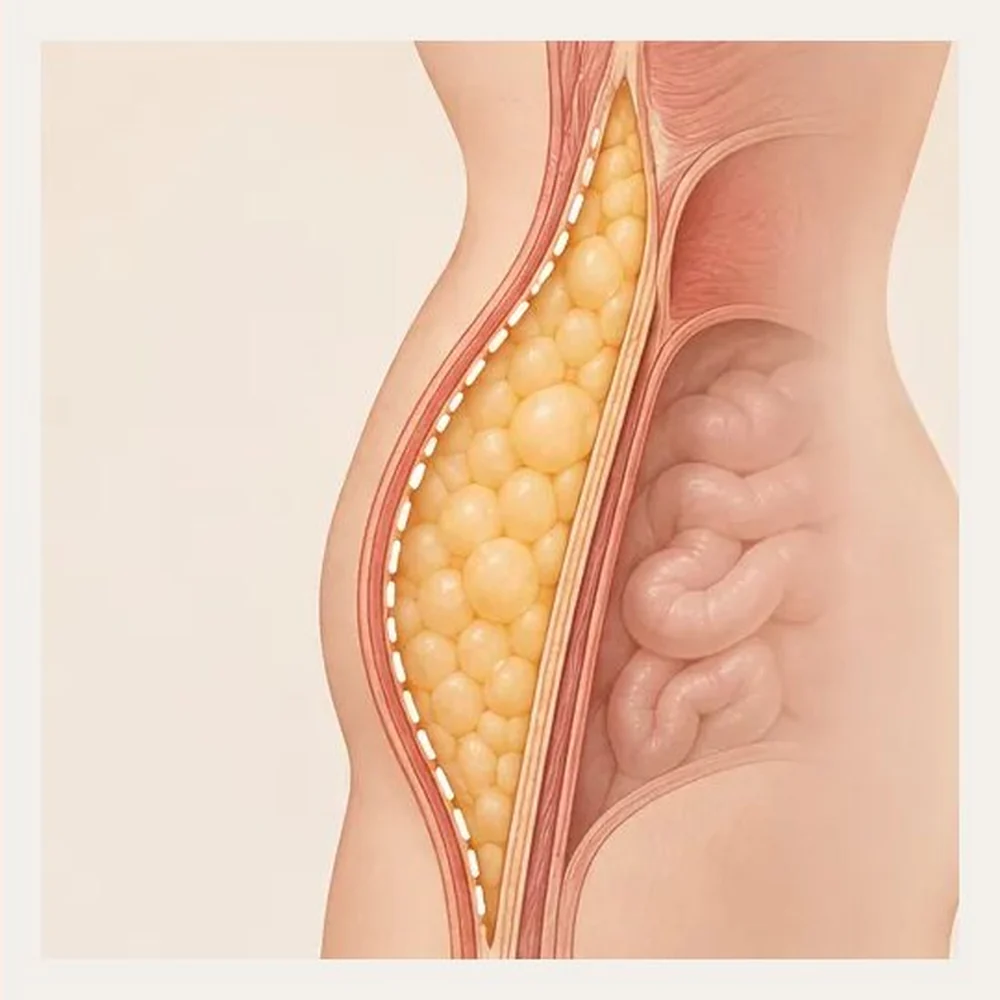
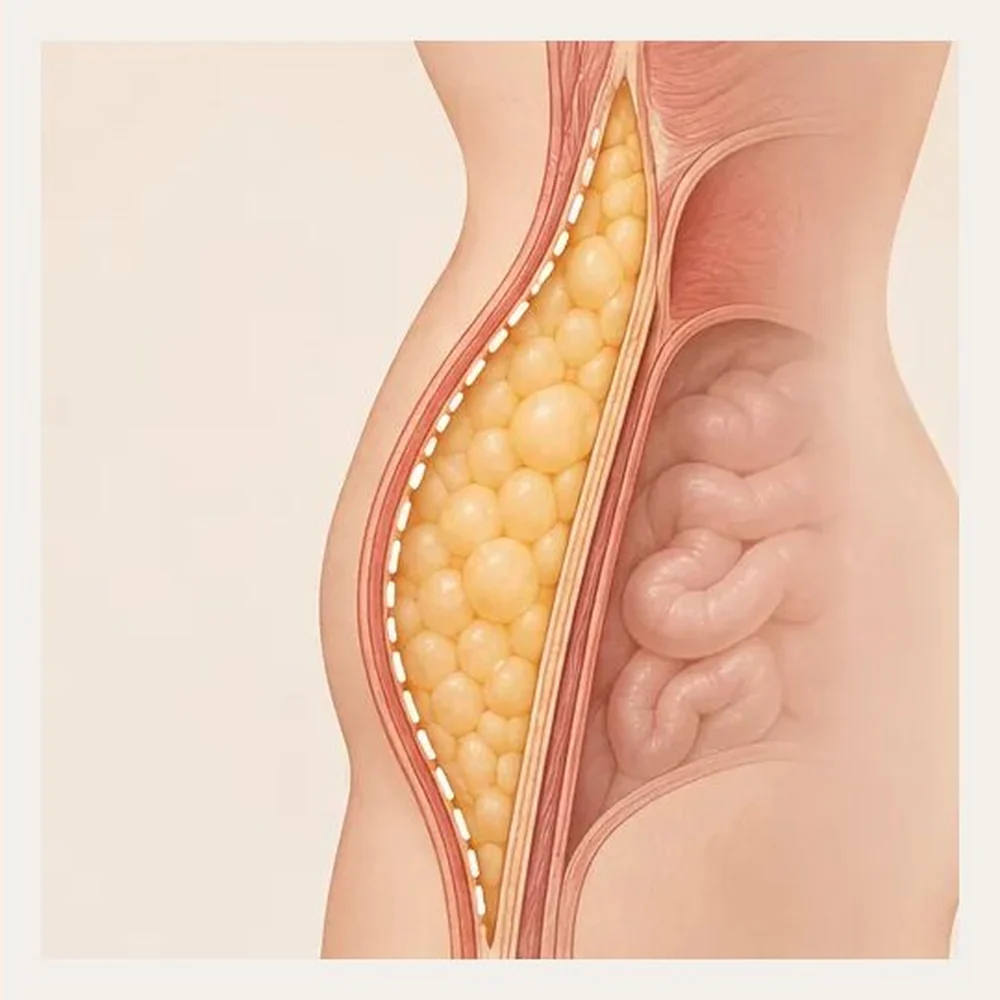
Liposuction is appropriate when the skin is firm and the abdomen simply has a thick layer of fat. But if pregnancy has stretched and wrinkled the skin, removing fat alone will leave that skin behind.
Medically reviewed by Dr. Hyungwoo Yim, Medical Director (Board-Certified Plastic Surgeon) · Published 2026.11.11 · Last reviewed 2026.11.11
SHORT ANSWER
First, the Short Answer
- Liposuction is appropriate when the skin is firm and the abdomen simply has a thick layer of fat. But if pregnancy has stretched and wrinkled the skin, removing fat alone will leave that skin behind.
- If separated abdominal muscles are also causing the center of the abdomen to protrude, addressing the skin and fat may not change the contour enough. In this case, a tummy tuck that tightens the abdominal wall is considered.
- At VITAL Plastic Surgery, we pinch the skin to assess excess skin and elasticity, check for abdominal muscle separation and hernias, and review future pregnancy and weight plans, smoking, and diabetes before determining whether liposuction, a mini tummy tuck, or a full tummy tuck is appropriate.
“Even with exercise after childbirth, my lower belly folds over and sags. Would liposuction be enough?”
This is a paraphrase of a question we often hear during consultations.
To answer this question, we first need to distinguish where your current concern comes from. We will explain each point below, then return to the original question at the end.
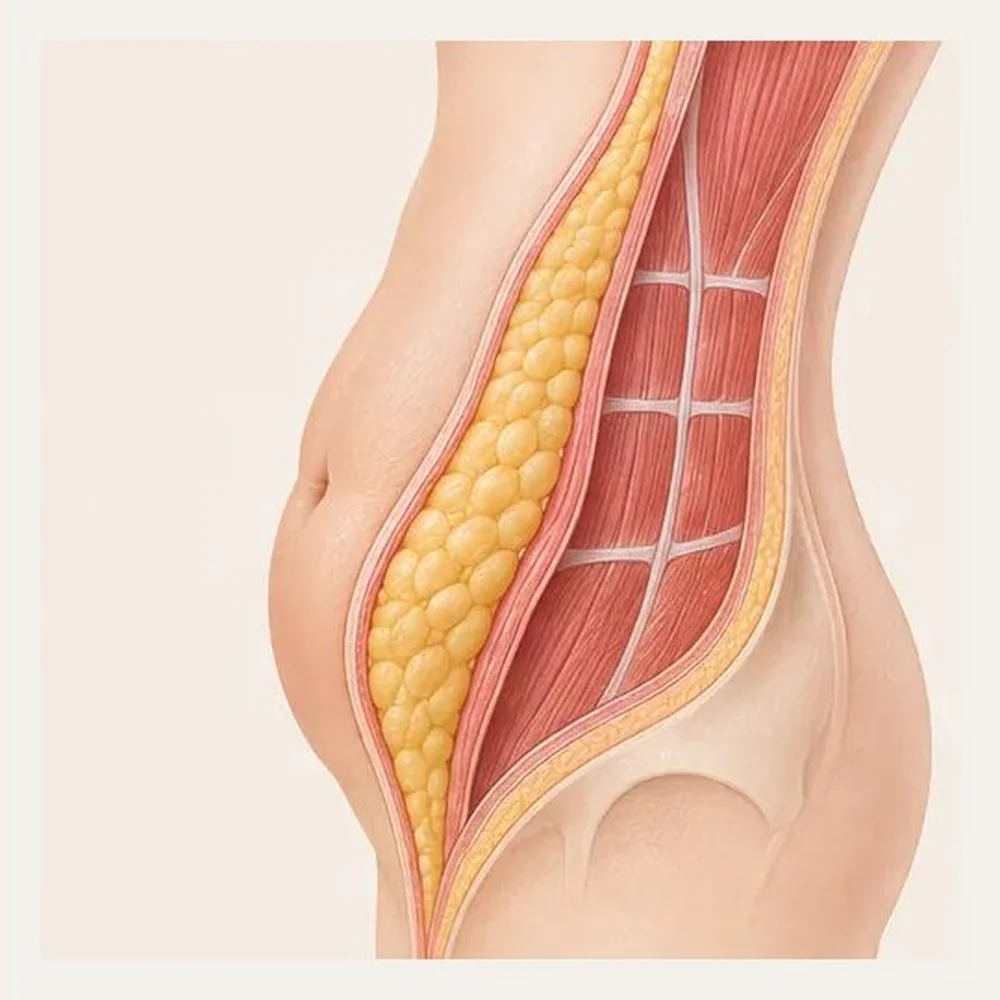
01Why is it hard to reduce a postpartum belly with exercise?
Answer A sagging belly after pregnancy may be caused by stretched skin and separated abdominal muscles as well as fat.
During pregnancy, the abdominal skin and abdominal wall stretch considerably. Even after your weight returns to its previous level, the stretched skin may not shrink as much, leaving the lower belly wrinkled and sagging. Exercise mainly helps reduce fat and improve muscle strength, so it is difficult to reverse already stretched skin through exercise.
Separation of the abdominal muscles is another common change. When pregnancy or a major weight change widens the gap between the left and right rectus abdominis muscles along the center of the abdomen, it is called diastasis recti. A bulge along the midline when you tense your abdomen may suggest this separation.
A Norwegian study that followed 300 women during their first pregnancy through 12 months after childbirth found diastasis recti measuring at least two finger widths in 33.1% at 21 weeks of pregnancy, 60.0% at six weeks postpartum, 45.4% at six months, and 32.6% at 12 months1. This means that although the separation decreased over time for many women, it remained in about one in three women a year later.
The same study found no difference in lower back or pelvic pain between women with and without diastasis recti1. This means that not everyone with separation needs treatment; both appearance and the degree of discomfort should guide the decision.
The starting point for evaluating a postpartum abdomen is to assess fat, skin, the abdominal wall, and visceral fat separately. The main cause determines whether exercise and weight management will be enough, whether liposuction is appropriate, or whether a tummy tuck is needed.
| Cause | How it looks | What we consider first |
|---|---|---|
| Fat | A thick layer of fat can be pinched, while the skin is firm | Liposuction |
| Stretched skin | Wrinkled, sagging skin below the belly button | Mini tummy tuck |
| Loose skin extending above the belly button and abdominal muscle separation | The midline bulges when the abdomen is tensed | Full tummy tuck |
| Visceral fat | The abdomen protrudes despite little pinchable fat | Weight and health management first |
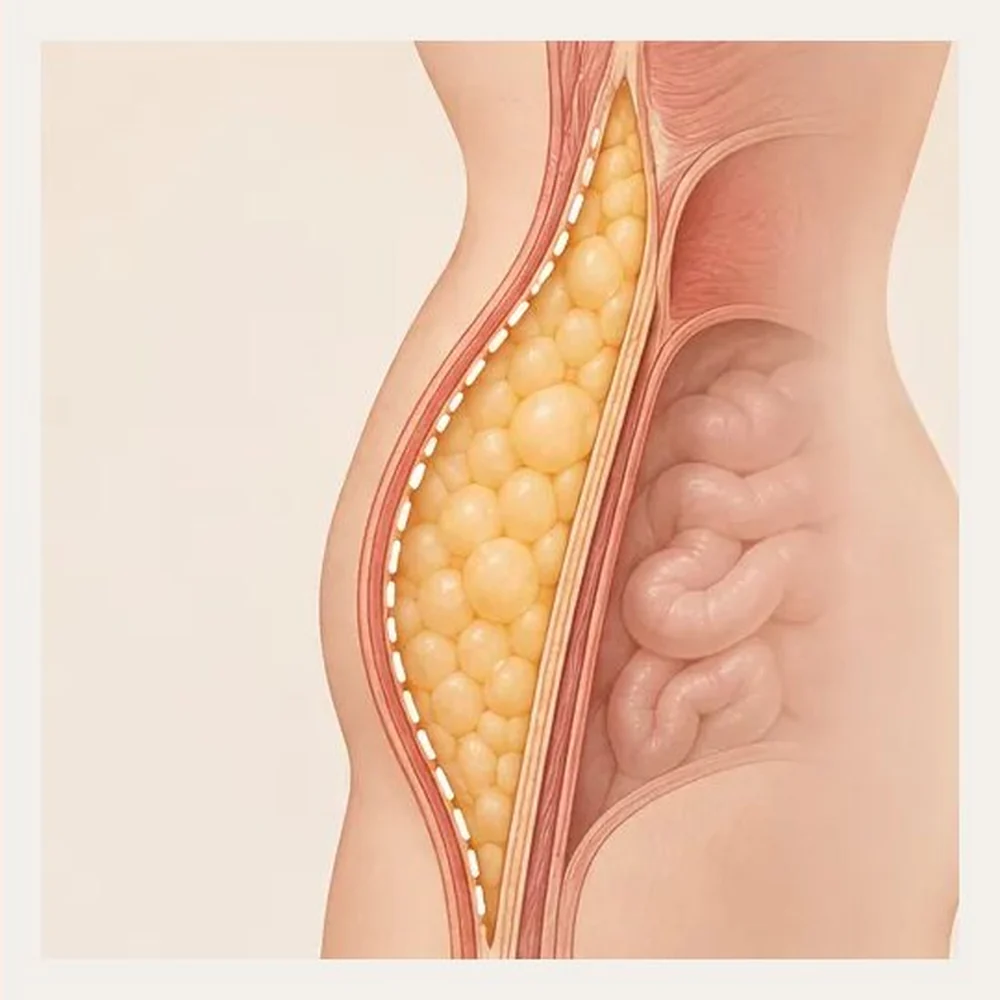
In Simple Terms A postpartum abdomen is like the covering of a balloon that has been greatly inflated and then deflated. Removing more air (fat) still leaves the stretched covering (skin) wrinkled. If the supporting straps inside the covering (the fascia surrounding the abdominal muscles) have separated, the bulge in the middle also remains. That is why we separately assess whether to remove air (liposuction), reduce the covering (a tummy tuck), or retie the supporting straps (repair the abdominal muscle separation). If the balloon may be inflated again (another pregnancy), it is best to postpone reducing the covering until afterward.
So what determines whether liposuction or a tummy tuck is appropriate?
02What determines whether liposuction or a tummy tuck is appropriate?
Answer The deciding factor is the skin. If it can shrink after fat removal, liposuction is considered. If the skin is stretched and wrinkled, a tummy tuck is considered.

Liposuction removes fat, so the remaining skin must have enough elasticity to shrink afterward. When pregnancy or weight changes have stretched and wrinkled the skin, removing fat alone leaves that skin behind. Liposuction is therefore appropriate when there is excess fat but the skin remains firm.
A tummy tuck removes stretched abdominal skin and the fat beneath it, then pulls the remaining skin downward and sutures it closed. If needed, the gap between the separated abdominal muscles is tightened at the same time. Removing the skin directly leaves a long scar.
A hands-on assessment of the skin helps determine whether an approach with less scarring or one that addresses excess skin is appropriate. VITAL Plastic Surgery also recommends a consultation for people who want to determine whether liposuction alone is sufficient or a tummy tuck is needed.
Research also shows a difference. A U.S. study using photographic measurements of 301 cases involving liposuction or abdominoplasty found greater reductions in abdominal width at the belly button and hip width when abdominoplasty was combined with liposuction than with liposuction alone2. This means that when both the skin and abdominal wall are stretched, liposuction alone may not meet expectations.
During the consultation, we assess the extent of sagging while you stand and check whether the center of the abdomen bulges when you tense it. Pinching the skin helps estimate whether excess skin will remain after fat removal. Based on this assessment, we explain whether liposuction, a mini tummy tuck, or a full tummy tuck is appropriate.
So how do mini and full tummy tucks differ?
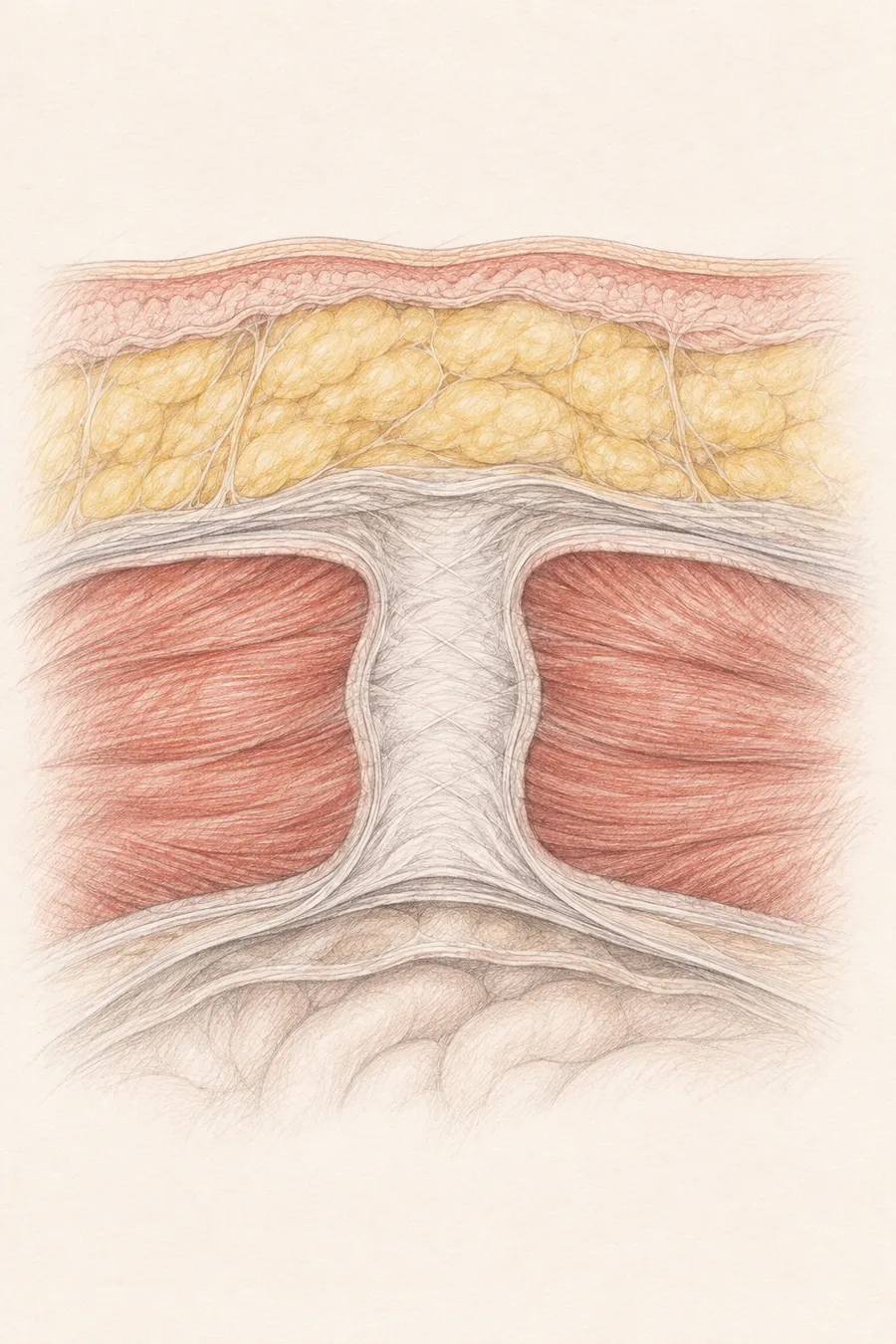
03How do mini and full tummy tucks differ?
Answer The distinction depends on whether loose skin extends above the belly button and whether abdominal muscle separation extends into the upper abdomen.
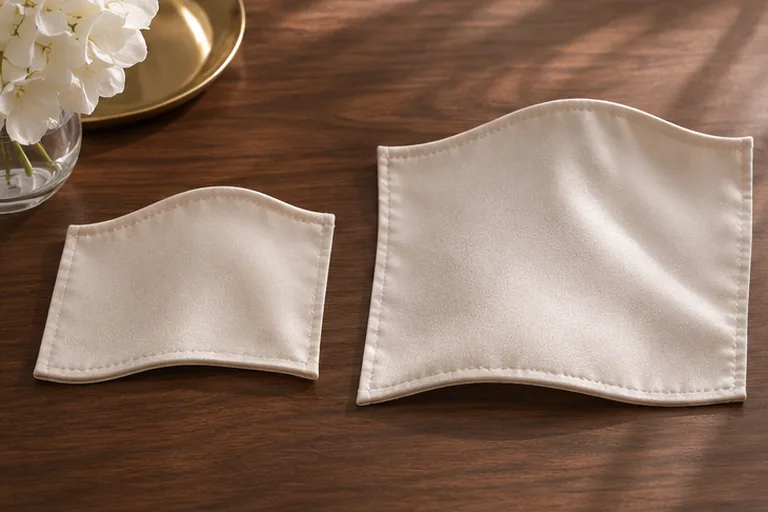
A mini tummy tuck is appropriate for loose skin below the belly button. The incision is shorter, and the belly button is often left in place. After assessing the extent of sagging while you stand, a short incision is marked above the pubic area. The skin and fat below the belly button are then lifted from the abdominal wall, excess skin is removed, and the lower abdominal wall is tightened if needed.
A full tummy tuck is considered when loose skin extends above the belly button or muscle separation extends into the upper abdomen. It involves lifting the abdominal skin toward the upper abdomen near the bottom of the breastbone, making a separate incision around the belly button, and bringing it through a new opening. The procedure is therefore more extensive and recovery is more demanding.
If there is substantial fat along the flanks and waistline, a tummy tuck can also be combined with liposuction. However, the extent of liposuction must be adjusted to account for blood flow to the lifted skin. Combining the procedures may increase swelling, discomfort, and aftercare needs.
If you are deciding between a mini and full tummy tuck, consider both the scarring and the changes you expect. A mini tummy tuck may leave upper abdominal wrinkles when loose skin extends above the belly button. Conversely, a full tummy tuck may make the procedure and recovery more extensive than necessary when loose skin is limited to below the belly button.
| Category | When it may be appropriate | Scarring and recovery demands |
|---|---|---|
| Mini tummy tuck | Loose skin only below the belly button | Short scar above the pubic area; belly button usually left in place |
| Full tummy tuck | Loose skin extending above the belly button and abdominal muscle separation | Horizontal scar above the pubic area and a scar around the belly button; more demanding recovery |
| Tummy Tuck + Liposuction | Substantial fat along the flanks and waistline as well | Skin blood flow must be considered; increased swelling and aftercare needs |
So how are separated abdominal muscles addressed?
04How are separated abdominal muscles addressed?
Answer If abdominal muscle separation is causing the belly to protrude, removing skin alone is insufficient. Bringing the fascia surrounding the abdominal muscles together at the midline and suturing it is also considered.
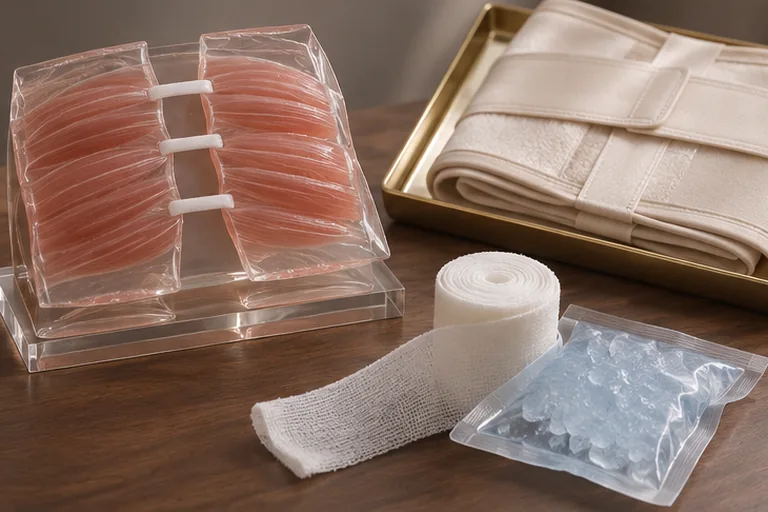
Even with the same degree of abdominal sagging, removing skin will not change the contour enough if muscle separation is causing the abdomen to protrude. In this case, the fascia surrounding the separated abdominal muscles can be brought together at the midline and sutured. This tightens the supporting abdominal wall.
During a full tummy tuck, the skin and fat are lifted toward the upper abdomen near the bottom of the breastbone, and the belly button is separated from the surrounding skin. The fascia surrounding the separated abdominal muscles is then brought together at the midline and sutured along its length. Excess skin is removed, a new opening is made for the belly button, and the incision is closed in layers.
If your abdomen protrudes because of excess visceral fat, surgery will not resolve it, so weight and health management come first. The examination also checks for a hernia. Tightening the abdominal wall does not remove the visceral fat inside, so identifying the cause comes first.
When abdominal wall tightening is included, movements that engage your abdomen may be uncomfortable at first after surgery. We explain in advance how to position yourself and move immediately after surgery, and when you can resume everyday activities such as holding or lifting your child.
Where will the scars be, and how extensive will they be?
05Where will the scars be, and how long will they be?
Answer The incision usually runs horizontally above the pubic area, where underwear or a swimsuit can cover it. A full tummy tuck also leaves a scar around the belly button.
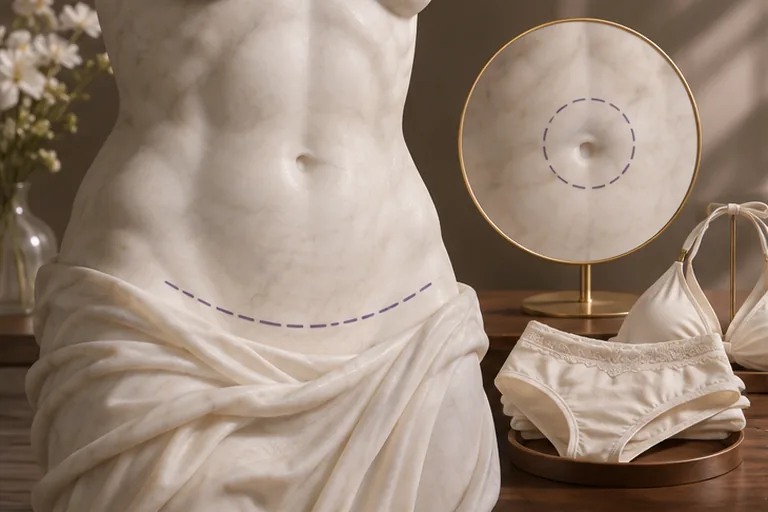
A tummy tuck leaves a long horizontal scar above the pubic area. VITAL Plastic Surgery discusses its location and length with you before surgery. The incision is usually placed where underwear or a swimsuit can cover it, and a full tummy tuck also leaves a scar around the belly button.
The large scar fades rather than disappears, and its redness and firmness change over several months or longer. Scar care is important because this area places considerable tension on the wound. At VITAL Plastic Surgery, scar care with injections and laser treatments begins one month after surgery and continues for at least 6 months.
You can often have a tummy tuck even if you have a C-section scar. Whether that scar can be removed along with the skin within the planned incision depends on its location, so we assess it when planning the incision. Previous surgical scars affect blood flow, so please tell us about your surgical history.
If you cannot set aside enough recovery time or are uncomfortable with a long scar, we do not recommend proceeding directly with a tummy tuck. Instead, we compare the changes you can expect from options that leave smaller scars, along with their limitations.
What are the risks of a tummy tuck, and when should it be scheduled?
06What are the risks of a tummy tuck, and when should I have surgery?
Answer We monitor for seroma, hematoma, infection, wound separation, problems with blood flow to the skin, reduced sensation in the lower abdomen, and blood clots in the legs. Surgery is planned after considering future pregnancy plans and once your weight is stable.
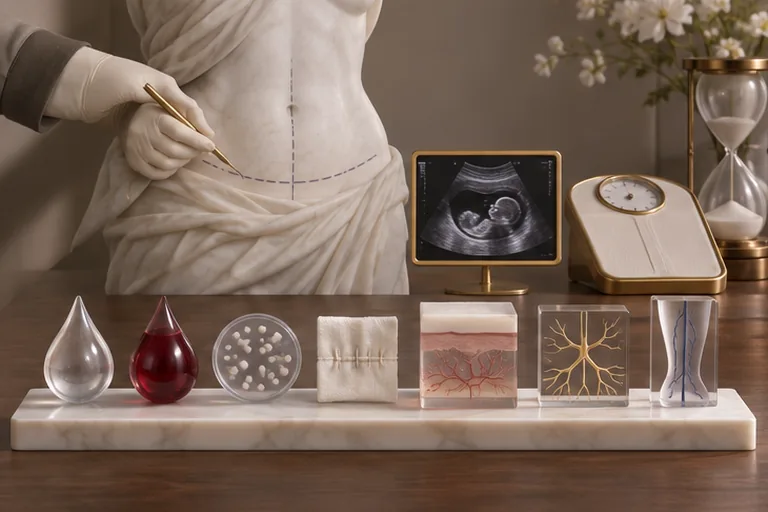
Because this surgery lifts a broad area of skin, possible complications include seroma (a buildup of clear fluid in the space beneath the skin after surgery), hematoma, infection, wound separation, and problems with blood flow to parts of the skin. Seromas are relatively common after a tummy tuck, so we check for them during follow-up visits and can drain the fluid if it collects. Reduced sensation in the lower abdomen is also common.
Because mobility is reduced after this surgery, blood clots in the legs are also a concern. Smoking and diabetes make wound healing more difficult, so we always assess them before surgery. We do not recommend proceeding directly with surgery if you have difficulty stopping smoking or need better diabetes control.
Large datasets also identify risk factors. A study of U.S. cosmetic surgery complication data analyzed more than 50,000 abdominoplasty procedures performed from 2015–2022. The overall major complication rate was 2.1%, with significantly higher risk among patients who were underweight or severely obese, had diabetes, or were male. After adjustment for risk factors, combining abdominoplasty with other cosmetic procedures did not further increase major complications.3.
Timing also matters. Pregnancy can stretch the abdominal skin and abdominal wall again, so we adjust the timing of surgery if you plan to become pregnant soon. If you are still losing weight, we reassess once you are closer to your target weight. Surgery addresses excess skin and the abdominal wall; it is not a method of weight loss.
VITAL Plastic Surgery explains these risks during your consultation and determines the extent of surgery after discussing your health and schedule. We may not recommend proceeding directly with surgery if the treatment would place too much strain on you or you cannot set aside enough recovery time. You do not need to make a decision on the day of your consultation.
What does recovery after surgery look like?
07What is recovery like after surgery?
Answer At first, keeping your upper body slightly bent forward is more comfortable, and you gradually straighten up. Swelling and bruising are most pronounced on days 3–4.

Because the abdominal skin is pulled tight and sutured, a slightly bent-forward posture is often more comfortable at first, with a gradual return to standing upright. Gentle walking is often started early to help reduce blood clots in the legs. Guidance on posture and how long to wear a compression garment depends on the extent of surgery.
Early follow-up visits check wound healing, infection, and fluid buildup. It takes several months for the tissues to soften and the contours to settle, and significant weight changes can alter the shape. Scar care begins at one month and continues thereafter.
The following is a typical timeline, and recovery varies from person to person. If you develop sudden severe pain, bleeding that will not stop, rapidly worsening swelling on only one side, or swelling and pain in only one leg, contact us immediately rather than waiting for your scheduled appointment.
Before surgery, we recommend stopping herbal medicines and supplements such as omega-3s whenever possible because they may increase bleeding, and we review all medications you take. We document your condition before treatment and use consistent criteria to assess your progress, considering discomfort and changes in sensation as well as photographs.
| Timing | What Happens | What to Keep in Mind |
|---|---|---|
| 3–4 days after surgery | When swelling and bruising are pronounced | Gentle walking, adequate nutrition and hydration |
| Early After Surgery | Check wounds, infection, and fluid buildup | Wear the abdominal binder 24 hours a day for 6 weeks (except when showering), then at night for 2–6 weeks |
| Starting at One Month | Begin scar care | Injections and laser treatments for at least 6 months |
| 3 months–1 year | Tissue softens and contours settle | Significant weight changes also change the shape |
08Three things we check first during your consultation
What we assess first during consultation
- Excess skin and elasticity — assessing the skin by hand to determine whether liposuction alone is enough or a tummy tuck is needed
- Abdominal muscle separation, hernias, and whether visceral fat is causing the abdomen to protrude
- Future pregnancy and weight plans, smoking, diabetes, and scars from previous surgeries such as a C-section
These are general care principles. The actual decision is made after an examination.
When other care is needed first If you plan to become pregnant soon or are still losing weight, it is best to postpone surgery. If visceral fat is the main reason your abdomen protrudes, weight and health management come first. We also do not recommend proceeding directly with a tummy tuck if you have difficulty stopping smoking, need better diabetes control, cannot set aside enough recovery time, or are uncomfortable with a long scar.
Here is the answer to the opening question: “After childbirth, my lower belly still folds over and sags even when I exercise. Would liposuction help?” If your skin is firm and excess fat is the only issue, liposuction is appropriate. But if your skin has stretched and developed folds, or your abdominal muscles have separated, liposuction alone may not provide as much change as you expect. VITAL Plastic Surgery first assesses your skin and abdominal wall and discusses your future pregnancy and weight plans, then chooses an approach with you after reviewing the location and length of the scars.
— VITAL Plastic Surgery
When booking, simply leave a note saying, “Please assess whether liposuction is enough or whether I need a tummy tuck,” and we will start there during your consultation. You do not need to make a decision on the day of your consultation.
Related ReadingTummy Tuck Consultation Information
READ NEXT
Read Next
FAQ
Frequently Asked Questions
Can I have a tummy tuck if I have a C-section scar?
It is often possible to have the procedure. Whether the existing scar can be removed along with the tissue within the planned incision depends on its location, so this is assessed when planning the incision.
Can I stand upright and walk immediately after surgery?
At first, many people feel more comfortable bending slightly forward, then gradually straightening up. Gentle walking is often started early to help reduce blood clots in the legs.
Is it better to combine it with liposuction?
If there is substantial fat along the flanks and waistline, the procedures can be combined. However, the extent of liposuction must be adjusted to account for blood flow to the lifted skin, and swelling and aftercare needs may increase.
Can I get pregnant again after surgery?
Pregnancy can stretch the abdominal skin and abdominal wall again. If you plan to become pregnant again soon, it is best to adjust the timing of surgery.
When will the scars fade?
Redness and firmness continue to change over several months or longer. Scars fade rather than disappear. Scar treatment with injections and lasers begins one month after surgery and continues for at least six months.
BEFORE CONSULTATION
What to Prepare Before Your Consultation
- Childbirth History and Future Pregnancy PlansPlease tell us how many times you have given birth, the delivery methods (vaginal delivery or C-section), when you last gave birth, and whether you plan to become pregnant again.
- Weight changesBring a record of your weight before pregnancy, your current weight, and any further weight-loss plans. Surgery is planned once your weight is stable.
- Previous Abdominal SurgeryPlease tell us about any C-sections, laparoscopic procedures, hernia repairs, or other abdominal surgeries, as they affect incision planning and blood flow.
- Smoking and DiabetesSmoking and diabetes make wound healing more difficult, so we always assess them before surgery. Please also tell us about every medication you take.
- Planning Support During RecoveryFor the first few days, you may need to keep your upper body bent forward and may have difficulty lifting your child, so plan ahead for when you can get help.
REFERENCES
References
- Sperstad JB, Tennfjord MK, Hilde G, et al. Diastasis recti abdominis during pregnancy and 12 months after childbirth: prevalence, risk factors and report of lumbopelvic pain. British Journal of Sports Medicine. 2016. doi:10.1136/bjsports-2016-096065 (View abstract)
- Swanson E. Photographic measurements in 301 cases of liposuction and abdominoplasty reveal fat reduction without redistribution. Plastic and Reconstructive Surgery. 2012. doi:10.1097/PRS.0b013e3182589ef7 (View abstract)
- Chaker SC, Hung YC, Saad M, et al. Complications and Risks Associated With the Different Types of Abdominoplasties: An Analysis of 55,956 Patients. Aesthetic Surgery Journal. 2024. doi:10.1093/asj/sjae060 (View abstract)
The findings in these papers reflect the participants and conditions of each study and do not mean that every individual will have the same results.
This article provides general medical information and does not replace diagnosis or treatment. Surgical results and recovery vary by individual, and complications such as bleeding, infection, scarring, and asymmetry may occur.
More articlesVITAL Plastic Surgery Medical Articles
RESERVATION
You do not need to decide the day of your consultation.
Organize questions about this page without entering your name, contact information, or medical history. This does not submit an appointment request.