PLASTIC SURGERY
MEDICAL COLUMN
Questions Answered Directly by the Doctor Before You Decide on Surgery
Breasts
Articles
Can nipple reduction surgery affect sensation or breastfeeding?
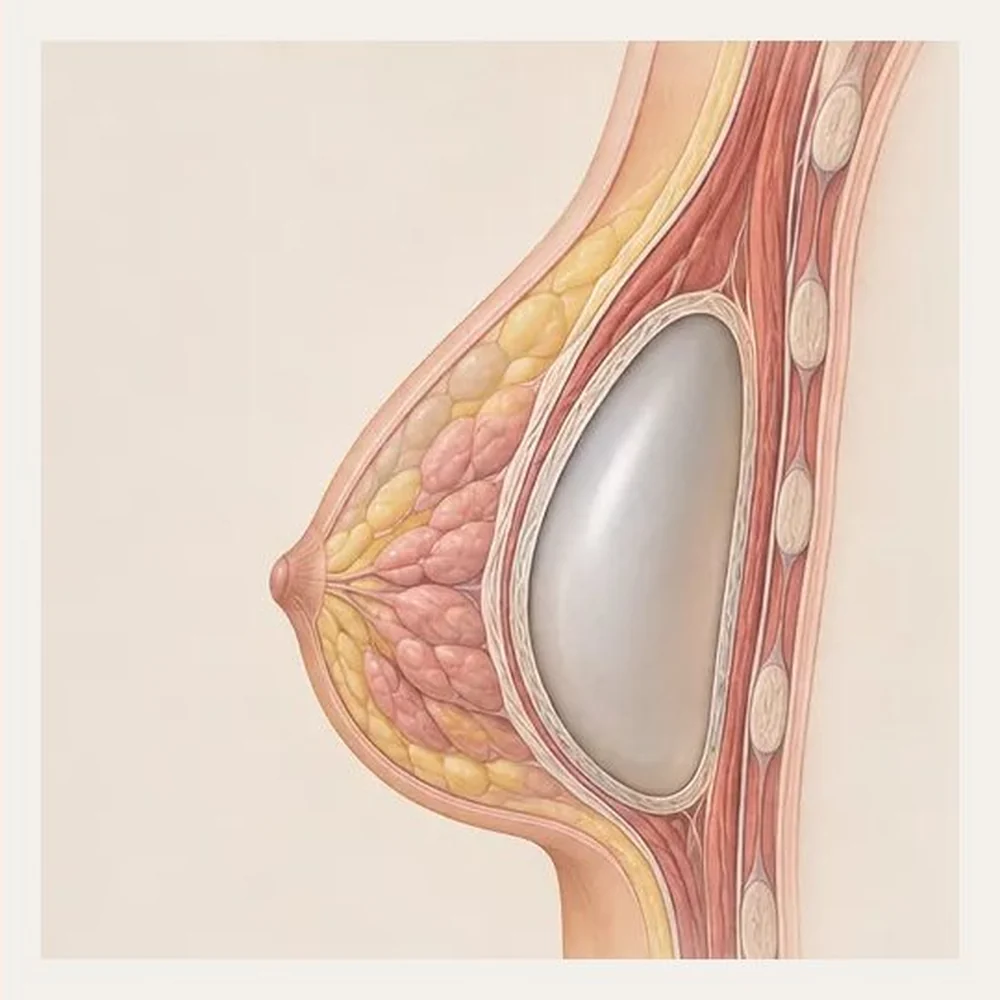
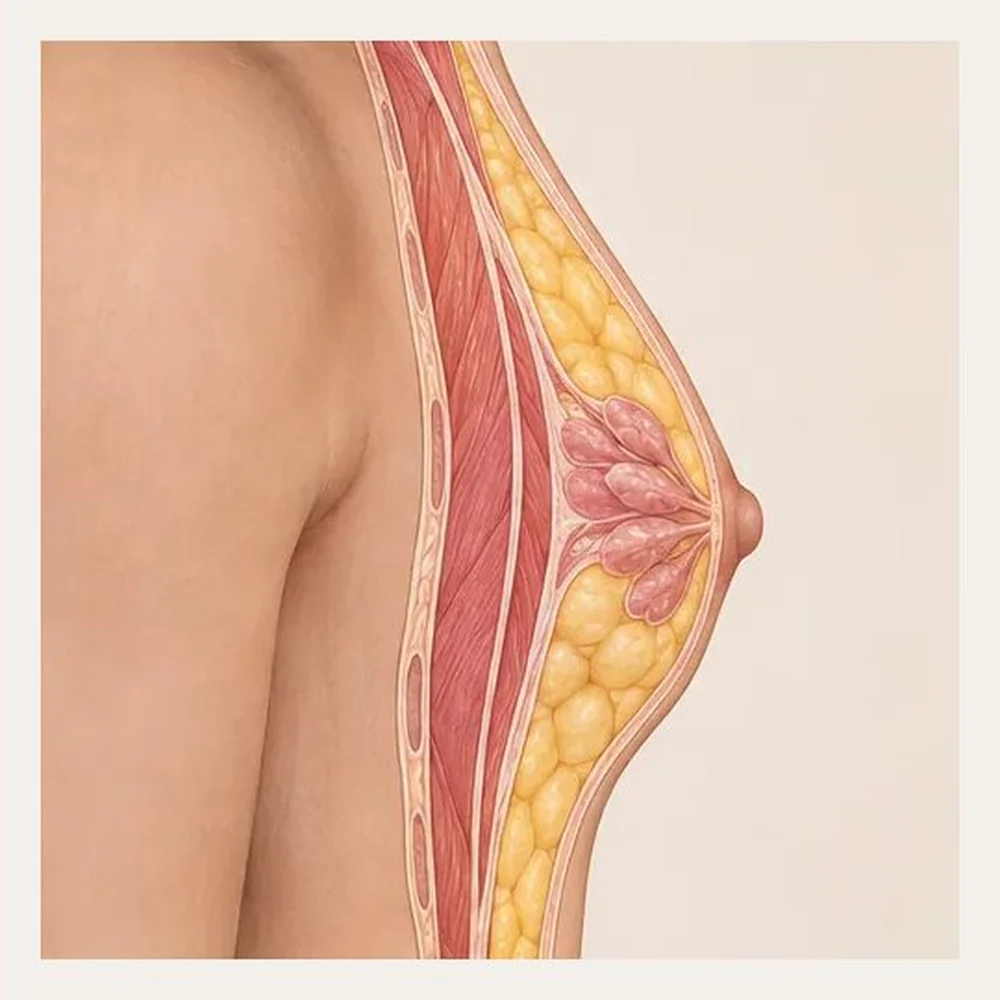
It may, depending on the technique and extent of correction. This is because thin tubes that carry milk (milk ducts) and nerves that transmit sensation run through the nipple.
Medically reviewed by Dr. Hyungwoo Yim, Medical Director (Plastic Surgery Specialist) · Published November 9, 2026 · Last reviewed November 11, 2026
SHORT ANSWER
First, the Short Answer
- It may, depending on the technique and extent of correction. This is because thin tubes that carry milk (milk ducts) and nerves that transmit sensation run through the nipple.
- If you plan to breastfeed, we therefore consider techniques that preserve the milk ducts and explain their limitations. We do not claim that there will be no effect.
- At VITAL Plastic Surgery, we first assess nipple height and diameter, differences between the two sides, sensation, and breastfeeding plans before deciding how much to reduce and which incision technique to use.
“Will reducing my nipples prevent me from breastfeeding later?”
This is a paraphrase of a question we often hear during consultations.
To answer this question, we first need to distinguish where your current concern comes from. We will explain each point below, then return to the original question at the end.
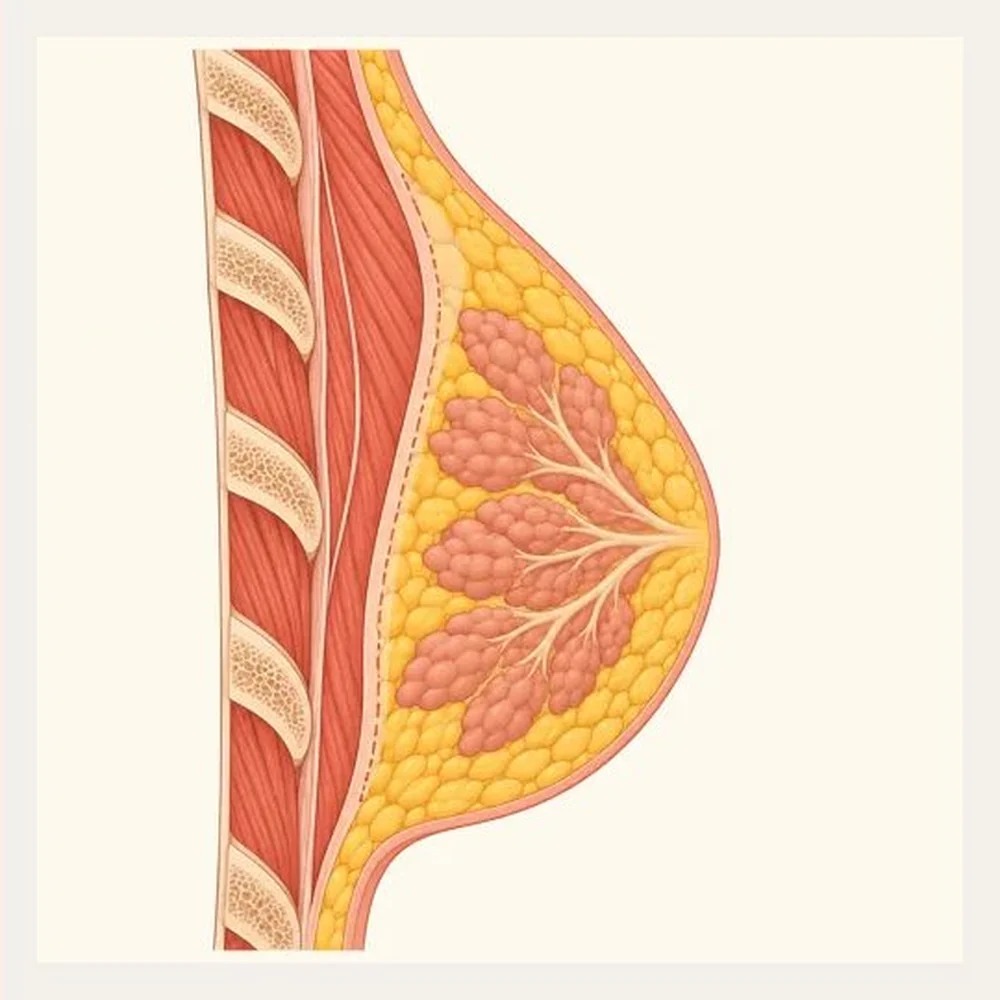
01What is nipple reduction?
Answer This procedure reduces the height and diameter of prominent or elongated nipples to create proportions that suit the areolas and breasts.
Nipple reduction reduces the height and diameter of prominent or elongated nipples. At VITAL Plastic Surgery, the procedure takes about 1 hour under local anesthesia, and patients go home the same day. Although the area is small, milk ducts and sensory nerves run through the nipple, so we first assess sensation and breastfeeding plans along with appearance.
People seek consultations for various reasons. Common concerns include nipples that show through or rub against clothing, nipples that have enlarged or stretched after childbirth and breastfeeding, and a desire to balance the two nipples.
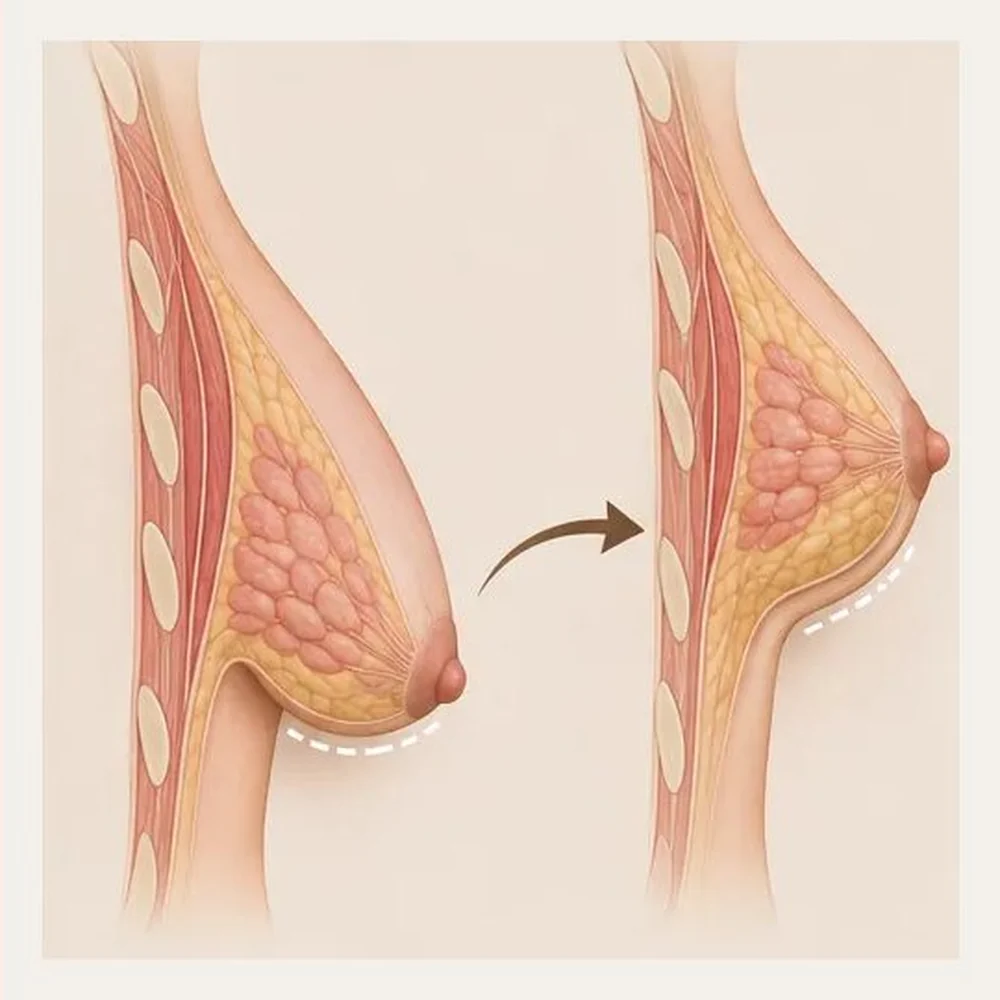
Nipple reduction does not correct sagging of the entire breast. If the nipples appear low because the entire breast is sagging, reducing them will leave that concern unresolved. We therefore measure nipple position and assess excess skin together to determine whether a breast lift is needed and, if necessary, decide on the order of procedures together.
If wide areolas are your concern, you can also discuss areola reduction. If your nipples turn inward, you can discuss inverted nipple correction. These are separate procedures, so we assess them according to the location of your concern.
During the consultation, we assess body proportions, excess skin, differences between the two sides, and current discomfort. We also ask in advance about plans for childbirth and breastfeeding, as well as any previous breast examinations or surgery. We choose a technique after comparing your desired shape and the achievable extent of correction with the potential effects on scarring and function.
In Simple Terms The nipple is like a small column with several thin straws (milk ducts) and wires (nerves) running through it. The direction in which tissue is removed depends on whether we are reducing the column’s height or thickness (diameter). Removing too much can damage the straws and wires inside. We therefore first ask whether you plan to use those straws in the future (breastfeeding), then choose a technique intended to avoid them, without promising that none will be affected. We also consider that reducing the column alone will not resolve its low position if the base (the entire breast) has sagged.
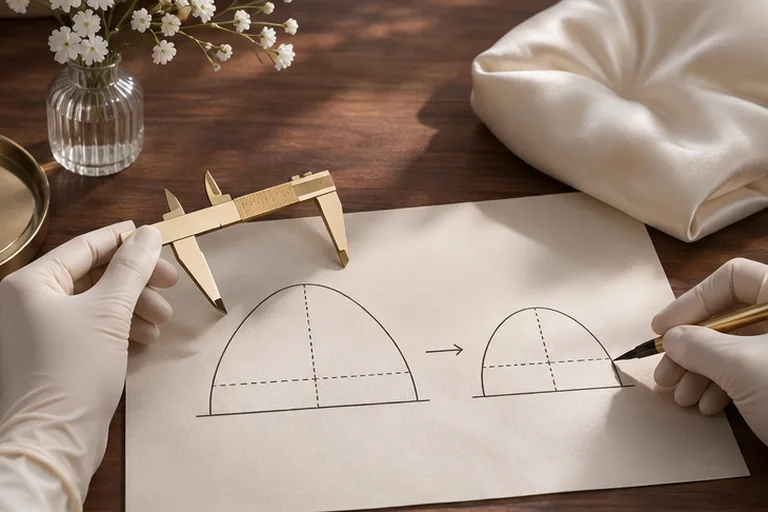
So why are height and diameter measured separately?
02Why are height and diameter measured separately?
Answer Elongation and width are different concerns, and the shape of the tissue removed depends on which dimension is larger.

Nipple reduction involves two measurements: height and diameter. If height is the concern, tissue can be removed from the top or around the circumference. If diameter is the concern, a wedge-shaped section can be removed. If both are large, both are addressed in the surgical plan.
Planning begins by measuring each side separately to account for differences between them. If the nipples differ in size, incision lines are planned primarily around the larger side, with different amounts removed from each. After suturing, height and orientation are compared.
Making the nipples smaller is not the only goal. Because the nipples receive blood from surrounding tissue, excessive reduction may compromise blood flow and sensation. The goal is therefore to find proportions that suit the size of the areolas and breasts.
Several surgical techniques have been reported. A 2019 literature review examined 30 papers on nipple reduction involving 639 patients (582 women and 57 men). All were case reports or clinical observations, and the techniques fell into five categories: circumferential excision, amputation, wedge excision, free grafting, and flaps (moving tissue while leaving part of it attached). The review concluded that the lack of a common classification system made it difficult to compare techniques and that the choice should be based on individual assessment1.
| Concern | How it looks | Reduction approach |
|---|---|---|
| Excess height | Projects far forward and rubs against clothing | Remove tissue from the top or around the circumference |
| Wide diameter | Spreads outward and looks thick | Remove a wedge-shaped section |
| Both dimensions are large | Long and thick | Plan height and diameter reduction together |
| Uneven sides | One side is larger or longer | Remove different amounts from each side |
So how does surgery affect breastfeeding and sensation?
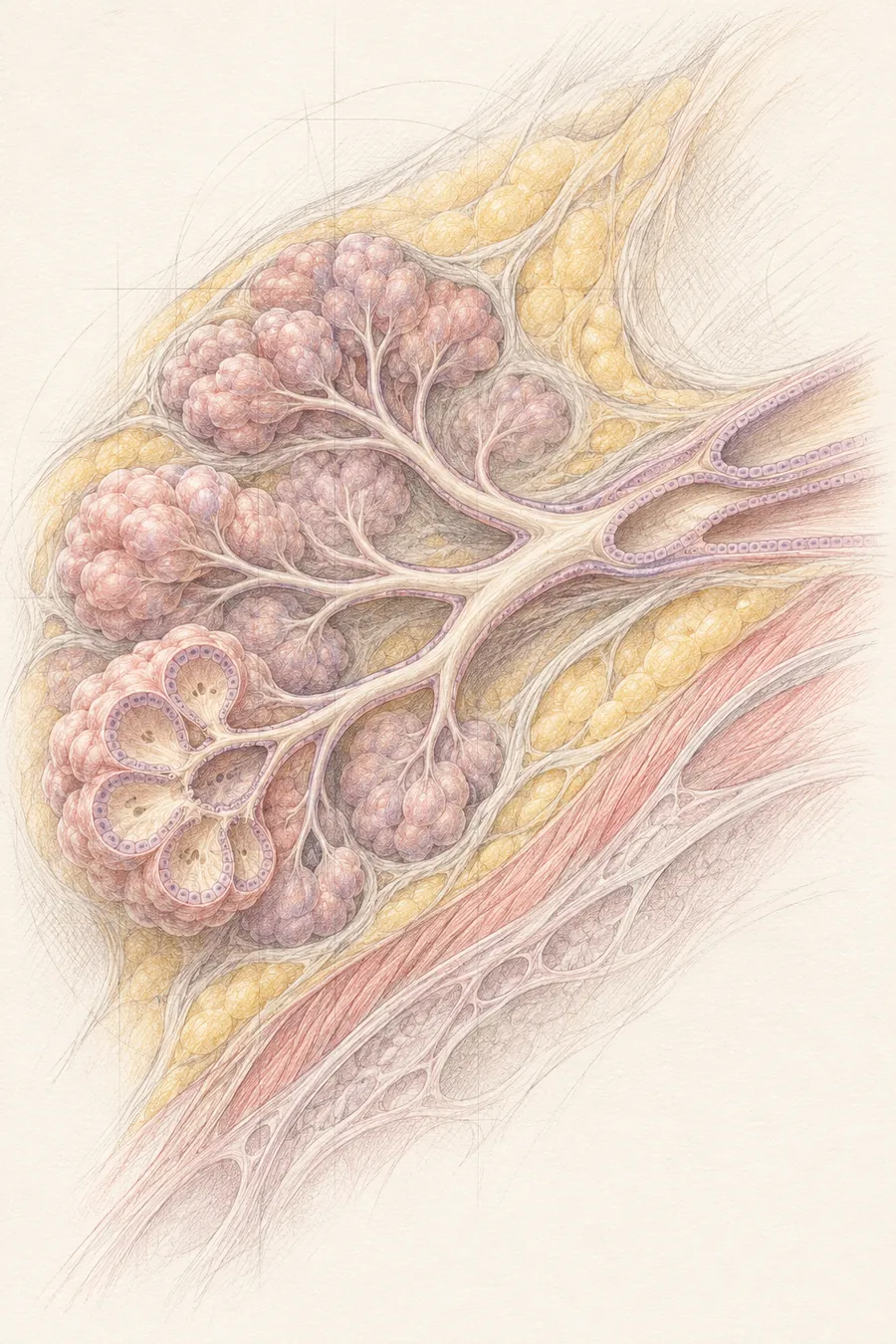
03How does surgery affect breastfeeding and sensation?
Answer Surgery is planned to preserve milk ducts and nerves, but sensation and breastfeeding may be affected depending on the technique and extent of reduction.

Nipple and breast surgery can affect sensation and breastfeeding, depending on the technique. At VITAL Plastic Surgery, we therefore ask about breastfeeding plans first. If you plan to breastfeed, we explain techniques intended to preserve the milk ducts and their limitations. We aim to reduce functional impairment, but we do not claim that there will be no effect.
Research also reflects this concern. In the literature review discussed above, very few studies documented the ability to breastfeed after surgery1. Because few studies specifically assessed breastfeeding ability, there is insufficient evidence to say either that surgery has no effect on breastfeeding or that it necessarily does.
Individual studies have reported mixed results. A U.S. study that followed 30 patients (60 nipples) for an average of about 36 weeks after a simple nipple reduction procedure found that 3 experienced reduced sensation. One patient who became pregnant after surgery produced milk, but the supply from both breasts was insufficient for breastfeeding3. In contrast, a study of 61 patients (122 nipples) treated with a folded-flap technique reported no loss of sensation, and 7 patients who became pregnant after surgery reported no difficulty breastfeeding4.
A Korean study that followed 257 patients for an average of 30 months after combined circumferential and wedge excision reported no major complications such as nipple necrosis, delayed wound healing, excessive scarring, or loss of sensation2. However, these results reflect the techniques and participants in each study and cannot be promised to an individual patient.
Early changes in sensation may change during recovery, but they can also persist. Before surgery, we therefore discuss how much change in sensation you would be comfortable accepting, along with your breastfeeding plans.
There are also limitations to consider when interpreting these studies. Most of the studies described here are case series summarizing the experience of a single hospital or surgeon, rather than direct comparisons of techniques. It is therefore important to choose a technique through an examination that considers your nipple size and breastfeeding plans, rather than relying on a single number.
So will there be noticeable scarring?
04Will there be noticeable scarring?
Answer Scarring is generally not a major concern after nipple reduction, but it varies with individual healing tendencies and tension on the wound, so follow-up is needed.
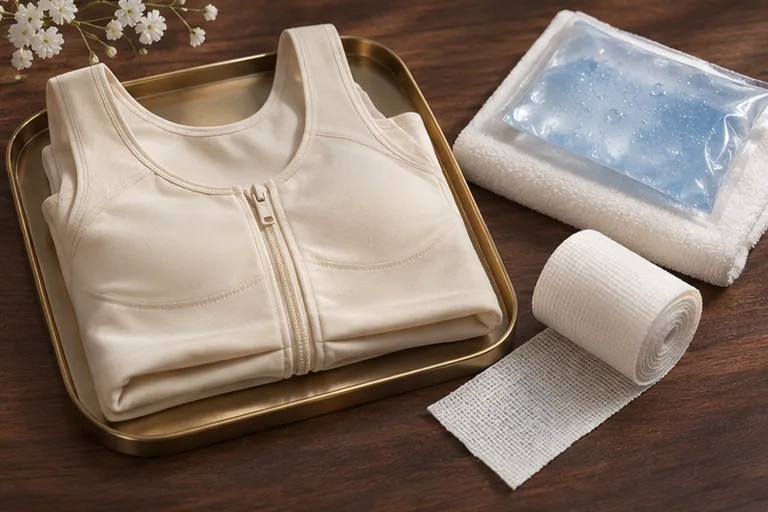
At VITAL Plastic Surgery, we generally find that nipple reduction does not cause major scarring concerns. The folds and darker pigmentation of nipple skin tend to help conceal suture lines. We use fine sutures and monitor wound closure during follow-up.
However, results may vary with individual healing tendencies and tension on the wound. We provide scar care guidance when needed and monitor changes in redness and firmness over time. Before surgery, we also explain that scars are concealed rather than eliminated.
Avoiding excessive reduction is a greater concern than scarring. Removing too much may compromise blood flow and sensation, and it is difficult to enlarge a nipple once it has been reduced. We therefore discuss your desired size and the achievable extent of reduction before surgery.
During follow-up, we assess discomfort and changes in function along with photographs. By documenting the condition before treatment and comparing it using the same criteria, we can carefully assess how the size and orientation of each nipple settle after swelling subsides. We explain additional care based on each patient’s condition rather than recommending the same care for everyone.
So can I have surgery before childbirth, or is it better afterward?
05Can I have surgery before childbirth, or is it better afterward?
Answer Pregnancy and breastfeeding can change nipple size and shape again, so if you plan to become pregnant soon, we discuss postponing surgery.
Pregnancy and breastfeeding can change the size and shape of your nipples again. If you plan to become pregnant soon, we discuss postponing surgery. This is because the nipples may enlarge again with pregnancy after surgery, and there may also be concerns about breastfeeding.
If you have finished breastfeeding, it is best to wait until nipple size has become relatively stable before an evaluation. If enlargement from breastfeeding has become a greater concern, we first assess the extent of those changes.
Even if you have no pregnancy plans yet, it is helpful to decide now whether you want to breastfeed in the future. Your answer helps determine whether to choose a technique that preserves the milk ducts or place more emphasis on shape. If your plans could change, please let us know.
For men, breastfeeding does not need to be considered, so planning focuses on shape, sensation, and scarring. However, if gynecomastia makes the entire chest look enlarged, reducing the nipples alone may not address the concern, so we evaluate the entire chest first.
What are the surgery and recovery like?
06What are the procedure and recovery like?
Answer The procedure takes about 1 hour under local anesthesia, and you go home the same day. Swelling usually peaks on days 3–4.
For example, when the nipples are elongated, we measure their height and any differences between sides, then mark the area to be reduced. After local anesthesia, an incision is made around the nipple or along its upper portion. Tissue is removed to reduce the height while the internal ducts are examined and adjusted, and the incision is closed with fine sutures. If the diameter is wide, we measure it in relation to the areola, remove a wedge of tissue to reduce the diameter, and close the incision while checking blood flow.
Swelling usually peaks on days 3–4. Even though the area is small, it should be protected from rubbing against clothing. Early care focuses on protecting the wound and checking for infection or wound separation.
The following is a typical recovery timeline; individual recovery varies. If you experience sudden severe pain, bleeding that does not stop, rapidly worsening swelling on one side, or signs of possible infection such as a high fever or pus, contact us immediately rather than waiting for your scheduled appointment.
Before surgery, we advise you to stop smoking and drinking alcohol because they affect bleeding and wound healing. We recommend stopping herbal medicines and supplements such as omega-3s when possible because they may increase bleeding. Please tell us about every medication you take.
While the wound heals, protect it from rubbing against underwear or clothing and follow the wound care instructions provided. The timing of suture removal and follow-up visits depends on the surgical technique and the condition of the wound. If you notice any changes that seem unusual, contact us rather than waiting for your next appointment.
| Timing | What Happens | What to Keep in Mind |
|---|---|---|
| Day of surgery | About 1 hour of surgery under local anesthesia, then home | Protect the area from rubbing against clothing |
| 3–4 days after surgery | Peak Swelling | Avoid overexertion; get adequate nutrition and fluids |
| Early After Surgery | Protect the wounds and check for infection or wound separation | Follow the wound care instructions provided |
| Up to 1 Year | Scar redness and firmness change | Scar care guidance if needed |
When is nipple reduction not recommended right away?
07When is nipple reduction not recommended right away?
Answer When pregnancy or breastfeeding is planned soon, when the main concern is sagging of the entire breast, or when there are changes such as nipple discharge or eczema.
If you have nipple discharge or skin changes such as eczema, an examination comes before any procedure to change the appearance. Operating without identifying the cause could mean missing important changes.
If sagging of the entire breast is the main concern, nipple reduction alone will not address it, so we first evaluate whether a breast lift is appropriate. If pregnancy or breastfeeding is planned soon, we also discuss postponing surgery.
At VITAL Plastic Surgery, our approach is to recommend the treatment you need at the appropriate time. We give you time to understand the explanation and ask questions. Having a consultation does not mean you need to decide that day.
- When you plan to breastfeed or become pregnant soon
- When overall breast sagging is the main concern
- When nipple discharge or eczema-like changes require examination first
08Three things we check first during your consultation
What we assess first during consultation
- Your desired size and what is possible — nipple height, diameter, and differences between sides
- Tissue preservation and incision technique — an approach that preserves the milk ducts based on your breastfeeding plans
- Possible changes in function and scarring — changes in sensation, effects on breastfeeding, and how scars change over time
These are general care principles. The actual decision is made after an examination.
When other care is needed first If pregnancy or breastfeeding is planned soon, we first consider postponing surgery. If sagging of the entire breast is the main concern, a breast lift evaluation comes first. If you have nipple discharge or changes such as eczema, an examination comes first.
The answer to the opening question, “Will nipple reduction prevent me from breastfeeding later?” is this: breastfeeding may be affected depending on the technique and extent of surgery, and we cannot say there will be no effect at all. At VITAL Plastic Surgery, we first ask about your breastfeeding plans, measure nipple height and diameter separately, and explain both techniques that preserve the milk ducts and their limitations.
— VITAL Plastic Surgery
When booking, simply leave a note saying, “Please start with options that fit my breastfeeding plans,” and we will begin the consultation there. Having a consultation does not mean you need to decide that day.
Related ReadingNipple Reduction Care Guide
READ NEXT
Read Next
FAQ
Frequently Asked Questions
Will nipple sensation change after surgery?
Sensation may change depending on the technique. Early changes may evolve during recovery, but they can also persist. We explain this before surgery.
Can it affect breastfeeding?
Breastfeeding may be affected depending on the technique and extent of correction. Tell your surgeon about future breastfeeding plans in advance and discuss the specific risks.
Can the areolas be reduced at the same time?
Areola reduction can be discussed as a separate procedure. We assess the proportions of the nipples and areolas to determine the extent of reduction needed.
How much swelling should I expect?
Swelling usually peaks on days 3–4. Even though the area is small, it is best to protect it from rubbing against clothing.
Will nipple reduction alone improve the appearance of sagging?
Nipple reduction does not correct sagging of the entire breast. If sagging is causing the nipples to look lower, we evaluate the need for a lift separately.
BEFORE CONSULTATION
What to Prepare Before Your Consultation
- Breastfeeding · Pregnancy PlansBefore your visit, consider whether you want to breastfeed in the future and when you might plan to become pregnant. These are the most important factors in choosing a technique.
- Your main concernWrite down whether your main concern is elongated nipples, wide nipples, or differences between sides.
- Childbirth · Breastfeeding HistoryTell us when you last finished breastfeeding and what changes you have noticed since then.
- Discharge · Skin ChangesBe sure to tell us if you have had nipple discharge or changes such as eczema.
- Medications and SupplementsWe recommend stopping herbal medicines and supplements such as omega-3s because they may increase bleeding. Please tell us about every medication you take.
REFERENCES
References
- Trøstrup H, Saltvig I, Matzen SH. Current surgical techniques for nipple reduction: A literature review. JPRAS Open. 2019. doi:10.1016/j.jpra.2019.06.002 (View abstract)
- Jin US, Lee HK. Nipple reduction using circumcision and wedge excision technique. Annals of Plastic Surgery. 2013. doi:10.1097/SAP.0b013e318234e91b (View abstract)
- Moliver C, Kargel J, Sullivan M. Treatment of nipple hypertrophy by a simplified reduction technique. Aesthetic Surgery Journal. 2013. doi:10.1177/1090820X12469095 (View abstract)
- Barsakov M. Folded Flap Technique for Nipple Reduction. Aesthetic Surgery Journal. 2026. doi:10.1093/asj/sjaf189 (View abstract)
The findings in these papers reflect the participants and conditions of each study and do not mean that every individual will have the same results.
This article provides general medical information and does not replace diagnosis or treatment. Surgical results and recovery vary by individual, and complications such as bleeding, infection, scarring, and asymmetry may occur.
More articlesVITAL Plastic Surgery Medical Articles
RESERVATION
You do not need to decide the day of your consultation.
Organize questions about this page without entering your name, contact information, or medical history. This does not submit an appointment request.