PLASTIC SURGERY
MEDICAL COLUMN
Questions Answered Directly by the Doctor Before You Decide on Surgery
Consultation
Articles
Ask about both achievable changes and limitations during your consultation
We discuss the changes you want, the appearance you want to preserve, the burden of treatment, and your circumstances for recovery.
Medically reviewed by Dr. Hyungwoo Yim, Medical Director (board-certified plastic surgeon) · Published October 6, 2026 · Last reviewed November 11, 2026
SHORT ANSWER
First, the Short Answer
- A consultation is an opportunity to define your desired appearance while also assessing what is possible—and what is limited—by your current tissues and function.
- Research found that people who felt they had received insufficient explanation of the expected results were more likely to consider revision surgery3, and reported a tendency toward lower satisfaction when expectations about recovery, such as scarring and swelling, did not match reality2.
- That is why VITAL Plastic Surgery first listens to what bothers you most and what aspects of your appearance you want to preserve, then compares your options during the same consultation, including choosing not to have surgery.
- You do not need to decide the day of your consultation.
“Doctor, can I look like this photo? How much can my appearance change?”
This is a paraphrase of a question we often hear during consultations.
This article walks you through what we assess before answering that question: why we discuss limitations (01), what we check first (02), what determines possible changes and limitations (03), alternatives to surgery (04), why risks should be explained with numbers (05), and recovery needs and decision timing (06). Section 03 shows how we assess which aspects of your reference photo are achievable for your face.

01Why should a consultation include questions about limitations?
Answer The extent of change is not the only factor that affects satisfaction. Satisfaction also depends on how well the consultation aligns expectations with the actual results and experiences during recovery.

During a plastic surgery consultation, many people first ask how much their appearance can change. This is a natural question, but the extent of change is not the only factor that affects satisfaction. Satisfaction also depends on how well the consultation aligns expectations with the actual results and experiences during recovery.
An online survey of 1,370 people in Saudi Arabia who were at least one year past rhinoplasty found that 44.7% were considering revision surgery. Half of the reasons given (50.16%) were a desire to improve an already acceptable result. The factor most strongly associated with considering revision surgery was reporting an insufficient explanation of expected postoperative results. Other associated factors included feeling that the doctor did not understand their concerns, having a short consultation, and receiving insufficient explanation of risks and complications3. Because this was a self-reported survey, it does not indicate the actual revision surgery rate, but it shows that explanations given during a consultation can have a lasting effect after surgery.
A study assessing 500 people three months after upper eyelid surgery also found that satisfaction was lower among those who reported that social media strongly influenced their decision to have surgery (86%) than among those who reported a moderate influence (96%). Reasons for dissatisfaction often involved expectations about recovery, such as scars being more noticeable than expected (50%) or swelling lasting longer than expected (27%), rather than major failures2. The study was limited by being conducted at a single university clinic at one point in time.
Key point Explanations given during a consultation can have a lasting effect after surgery.
So what do we check first during a consultation?
02What do we check first during a consultation?
Answer We first ask what bothers you most, rather than the name of a procedure. Even when eyes look similarly “sleepy,” treatment differs depending on which structure is causing the concern.
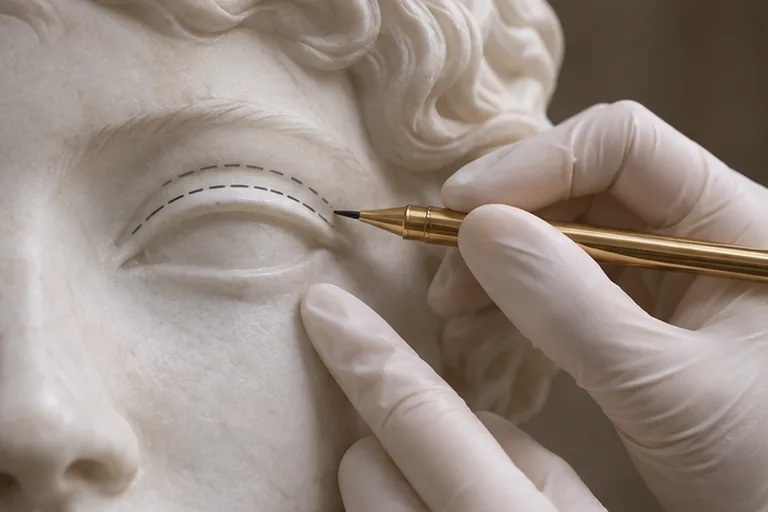
We first ask what bothers you most, rather than the name of a procedure. We listen to when the change began, when it bothers you more, and what aspects of your appearance you do not want to change. You do not need to choose a treatment before your visit.
Next, we identify which structure is causing the concern. Even when eyes look similarly “sleepy,” treatment differs between weak eyelid-opening strength and sagging skin covering the pupil. If the distance from the center of the pupil to the upper eyelid (MRD1) is within the normal range of about 4 mm, we consider skin removal before muscle surgery. We take measurements to avoid unnecessary surgery.
We give equal consideration to your health and daily circumstances. The plan for the same surgery can differ depending on whether you have conditions that need to be managed first, such as high blood pressure or diabetes, whether you take blood thinners, and whether you can clear your schedule for recovery.
- What bothers you most and when it began
- The appearance you want to preserve and changes you do not want
- Functional symptoms involving eyelid opening, eye closure, or breathing
- Tissue characteristics such as available skin, skin thickness, and bone angles
- Previous procedure and surgery records, and current medications
- Time and scheduling availability for recovery
Key point You do not need to choose a treatment before your visit, and we take measurements to avoid unnecessary surgery.
Once we identify the cause of your concern, what determines possible changes and limitations?
03What determines possible changes and limitations?
Answer The extent of possible change is determined by the tissue you currently have, rather than how much change you want. Removing more eyelid skin does not necessarily improve the result, and the height your nasal skin can accommodate sets the limit for your nose.
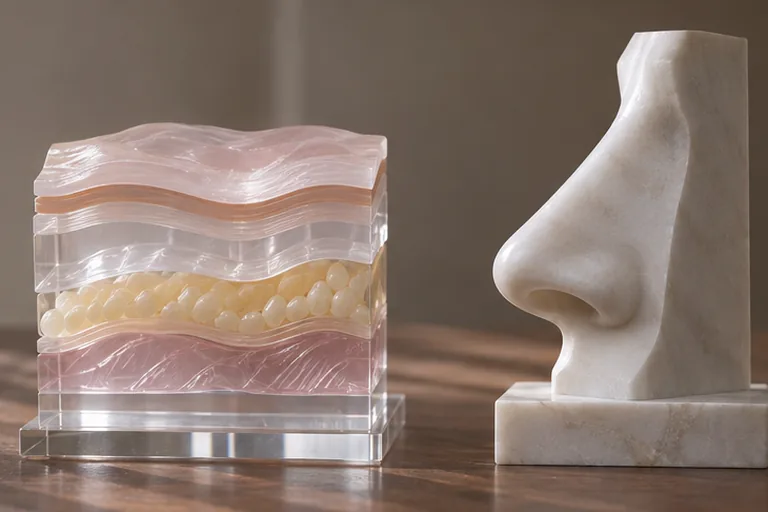
The extent of possible change is determined by the tissue you currently have, rather than how much change you want. Eyelid skin covers and protects the eyes, so removing more does not necessarily improve the result. Removing too much can prevent the eyes from closing fully or cause dryness, so we take measurements with the eyes closed and open to determine how much to remove.
For the nose, the height the skin can accommodate sets the limit. Adding excessive height beneath thinned skin can compromise blood flow and lead to underlying material showing through or inflammation, so we first explain the height your skin can currently tolerate before discussing your desired height. If you have had previous surgery, less tissue may remain available, which also limits the extent of possible change.
Reference photos are a useful tool for explaining your preferences. However, your bone structure, skin thickness, and eyelid-opening function differ from those of the person in the photo, so we cannot promise exactly the same changes as another person's results. During the consultation, we identify what you like about the photo and explain which aspects are achievable for your face.
| What we check | How we assess it | What can happen if overlooked |
|---|---|---|
| Eyelid skin | We take measurements with the eyes closed and open to determine how much skin to remove. | Removing too much can prevent the eyes from closing fully or cause dryness. |
| Nasal skin | We first assess the height your skin can currently tolerate before considering your desired height. | Adding excessive height beneath thinned skin can compromise blood flow and lead to underlying material showing through or inflammation. |
| Previous surgery | We assess how much tissue remains available. | Less available tissue also limits the extent of possible change. |
| Reference photos | We identify what you like about the photo and assess which aspects are achievable for your face. | Bone structure, skin thickness, and the ability to open the eyes differ, yet people come to expect exactly the same changes as someone else’s results. |
At your consultation, say, “I read the article on possible changes and limitations. Please explain what is possible in my case and what the limitations are,” and we will walk through the points in the same order as this article.
Key point Together, we identify what you like in the photos, then explain how much of that change is possible for your face.
If the limitations are clear, what options are there besides surgery?
04What options are there besides surgery?
Answer A consultation does not always lead to surgery. A fair comparison requires discussing the option of having no treatment as well.

A consultation does not always lead to surgery. There are several ways to address the same concern, each with different burdens and expected changes. A fair comparison requires discussing the option of having no treatment as well.
- Surgery: Considered when the underlying structure needs to change. Greater changes also involve recovery time, scarring, and surgical risks.
- Nonsurgical treatments (devices · injections): Considered for concerns such as skin quality or mild sagging that do not warrant surgery. Changes are smaller, and repeated treatments may be needed.
- Observation: An option when recovery from a previous procedure or surgery is still underway, or when changes are not yet clear.
- Other medical care first: If there are issues that need evaluation first, such as vision or ocular surface problems, uncontrolled blood pressure, or diabetes, testing or other medical care may be recommended first.
- No further treatment: An option when the burden of additional treatment outweighs the expected changes, or when the desired changes are judged difficult to achieve safely.
Key point Surgery, nonsurgical treatment, observation, other medical care first, and no treatment each involve different burdens and expected changes.
Whichever option you choose, how should risks be explained?
05Why should limitations and risks be explained with numbers?
Answer People interpret “side effects are rare” differently, so risks should be explained in numbers. In the same study, 34% of complications went unrecognized by doctors.

People interpret “side effects are rare” differently. A study of 344 patients who underwent surgery on both upper eyelids under local anesthesia at a university hospital in Austria reported that 58.4% were assigned a complication grade when even mild issues such as swelling and bruising were counted. Most were mild, and 5.2% underwent another intervention under local anesthesia. Among those who answered a telephone survey six months later, 94% felt they had experienced no complications, and 96% said they would have the same surgery again4.
In the same study, 34% of complications went unrecognized by doctors4. This is why it is important to hear the risks in numbers beforehand and describe any discomfort frankly at follow-up visits after surgery. These checks are also why VITAL schedules follow-up visits at 1 week, 1 month, 6 months, and 1 year.
The degree of concern about appearance is also related to satisfaction. A study of 454 patients who underwent cosmetic eyelid surgery found that higher preoperative appearance concern questionnaire (DCQ) scores, older age, male sex, and complications were associated with lower satisfaction at three months1. In a study that used psychiatric evaluation to identify body dysmorphic disorder, a condition in which appearance concerns significantly disrupt daily life, all 15 patients assessed as having mild symptoms who underwent rhinoplasty were more satisfied than before, but 3 requested another revision surgery5. That is why consultations address both the area you want to change and how much the concern affects your daily life.
Key point It is important to hear the risks in numbers beforehand and describe any discomfort frankly at follow-up visits after surgery.
How should you plan for recovery and decide when to proceed?
06How do recovery needs affect when to decide?
Answer You do not need to decide on surgery or a procedure on the day of your consultation. Swelling takes months to subside and tissues take months to settle, so the time you can set aside for recovery is also part of the decision.

Deciding on surgery also means considering the time you can set aside for recovery. Swelling usually peaks on days 3–4 after surgery. Even once the initial shape becomes visible, swelling takes months to subside and tissues take months to settle. Scars continue to change for longer. Understanding this timeline when making plans can help you avoid mistaking an unfamiliar appearance during recovery for the final result.
The same considerations apply when you want to treat several areas together. From the surgeon’s perspective, doing them all at once may be preferable, but allowing for normal recovery may make separate procedures a better option in some cases. Combining procedures may not simply add their recovery times together, but it can increase swelling and the burden of aftercare.
You do not need to decide on surgery or a procedure on the day of your consultation. It is important to understand the expected changes, main risks, and recovery process before choosing. Ask again if you still have questions. Depending on your health and stage of recovery, you can take time to decide after testing or observation.
Key point Depending on your health and stage of recovery, you can take time to decide after testing or observation.
What should you ask at your consultation?
07Questions to ask during your consultation
Answer Ask about changes that are difficult to achieve and options that do not involve surgery, as well as the changes you can expect. A consultation is an opportunity to understand both the possibilities and the limitations.
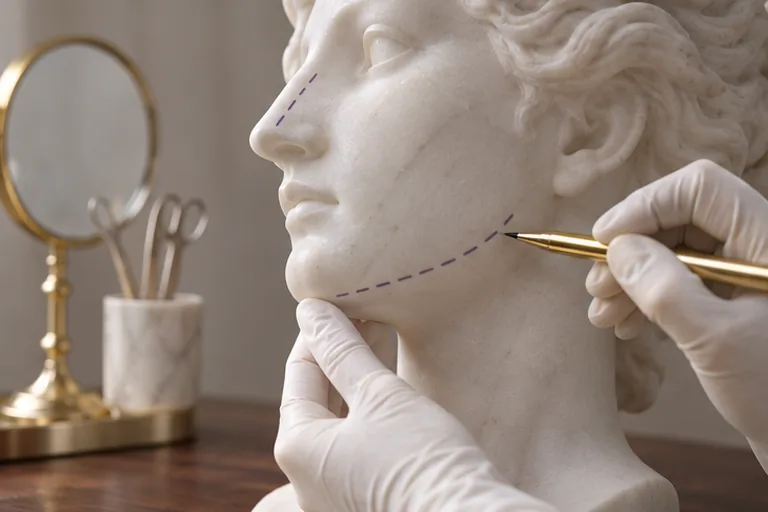
You can ask the following questions exactly as written. If anything remains unclear after you hear the answers, please ask again.
- Does my concern come from the skin, muscle, fat, or bone?
- What changes can I expect from this approach, and what changes are difficult to achieve?
- What options do I have without surgery, and what might happen if we wait and observe?
- What are the main risks, and how are they managed if they occur?
- What should I expect in terms of swelling, bruising, and returning to daily activities?
- If further correction is needed, when and how is that assessed?
Key point If anything remains unclear after you hear the answers, please ask again.
The answer to the original questions, “Can I look like this photo? How much can I change?” is this: the extent of possible change is determined by the tissue you currently have, rather than how much change you want. A consultation is therefore a time to discuss your desired appearance and to understand the possibilities and limitations of your current tissue and function. VITAL’s principle is to first listen to what bothers you most and the impression you want to preserve, then compare the options, including no surgery, during the same consultation. I meet people who have spent months or years considering surgery before coming in. You do not need to decide on the day of your consultation.
— Dr. Hyungwoo Yim
At your consultation, say, “I read the article on possible changes and limitations. Please explain what we should assess first in my case,” and we will walk through the points in the same order as this article.
READ NEXT
Read Next
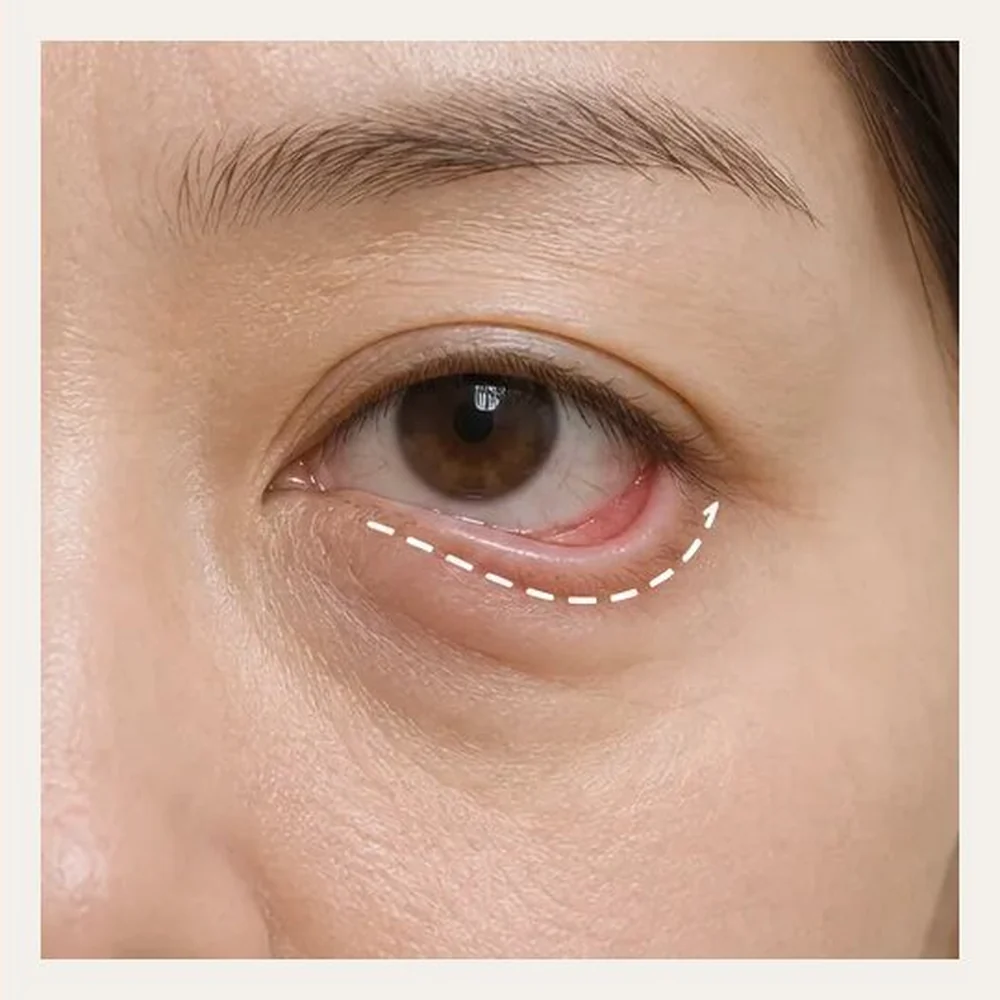
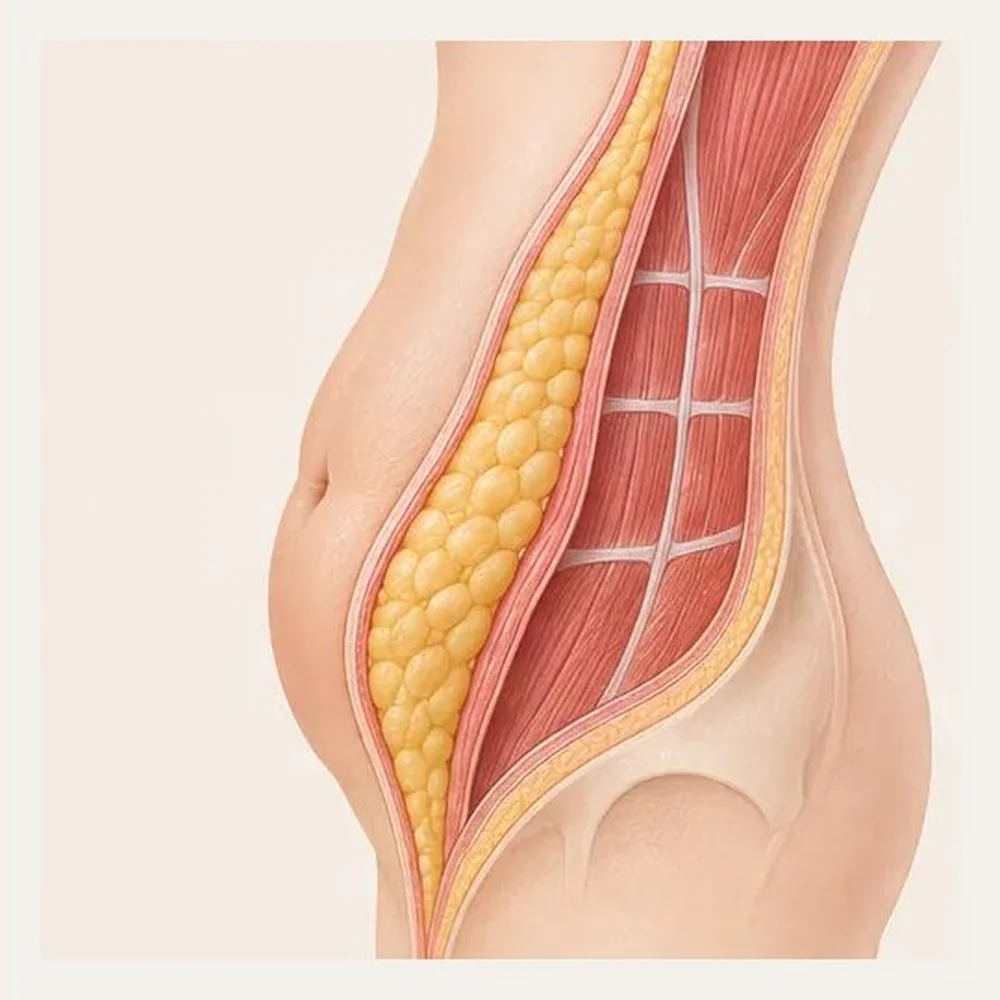
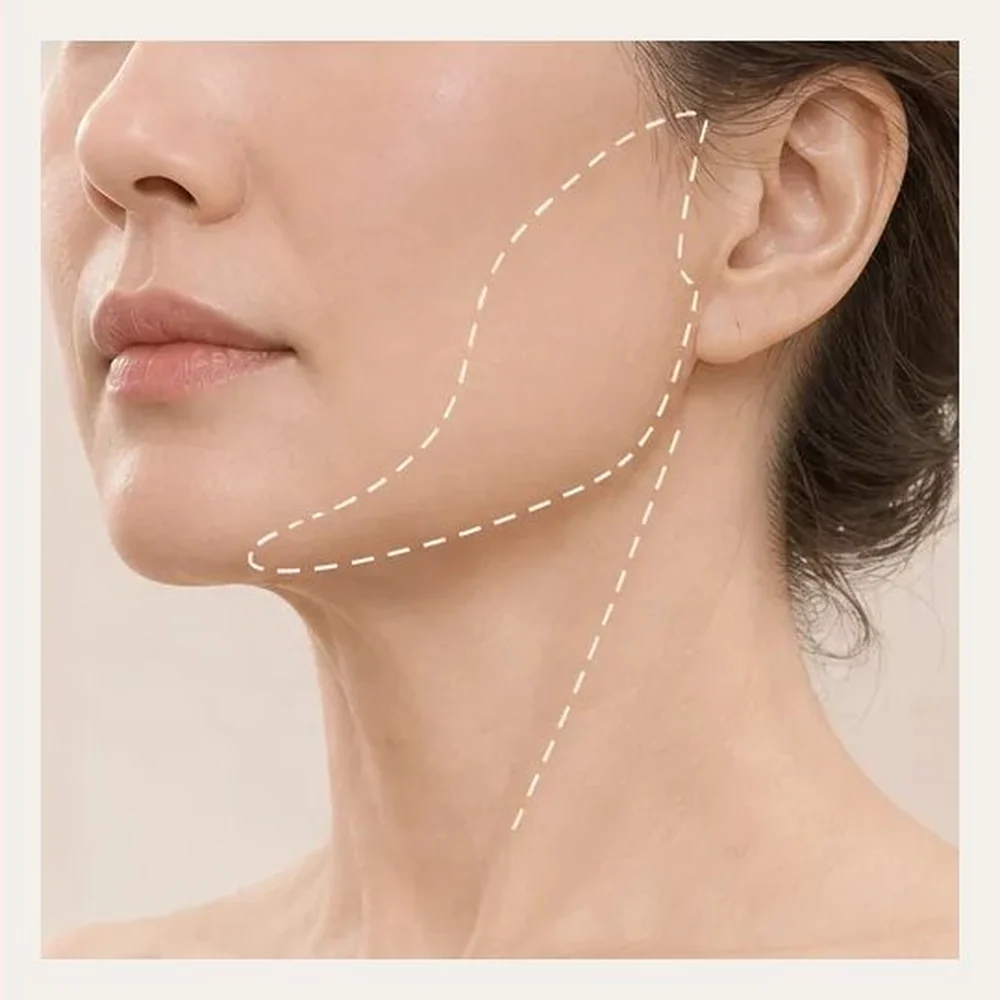
FAQ
Frequently Asked Questions
What should I ask first?
Start by telling us what bothers you most, when it began to change, and what aspects of your appearance you want to preserve. You do not need to choose a treatment before your visit.
Can I look like my reference photo?
Reference photos are a tool for explaining your preferences. Because tissue characteristics and function differ, we cannot promise the same changes as another person's results. Together, we identify what you like about the photo and explain which changes are possible for your face.
Do I have to decide on the day of my consultation?
Having a consultation does not mean you need to decide on surgery or a procedure that day. It is important to understand the expected changes, major risks, and recovery before choosing. You can organize your questions and return for another consultation.
What if further evaluation is needed?
Depending on your health and stage of recovery, we may recommend testing, observation, or an evaluation by another medical specialist first. The option of having no treatment should also be explained.
Could you advise against surgery during a consultation?
Yes. We do not recommend proceeding directly with surgery if you are still recovering, if the burden of further treatment outweighs the expected changes, or if we determine that the changes you want would be difficult to achieve safely. In these cases, we also explain options such as observation or other treatments.
Can I bring photos or videos I saw on social media?
Yes, they help explain the direction you want to take. However, online images are often retouched or leave out the recovery process, so it is helpful to separately discuss how long swelling takes to subside and how scars mature2.
Can I come in without knowing the name of a treatment?
Yes. Start by telling us what bothers you most, when it began to change, and what aspects of your appearance you want to preserve. We decide on an approach together after an examination.
BEFORE CONSULTATION
What to Prepare Before Your Consultation
- The one thing that bothers you mostWrite down when it started and when it bothers you more.
- The impression you want to preserveWhat you want to keep unchanged is just as important as what you want to change.
- Reference photos and older photos of yourselfPhotos showing your desired direction and photos of yourself before the concern developed can be helpful.
- Previous procedure and surgery records, and current medicationsList when and where on your body you had treatment, which methods were used, and the medications you currently take.
- Time available for recoveryLet us know how much time you can set aside, allowing for swelling and follow-up visits.
REFERENCES
References
- Devoto MH, Díaz Ricci AI, Gasparini C. The Dysmorphic Concern Questionnaire: Is It Possible to Predict a Satisfactory Result After Cosmetic Eyelid Surgery? Ophthalmic Plastic and Reconstructive Surgery. 2024. doi:10.1097/IOP.0000000000002657 (View abstract)
- Al-Dossari S. Association between social media influence and postoperative satisfaction following upper eyelid blepharoplasty: a 500-patient study. Frontiers in Surgery. 2026. doi:10.3389/fsurg.2026.1841059 (Read the full article)
- Alsubeeh NA, AlSaqr MA, Alkarzae M, Aldosari B. Prevalence of considering revision rhinoplasty in Saudi patients and its associated factors. Maxillofacial Plastic and Reconstructive Surgery. 2019. doi:10.1186/s40902-019-0237-x (Read the full article)
- Eylert G, Wolfsberger C, Reischies-Meikl F, et al. The Postsurgical Clavien-Dindo Classification in Minor Surgery Can Improve Perception and Communication (Investigation on Blepharoplasty). Journal of Personalized Medicine. 2022. doi:10.3390/jpm12111900 (Read the full article)
- Shandilya M, Bourke S, Shandilya A. Surgical Rhinoplasty in Mild Forms of Body Dysmorphic Disorder: Safety, Protocols, and Long-Term Outcomes. Facial Plastic Surgery. 2024. doi:10.1055/s-0044-1779627 (View abstract)
The findings in these papers reflect the participants and conditions of each study and do not mean that every individual will have the same results.
More articlesVITAL Plastic Surgery Medical Articles
RESERVATION
You do not need to decide the day of your consultation.
Organize questions about this page without entering your name, contact information, or medical history. This does not submit an appointment request.