PLASTIC SURGERY
MEDICAL COLUMN
Questions Answered Directly by the Doctor Before You Decide on Surgery
Revision surgery
Articles
Double Eyelid Revision Surgery Timing: When Can You Have Surgery Again?
For cosmetic revisions, double eyelid revision surgery is generally considered once the tissue has stabilized, at least 6 months to 1 year after the previous surgery. From 3 weeks to 3 months after surgery, the tissue becomes firm and tight. Rushing into another surgery during this period may cause further tissue damage.
VITAL Plastic Surgery Medical Information · Published 2026.11.23 · Last reviewed 2026.11.23
SHORT ANSWER
First, the Short Answer
- For cosmetic revisions, double eyelid revision surgery is generally considered once the tissue has stabilized, at least 6 months to 1 year after the previous surgery. From 3 weeks to 3 months after surgery, the tissue becomes firm and tight. Rushing into another surgery during this period may cause further tissue damage.
- However, waiting is not necessary in every case. Hematoma, infection, and vision changes are evaluated immediately, regardless of timing.
- At VITAL Plastic Surgery, we do more than count the days. We review current photographs and previous surgical records and examine your eyelid opening strength (MRD1), adhesions, and remaining skin laxity to determine the timing and method.
“It’s been two months since my double eyelid surgery, and I’m not happy with the result. Can I have it redone right now?”
This is a paraphrase of a question we often hear during consultations.
To answer this question, we first need to distinguish where your current concern comes from. We will explain each point below, then return to the original question at the end.
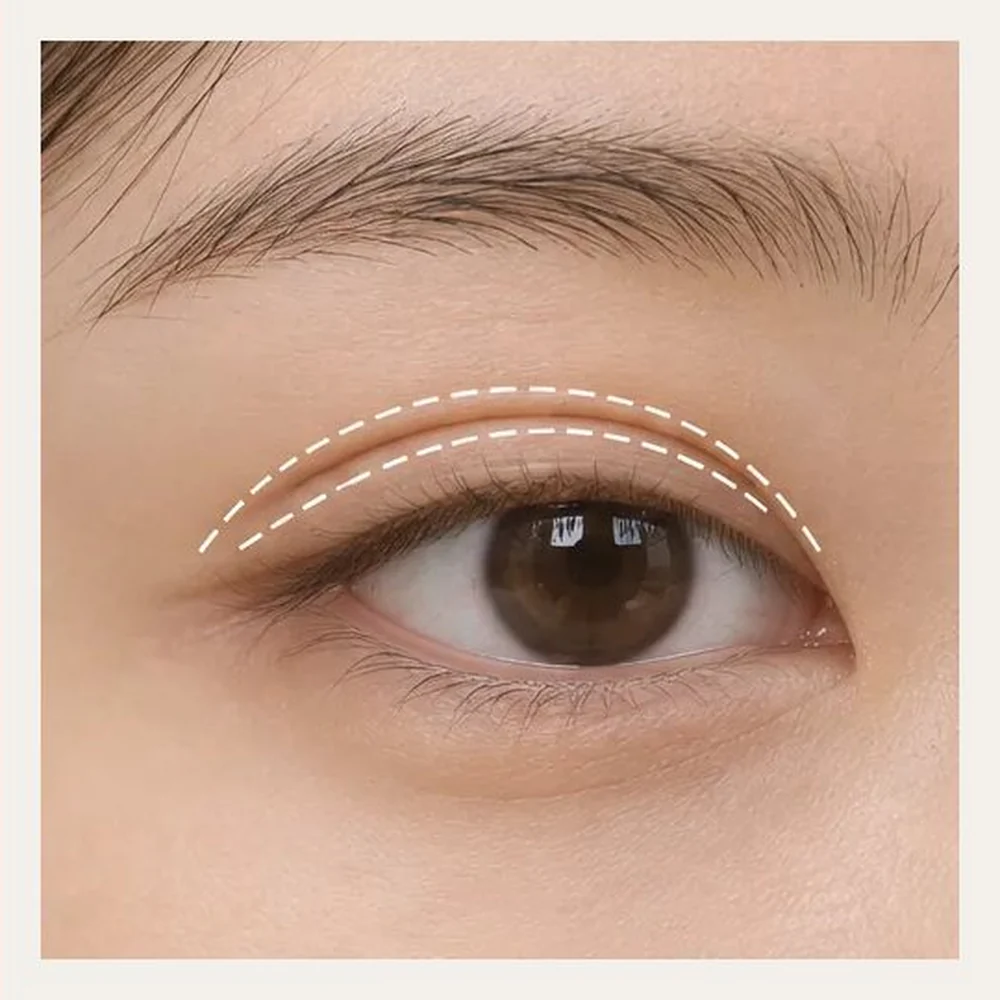
01When can I have revision double eyelid surgery?
Answer Cosmetic revisions are usually considered after 6 months to more than a year, once the tissue has stabilized. Hematomas, infections, and changes in vision are evaluated right away.
Revision double eyelid surgery involves reassessing and correcting eyelids when the crease has come undone, multiple creases have formed, or the eyes have become asymmetrical after a previous procedure. For cosmetic revisions, VITAL Plastic Surgery generally advises waiting 6 months to more than a year, until the tissue has stabilized, before making a decision.
The reason for waiting has to do with the healing process. Swelling and bruising peak on days 3–4. From 3 weeks to 3 months, the tissue becomes firm and tight. Over 3 months to a year, the tissue softens, redness fades, and the two sides become more even. Before this process is complete, it is difficult to know whether the current appearance is the final result.
Six months to one year is a general guideline. Tissue stabilizes at a different rate for each person, so VITAL Plastic Surgery determines the timing based on the current condition of the tissue, not just the date.
Common concerns in revision surgery include asymmetry, overcorrection and hollowing, scars, and unnatural-looking creases. Even when concerns look similar, the correction depends on the cause. While you wait, we assess your progress together to understand which issue your current condition most closely resembles.
The table below summarizes what happens to the eyes at each stage and how revision surgery is considered. Recovery times are general estimates and vary from person to person.
| Time since previous surgery | What happens to the eyes | Revision surgery assessment |
|---|---|---|
| 3–4 days | Swelling and bruising are at their worst | Too early to judge the appearance |
| 3 weeks–3 months | The tissue becomes firm and tight, and scar contracture is often pronounced | Revision surgery is not determined based on appearance at this stage alone |
| 3 months–1 year | The tissue softens, redness decreases, and the two sides gradually become more even | Follow-ups at 1, 3, and 6 months and 1 year |
| 6 months to more than 1 year | The tissue stabilizes | Cosmetic revision is considered |
| At any stage | Hematoma, infection, or changes in vision | Evaluated right away without waiting |
In Simple Terms The timing of double eyelid revision surgery is much like deciding when to repair freshly applied plaster on a wall. If you scrape the wall while the plaster is still setting, you may pull away the underlying material too. Once it has fully hardened, you can see which areas are loose and which are firm, and repair only what is needed. But urgent problems, like a crack that lets water leak through, cannot wait for the plaster to set.
Key points For cosmetic revision surgery, the general guideline is to wait at least 6 months to 1 year. Hematoma, infection, and vision changes are exceptions that require immediate evaluation.
Why isn't revision surgery performed between 3 weeks and 3 months?
02Why isn’t revision surgery performed between 3 weeks and 3 months?
Answer During this period, scar tissue contracts and pulls on the surrounding tissue, and the tissue becomes firm. Rushing into another surgery can cause further damage.
As the surgical site heals, tissues adhere to one another and scar tissue forms. Scar contracture, when scar tissue tightens and pulls, is often most noticeable between 3 weeks and 3 months after surgery. During this time, you may temporarily have difficulty closing your eyes fully, or the eyelid crease may look unnatural.
While the tissue is still healing, it can also be difficult to distinguish swelling from adhesions, where tissues stick together after surgery. Making another incision to release adhesions at this stage can injure the healing tissue again, potentially leaving even less skin and tissue available.
Revision surgery often involves less remaining skin and tissue than the first surgery. Allowing time for the tissue to stabilize and assessing what remains can help expand the options available.
Scars also change over time. Early on, they may be red, slightly raised, and firm to the touch. Over time, they become lighter and flatter. Scar revision treatments are also generally considered after the tissue has stabilized.
Key points Tissue is firmest between 3 weeks and 3 months, so rushing into surgery during this time may leave less tissue available for the next operation.
When should you seek evaluation right away instead of waiting?
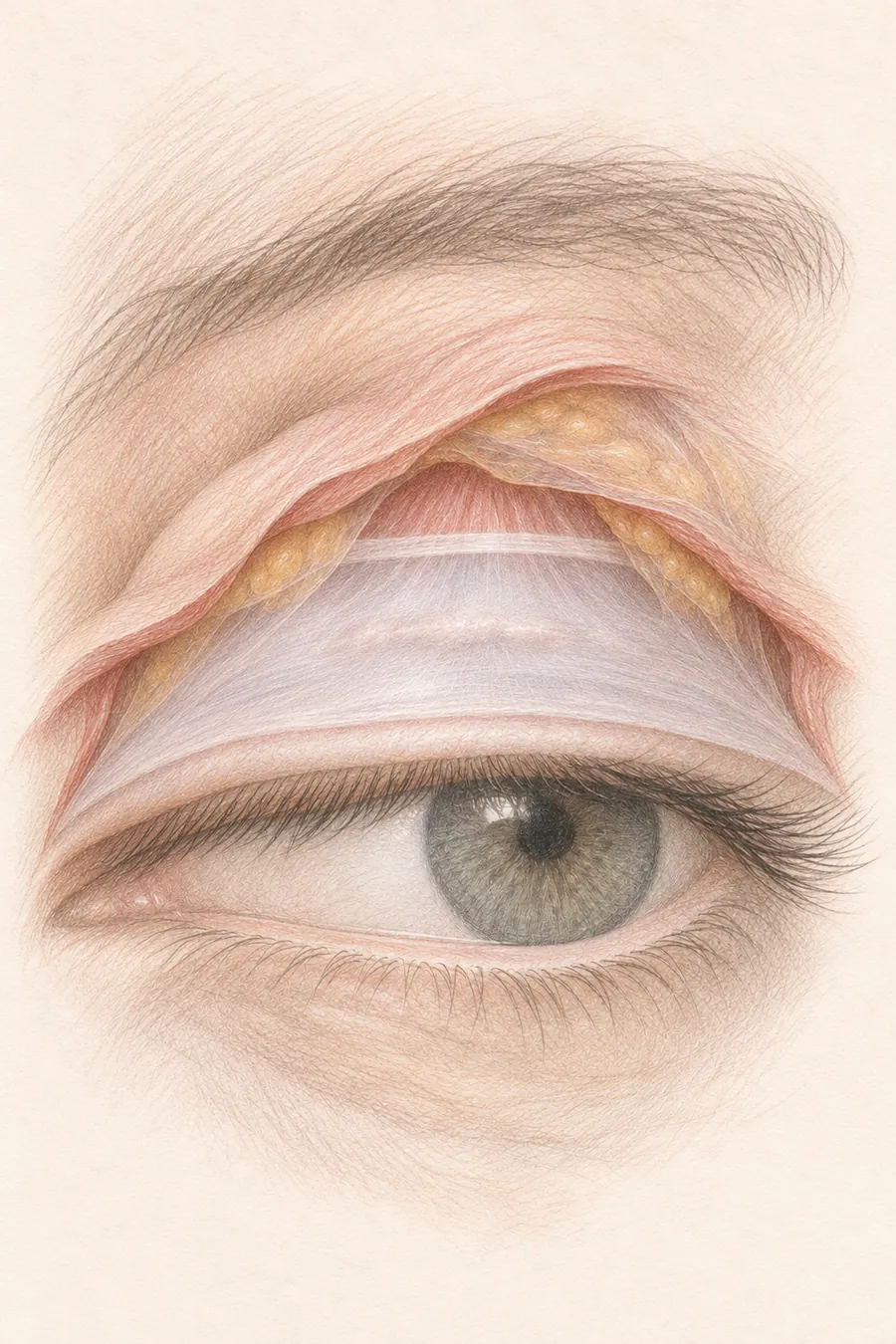
03When should I be evaluated right away instead of waiting?
Answer A suspected hematoma, infection, or vision change requires immediate evaluation regardless of timing. Sudden severe pain or rapidly worsening swelling on only one side also requires prompt attention.
Not everyone needs to wait 6 months. A hematoma (a collection of blood), infection, or vision change requires immediate evaluation. If you have sudden severe pain, reduced vision, bleeding that does not stop, or rapidly worsening swelling on only one side, contact us right away rather than waiting for your appointment.
In a survey of American Society of Ophthalmic Plastic and Reconstructive Surgery members covering 269,433 cosmetic eyelid surgeries, orbital hemorrhage, or bleeding behind the eye, occurred in about 1 in 2,000 procedures (0.055%). Most cases occurred within the first 3 hours after surgery, but some occurred several days later3. It is rare, but requires prompt attention.
We also recommend a consultation if opening your eyes has become difficult after a previous surgery. An examination is needed to determine whether the difficulty is temporary and part of recovery, or related to the strength of the muscles that open your eyes or the amount of available skin.
Situations that may be difficult to wait out, such as being unable to close your eyes completely or having persistent pain, are assessed separately. The table below distinguishes changes that can be monitored while waiting from symptoms that warrant immediate contact.
| Category | Changes to monitor while waiting | Symptoms requiring immediate contact |
|---|---|---|
| Swelling | Swelling on both sides peaks around days 3–4, then decreases | Swelling that rapidly worsens on only one side |
| Sensation | Firmness and tightness from 3 weeks to 3 months | Sudden severe pain |
| Eyes | Temporary difficulty closing the eyes fully or an awkward-looking crease | Reduced vision or an obstructed visual field; continued inability to close the eyes |
| Wound | Redness gradually fades over several months | Bleeding that does not stop, or signs of a possible infection such as a high fever or pus |
Key points Changes in appearance can be monitored over time, but contact us immediately if you suspect bleeding, infection, or a change in vision, regardless of how much time has passed.
So can I have another surgery as soon as 6 months have passed?
04Can I have revision surgery as soon as 6 months have passed?
Answer Six months is a point at which to begin assessment, not a surgery date. An examination of adhesions, remaining skin, and the strength of the muscles that open your eyes helps determine what is possible.
In revision surgery, there is often already less skin available. Removing more can make it difficult to close the eyes completely or cause dryness, so the amount of available skin is first measured with the eyes closed. If little skin is available, the plan is to release adhesions and reposition the underlying structures rather than remove more skin.
There are times when we do not recommend surgery right away, even after time has passed. These include when recovery from the previous surgery is still underway, when the burden of additional surgery outweighs the expected improvement, when the desired change is judged difficult to achieve safely, or when there is so little skin available that removing more could interfere with eye closure.
Research also shows that revision surgery has limits. In a report from a plastic surgery clinic in Korea on 1,225 people who underwent revision surgery for a high crease and thick skin below it, 7.8% of the 425 people followed up were dissatisfied with their results, 6.8% had mild asymmetry, and 4% underwent another surgery2. This means that revision surgery involves discussing and deciding on a plan with both the possibilities and limitations in mind.
If overcorrection is suspected—meaning the eyelid has been raised or too much skin removed, making it harder to close the eye—we first check eye closure and dryness. The double eyelid crease is also part of the structure that helps open the visual field, so we plan with both the shape of the crease and eye function in mind.
Key points Six months is when consultation and assessment can begin. Whether to operate and how extensive the surgery should be depend on the remaining tissue.
So are the reasons for waiting different when the crease comes undone and when multiple folds form?
05Are the reasons for waiting different when the crease comes undone and when multiple creases form?
Answer Because the causes and ways to correct them differ, we first consider why the problem occurred as well as the timing.
If the crease has come undone, we also assess the strength of eyelid opening. If that strength is weak, the force lifting the crease is also weak, so simply reattaching it may lead to the same problem again. The crease can also come undone if eyelid fat or thick tissue gets caught in between, or if the eyes are rubbed frequently. Before reattaching it, we check MRD1 (the distance from the center of the pupil to the upper eyelid), tissue thickness, and habits.
If multiple folds form, we look for hollowness above the eye or adhesions remaining at different heights. Creating another crease at this point can make the folds more complex, so we consider releasing the adhesions and supporting the hollow area by repositioning or adding fat.
Adhesions may form again after they are released, so in such cases we also consider placing tissue between the surfaces. What was done during the first surgery, and how much, affects this decision, so surgical records can be helpful.
In a study from three institutions in China on revision of high double eyelid creases, the average crease height in 86 patients (154 eyelids) decreased from 9.8 mm to 6.8 mm, and the results were evaluated six months after surgery1. Two patients underwent another surgery because of insufficient ptosis correction and asymmetry1. This shows that revision surgery results should also be assessed after allowing time for the tissue to settle.
| Current condition | Causes to check first | Approach Considered |
|---|---|---|
| Crease comes undone | Eyelid opening strength (MRD1), thick tissue, eye-rubbing habits | If opening strength is weak, correct the eyelid-opening muscle and its aponeurosis together, then reattach the crease to a deeper layer |
| Multiple folds | Hollowness above the eye, adhesions remaining at different heights | Release adhesions and support the hollow area by repositioning or adding fat |
| Asymmetry · scarring | Original bone structure, eyelid opening function, differences after surgery, stage of scar healing | Adjust the height and opening strength on each side and revise as needed along the existing scar |
Key points Even with the same type of revision surgery, the approach differs depending on the cause, so both timing and cause are assessed.
What can I do to prepare while I wait?
06What can I do to prepare while I wait?
Answer Gather photos showing your current condition and any records from your previous surgery, and practice good eye habits, such as not rubbing your eyes. You can also have a consultation before six months have passed to find out whether what you are experiencing is part of the recovery process.
Photos showing your current condition are the most important part of the assessment. Records from your previous surgery are helpful because they make it easier to estimate where the incisions were made and what tissue was removed, but you can still have a consultation without them. How your eyes open and close, adhesions, and the amount of available skin are checked during an in-person examination, so surgery is not decided on the basis of photos alone.
While you wait, try to limit contact lens use, use artificial tears frequently, and avoid rubbing your eyes. Frequent rubbing can cause an existing eyelid crease to come undone. If you have used eyelid tape or glue, please mention it during your consultation.
Even if it has only been a few months since your surgery, you can have a consultation if you want to find out whether the firmness and unnatural appearance you are experiencing are part of the recovery process. Having a consultation does not mean you need to make a decision that day.
Key points While you wait, prepare your photos and records and practice good eye habits. You can also have a consultation in advance to find out whether what you are experiencing is part of the recovery process.
What does the doctor examine in person during a revision consultation?
07What is examined during a revision surgery consultation?
Answer The doctor examines how your eyes open and close, your ability to open your eyes (MRD1), adhesions, the amount of available skin when your eyes are closed, and the condition of your scars. Surgery is not decided on the basis of photos alone.
For differences between the two sides, the doctor distinguishes between differences in your natural bone structure, eye-opening function, and changes that developed after surgery to determine the extent of correction. For hollowing, the doctor evaluates the effects of excessive tissue removal or functional correction. For scars, the doctor examines the stage of healing and any shortage of tissue. Even when symptoms look similar, the methods used to correct them can differ.
Available skin is measured with your eyes closed. If the skin has already been reduced, the doctor first considers an approach that avoids reducing it further and discusses your desired changes and what is possible before surgery.
Even if correcting everything at once seems preferable, there are cases where staging the procedures is better for normal recovery. After examining adhesions and tissue condition, the doctor explains how much can be done at one time. Having a consultation does not mean you need to make a decision that day.
Key points For revision surgery, the cause and remaining tissue are assessed through an examination, not photos alone, before deciding on the extent and timing of surgery.
08Three things we check first during your consultation
What we assess first during consultation
- Cause of the change in the eyelid crease (fixation, eye-opening strength, adhesions, or insufficient tissue)
- Remaining available skin and ability to close the eyes
- Time since the previous surgery and current tissue condition
These are general care principles. The actual decision is made after an examination.
When other care is needed first Immediate revision surgery is not recommended when recovery from the previous surgery is still underway, when the burden of additional surgery outweighs the expected improvement, or when so little skin remains that removing more could make it difficult to close the eyes.
The answer to the initial question, “It’s been two months since my double eyelid surgery. Can I have it redone right now?” is this: For a cosmetic revision, it is generally better to wait at least six months to a year, until the tissue has stabilized, before making a decision. Firmness and an unnatural appearance around the two-month mark may be part of recovery. However, if you suspect bleeding, infection, or vision changes, contact us right away rather than waiting. You can schedule a consultation at any time to check whether your current condition is part of recovery.
— VITAL Plastic Surgery
When booking, simply let us know, “Please first check whether my current condition is part of recovery and when I might be ready for revision surgery.” We’ll start there during your consultation. You don’t need to make a decision on the day of your consultation.
Related ReadingDouble Eyelid Revision Surgery InformationDouble Eyelid Surgery SwellingPtosis Repair vs. Double Eyelid SurgeryLowering the double eyelid creaseTerminology · Adhesions
READ NEXT
Read Next
FAQ
Frequently Asked Questions
How many months should I wait before double eyelid revision surgery?
For cosmetic revisions, the decision is generally made after waiting 6 months to 1 year or longer for the tissue to stabilize. Hematoma, infection, and vision changes are evaluated immediately, regardless of timing.
It has been two months since my surgery, and my eyelids feel firm and look unusual.
Between 3 weeks and 3 months, tissues can become firm, lumpy, and tight. Your eyes may temporarily close less fully, or the creases may look unnatural. Rushing into another surgery during this period may cause further tissue damage. However, contact us immediately if one side suddenly becomes severely swollen or if you experience pain and vision changes.
Can I Have a Consultation Without Previous Surgical Records?
Yes. Photos showing your current condition are the most important reference, and records are helpful if available. Without records, we assess adhesions, available skin, and eyelid lifting function directly during an examination.
When can a double eyelid crease made with the non-incisional technique be redone if it comes undone?
Why the crease came undone matters more than when it happened. If the muscles that open the eyes are weak or thick tissue is caught in the fold, it may happen again even if the same technique is used to secure it. After checking MRD1, tissue thickness, and habits, the timing and method are determined following an examination.
Can everything be corrected in one surgery?
Even if it seems preferable to do everything at once, in some cases it is better to divide the procedures into stages to allow for normal healing. After assessing the adhesions and tissue condition, we explain how much can be done at one time.
Does recovery from revision surgery take longer than recovery from the first surgery?
Recovery follows the same general timeline: swelling for 3–4 days, suture removal on days 5–7 if an incision was made, firmness from 3 weeks to 3 months, and stabilization from 3 months to 1 year. However, if a larger area requires adhesions to be released or fat to be repositioned, swelling and the demands of aftercare may increase. The extent is explained after an examination.
Is revision surgery also performed under sedation?
At VITAL Plastic Surgery, double eyelid revision surgery is performed under sedation. This may vary depending on your health and medical history, which we review with you during your consultation.
BEFORE CONSULTATION
What to Prepare Before Your Consultation
- Current PhotosRecent photos showing your eyes both open and closed are the most important materials to bring.
- Previous surgery recordsPlease bring the date and method of your surgery (suture or incisional), along with any records you have. You can still have a consultation without them.
- Symptoms and DiscomfortPlease consider what concerns you most: the shape of the crease, eyelid closure, dryness, or difficulty opening your eyes.
- Medications · Medical HistoryPlease let us know about any anticoagulants and supplements you take, and whether you have thyroid eye disease, glaucoma, dry eye, or an autoimmune disease.
REFERENCES
References
- Shi H, Liu M, Huang W, Wang Z. Revisional Asian Blepharoplasty of the High Eyelid Fold: Tarsus-Orbicularis Fixation Combined With Orbital Fat Repositioning Technique. Journal of Craniofacial Surgery. 2023. doi:10.1097/SCS.0000000000008991 (View abstract)
- Kim BG, Youn DY. Management of adhesion using a pretarsal fibromuscular flap or graft in secondary blepharoplasty. Plastic and Reconstructive Surgery. 2006. doi:10.1097/01.prs.0000200064.40520.0b (View abstract)
- Hass AN, Penne RB, Stefanyszyn MA, Flanagan JC. Incidence of postblepharoplasty orbital hemorrhage and associated visual loss. Ophthalmic Plastic and Reconstructive Surgery. 2004. doi:10.1097/01.iop.0000143711.48389.c5 (View abstract)
The findings in these papers reflect the participants and conditions of each study and do not mean that every individual will have the same results.
This article provides general medical information and does not replace diagnosis or treatment. Surgical results and recovery vary by individual, and complications such as bleeding, infection, scarring, and asymmetry may occur.
More articlesVITAL Plastic Surgery Medical Articles
RESERVATION
You do not need to decide the day of your consultation.
Organize questions about this page without entering your name, contact information, or medical history. This does not submit an appointment request.