PLASTIC SURGERY
All Treatments / Surgery
Liposuction and contouring
Liposuction
We assess both fat distribution and excess skin.
This may vary depending on your condition and the extent of surgery.
SHORT ANSWER
What do we assess first for liposuction and body contouring?
We assess both fat distribution and excess skin. During your consultation, we evaluate subcutaneous fat distribution · skin elasticity and excess skin · body shape and overall health.
01 · START WITH YOUR CONCERN
Do any of these concerns
sound familiar?
What brings you in?
1
Localized fat
2
Left-right balance
3
Skin Firmness
“I'm concerned about fat in a specific area”
“I'd like to improve the balance between my left and right sides”
“I'm worried about sagging after fat removal”
We assess both fat distribution and excess skin.
We assess your body shape, excess skin, differences between the two sides, and current concerns together. We discuss planned weight changes and any previous procedures or surgeries in advance.
Liposuction,
What does the surgery involve?
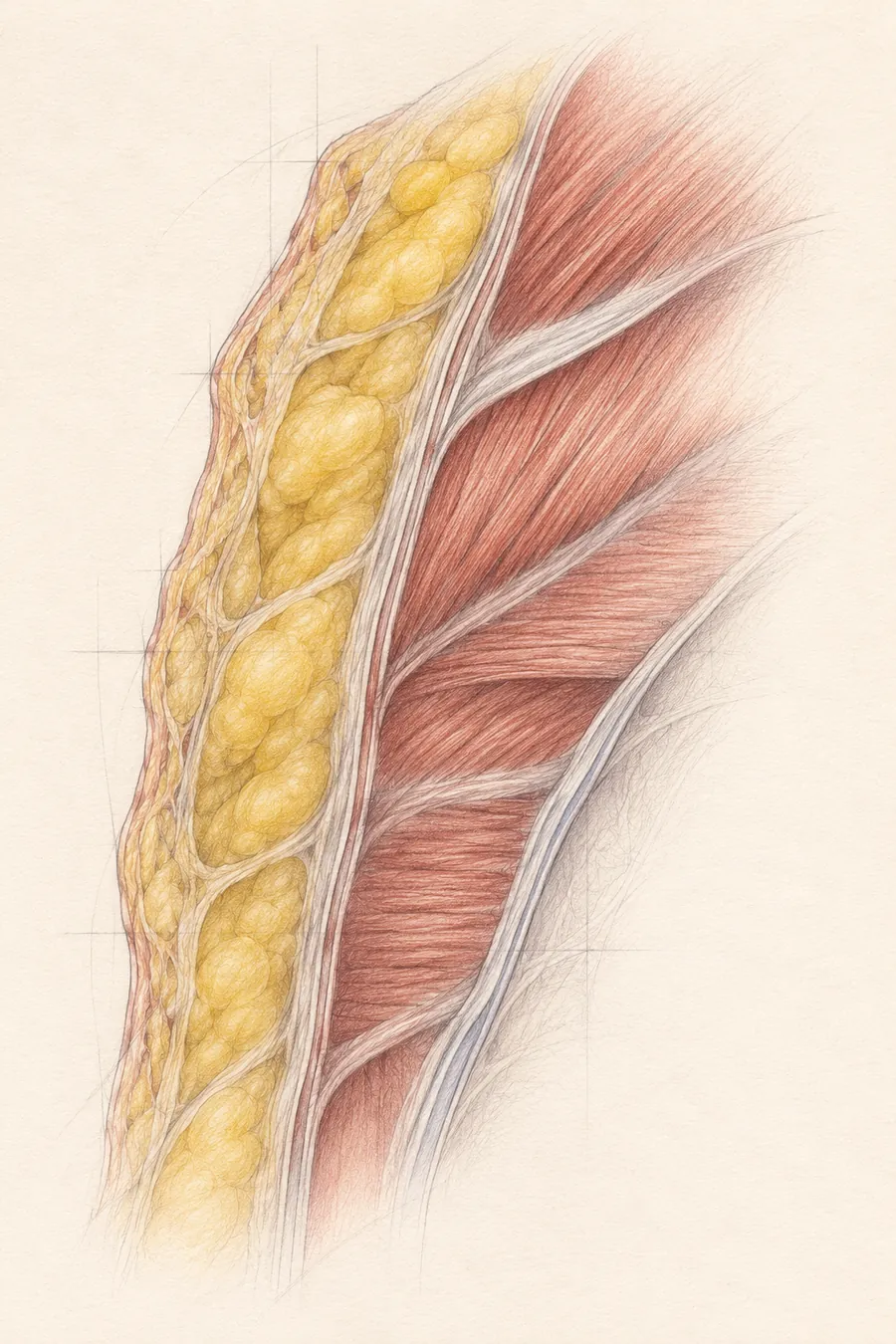
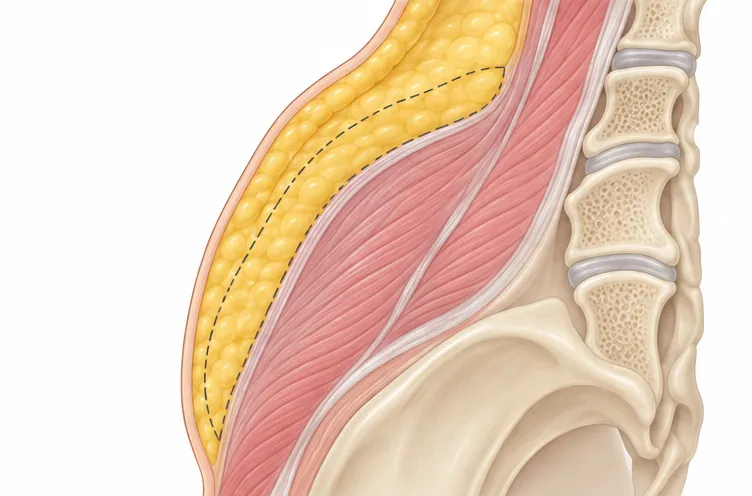
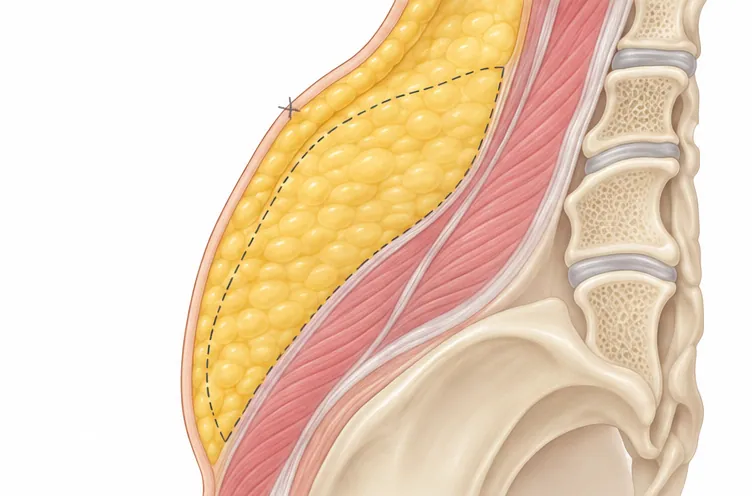
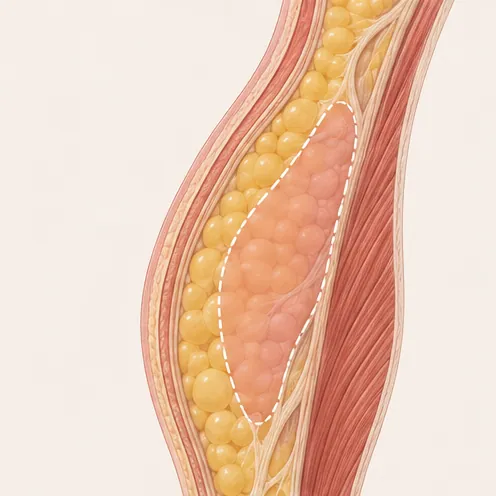
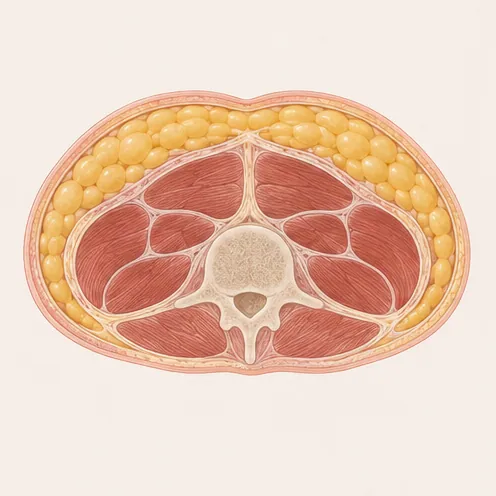
Liposuction is surgery that refines body contours by removing prominent deposits of fat beneath the skin through a thin tube. Because it is not a weight-loss treatment, we first distinguish weight loss from localized contour correction. It removes subcutaneous fat, not visceral fat. Removing more fat does not make the surgery better, so we determine the treatment area by assessing the thickness of the superficial and deep fat layers, skin elasticity, differences between the two sides, and overall health.
- Deep fat layer
- This is the fat layer closer to the muscles. It is the primary layer treated during liposuction.
- Superficial fat layer
- This is the fat layer directly beneath the skin. It requires care because excessive treatment can leave the surface uneven.
- Tumescent solution
- This is a fluid containing medications that is injected into the fat layer before liposuction. It helps reduce bleeding and pain and makes fat removal easier.
- Compression garment
- A compression garment puts pressure on the treated area to reduce swelling and help the skin adapt to its new contours. Wear it 24 hours a day for the first 2 weeks after surgery, then at least 12 hours a day for the next 4–6 weeks.
In liposuction,
in Lower Blepharoplasty
Safety comes before the amount removed
The more fat that is removed, the greater the risk of excess skin and an uneven surface. Removing a large amount over a wide area in one session also increases strain on the body, including bleeding, fluid changes, and blood clots. Before expanding the treatment area, we determine a reasonable extent for one surgery. If the amount exceeds the safe liposuction limit (typically 5,000 cc), we divide the procedure into two sessions. Fat is removed through small entry points, mainly from the deep fat layer. The amount removed is determined with consideration for potential skin sagging afterward.
Skin elasticity changes the choice of surgery
Liposuction is sufficient if the skin can contract after fat removal. If the skin is already stretched from pregnancy or weight changes, liposuction alone may leave wrinkled skin. This distinction is especially important for the abdomen, so we also compare a tummy tuck with a tummy tuck combined with liposuction. We explain our assessment after pinching the skin to check its elasticity and excess.
We plan surgery after your weight has stabilized
Repeated major weight changes affect the skin and body contours. Significant weight gain after surgery may enlarge the remaining fat or cause fat to accumulate elsewhere, while rapid weight loss may leave the skin looking loose. We therefore ask about planned weight changes in advance and assess weight stability and adequate nutrition. We exclude areas that can be reduced through diet and exercise from the scope of surgery.
We assess a double chin along with the neck's anatomy
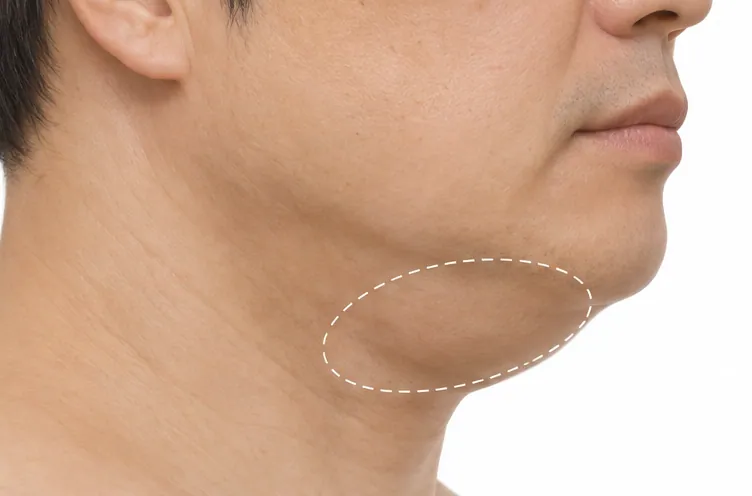
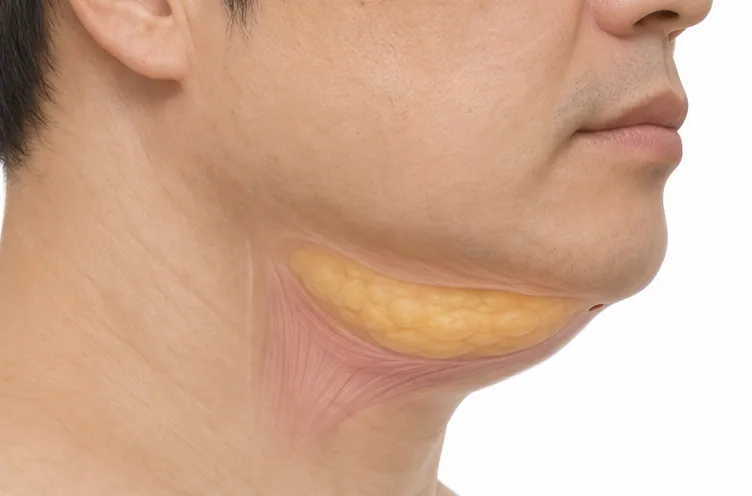
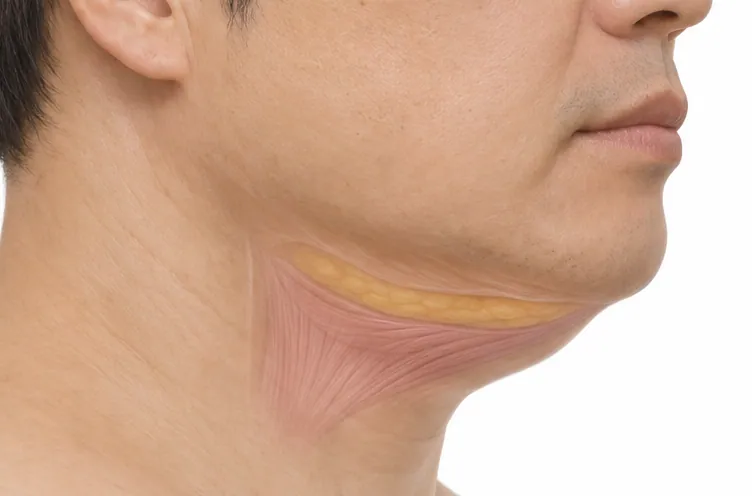
Fullness beneath the chin is not always caused by fat. Excess skin, bands in the platysma—the broad muscle of the neck—and the structures beneath the chin all contribute. Fat above the muscle can be reduced with liposuction, but structures beneath the muscle are not treated with liposuction. Repeated fat-reduction treatments require caution in a thin, hollow face, so we compare liposuction with a neck lift when there is substantial excess skin.
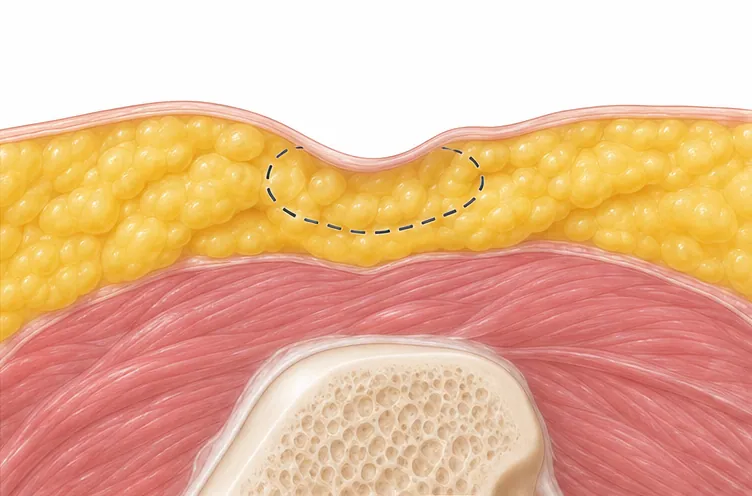
We correct indentations with small amounts
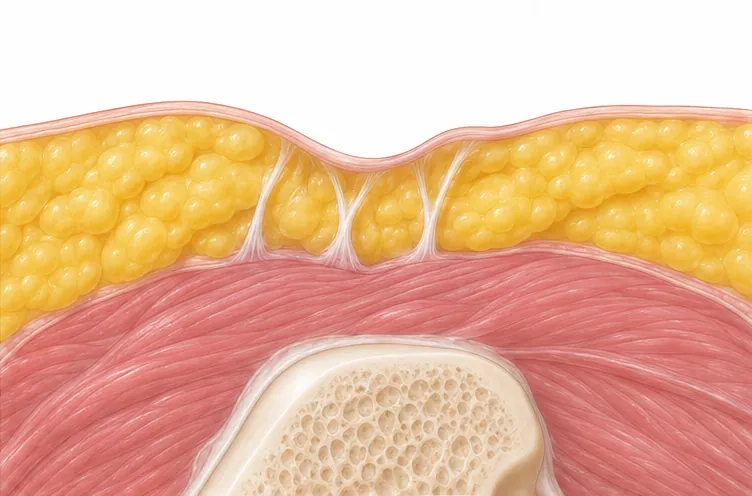
Filler is a very good option for smoothing indentations after liposuction. However, the amount used is 10 cc, up to 15 cc at most. Blood vessels must grow into any tissue for it to settle stably. If a large amount forms a ball-like mass in one spot, blood vessels may not reach the center, which can lead to inflammation and infection. For revision surgery, we assess both scar adhesions and remaining fat.
We can combine fat removal with fat grafting
Fat removed through liposuction can be transferred to hollow areas. Our fee schedule includes fat grafting for the face, upper eyelids, neck lines, backs of the hands, buttocks, and breasts. Only some of the transferred fat survives, and uneven contours can develop, so we assess each area and the amount needed separately. Treating multiple areas at once increases the recovery burden, so we also decide whether to perform them on the same day.
A Word from the Doctor
Dr. Hyungwoo Yim’s own words from his blog and interviews.
01Axillary Breast Tissue
“Treating it with liposuction is very inappropriate.”
Axillary breast tissue may contain actual breast gland tissue as well as fat. If gland tissue is present, it is excised along with the milk ducts rather than removed by suction.
Dr. Hyungwoo Yim, Medical Director
The Surgical Process Varies
Depending on Your Condition
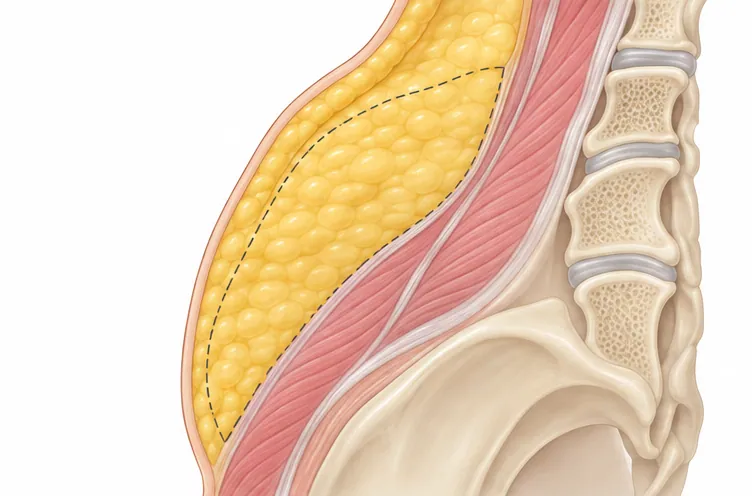
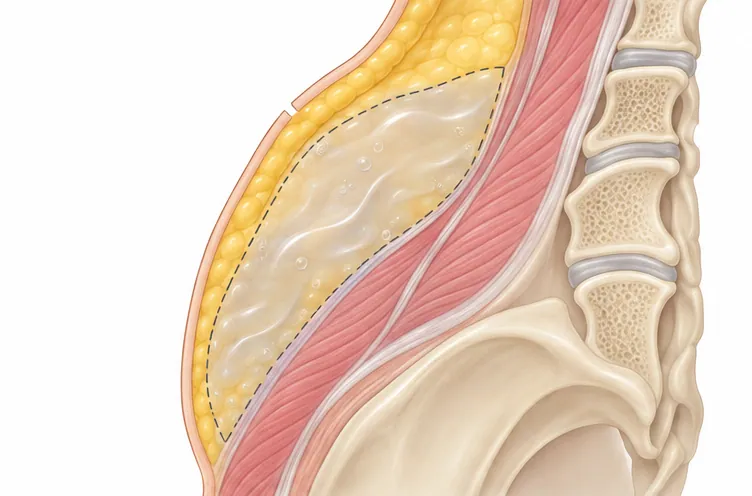
When fat is prominent in the abdomen and flanks
 1
While you are standing, we assess fat thickness and skin elasticity and draw contour markings to define the treatment area
 2
We make small access incisions in discreet locations and inject tumescent solution
 3
We remove fat mainly from the deep layer and check the superficial layer and surface by touch for evenness
 4
We close the access incisions with sutures and put on a compression garment
When fat beneath the chin is prominent
 1
We assess fat beneath the chin, excess neck skin, and platysmal bands together, then mark the treatment area
 2
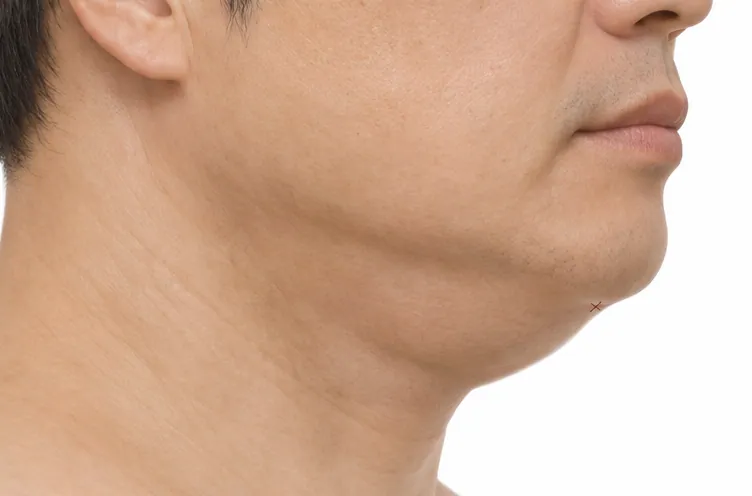
We insert a thin tube through a small access incision beneath the chin or below the ear
 3
We evenly remove fat only from the layer above the platysma
 4
We close the access incisions with sutures and apply gentle compression beneath the chin
When indentations remain after liposuction
 1
While you are standing, we mark the indentations, scar adhesions, and remaining fat nearby
 2
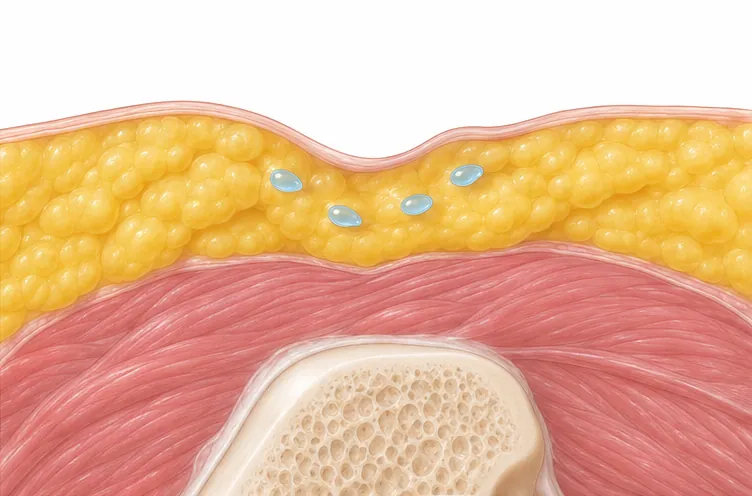
We enter through a small nearby access incision and release the adhesions
 3
We smooth the surrounding fat and, if needed, place filler in divided amounts totaling 10 cc, up to 15 cc at most
 4
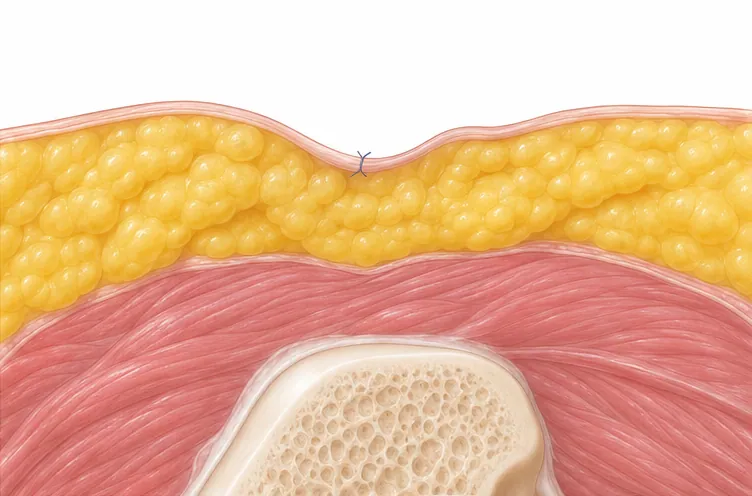
We close the access incisions with sutures and explain whether compression is needed and for how long
Illustration for explanation · Not an actual patient. This is a simplified description of typical steps. The actual technique and extent of surgery are determined after examination.
02 · WHAT WE LOOK AT
Even when concerns look similar,
the factors to assess differ.
Subcutaneous fat distribution
We assess body proportions, excess skin, differences between sides, and your current discomfort.
Skin elasticity and excess skin
We discuss planned weight changes and any previous procedures or surgeries in advance.
Body shape and overall health
We compare your desired shape with the extent of correction possible, considering scarring and effects on function.
03 · DOCTOR'S DECISION
When choosing an approach, Dr. Hyungwoo Yim
looks at three things first.
Distinguishing weight loss from localized contour correction
Using your medical history and examination findings, we distinguish your current condition from your desired changes. At this stage, we identify the necessary conditions before choosing a treatment.
Explaining the treatment area and skin changes
When comparing available methods, we explain the expected changes, the burden on the tissues, recovery, and potential remaining problems.
Reviewing recovery care and limitations
We give you time to understand the explanation and ask questions. We may not recommend immediate treatment if its burden is greater or if you cannot allow enough time for recovery.
VITAL Plastic Surgery's principle is to recommend necessary treatment at the appropriate time. Having a consultation does not mean you need to decide on a procedure or surgery that day.

When
to consider a consultation
- When your weight is stable but fat in a specific area will not go away
- When fat in the arms, accessory breast tissue, bra line, or flanks bothers you when wearing clothes
- When you want to improve the balance between your left and right sides
- When enough skin elasticity remains for the skin to contract after liposuction
- When you want an evaluation of indentations or unevenness after previous liposuction
When
Surgery is not our first recommendation
- When significant weight loss is your main goal
- When a protruding abdomen is mainly caused by visceral fat or an abdominal wall issue
- When substantial skin laxity makes contour improvement with liposuction alone unlikely
- When medical history requires assessment first, such as diabetes, high blood pressure, or anticoagulant use
04 · LIMITS & RISKS
Along with possible improvements,
we explain the limitations and risks.
Your desired changes — First, tell us what bothers you most and which aspects of your appearance you want to keep. We do not promise changes identical to photos or someone else's results.
Bleeding
Infection
Surface irregularities
Asymmetry
Skin sagging
Previous Treatments
Do not wait if you have these symptoms
If you experience sudden severe pain, bleeding that does not stop, rapidly worsening swelling on one side, or signs of possible infection such as a high fever or pus, contact us immediately rather than waiting for your appointment.
Conditions to address first — We first assess your health, inflammation and stage of recovery, and the range of feasible treatments. If needed, testing, observation, or other medical care may take priority.
Risks and limitations to discuss during consultation — bleeding, infection, surface irregularities, asymmetry, skin sagging, blood clots, and others. This is not a complete list of possible risks. Risks may vary depending on your health, previous treatments, and the technique and extent of treatment. We explain them in detail during your examination and the informed consent process.
Preparing for surgery and
recovery by stage
- 3–4 days after surgery
Swelling and bruising are most pronounced during this period. For 1–3 days, reddish fluid (the solution used during surgery) may drain from the incisions. Begin walking lightly the next day to help prevent blood clots.
- Early After Surgery
Wear the compression garment 24 hours a day for the first 2 weeks after surgery, then at least 12 hours a day for the next 4–6 weeks (for a double chin, wear a chin band 24 hours a day for 1 week, then at night for 3 weeks). Stitches are removed after 7–10 days. Shower after your surgeon gives permission, usually after 3–5 days, with a waterproof dressing.
- 3 weeks–3 months
During this period, treated areas may feel firm and uneven. Bruising and swelling may last 2–4 weeks (2–3 months for the lower abdomen and 4–8 weeks for the thighs). You may resume light exercise after 2 weeks, strenuous exercise after 4 weeks, and activities that cause impact or friction to the treated area after 6 weeks.
- 3 months–1 year
Firmness and reduced sensation gradually improve over 3–6 months. The final result is assessed after 6 months. Significant weight changes may also change the shape.

No smoking · No alcohol
This information is provided before surgery. Do not smoke or drink alcohol for 4 weeks after surgery, and avoid baths, swimming, and saunas for 4 weeks.
Medications · Supplements
We recommend stopping herbal medicines and supplements such as omega-3s when possible because they may increase bleeding. Birth control pills and hormone medications carry a risk of blood clots, so discuss whether to stop them before and after surgery. Please tell us about all medications you take.
Medical history
We check for diabetes, high blood pressure, blood clot risk, and medications you take. The procedure is performed under sedation (intravenous anesthesia) and local (tumescent) anesthesia. General anesthesia is used for multiple areas or large-volume procedures.
Weight
We plan surgery when your weight is stable.
Recovery timelines are averages and vary from person to person. If one side suddenly swells, feels as though fluid is moving beneath the skin, or becomes severely painful, please come to the clinic immediately. For calf pain or swelling, shortness of breath, or chest pain, go to a hospital or emergency room immediately.
05 · FOLLOW THE CHANGE
We also document
and monitor changes after treatment.
01
STEP 01
Documenting your condition before treatment
We review previous treatments, your current condition, and the changes you hope to see.
02
STEP 02
Check Early Reactions · Wound Healing
We explain treatment-specific precautions and symptoms that require contacting us.
03
STEP 03
Comparing appearance and function
Along with photos, we assess discomfort and changes in function.
04
STEP 04
Assessing additional care
We explain additional treatment based on your condition rather than recommending the same treatment to everyone.
This is a general overview, not an actual patient case. Specific follow-up schedules vary by treatment method and recovery. If you experience sudden severe pain, persistent bleeding, or signs of possible infection, contact a medical facility immediately rather than waiting for your appointment.
Common questions
during consultations
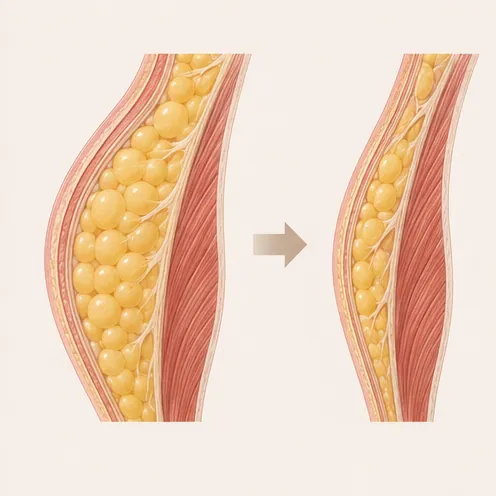
Will I gain fat elsewhere after liposuction?
Liposuction reduces the number of fat cells in the treated area, but significant weight gain can enlarge the remaining fat cells and increase fat in other areas. Keeping your weight stable before and after surgery is therefore important.
Can I have several areas treated at once?
Larger treatment areas increase the risks of bleeding and blood clots and the burden of recovery, so we decide based on the total amount and your health. If treating everything at once would be too much, we divide the areas into separate procedures. Staging treatment is often preferable for normal recovery.
Can I travel from overseas for surgery?
Many patients traveling from the Middle East are interested in liposuction. However, we do not have a fixed length of stay for liposuction. After assessing the treatment extent and your health, we plan a schedule that includes suture removal and the first follow-up visit.
When can I fly after surgery?
The American Society of Plastic Surgeons (ASPS) recommends waiting 5–7 days after body surgery, such as liposuction or breast augmentation, and 7–10 days after facial surgery, such as a facelift, eyelid surgery, or nose surgery, before flying. It explains that long-haul flights and surgery can each increase the risk of blood clots. Guidelines from the British Association of Aesthetic Plastic Surgeons (BAAPS) recommend that patients stay in the country for 1–2 weeks after surgery lasting up to 3 hours under general anesthesia, or 2–4 weeks after longer surgery, if their journey is approximately 4 hours or longer. These recommendations are based on expert opinion. During travel, an aisle seat, frequent water intake, moving around on the plane, and compression stockings are recommended. At VITAL Plastic Surgery, the surgeon determines when you can fly after your stitches have been removed and your first follow-up check has been completed.
Source: ASPS 「Cosmetic Surgery Tourism」 · BAAPS Cosmetic Tourism Guidelines(2023)
Returning to your original concern
“I'm worried about sagging after fat removal”
Some cases call for weight loss first, while others are suited to localized contour correction. Skin changes also vary with the extent of liposuction, so we explain these together.
Three things we check first during your consultation
- Whether weight loss should come first or localized contour correction is appropriate
- The treatment area and resulting skin changes
- Recovery care and limitations
When booking ‘Please assess the possibility of skin sagging after liposuction first’Leave this brief note, and we can start your consultation with that concern.
These are our principles of care. The actual approach is determined after an examination. You do not need to decide the day of your consultation.
Related Treatments
- Double Chin
- Tummy tuck
- Column · Back liposuction: Will removing bra-line fat alone smooth the back?
- Column · Thigh liposuction: Will I gain fat elsewhere afterward?
- Column · Abdominal liposuction: Will it completely flatten a protruding belly?
- Column · Upper arm liposuction: Will removing fat alone make my arms slimmer?
BEFORE YOU DECIDE
Before you decide,
frequently asked questions
Questions to review together before deciding.
Based on questionnaire responses from Dr. Hyungwoo Yim · Last updated October 2026 Specific methods and their scope are discussed individually after an examination.
Q
Is liposuction a weight-loss surgery?
−
A
Weight loss and localized body contouring serve different purposes. We first assess your health, excess skin, and the appropriate extent of correction.
Q
Are the cost, number of treatments, and recovery period fixed?
+
Q
Can a treatment plan be finalized through a photo consultation alone?
+
DOCTOR'S COLUMN DOCTOR'S COLUMN DOCTOR'S COLUMN
Must Read
Care Notes Written by the Doctor · Please Read Before Your First Visit
No.1
No.3
VIEW MORE →
RESERVATION
You do not need to decide the day of your consultation.
Organize questions about this page without entering your name, contact information, or medical history. This does not submit an appointment request.