PLASTIC SURGERY
All Treatments / Surgery
Breast augmentation
Breast Augmentation
We assess proportions that suit your body and lifestyle before size.
This may vary depending on your condition and the extent of surgery.
SHORT ANSWER
What do we assess first for breast augmentation?
We assess proportions that suit your body and lifestyle before size. During your consultation, we examine your chest and body frame · skin thickness and elasticity · differences between the breasts and their current condition.
DOCTOR'S NOTE
Before considering size,
we assess your body's proportions.
“
We first assess body proportions, sagging, and volume balance, rather than breast size alone, to determine the extent of any lift or correction.
Dr. Hyungwoo Yim · Approach to Care
Dr. Hyungwoo Yim, Medical Director · Based on the doctor's own answers. The actual scope of care is determined after an examination.
01 · START WITH YOUR CONCERN
Do any of these concerns
sound familiar?
What brings you in?
1
Chest width · Body proportions
2
Location of sagging
3
Differences between sides
“My breasts feel too small.”
“My breast volume changed after childbirth.”
“I want to know what size suits my body.”
We assess proportions that suit your body and lifestyle before size.
We assess body proportions, excess skin, differences between sides, and your current discomfort. We discuss plans for childbirth and breastfeeding, along with any previous breast examinations or surgeries, in advance.
Breast augmentation,
What does the surgery involve?
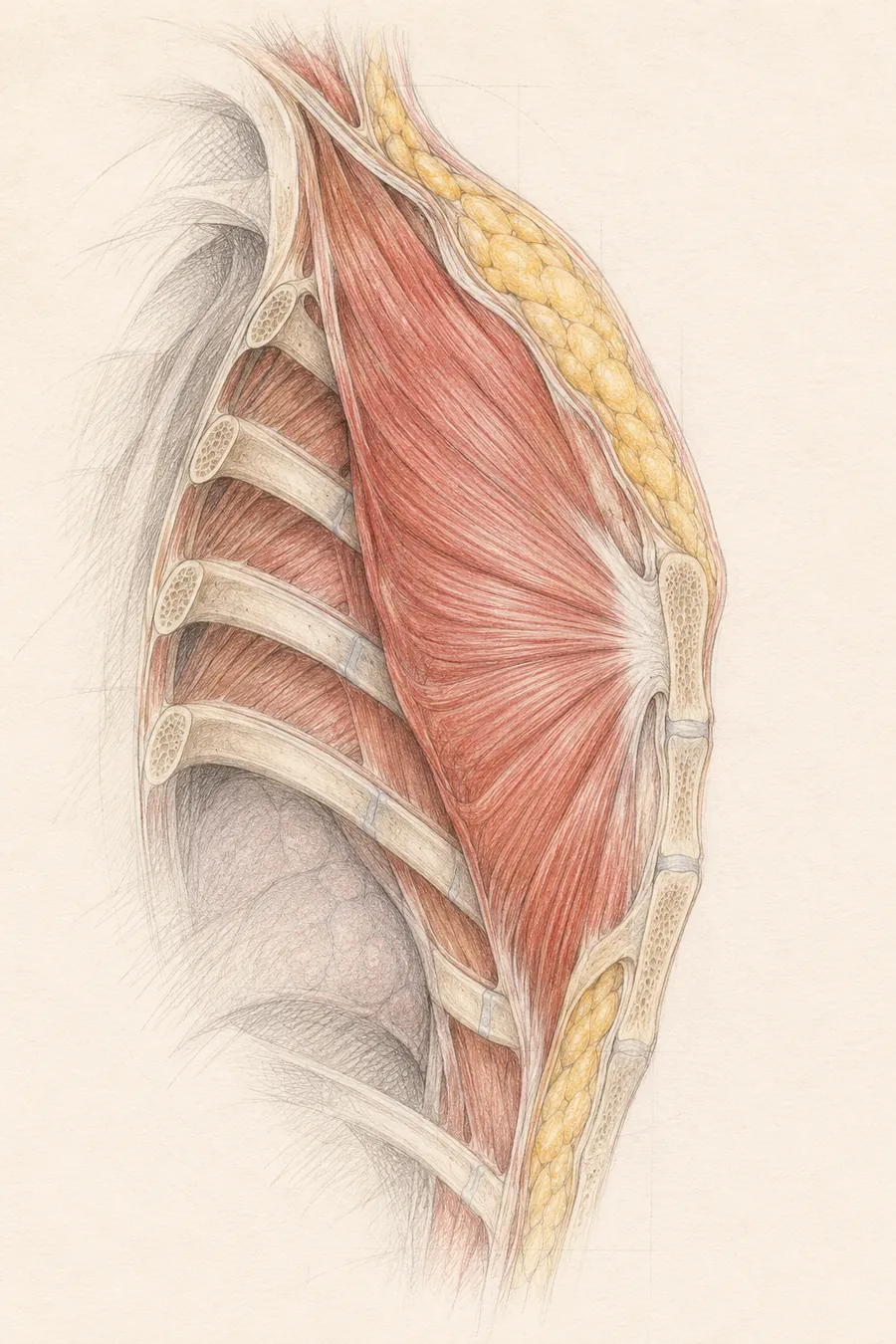
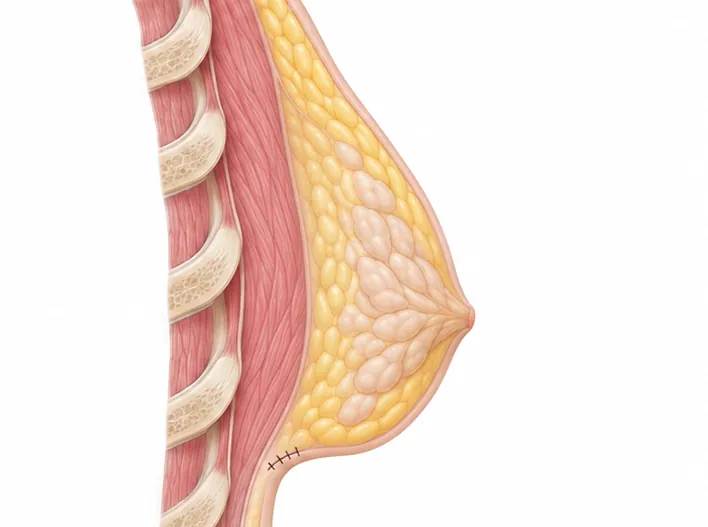
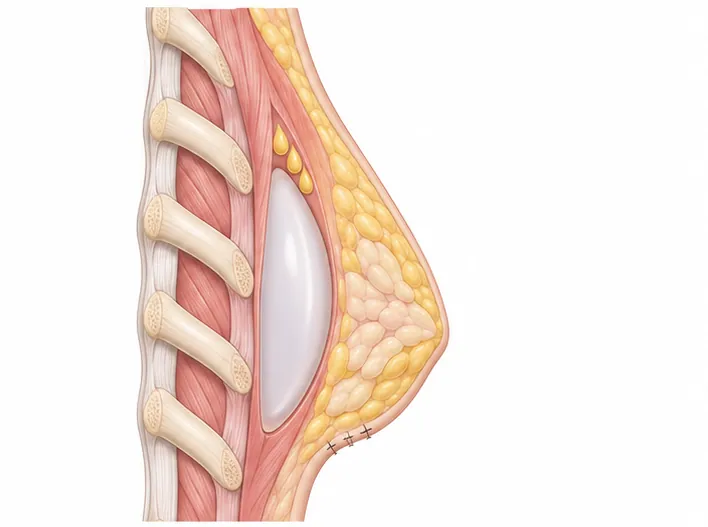
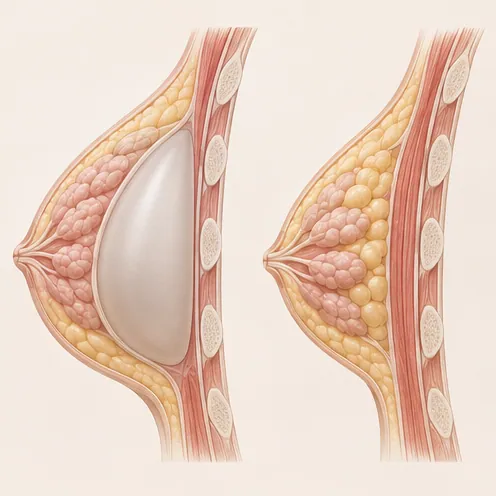
Breast augmentation is surgery that adds volume using implants or your own fat. Rather than focusing only on increasing size, we consider your chest and body frame, torso thickness, skin elasticity, asymmetry, and changes after pregnancy and breastfeeding to find suitable proportions. If sagging is the main concern, implants alone may not address it, so we also assess the need for a breast lift. For implants, we explain placement, incision location, and long-term care.
- Implant Placement
- This refers to whether the implant is placed above or below the muscle. The choice depends on skin and tissue thickness.
- Capsular Contracture
- This occurs when the scar tissue capsule around an implant tightens, causing firmness or a change in shape.
- Implant Visibility and Rippling
- When tissue is thin, the implant's outline or wave-like wrinkles may become visible.
For breast augmentation,
in Lower Blepharoplasty
we assess proportions before size
Implants of the same size can look different depending on chest width, shoulder contours, and torso thickness. An implant wider than the breast may be felt along the side or have a visible outline. Before discussing your preferred volume in cc, we measure the width and height that fit your body, then discuss your clothing and lifestyle to set a goal.
We assess sagging separately
Low volume and sagging are separate concerns. If the nipples sit well below their usual position or there is substantial excess skin, placing implants alone may allow breast tissue to droop below the implants, creating an unnatural appearance. We assess nipple position, available skin, breast size, and desired volume together to determine whether augmentation alone is appropriate or a lift is needed.
Tissue thickness guides implant placement
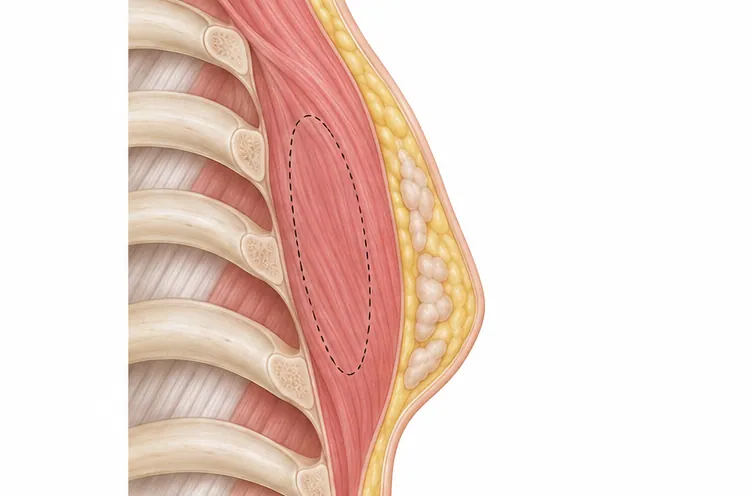
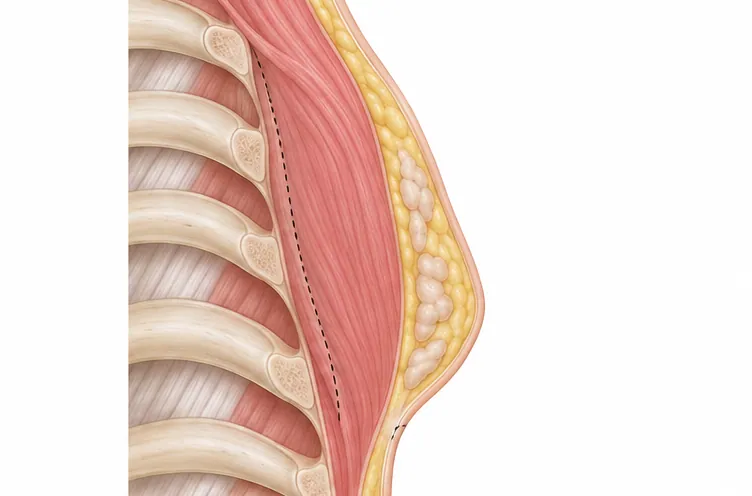
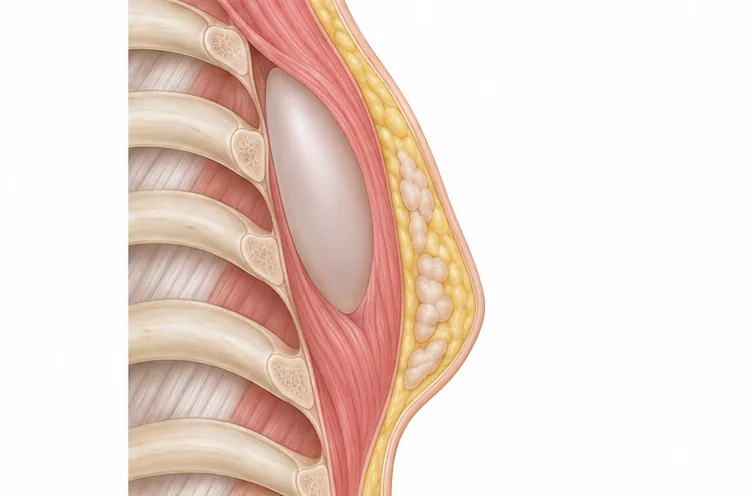
If the skin and breast tissue are thin, implant outlines may be visible or rippling may be felt. We therefore compare the advantages and disadvantages of placement beneath the pectoralis major muscle and placement above it. Placement beneath the muscle provides more coverage of the implant outline, but breast shape may change when the muscle moves. We also discuss your body frame and exercise habits.
Incision planning considers scarring and surgical access
Incision options include the armpit, the edge of the areola, and the crease beneath the breast. All leave scars, and the most suitable access depends on implant size, placement, and previous surgery. The circumstances in which scars are visible and the potential effects on breastfeeding differ, so we explain the options after discussing your usual clothing and future plans.
We explain implant risks in advance
Breast implants can lead to capsular contracture, rupture, visibility, or displacement, and replacement or removal may need to be discussed over time. Rare cases of implant-associated lymphoma have also been reported. Sudden swelling on one side, even long after surgery, requires prompt examination. Implants should not be considered lifetime devices.
We plan for breastfeeding and breast examinations
Pregnancy and breastfeeding can change breast shape again, so we adjust the timing of surgery if either is planned soon. Depending on the surgical technique, sensation and breastfeeding may be affected. We explain how we plan to preserve them and the limitations. If you have implants, you should inform the clinician performing your breast examination and plan for follow-up imaging, such as ultrasound.
The Surgical Process Varies
Depending on Your Condition
When Tissue Thickness Is Sufficient
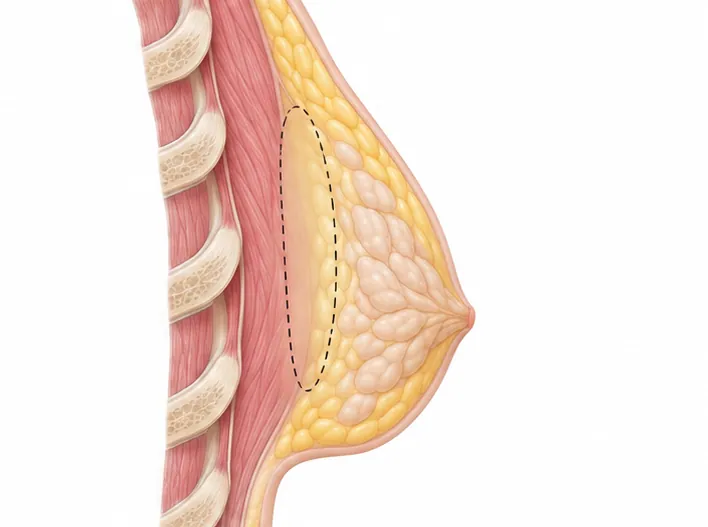 1
We measure chest width and breast width to plan implant size and incision location
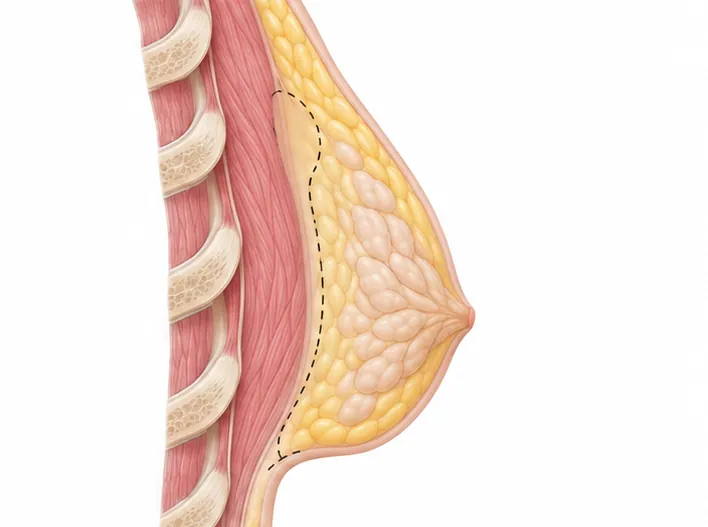 2
Through the selected incision, we create a pocket for the implant
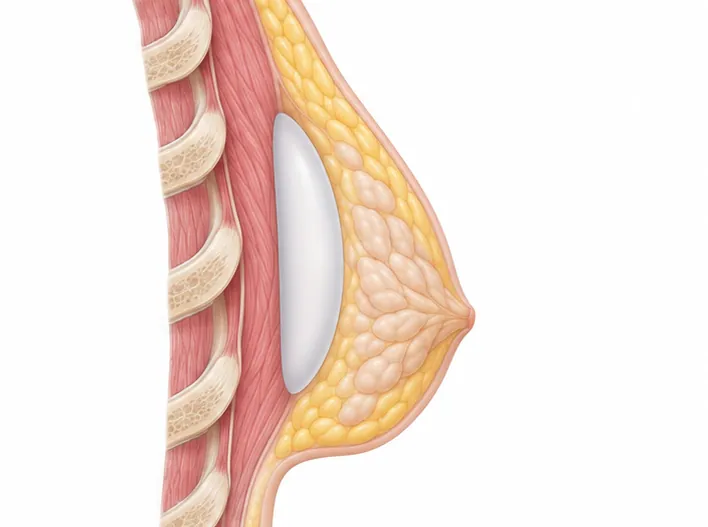 3
We insert the implants and check their height on both sides with you in a seated position
 4
We close the incisions in layers
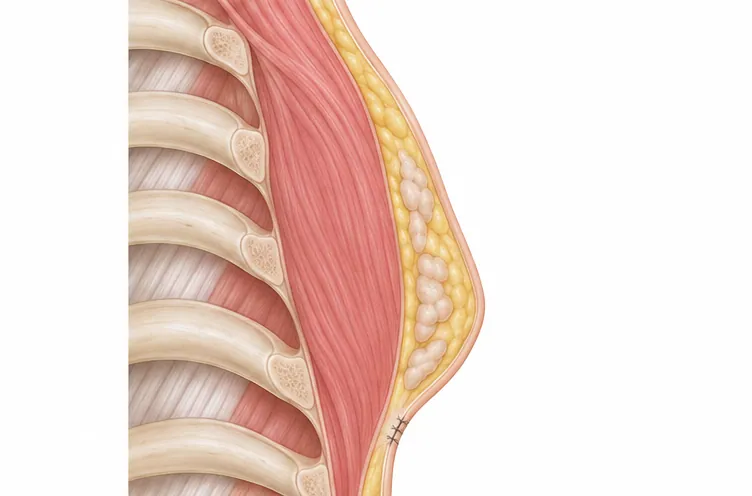
When Skin and Tissue Are Thin
 1
We manually assess skin and breast tissue thickness to consider placement beneath the muscle
 2
After making the incision, we create a pocket beneath the pectoralis major muscle
 3
We insert the implant and position it so the muscle covers its upper portion
 4
We check symmetry and close the incision in layers
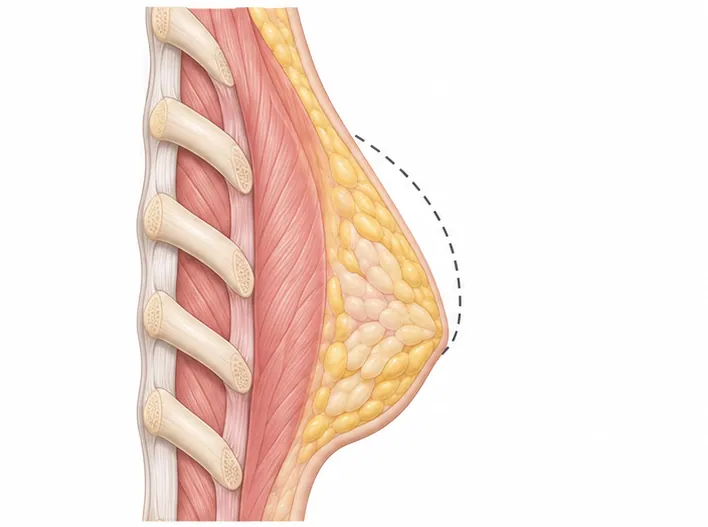
When Breast Volume Differs Between Sides
 1
We measure differences in breast volume and chest shape to plan the procedure
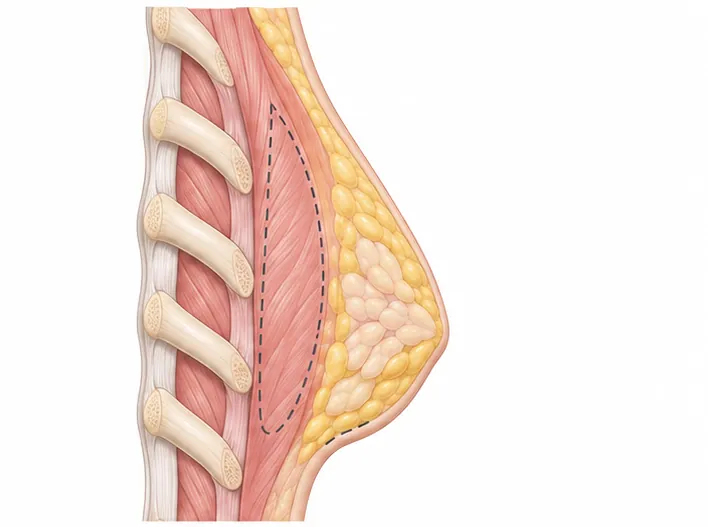 2
Using the same approach, we adjust the position of the pocket on each side
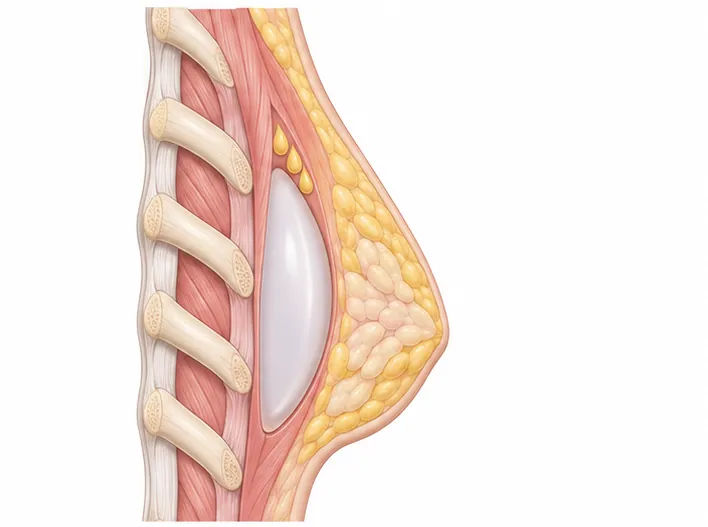 3
We use implants of different sizes or fat transfer to address the difference
 4
We check the result with you in a seated position and close the incisions
Illustration for explanation · Not an actual patient. This is a simplified description of typical steps. The actual technique and extent of surgery are determined after examination.
02 · WHAT WE LOOK AT
Even when concerns look similar,
the factors to assess differ.
Chest and Body Frame
We assess body proportions, excess skin, differences between sides, and your current discomfort.
Skin Thickness · Elasticity
We discuss plans for childbirth and breastfeeding, along with any previous breast examinations or surgeries, in advance.
Breast Asymmetry and Current Condition
We compare your desired shape with the extent of correction possible, considering scarring and effects on function.
03 · DOCTOR'S DECISION
When choosing an approach, Dr. Hyungwoo Yim
looks at three things first.
Comparing Desired Size With What Is Possible
Using your medical history and examination findings, we distinguish your current condition from your desired changes. At this stage, we identify the necessary conditions before choosing a treatment.
Assessing Suitability for Implants · Fat Transfer
When comparing available methods, we explain the expected changes, the burden on the tissues, recovery, and potential remaining problems.
Explaining Future Examinations and Care
We give you time to understand the explanation and ask questions. We may not recommend immediate treatment if its burden is greater or if you cannot allow enough time for recovery.
VITAL Plastic Surgery's principle is to recommend necessary treatment at the appropriate time. Having a consultation does not mean you need to decide on a procedure or surgery that day.

When
to consider a consultation
- When low breast volume is a concern
- When breast volume has decreased after pregnancy and breastfeeding
- When differences in breast size bother you
- When you want to know what size suits your body
When
Surgery is not our first recommendation
- When you plan to become pregnant or breastfeed soon
- When sagging is the main concern
- When your desired size exceeds what your skin and chest can accommodate
- When a lump or change requires a breast examination first
04 · LIMITS & RISKS
Along with possible improvements,
we explain the limitations and risks.
Your desired changes — First, tell us what bothers you most and which aspects of your appearance you want to keep. We do not promise changes identical to photos or someone else's results.
Infection
Capsular Contracture
Asymmetry
Changes in Sensation
Previous Treatments
Do not wait if you have these symptoms
If you experience sudden severe pain, bleeding that does not stop, rapidly worsening swelling on one side, or signs of possible infection such as a high fever or pus, contact us immediately rather than waiting for your appointment.
Conditions to address first — We first assess your health, inflammation and stage of recovery, and the range of feasible treatments. If needed, testing, observation, or other medical care may take priority.
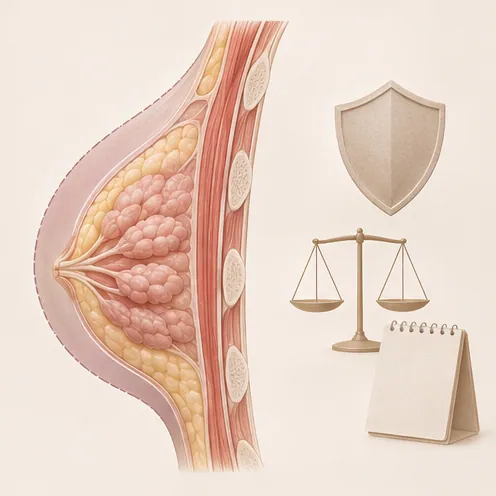
Risks and limitations to discuss during consultation — infection, capsular contracture, asymmetry, changes in sensation, and implant-related complications. This is not a complete list of possible risks. Risks may vary depending on your health, previous treatments, and the technique and extent of surgery. These will be explained in detail during your examination and informed consent process.
Preparing for surgery and
recovery by stage
- 3–4 days after surgery
Swelling is at its worst during this time. Keep the drains in place (usually for 1–3 days) and continue wearing the compression bandage. Sleep with your upper body elevated for 2–3 days.
- Early After Surgery
After the compression bandage is removed, wear a compression bra or band for 4–6 weeks and avoid underwire bras for 2–3 months. For 1 week (2 weeks for an underarm incision or placement under the muscle), avoid raising your arms, lifting heavy objects, and driving. Stitches are removed after 7–14 days.
- Several Months
The initial position and shape will continue to change over several months. Do not sleep on your stomach for 4 weeks, and wait 6–8 weeks before starting chest muscle exercises such as push-ups and swimming. Massage depends on the type of implant, so follow your surgeon’s instructions.
- Up to 1 Year
Scars may remain red for 6 months to 2 years, so continue using scar tape or ointment and protecting them from the sun. Have your implants checked by ultrasound or MRI after 1 year and every 2–3 years thereafter, and keep your implant card.

No smoking · No alcohol
This is essential information provided before surgery. Please avoid alcohol, smoking, saunas, and Korean-style bathhouses for 4 weeks after surgery. Smoking increases the risk of nipple and skin necrosis.
Medications · Supplements
We recommend stopping herbal medicines and supplements such as omega-3 when possible because they may increase bleeding. Please tell us about every medication you take.
Planning
If you plan to become pregnant or breastfeed soon, we adjust the timing. Please also tell us about any planned weight changes.
Medical History · Screening
We review your medications, chronic medical conditions, and breast screening history (ultrasound and mammography). The procedure is performed under general anesthesia, and a separate consent form is required for anesthesia. We will explain the pre-anesthesia evaluation and fasting instructions: no food for 8 hours and no clear water for 2 hours before anesthesia.
Recovery timelines are averages and vary from person to person. Contact us immediately if one breast suddenly swells or becomes severely painful, if your nipple or areola turns dark red or white, or if you experience warmth, pus, or a fever of 38°C (100.4°F) or higher. Even years after surgery, please visit the clinic immediately if one breast suddenly swells or becomes hard.
05 · FOLLOW THE CHANGE
We also document
and monitor changes after treatment.
01
STEP 01
Documenting your condition before treatment
We review previous treatments, your current condition, and the changes you hope to see.
02
STEP 02
Check Early Reactions · Wound Healing
We explain treatment-specific precautions and symptoms that require contacting us.
03
STEP 03
Comparing appearance and function
Along with photos, we assess discomfort and changes in function.
04
STEP 04
Assessing additional care
We explain additional treatment based on your condition rather than recommending the same treatment to everyone.
This is a general overview, not an actual patient case. Specific follow-up schedules vary by treatment method and recovery. If you experience sudden severe pain, persistent bleeding, or signs of possible infection, contact a medical facility immediately rather than waiting for your appointment.
Common questions
during consultations
Are implants or fat transfer right for me?
For low breast volume, we assess suitability for implants and fat transfer separately. The choice depends on your desired volume, the amount of fat available for harvesting, and your skin condition. We compare the options after an examination.
When will my breast shape settle after surgery?
The initial height and shape continue to change over several months. The upper breasts may look high at first, so we do not judge the result by the early appearance alone.
Will my implants definitely need to be replaced someday?
Not all implants need replacement at a set time. However, if capsular contracture, rupture, or changes in shape occur, replacement or removal may need to be discussed. Regular checks are recommended.
When can I fly after surgery?
The American Society of Plastic Surgeons (ASPS) recommends waiting 5–7 days after body surgery, such as liposuction or breast augmentation, and 7–10 days after facial surgery, such as a facelift, eyelid surgery, or nose surgery, before flying. It explains that long-haul flights and surgery can each increase the risk of blood clots. Guidelines from the British Association of Aesthetic Plastic Surgeons (BAAPS) recommend that patients stay in the country for 1–2 weeks after surgery lasting up to 3 hours under general anesthesia, or 2–4 weeks after longer surgery, if their journey is approximately 4 hours or longer. These recommendations are based on expert opinion. During travel, an aisle seat, frequent water intake, moving around on the plane, and compression stockings are recommended. At VITAL Plastic Surgery, the surgeon determines when you can fly after your stitches have been removed and your first follow-up check has been completed.
Source: ASPS 「Cosmetic Surgery Tourism」 · BAAPS Cosmetic Tourism Guidelines(2023)
Returning to your original concern
“I want to know what size suits my body.”
Your desired size may differ from what your body can currently accommodate. We assess that difference before choosing a method.
Three things we check first during your consultation
- The Difference Between Desired and Feasible Size
- Suitability for Implants · Fat Transfer
- Future Examinations and Care
When booking “Please assess what size range my body can accommodate first.”Leave this brief note, and we can start your consultation with that concern.
These are our principles of care. The actual approach is determined after an examination. You do not need to decide the day of your consultation.
BEFORE YOU DECIDE
Before you decide,
frequently asked questions
Questions to review together before deciding.
Based on questionnaire responses from Dr. Hyungwoo Yim · Last updated October 2026 Specific methods and their scope are discussed individually after an examination.
Q
Can I have any breast size I want?
−
A
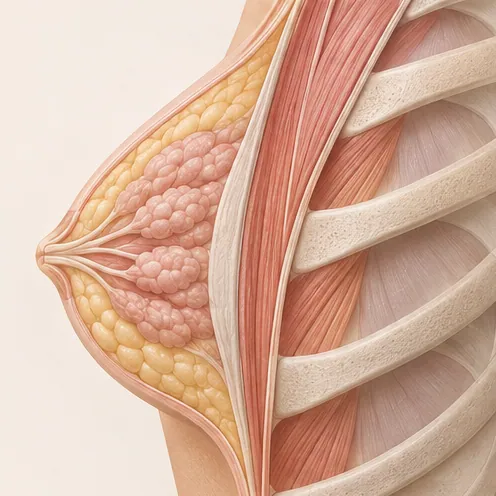
The possible size range depends on available skin, chest dimensions, and tissue thickness. We also consider the limitations of each surgical method and long-term care.
Q
Are the cost, number of treatments, and recovery period fixed?
+
Q
Can a treatment plan be finalized through a photo consultation alone?
+
DOCTOR'S COLUMN DOCTOR'S COLUMN DOCTOR'S COLUMN
Must Read
Care Notes Written by the Doctor · Please Read Before Your First Visit
No.1
No.3
VIEW MORE →
Once you feel fully informed, schedule a consultation.
Breast Augmentation Book a Consultation
You do not need to decide the day of your consultation.