PLASTIC SURGERY
Breast implant removal and revision
Breast Implant Removal
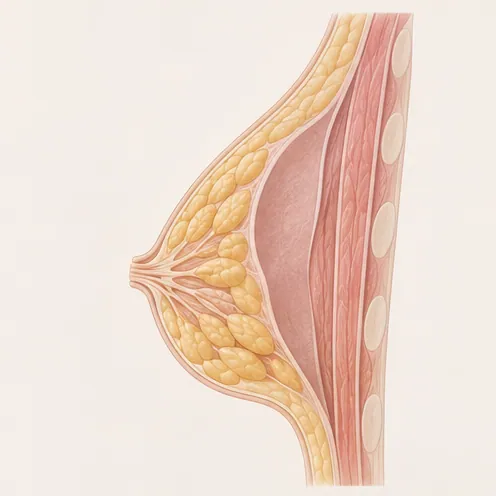
We assess the implants, capsules, and tissue that will remain after removal.
This may vary depending on your condition and the extent of surgery.
SHORT ANSWER
What do we check first for breast implant removal or revision surgery?
We assess the implants, capsules, and tissue that will remain after removal. During consultation, we check the implant type and condition · capsules and surrounding tissue · breast skin and remaining volume.
DOCTOR'S NOTE
Reconstruction begins with
a detailed assessment of your current condition.
“
After carefully assessing the capsules and implants, we consider implant removal, revision surgery, or reconstruction with fat transfer.
Dr. Hyungwoo Yim · Approach to Care
Dr. Hyungwoo Yim, Medical Director · Based on the doctor's own answers. The actual scope of care is determined after an examination.
01 · START WITH YOUR CONCERN
Do any of these concerns
sound familiar?
What brings you in?
1
Chest width · Body proportions
2
Location of sagging
3
Differences between sides
“I'm worried about implant complications.”
“My breasts feel firm or have changed shape.”
“I want to know how my breasts will look after removal.”
We assess the implants, capsules, and tissue that will remain after removal.
We assess body proportions, excess skin, differences between sides, and your current discomfort. We discuss plans for childbirth and breastfeeding, along with any previous breast examinations or surgeries, in advance.
Breast Implant Removal and Revision Surgery,
What does the surgery involve?
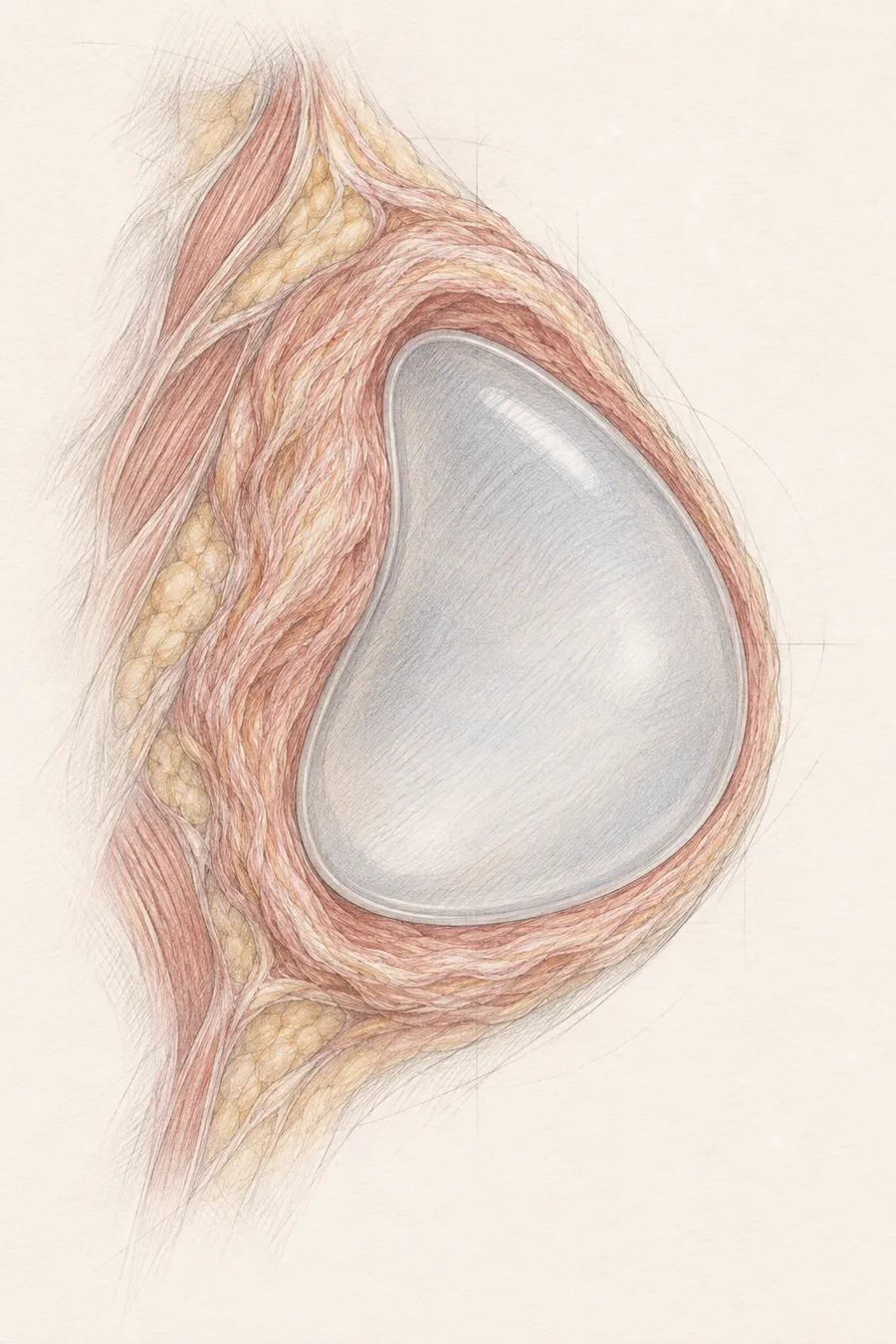
Breast implant removal and revision surgery involve removing or replacing existing implants because of capsular contracture, rupture, changes in shape, or difficulties in daily life. We first assess the implants and capsules, then evaluate the tissue and skin that will remain after removal. Removal alone may be sufficient in some cases. If sagging remains, we consider a breast lift; if volume is insufficient, we consider implant revision surgery or fat transfer. If injected materials are present, the extent of removal will differ.
- Capsule
- A layer of tissue the body forms around an implant. Its condition determines whether it should be removed along with the implant or left in place.
- Contracture
- A condition in which the capsule tightens, causing the breast to become firm or change shape.
- Foreign Material Removal
- Surgery to locate and remove injected materials such as fillers. If the material has spread widely, more extensive removal may be needed.
For breast implant removal and revision surgery,
in Lower Blepharoplasty
we assess the implants and capsules first
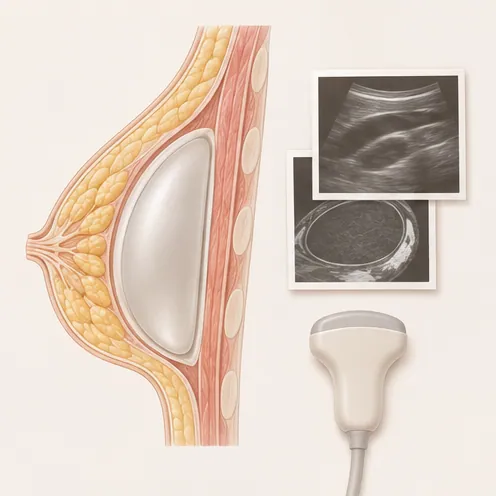
We first check the implant type, whether it has ruptured, the thickness and firmness of the capsule, and the condition of the surrounding tissue. Rupture is difficult to confirm by touch alone, so we consider imaging such as ultrasound when needed. Because the extent of removal and reconstruction method depend on the underlying problem, this assessment is the starting point for planning.
The extent of capsule removal depends on its condition
Not all capsules are treated the same way. If a capsule is thick and firm, or if there is inflammation or implant rupture, we consider removing it along with the implant. A thin capsule without problems may be left in place. If the capsule is attached to the ribs or muscles, the extent of removal and bleeding risk may differ. We explain this before surgery.
We plan for the shape after removal
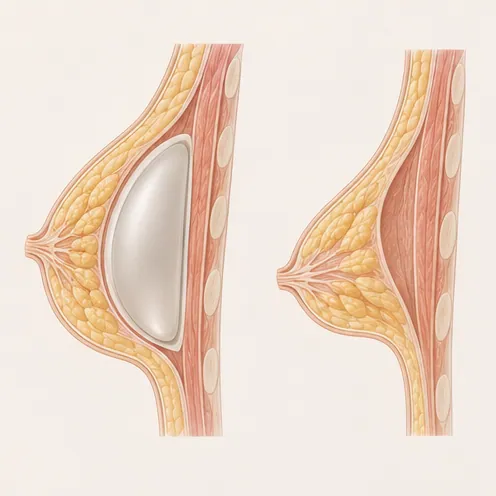
Stretched skin and reduced tissue can leave the breasts looking flat or saggy after removal. We do not tell patients that their breasts will immediately return to their original appearance. We measure nipple position, remaining tissue, and skin laxity to discuss in advance whether a lift, added volume, or observation may be appropriate.
We discuss whether to combine procedures or stage them
Completing everything in one operation may be preferable from the surgeon's perspective, but staging procedures may sometimes be better for the patient's recovery. If there is inflammation or extensive capsule surgery is needed, we plan reconstruction after the tissue has stabilized following removal. This decision is based on current photos, surgical records, and examination findings.
We discuss large-volume fillers separately
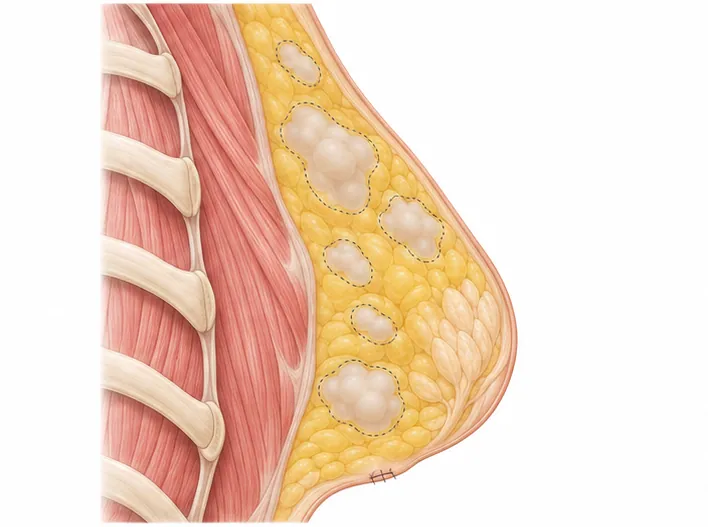
Large amounts of filler injected into the breasts may migrate, cause chronic inflammation and granulomas, or become enclosed in capsules that make them difficult to dissolve. Blood vessels have difficulty growing into the interior of concentrated filler deposits, creating a risk of inflammation and infection. These deposits may also interfere with breast examinations. After assessing their location, we first discuss the extent of removal and scarring.
We plan revision surgery by level of complexity
Breast revision procedures are categorized as simple, complex, or highly complex. Previous incision locations, the extent of capsules and adhesions, and any accompanying lift or volume enhancement determine the scope of surgery. Patients seeking revision surgery account for approximately 30% of all our patients. We first distinguish the underlying causes rather than applying the same revision procedure based on appearance alone.
The Surgical Process Varies
Depending on Your Condition
When Only Implant Removal Is Needed
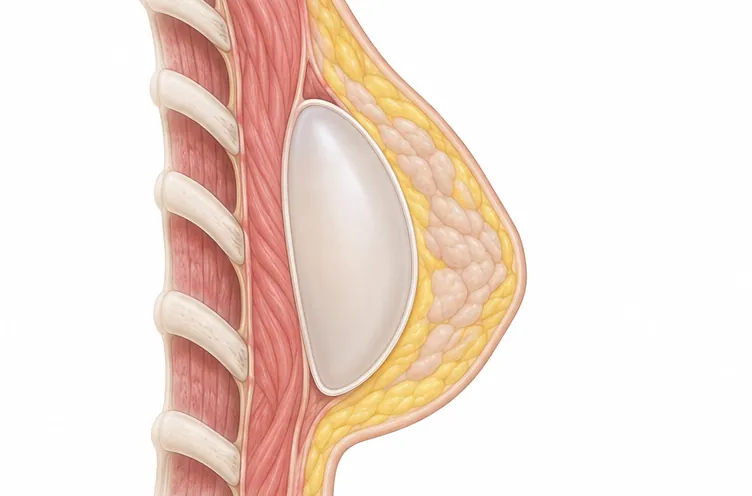 1
We assess the implants and capsules and plan the incision sites
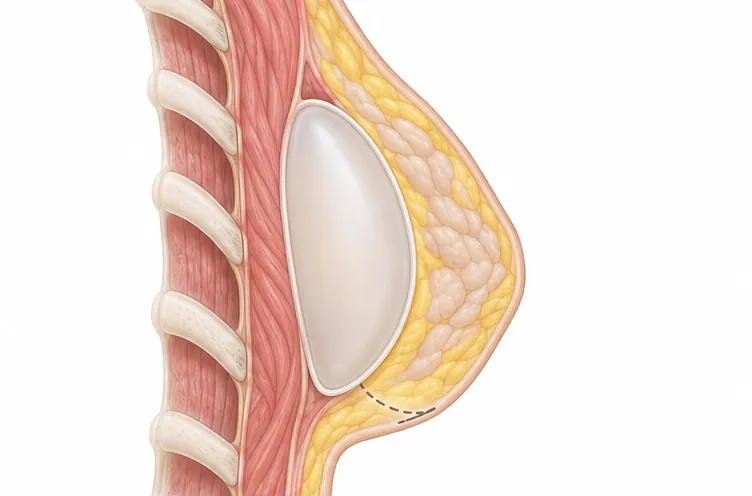 2
We access the implants through previous scars or incisions in the breast folds
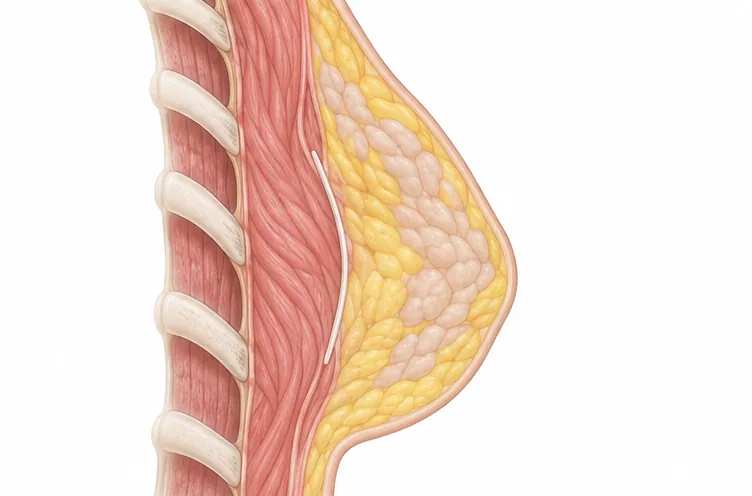 3
We remove the implants and address the capsules as needed
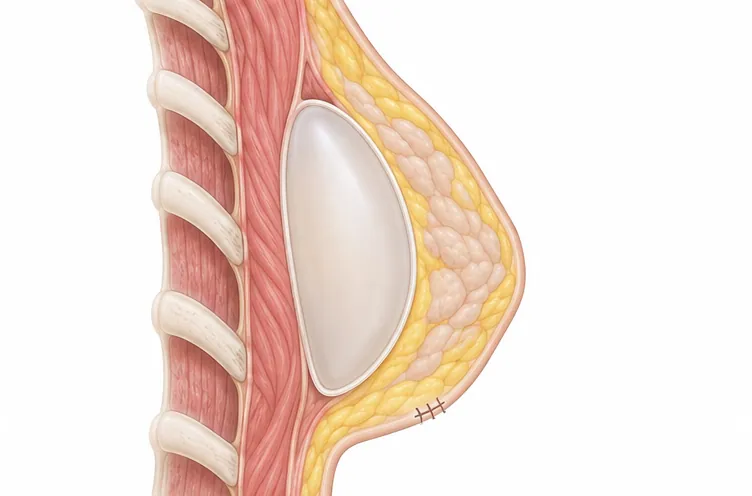 4
We address the remaining space and close the incisions in layers
When a Breast Lift Is Also Needed After Removal
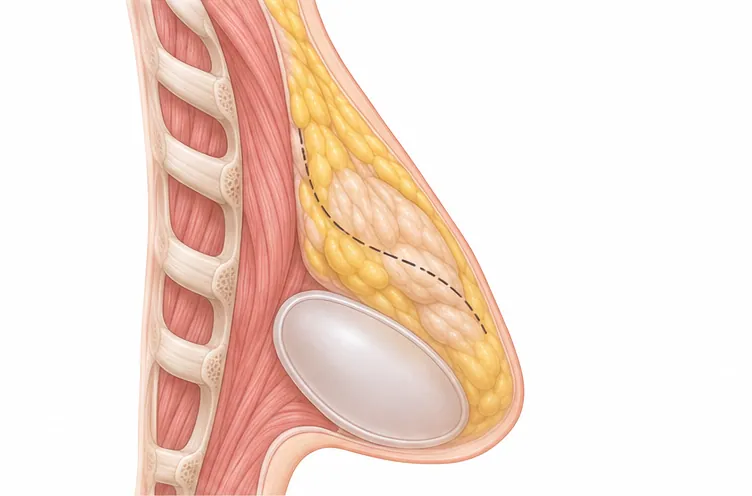 1
We measure nipple position and the skin that will remain to plan the lift incisions
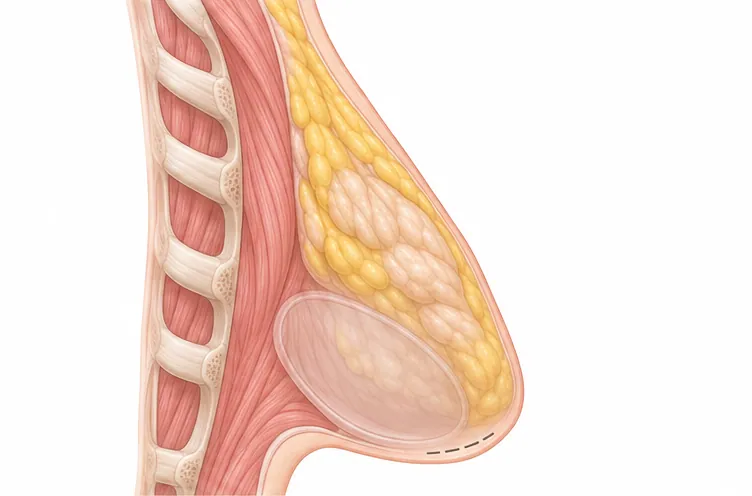 2
We access and remove the implants and capsules through the incisions
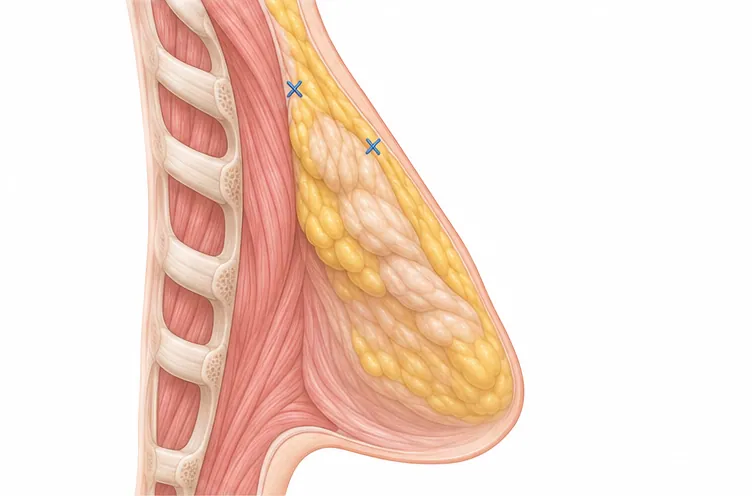 3
We gather, lift, and secure the remaining tissue and adjust the skin
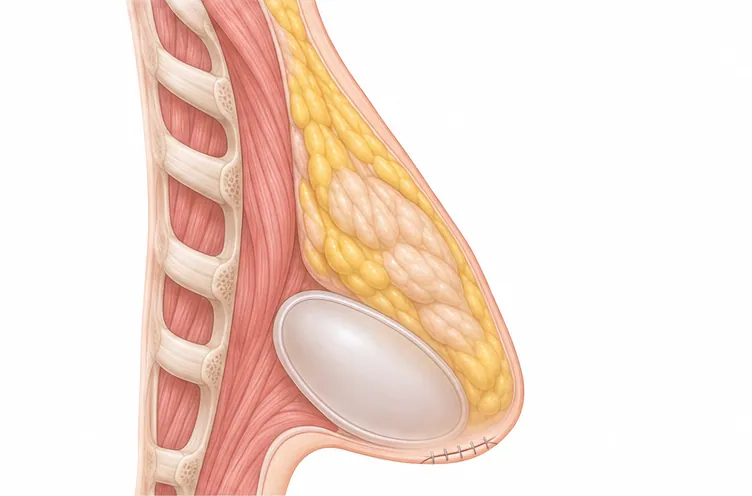 4
We align both sides and close the incisions
When Fillers or Other Foreign Materials Are Also Present
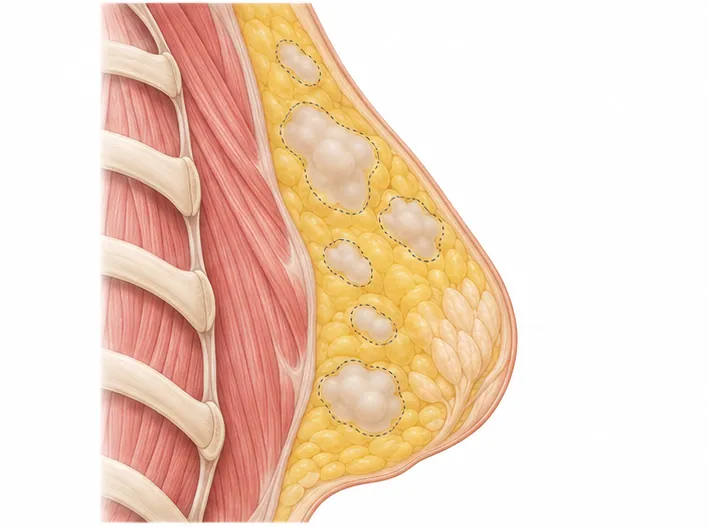 1
We use ultrasound when needed to assess the location and distribution of injected materials
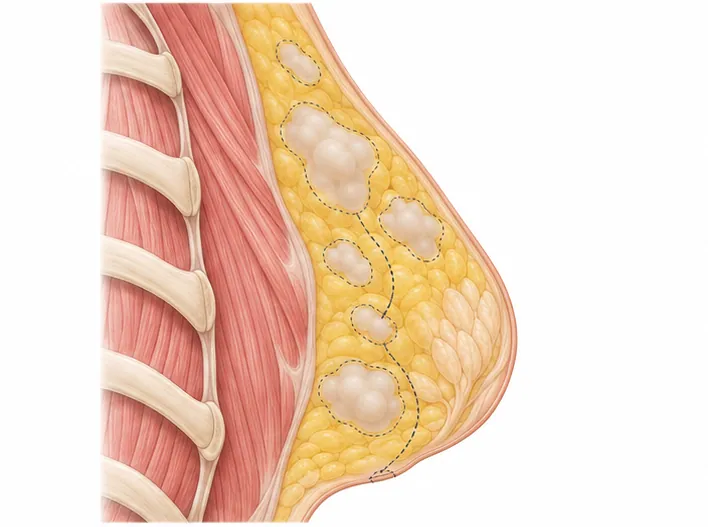 2
We determine the extent of removal and scarring, then plan the incisions
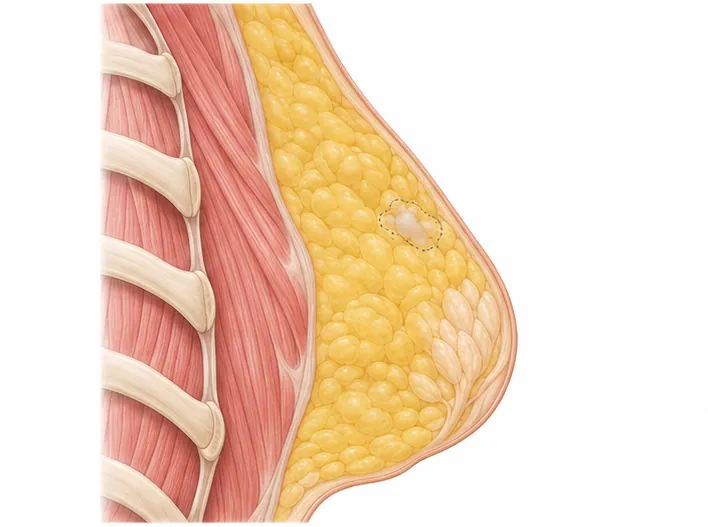 3
After making the incisions, we address the accessible injected materials and surrounding capsules
 4
We check the remaining tissue and close the incisions
Illustration for explanation · Not an actual patient. This is a simplified description of typical steps. The actual technique and extent of surgery are determined after examination.
02 · WHAT WE LOOK AT
Even when concerns look similar,
the factors to assess differ.
Implant Type and Condition
We assess body proportions, excess skin, differences between sides, and your current discomfort.
Capsules and Surrounding Tissue
We discuss plans for childbirth and breastfeeding, along with any previous breast examinations or surgeries, in advance.
Breast Skin and Remaining Volume
We compare your desired shape with the extent of correction possible, considering scarring and effects on function.
03 · DOCTOR'S DECISION
When choosing an approach, Dr. Hyungwoo Yim
looks at three things first.
Review Previous Surgical and Examination Records
Using your medical history and examination findings, we distinguish your current condition from your desired changes. At this stage, we identify the necessary conditions before choosing a treatment.
Compare Removal, Replacement, and Reconstruction Options
When comparing available methods, we explain the expected changes, the burden on the tissues, recovery, and potential remaining problems.
Explain Additional Tests and Treatment Priorities
We give you time to understand the explanation and ask questions. We may not recommend immediate treatment if its burden is greater or if you cannot allow enough time for recovery.
VITAL Plastic Surgery's principle is to recommend necessary treatment at the appropriate time. Having a consultation does not mean you need to decide on a procedure or surgery that day.

When
to consider a consultation
- When your breasts become firm or change shape
- When you are concerned about implant complications or rupture
- When you want your implants removed but are concerned about the resulting shape
- When you experience discomfort after having fillers or other foreign materials injected into your breasts
- When the position of your breasts differs after previous surgery
When
Surgery is not our first recommendation
- When you need a thorough discussion of shape changes after removal
- When an acute infection or hematoma requires emergency evaluation first
- When reconstruction timing needs to be adjusted because you plan to become pregnant or breastfeed soon
- When a lump or change requires a breast examination first
04 · LIMITS & RISKS
Along with possible improvements,
we explain the limitations and risks.
Your desired changes — First, tell us what bothers you most and which aspects of your appearance you want to keep. We do not promise changes identical to photos or someone else's results.
Bleeding
Infection
Scarring
Depression
Sagging
Asymmetry
Previous Treatments
Do not wait if you have these symptoms
If you experience sudden severe pain, bleeding that does not stop, rapidly worsening swelling on one side, or signs of possible infection such as a high fever or pus, contact us immediately rather than waiting for your appointment.
Conditions to address first — We first assess your health, inflammation and stage of recovery, and the range of feasible treatments. If needed, testing, observation, or other medical care may take priority.
Risks and limitations to discuss during consultation — bleeding, infection, scarring, indentation · sagging, asymmetry, and the possibility of additional surgery. This is not a complete list of possible risks. Risks may vary depending on your health, previous treatments, and the method and extent of treatment. These will be explained in detail during the examination and consent process.
Preparing for surgery and
recovery by stage
- 3–4 days after surgery
This is when swelling is at its worst. If you have a drain, leave it in place until it is removed and keep the compression bandage on.
- Early After Surgery
Afterward, wear a compression bra for 4–6 weeks and limit raising your arms for 1–2 weeks. Stitches are removed after 7–14 days (10–14 days for foreign material removal). Keep the area dry until then.
- Several Months
Breast volume and sagging will change over several months after removal. You may begin chest muscle exercises, such as push-ups and swimming, after 6–8 weeks.
- Up to 1 Year
The final shape and whether to have implants reinserted or undergo reconstruction are usually discussed after 6 months (implants may be reinserted immediately or after 6 months). Scars may remain red for 6 months to 2 years, so continue using scar tape and sun protection.

No smoking · No alcohol
This is essential information provided before surgery. Please avoid alcohol, smoking, saunas, and Korean-style bathhouses for 4 weeks after surgery. Smoking increases the risk of nipple and skin necrosis.
Medications · Supplements
We recommend stopping herbal medicines and supplements such as omega-3 when possible because they may increase bleeding. Please tell us about every medication you take.
Planning
If you plan to become pregnant or breastfeed soon, we adjust the timing. Please also tell us about any planned weight changes.
Medical History · Screening
We review your medications, chronic conditions, and breast screening history. MRI and ultrasound are required before foreign material removal (imaging fees are separate). The type of anesthesia is determined after an examination based on the extent of the procedure (general anesthesia may be used). A separate consent form is required for general anesthesia. As a rule, removed tissue is sent for a pathology examination to determine whether it is benign (fee separate; results usually take 1–2 weeks). You may request to have your implants returned after they are cleaned and sealed.
Recovery timelines are averages and vary from person to person. Please contact us immediately if one breast suddenly swells or becomes severely painful; if the nipple or areola turns dark red, blackish, or white; or if you experience warmth, pus, or a fever of 38°C (100.4°F) or higher. Please also come in immediately if the removal site suddenly swells or feels like fluid is moving beneath the skin.
05 · FOLLOW THE CHANGE
We also document
and monitor changes after treatment.
01
STEP 01
Documenting your condition before treatment
We review previous treatments, your current condition, and the changes you hope to see.
02
STEP 02
Check Early Reactions · Wound Healing
We explain treatment-specific precautions and symptoms that require contacting us.
03
STEP 03
Comparing appearance and function
Along with photos, we assess discomfort and changes in function.
04
STEP 04
Assessing additional care
We explain additional treatment based on your condition rather than recommending the same treatment to everyone.
This is a general overview, not an actual patient case. Specific follow-up schedules vary by treatment method and recovery. If you experience sudden severe pain, persistent bleeding, or signs of possible infection, contact a medical facility immediately rather than waiting for your appointment.
Common questions
during consultations
What if I don't have my surgical records?
Photos showing your current condition are the most important, and surgical records are helpful if available. If you do not have records, we assess the implants through an examination and any necessary tests.
How long after removal can reconstruction be considered?
Even when there is no urgent problem, it may be better to wait for the tissue to stabilize before surgery to improve the shape. Timing is determined by your symptoms and tissue condition.
Can fillers be dissolved?
Large-volume fillers may be enclosed in capsules, making them difficult to dissolve, and often require removal through incisions. If the filler has spread widely, complete removal may be difficult. We explain the extent and limitations of removal in advance.
Related Treatments
BEFORE YOU DECIDE
Before you decide,
frequently asked questions
Questions to review together before deciding.
Based on questionnaire responses from Dr. Hyungwoo Yim · Last updated October 2026 Specific methods and their scope are discussed individually after an examination.
Q
Will my breasts return to their original appearance immediately after removal?
−
A
Changes to the skin and tissue may remain. We explain the expected volume and sagging after removal, along with the need for additional correction and its limitations.
Q
Are the cost, number of treatments, and recovery period fixed?
+
Q
Can a treatment plan be finalized through a photo consultation alone?
+
DOCTOR'S COLUMN DOCTOR'S COLUMN DOCTOR'S COLUMN
Must Read
Care Notes Written by the Doctor · Please Read Before Your First Visit
No.1
No.3
VIEW MORE →
Once you feel fully informed, schedule a consultation.
Breast Implant Removal and Revision Surgery Book a Consultation
You do not need to decide the day of your consultation.