PLASTIC SURGERY
Breast reduction
Breast Reduction Surgery
We consider weight and discomfort along with shape and scarring.
This may vary depending on your condition and the extent of surgery.
SHORT ANSWER
What do we assess first for breast reduction?
We consider weight and discomfort along with shape and scarring. During your consultation, we assess breast size and tissue distribution · excess skin and sagging · nipple position and discomfort in daily life.
DOCTOR'S NOTE
Beyond appearance,
surgery to ease everyday discomfort.
“
Overly large breasts can sometimes contribute to cervical disc problems or lower back pain. In these cases, reduction surgery goes beyond appearance to ease difficulties in daily life.
Doctor Interview · 2026.10
Dr. Hyungwoo Yim, Medical Director · Based on the doctor's own answers. The actual scope of care is determined after an examination.
01 · START WITH YOUR CONCERN
Do any of these concerns
sound familiar?
What brings you in?
1
Chest width · Body proportions
2
Location of sagging
3
Differences between sides
“The weight of my breasts feels burdensome.”
“I want my breasts to be in proportion with my body.”
“I also want to correct sagging.”
We consider weight and discomfort along with shape and scarring.
We assess body proportions, excess skin, differences between sides, and your current discomfort. We discuss plans for childbirth and breastfeeding, along with any previous breast examinations or surgeries, in advance.
Breast reduction,
What does the surgery involve?
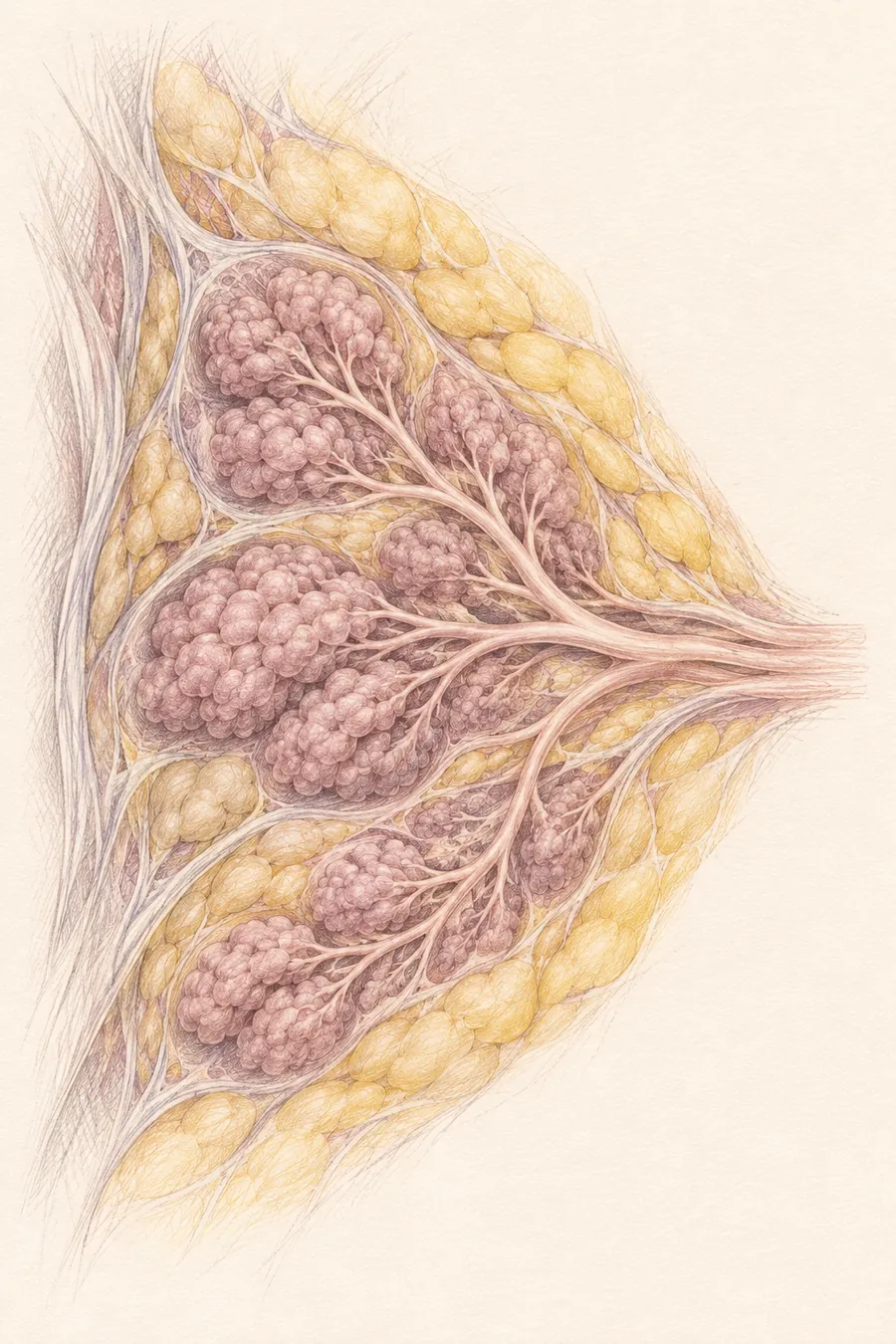
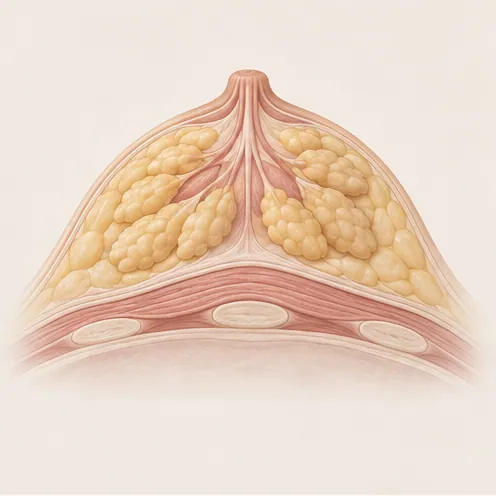
Breast reduction reduces breast size and weight while raising nipples that have descended and removing excess skin. Overly large breasts can sometimes contribute to cervical and lumbar disc problems, so the procedure may address functional concerns as well as appearance. We determine the amount to remove and the surgical method by considering the distribution of glandular tissue and fat, the distance to the nipple, the extent of scarring, and breastfeeding plans.
- Nipple Pedicle
- This is the tissue left intact that contains the blood vessels and nerves supplying the nipple. The nipple is moved along with this tissue.
- Ratio of Glandular Tissue to Fat
- These are the two types of tissue that make up the breast. The reduction method varies depending on which is more abundant.
- Amount Removed From Each Breast
- When the breasts differ in size, different amounts are removed from each side to help achieve symmetry.
For breast reduction,
in Lower Blepharoplasty
we first listen to what is causing your discomfort
We first ask about strain on your neck, shoulders, and lower back; bra strap grooves; skin irritation beneath the breasts; and limitations on exercise and clothing choices. Breast weight can sometimes contribute to cervical and lumbar disc problems. In those cases, we view surgery as a way to ease everyday discomfort. The target amount to remove depends on which concerns affect you most.
The amount removed is guided by body proportions
We do not determine the amount based on your desired size alone. We also consider chest width, torso thickness, shoulder contours, and skin elasticity. Removing too much may create a result that does not suit your body or may compromise blood flow to the nipple. We set a target that eases discomfort while preserving an amount of tissue that can safely remain.
The nipple is moved while preserving blood flow and sensation
With large breasts, the nipples often sit lower and need to be raised during reduction. The key is to preserve a pedicle of tissue supplying the nipple to maintain blood flow and sensation. Even so, sensation may change depending on the technique, and nipple blood flow problems can occur in rare cases. We explain these risks before surgery.
Scars may be longer than with a breast lift
Depending on the amount removed and the degree of sagging, scars may extend around the areola, vertically downward, and along the breast crease. Larger reductions tend to require longer incisions because more excess skin remains. Scars are initially red and firm and continue changing over several months or longer. Areas under greater wound tension require closer monitoring. Limiting the incision when a large reduction is needed can create an unnatural shape, so we consider the balance between these factors.
Please tell us in advance if you plan to breastfeed
Breast surgery can affect sensation and breastfeeding depending on the technique. This is especially important with reduction because some glandular tissue is removed. Pregnancy and breastfeeding can also change breast shape again, so we adjust the timing of surgery if these plans are near. It is best to understand the plan for preserving function and its limitations before deciding.
We consider liposuction when there is more fatty tissue
If the breasts consist mainly of fat and skin elasticity is good, liposuction may provide some benefit. However, liposuction alone is insufficient when there is more glandular tissue or the nipples sit significantly lower. If there is also surrounding fat, such as along the sides of the breasts or in areas of accessory breast tissue, we discuss whether to add liposuction. If your weight is changing significantly, we assess you after it stabilizes.
A Word from the Doctor
Dr. Hyungwoo Yim’s own words from his blog and interviews.
01We Look at Pain First
“As a doctor concerned with the functional problems caused by a medical condition, I focus less on aesthetics and more on the neck, shoulder, and back paincaused by large breasts.”
Large breasts can be an aesthetic concern, but they can also cause musculoskeletal changes that affect physical function. Correction is therefore advisable when possible.
02Proportion Over Size
“Making the breasts as small as possible is not advisable.”
People with large breasts often want them to be as small as possible because of the difficulties they have experienced. However, measuring the shoulders and hips and choosing a breast size proportionate to the body is better for both appearance and function.
Dr. Hyungwoo Yim, Medical Director
The Surgical Process Varies
Depending on Your Condition
When breasts are heavy and sagging
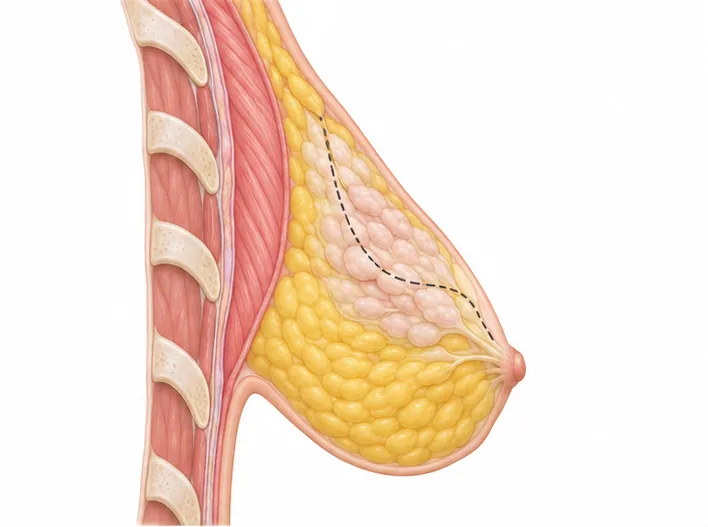 1
We mark the new nipple position and the area to be reduced
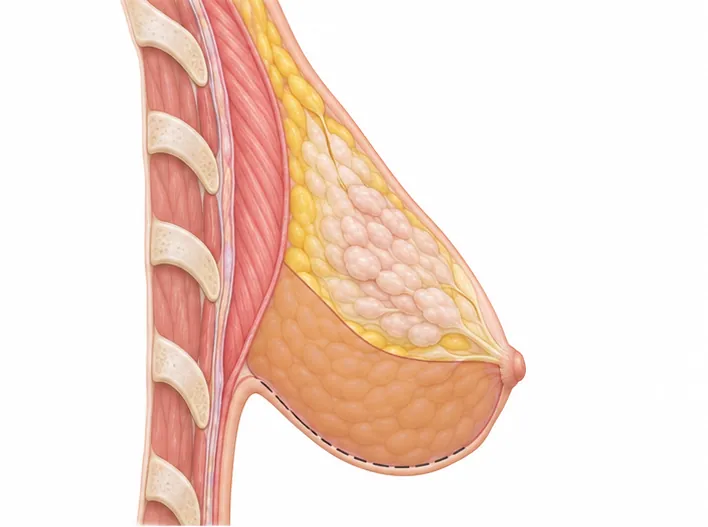 2
Incisions are made around the areola, vertically downward, and along the breast crease if needed
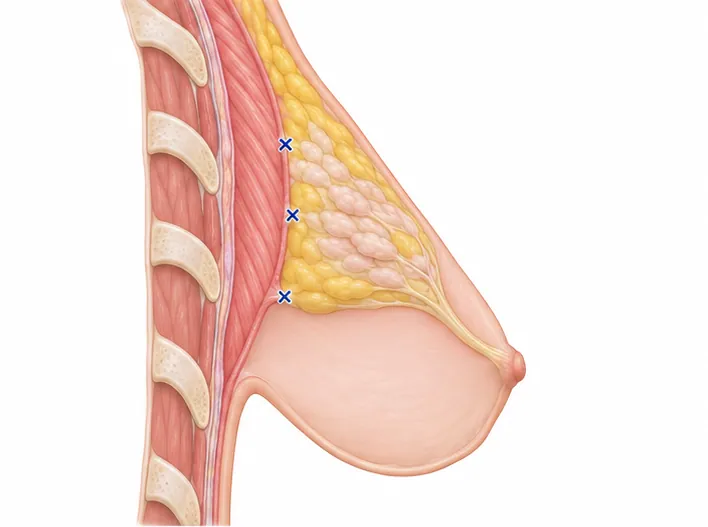 3
We preserve the nipple pedicle, reduce glandular tissue, fat, and skin, then lift and secure the breast tissue
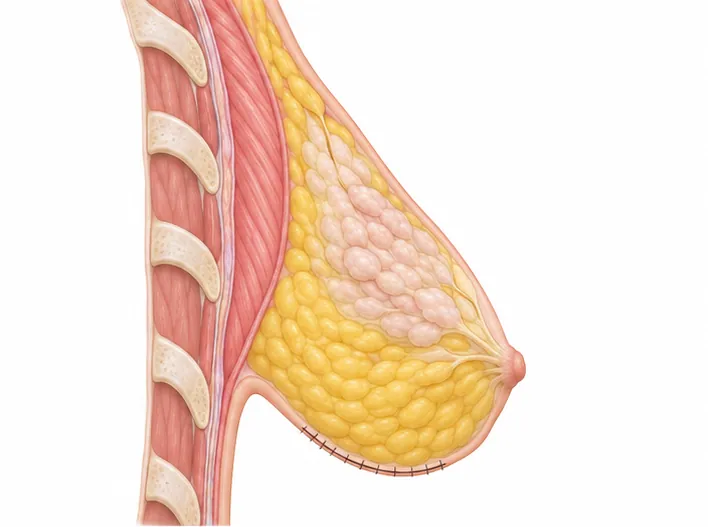 4
We align both sides and close the incisions
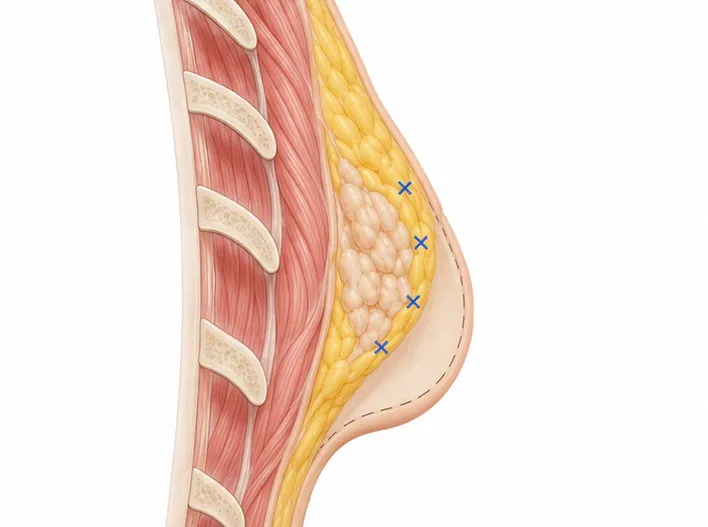
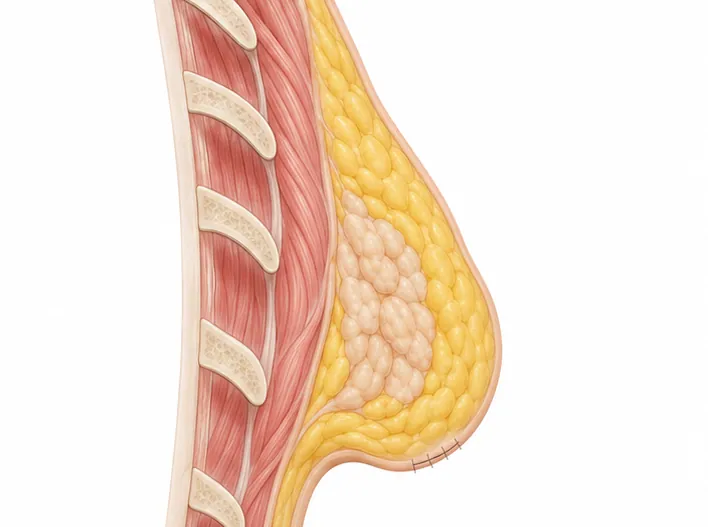
When breast sizes differ significantly
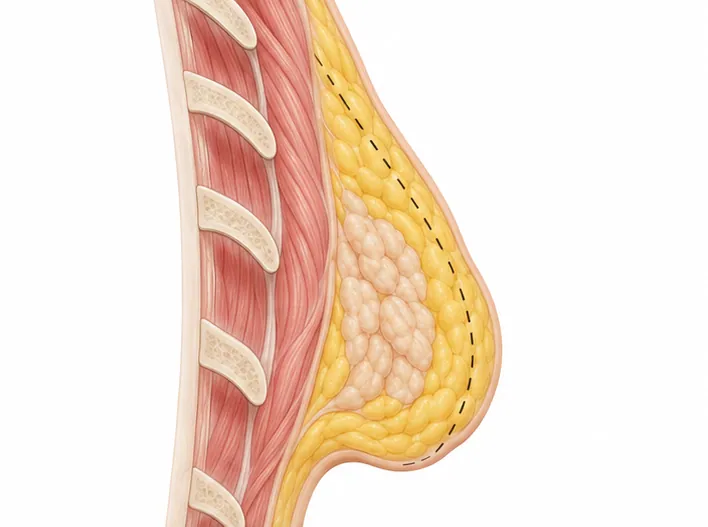 1
We measure differences in size and position and mark the surgical plan
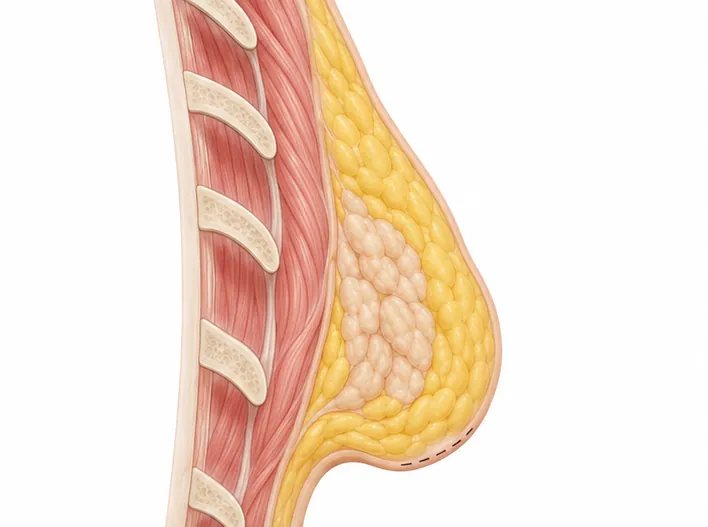 2
We access the tissue through the planned incisions and assess its distribution
 3
We remove different amounts, taking more from the larger breast, and secure the tissue
 4
We align the height and close the incisions
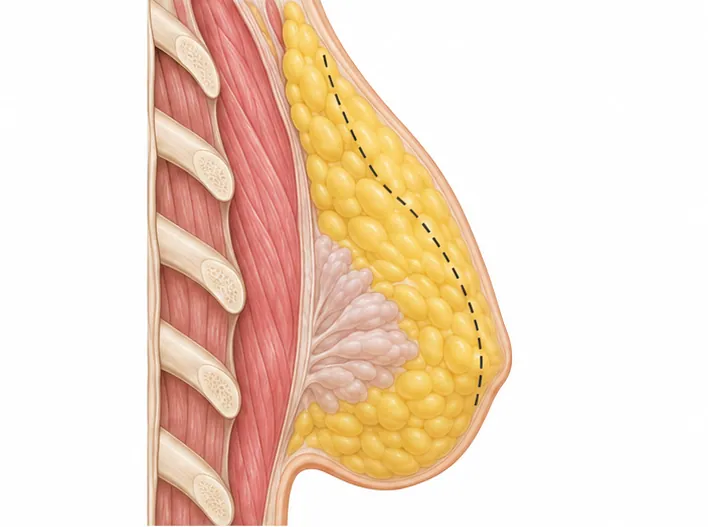
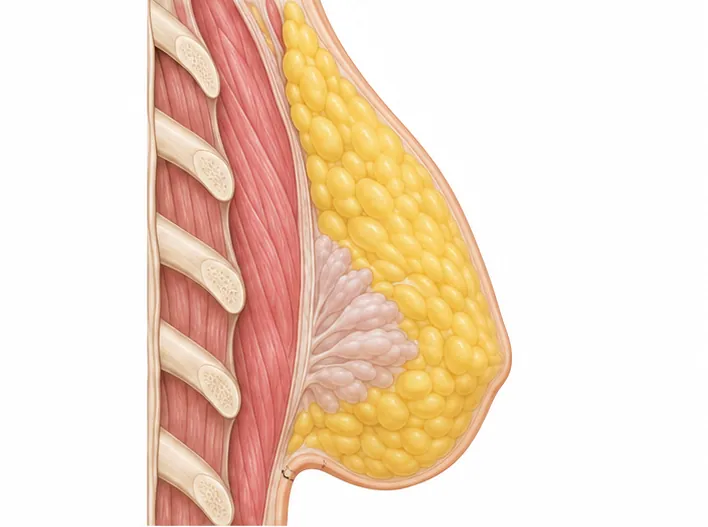
When breasts contain more fat and have minimal sagging
 1
We assess the ratio of glandular tissue to fat and skin elasticity
 2
We access the fat layer through small incisions
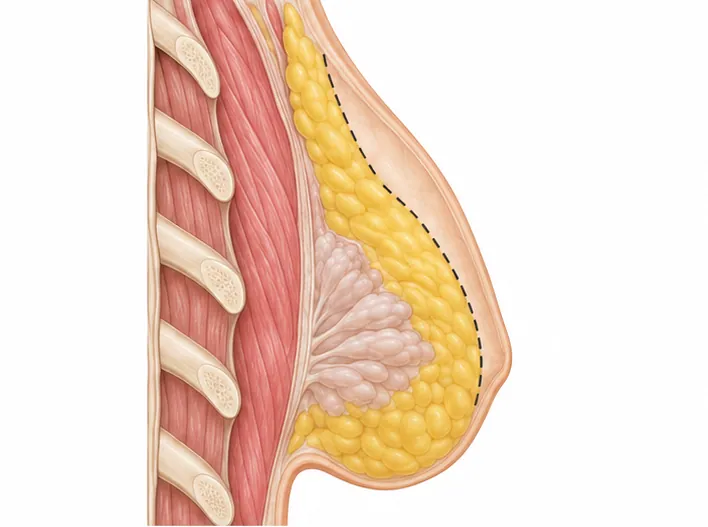 3
We remove fat with liposuction and contour the surrounding fat if needed
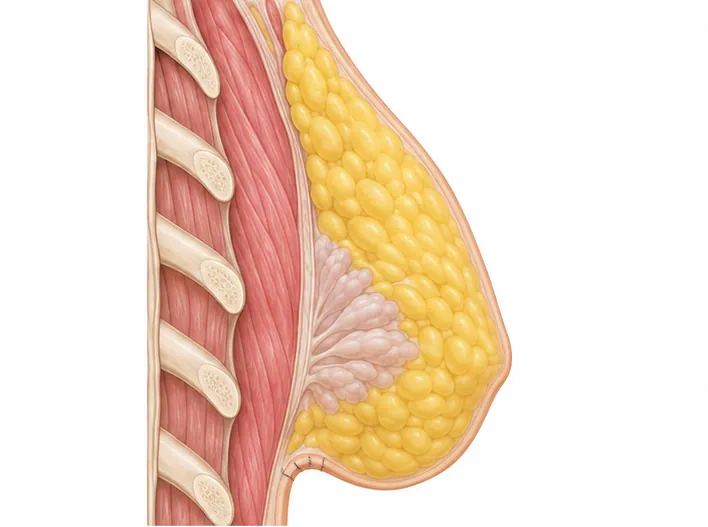 4
We close the incisions
Illustration for explanation · Not an actual patient. This is a simplified description of typical steps. The actual technique and extent of surgery are determined after examination.
02 · WHAT WE LOOK AT
Even when concerns look similar,
the factors to assess differ.
Breast Size and Tissue Distribution
We assess body proportions, excess skin, differences between sides, and your current discomfort.
Excess Skin and Sagging
We discuss plans for childbirth and breastfeeding, along with any previous breast examinations or surgeries, in advance.
Nipple Position and Everyday Discomfort
We compare your desired shape with the extent of correction possible, considering scarring and effects on function.
03 · DOCTOR'S DECISION
When choosing an approach, Dr. Hyungwoo Yim
looks at three things first.
Discussing Reduction Goals and Body Proportions
Using your medical history and examination findings, we distinguish your current condition from your desired changes. At this stage, we identify the necessary conditions before choosing a treatment.
Explaining Incision Extent and Scar Locations
When comparing available methods, we explain the expected changes, the burden on the tissues, recovery, and potential remaining problems.
Assessing Function, Including Sensation and Breastfeeding Plans
We give you time to understand the explanation and ask questions. We may not recommend immediate treatment if its burden is greater or if you cannot allow enough time for recovery.
VITAL Plastic Surgery's principle is to recommend necessary treatment at the appropriate time. Having a consultation does not mean you need to decide on a procedure or surgery that day.

When
to consider a consultation
- When breast weight causes neck and lower back discomfort
- When bra straps leave grooves or the skin beneath the breasts frequently becomes irritated
- When breast size and weight are excessive for your body proportions
- When you also want to correct sagging
- When a significant difference in breast size concerns you
When
Surgery is not our first recommendation
- When you plan to become pregnant or breastfeed soon
- When your weight is changing substantially
- When a lump or change requires a breast examination first
- When smoking or diabetes requires assessment of wound healing first
04 · LIMITS & RISKS
Along with possible improvements,
we explain the limitations and risks.
Your desired changes — First, tell us what bothers you most and which aspects of your appearance you want to keep. We do not promise changes identical to photos or someone else's results.
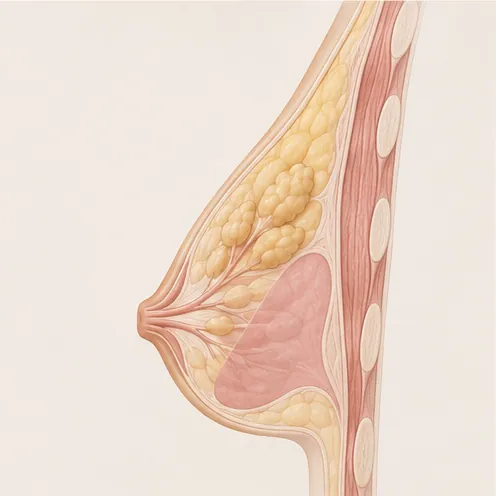
Scarring
Changes in Sensation
Effects on breastfeeding
Asymmetry
Previous Treatments
Do not wait if you have these symptoms
If you experience sudden severe pain, bleeding that does not stop, rapidly worsening swelling on one side, or signs of possible infection such as a high fever or pus, contact us immediately rather than waiting for your appointment.
Conditions to address first — We first assess your health, inflammation and stage of recovery, and the range of feasible treatments. If needed, testing, observation, or other medical care may take priority.
Risks and limitations to discuss during consultation — scarring, changes in sensation, effects on breastfeeding, asymmetry, and wound healing problems. This is not a complete list of possible risks. Risks may vary depending on your health, previous treatments, and the technique and extent of surgery. These will be explained in detail during your examination and the informed consent process.
Preparing for surgery and
recovery by stage
- 3–4 days after surgery
This is when swelling is at its worst. Keep the drains and compression bandage in place, and sleep with your upper body elevated for 2–3 days.
- Early After Surgery
After the compression bandage is removed, wear a compression bra for 4–6 weeks and avoid underwire bras for 2–3 months. For 1 week, avoid raising your arms, lifting heavy objects, and driving. Stitches are removed after 7–14 days.
- Several Months
Breast swelling, bruising, and tightness improve over several weeks, while breast height and shape change over several months. Do not sleep on your stomach for 4 weeks, and do not massage your breasts.
- Up to 1 Year
Scars may remain red for 6 months to 2 years, and wrinkles around the areola may persist for several months. After your stitches are removed, continue using scar tape and protecting the area from UV exposure. Reduced nipple and areola sensation usually improves within 6–12 months.

No smoking · No alcohol
This is essential information provided before surgery. Please avoid alcohol, smoking, saunas, and Korean-style bathhouses for 4 weeks after surgery. Smoking increases the risk of nipple and skin necrosis.
Medications · Supplements
We recommend stopping herbal medicines and supplements such as omega-3 when possible because they may increase bleeding. Please tell us about every medication you take.
Planning
If you plan to become pregnant or breastfeed soon, we adjust the timing. Please also tell us about any planned weight changes.
Medical History · Screening
We review your medications, chronic conditions, and breast screening history. The procedure is performed under general anesthesia, which requires separate consent. We provide instructions on the pre-anesthesia evaluation and fasting: no food for 8 hours and no clear water for 2 hours before anesthesia. As a general rule, removed tissue is sent for pathological examination to check whether it is benign (additional cost; results are usually available in 1–2 weeks).
Recovery timelines are averages and vary from person to person. Please contact us immediately if one breast suddenly swells or becomes severely painful, if the nipple or areola turns dark red or white, or if you have warmth, pus, or a fever of 38°C (100.4°F) or higher.
05 · FOLLOW THE CHANGE
We also document
and monitor changes after treatment.
01
STEP 01
Documenting your condition before treatment
We review previous treatments, your current condition, and the changes you hope to see.
02
STEP 02
Check Early Reactions · Wound Healing
We explain treatment-specific precautions and symptoms that require contacting us.
03
STEP 03
Comparing appearance and function
Along with photos, we assess discomfort and changes in function.
04
STEP 04
Assessing additional care
We explain additional treatment based on your condition rather than recommending the same treatment to everyone.
This is a general overview, not an actual patient case. Specific follow-up schedules vary by treatment method and recovery. If you experience sudden severe pain, persistent bleeding, or signs of possible infection, contact a medical facility immediately rather than waiting for your appointment.
Common questions
during consultations
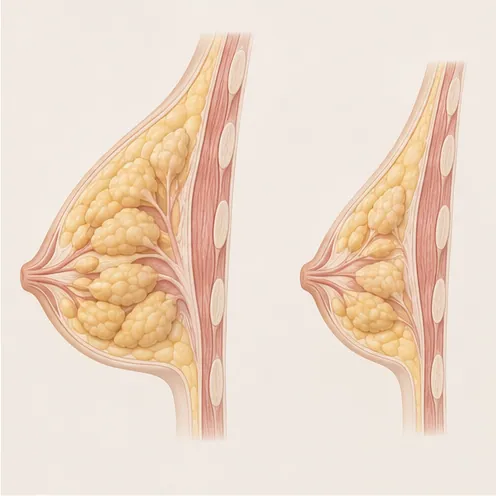
Can my breasts get larger again after reduction?
The remaining tissue can change with weight and hormonal changes, and pregnancy and breastfeeding can also alter breast shape. It is best to be assessed after your weight has stabilized.
Can I still have breast screenings after surgery?
Yes. Tissue changes after surgery may appear on imaging, so please tell the screening provider that you have had surgery. We also review your breast screening history before surgery.
Does surgery for functional concerns also address shape?
Yes. Reducing weight and creating a shape that suits your body are part of the same plan. Please tell us which matters more to you.
Related Treatments
BEFORE YOU DECIDE
Before you decide,
frequently asked questions
Questions to review together before deciding.
Based on questionnaire responses from Dr. Hyungwoo Yim · Last updated October 2026 Specific methods and their scope are discussed individually after an examination.
Q
Can breast reduction be done without scars?
−
A
Incisions and scars may be necessary depending on the extent of correction needed. Before surgery, we explain scar locations, how scars change, and how to care for them.
Q
Are the cost, number of treatments, and recovery period fixed?
+
Q
Can a treatment plan be finalized through a photo consultation alone?
+
DOCTOR'S COLUMN DOCTOR'S COLUMN DOCTOR'S COLUMN
Must Read
Care Notes Written by the Doctor · Please Read Before Your First Visit
No.1
No.3
VIEW MORE →
Once you feel fully informed, schedule a consultation.
Breast Reduction Book a Consultation
You do not need to decide the day of your consultation.