PLASTIC SURGERY
All Procedures / Breast · Body
Breast Balance
Breast Lift · Nipple Reduction · Reconstruction After Implant Removal
Proportion before size, the location of sagging before volume. We also consider changes after pregnancy · breastfeeding and your lifestyle.
This may vary depending on your condition and the extent of surgery.
Surgery to find proportions that suit your body, rather than simply increase size.
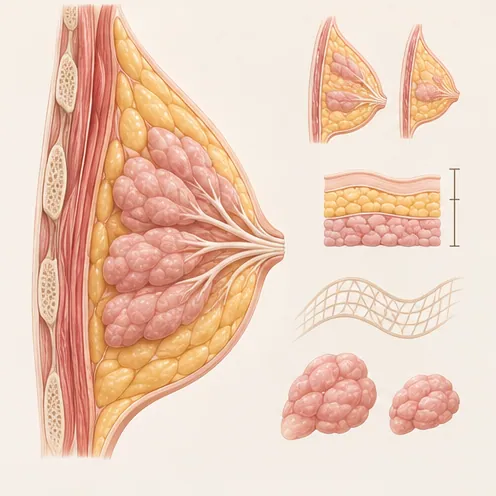
Key Questions Answered
Breast surgery: What do we check first?
We consider chest shape and thickness, skin elasticity, asymmetry, and changes after pregnancy · breastfeeding. We assess the location of sagging and remaining volume separately to determine whether a lift, implants, or fat transfer is needed.
— Location of sagging
— Remaining volume
— Differences between sides
— Breastfeeding plans
YOUR CONCERN
Do any of these concerns
sound familiar?
1
Chest width · Body proportions
2
Location of sagging
3
Differences between sides
“My breasts sagged and lost volume after pregnancy.”
“The size · length of my nipples stands out.”
“I'm worried about implant complications and want them removed.”
Planning breast surgery,
What does the surgery involve?
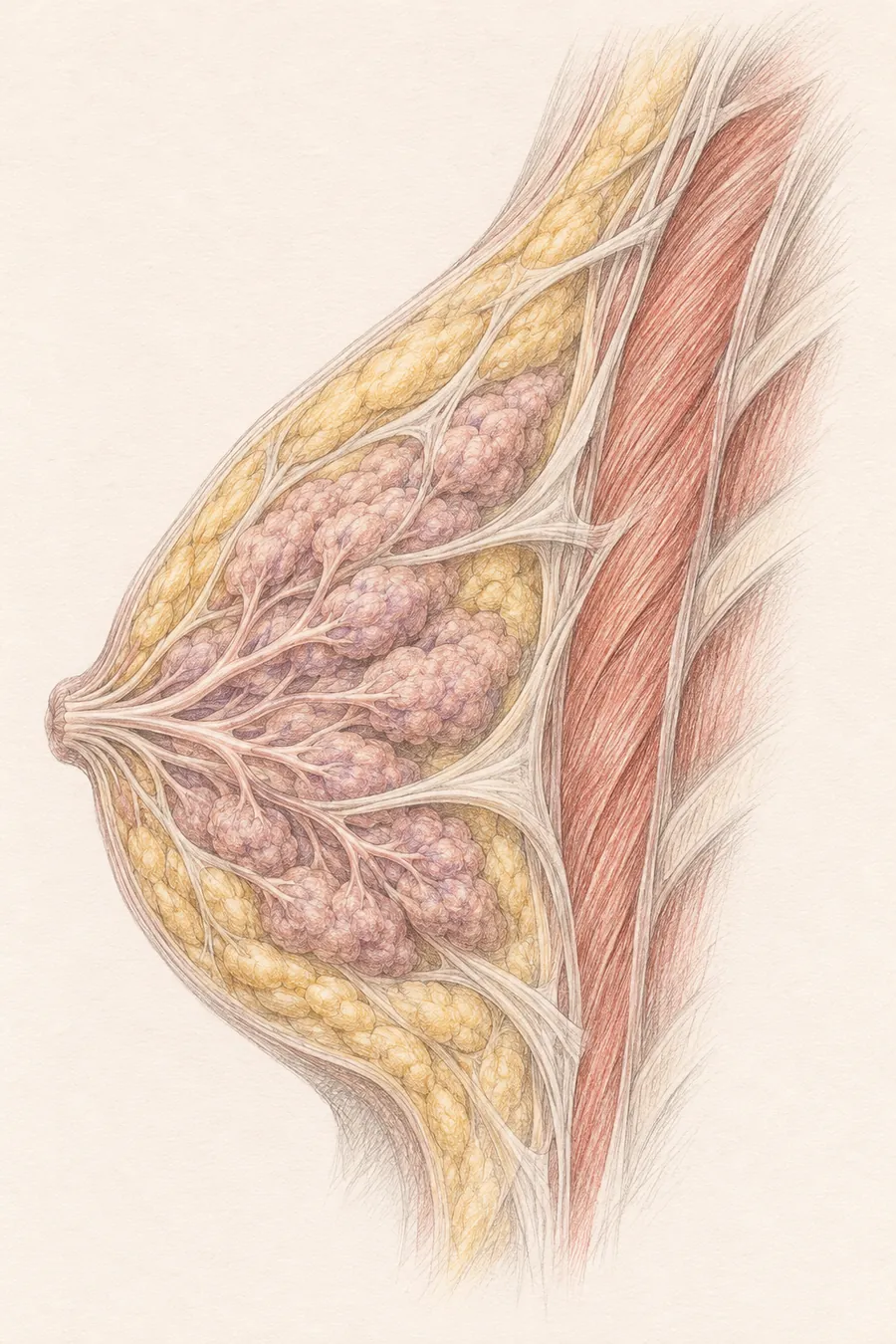
Breast concerns often involve overlapping issues with sagging, size, volume, nipples, and implants, making it difficult to start by choosing a procedure. We first assess nipple position, excess skin, breast size, and desired volume separately. If sagging is the main concern, we consider a lift; if size and weight are excessive, a reduction; and if volume is lacking, implants or fat transfer. We also consider chest shape and plans for pregnancy and breastfeeding to decide what to address first and what to stage.
- Indications
- The conditions that make a procedure appropriate. We assess these before choosing a procedure.
- Excess Skin
- Skin that is excessive relative to breast size. This helps determine the extent of a lift and its scars.
- Staged Surgery
- A plan to perform surgery in stages, assessing recovery between procedures instead of completing everything at once.
When planning breast surgery,
in Lower Blepharoplasty
we assess four things before choosing a procedure
Nipple position, excess skin, breast size, and desired volume guide our decisions. Even with similar sagging, the approach differs depending on how these four factors overlap. We also assess proportions in relation to chest shape, torso thickness, skin elasticity, asymmetry, and changes after pregnancy and breastfeeding. This is why our plans consider more than increasing size.
Sagging and size call for different procedures
We consider a lift when sagging and excess skin are the main concerns, and a reduction when size and weight are excessive. A reduction also raises the breasts, so it overlaps with a lift, but the amount removed and the implications for breastfeeding differ. If breast weight causes neck and lower back discomfort, we consider it a functional issue. We first listen to which concern causes the most discomfort.
For volume, we also assess the material separately
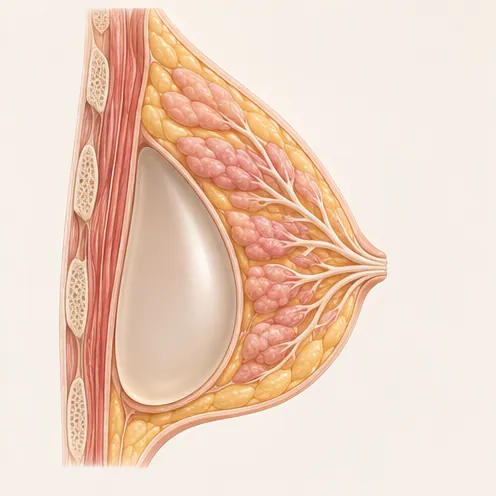
For insufficient volume, we assess whether implants or fat transfer are appropriate separately from a lift or reduction. We compare implants for a larger desired change with fat transfer for modest supplementation using your own tissue. Implants do not resolve sagging, so when sagging is present, we also plan how to address breast position.
Nipple reduction does not correct overall breast sagging
Nipple reduction addresses nipple size and shape; it does not resolve sagging of the entire breast. If sagging is the reason the nipples appear low, we also evaluate the need for a lift. Areola reduction and inverted nipple correction can be discussed at the same consultation. Clarifying the specific concern can sometimes reduce the extent of surgery needed.
After implant removal, we assess the remaining tissue
After implant removal, we consider a lift or volume restoration based on the condition of the capsule, remaining tissue, and sagging. Removal alone may be sufficient, or reconstruction may follow. Because the breasts cannot be assumed to return immediately to their original appearance, we estimate their likely shape before removal and decide on the sequence of treatment.
We carefully decide whether to combine procedures
For any combination of procedures, performing them together may be preferable from the surgeon's perspective, but staging them may sometimes be better for the patient's normal recovery. Combining procedures does not simply add their recovery periods together, but it can increase swelling, discomfort, and aftercare demands. We decide based on your health and the total surgical time.
The Surgical Process Varies
Depending on Your Condition
When sagging and nipple concerns overlap
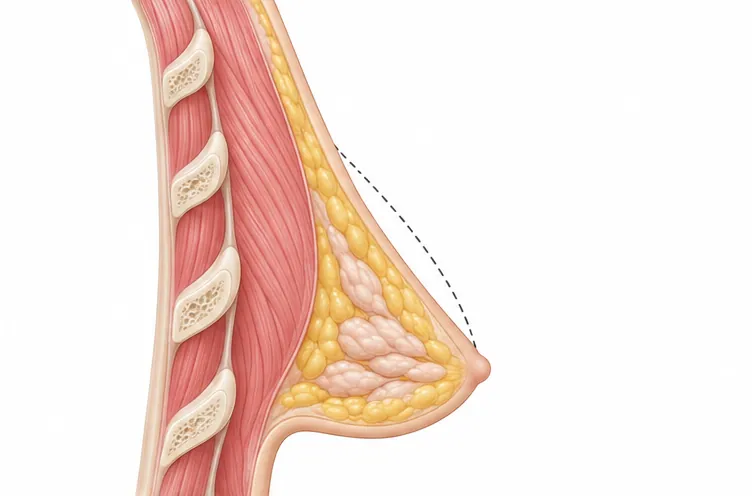 1
We measure nipple position and size and excess skin to plan the procedure
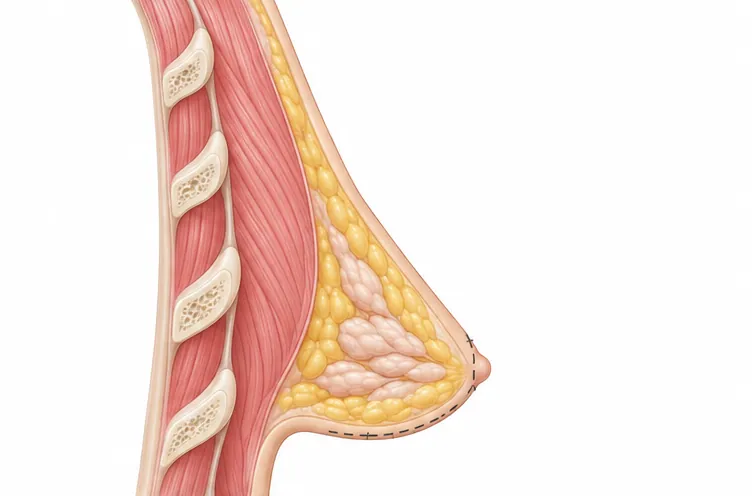 2
We access the tissue through incisions around the areola and any additional incisions needed
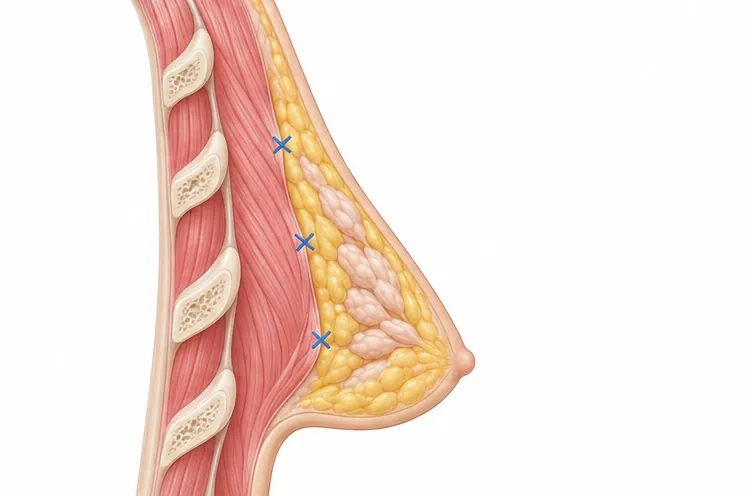 3
We lift and secure the tissue, then reduce nipple size
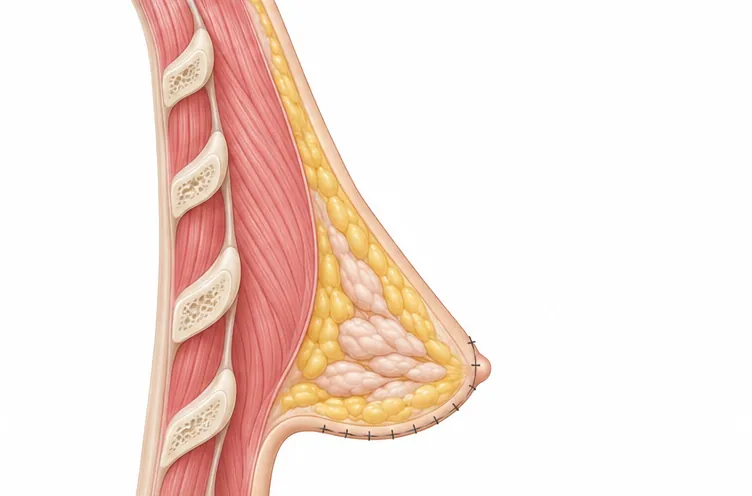 4
We align both sides and close the incisions
When sagging and volume loss occur together
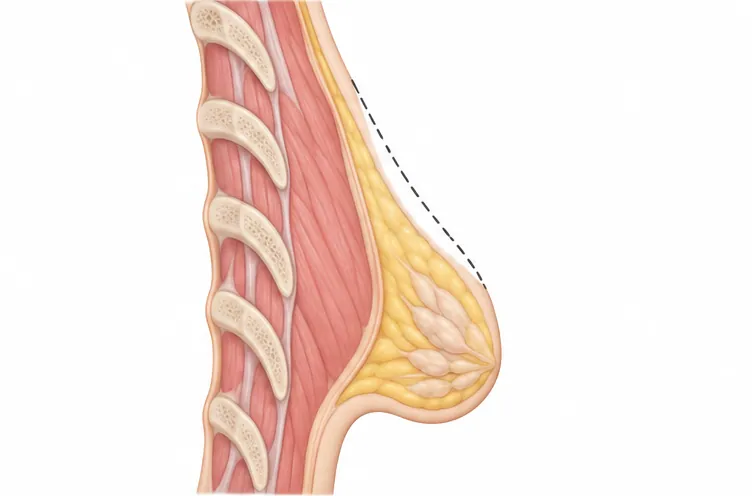 1
We assess sagging and volume separately to decide whether to combine or stage procedures
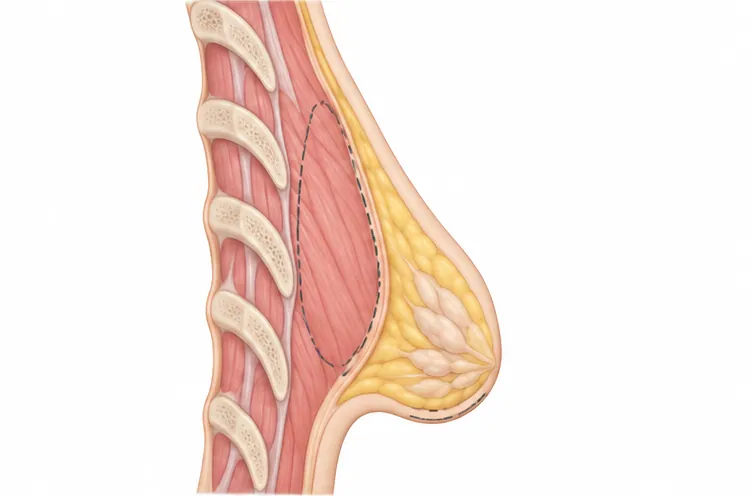 2
After making the incisions, we lift the tissue and prepare the area for volume augmentation
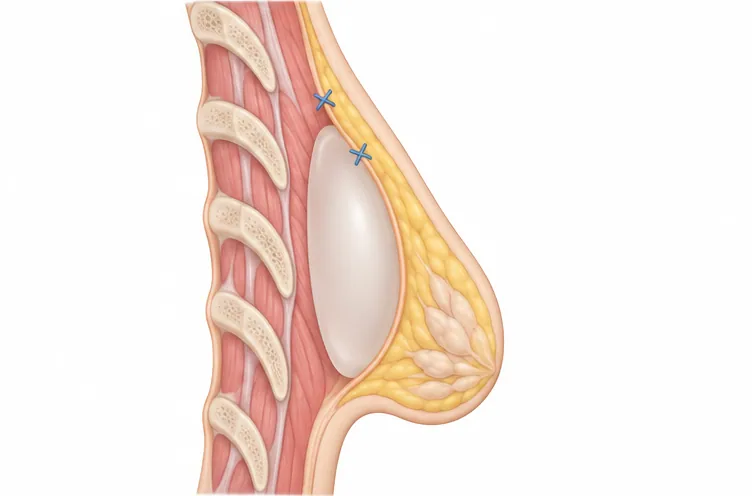 3
We place implants or fat and secure the tissue in position
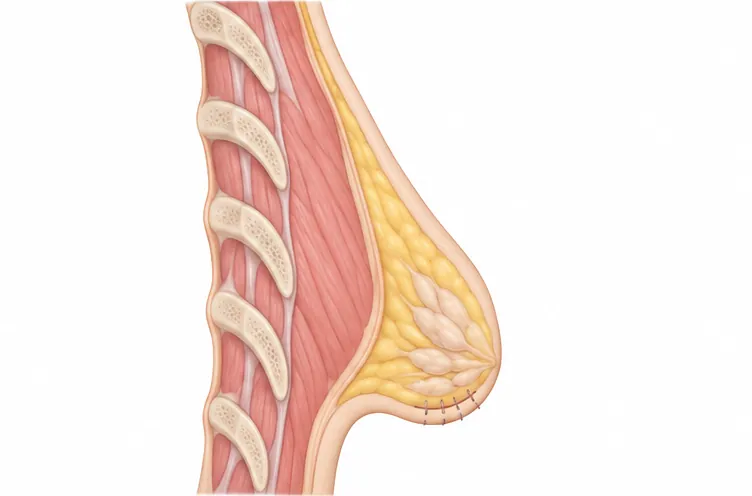 4
We check symmetry and close the incisions
When removing implants and making a new plan
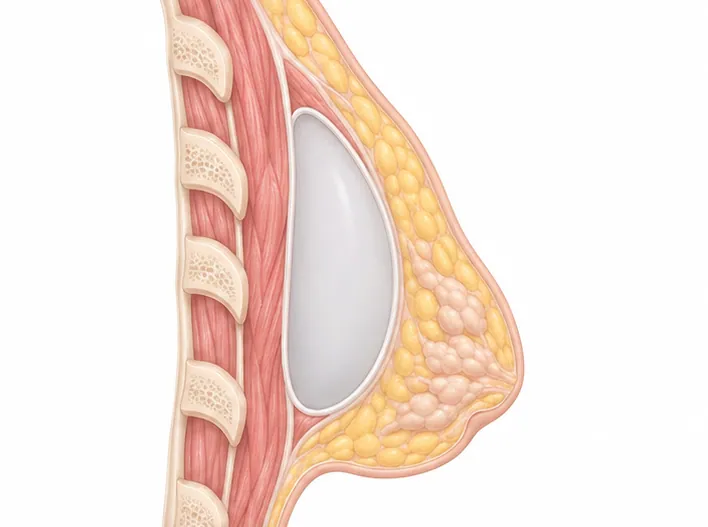 1
We assess the capsule, remaining tissue, and sagging
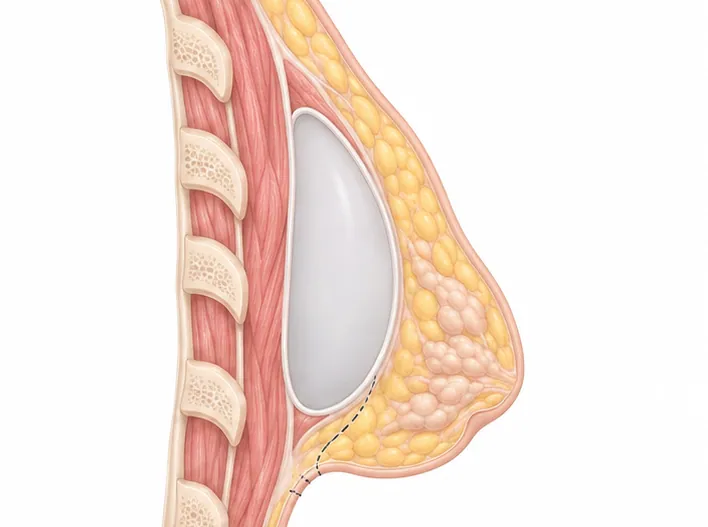 2
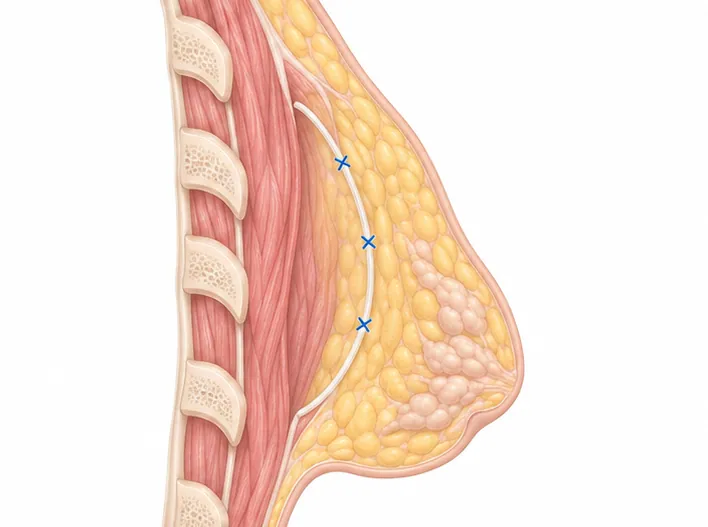
We remove the implants through an incision along a previous scar or the breast crease
 3
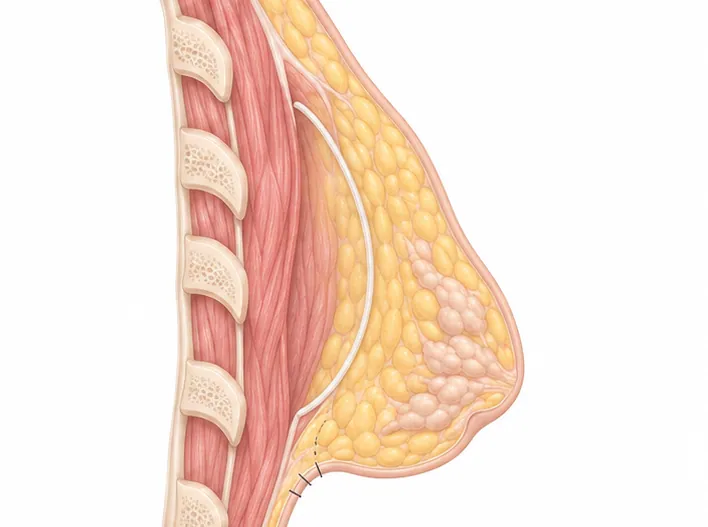
We address the capsule and determine whether to add a lift or volume restoration
 4
We close the incisions in layers
Illustration for explanation · Not an actual patient. This is a simplified description of typical steps. The actual technique and extent of surgery are determined after examination.
DOCTOR’S NOTE
We consider safety and natural proportions, with your lifestyle in mind.
Beyond simply increasing size, we recommend proportions that account for chest shape and thickness, skin elasticity, asymmetry, and changes after pregnancy · breastfeeding. For detailed procedures such as nipple reduction, we explain approaches aimed at minimizing impairment of function, along with scar care.
— Dr. Hyungwoo Yim
MYTH → FACT
“Can fillers add breast volume without surgery?”
Large-volume body fillers carry risks of migration · chronic inflammation · granulomas · infection and may interfere with breast screening, making this one of the procedures of greatest concern to the doctor.
IN HIS WORDS
Sagging and volume are separate issues
“Implants do not resolve sagging. We need to assess volume loss and sagging separately to identify the surgery needed.”
THE DETAIL
Detailed procedures that preserve function
For nipple reduction, considering sensation and breastfeeding function as well as appearance makes a difference in the outcome.
VITAL PROTOCOL
How we assess breast surgery
STEP 01
Assess Body Shape · Sagging · Volume
We assess chest shape, the location of sagging, remaining volume, and differences between sides.
STEP 02
Check the Capsule · Implants
If implants are present, we carefully assess their type and the condition of the capsule.
STEP 03
Choose an approach
We choose among a breast lift · nipple reduction · implant removal · revision surgery · reconstruction with fat transfer.
STEP 04
Scar Care
We explain the plan to minimize scarring along with recovery care.
WHAT WE CHECK
We consider proportion and function before size
Nipple and Breast Position
We assess the degree of sagging.
Excess Skin and Elasticity
We determine whether a lift is needed.
Remaining Volume and Differences Between Sides
We determine how to address them.
Implants and Capsule
We determine the sequence of removal · reconstruction.
Nipple Projection · Diameter · Sensation
We determine the extent of detailed correction.
Pregnancy · Breastfeeding Plans
We incorporate these into the timing and surgical approach.

When
to consider a consultation
- When it is difficult to determine which breast procedure is appropriate
- When both sagging and volume have changed after pregnancy and weight changes
- When considering both nipple size and implant removal
- When differences between sides concern you
- When breast weight causes physical discomfort
When
Surgery is not our first recommendation
- When you plan to become pregnant and breastfeed soon
- When your weight is still changing
- When a breast examination is needed first
- When a medical condition that may contraindicate surgery needs to be assessed first
WHEN WE WAIT
In These Cases
We do not recommend immediate surgery.
When adjusting the timing may be better based on pregnancy · breastfeeding plans
When a breast examination is needed first
When it is difficult to allow enough time for recovery
When a more urgent health issue is identified
Preparing for surgery and
recovery by stage
- 3–4 days after surgery
This is when swelling is at its worst. Keep the drains and compression bandage in place, and sleep with your upper body elevated for 2–3 days.
- Early After Surgery
After a breast lift and implant removal, wear a compression bra for 4–6 weeks and avoid underwire bras for 2–3 months. After nipple surgery, continue using ointment and protective dressings, and avoid clothing that puts pressure on the nipples. Stitches are removed after 7–14 days.
- Several Months
Swelling and tightness improve over several weeks, and the height and shape change over several months. Begin chest muscle exercises after 6–8 weeks, and do not massage the breasts after a lift.
- Up to 1 Year
Scars may remain red for 6 months to 2 years, so continue using scar tape and sun protection. Reduced nipple and areola sensation usually returns within 6–12 months.

No smoking · No alcohol
This is essential information provided before surgery. Please avoid alcohol, smoking, saunas, and Korean-style bathhouses for 4 weeks after surgery. Smoking increases the risk of nipple and skin necrosis.
Medications · Supplements
We recommend stopping herbal medicines and supplements such as omega-3 when possible because they may increase bleeding. Please tell us about every medication you take.
Planning
If you plan to become pregnant or breastfeed soon, we adjust the timing. Please also tell us about any planned weight changes.
Medical History · Screening
We review your medications, chronic conditions, and breast screening history. Breast lift and reduction procedures are performed under general anesthesia; nipple and areola procedures use intravenous sedation and local anesthesia. A separate anesthesia consent form is required for general anesthesia.
Recovery timelines are averages and vary from person to person. Please contact us immediately if one breast suddenly swells or becomes severely painful, if the nipple or areola turns dark red or white, or if you have warmth, pus, or a fever of 38°C (100.4°F) or higher.
LIMITS & RISKS
Along with possible improvements,
we explain the limitations and risks.
Scarring
Asymmetry
Changes in Sensation
Effects on breastfeeding
Recurrent Sagging
Bleeding
Infection
Possible Need for Additional Surgery
Do not wait if you have these symptoms
If you experience sudden severe pain, bleeding that does not stop, rapidly worsening swelling on one side, or signs of possible infection such as a high fever or pus, contact us immediately rather than waiting for your appointment.
This is not a complete list of possible risks. Risks may vary depending on your health, previous treatments, and the technique and extent of surgery. Surgical results vary by individual.
Common questions
during consultations
Can I have breast surgery before having children?
Pregnancy and breastfeeding can change breast shape again, so we adjust the timing if these plans are near. Depending on the technique, nipple and breast surgery may affect sensation and breastfeeding. We first explain the plan to preserve these functions and its limitations.
Can I have breast surgery and surgery on another area on the same day?
We decide after evaluating your health, total surgical time, and recovery demands. Staging procedures may be preferable in some cases because swelling and aftercare demands can increase.
Can I request the method with the least scarring?
Scarring is largely determined by the degree of sagging and the amount to be reduced. Smaller incisions may also limit the extent of correction, so we work with you to balance the desired change and scarring.
Related Treatments
Q & A
Before you decide,
frequently asked questions
Q
Will implants also correct sagging?
−
A
Volume loss and sagging need to be assessed separately. Depending on the degree of sagging, augmentation alone may be insufficient, so we also evaluate whether a lift is needed.
Q
Can nipple reduction affect breastfeeding?
−
A
It may, depending on the technique and extent of correction. If you let us know about future breastfeeding plans in advance, we can discuss the related risks in detail.
Q
Will my breasts return to their original appearance immediately after implant removal?
−
A
Changes to the skin and tissue may remain. We explain the expected volume and sagging after removal, along with the need for additional correction and its limitations.
Q
Are the cost, number of treatments, and recovery period fixed?
−
A
They depend on the examination findings and the scope of treatment. Exact costs and scheduling are discussed during the consultation after your examination.
~ 2 WEEKS
Check wounds · bleeding · infection · early function, and remove stitches (7–14 days)
1 MONTH
Early scar contracture: assess tightness · firmness and begin regenerative care if needed
3 MONTHS
Peak contracture · transition phase: assess remodeling and consider continued injections · laser treatment
6 MONTHS
Compare with initial photos and decide whether additional treatment is needed
1 YEAR
Check tissue maturation · long-term progress
RELATED SURGERY
DOCTOR'S COLUMN DOCTOR'S COLUMN DOCTOR'S COLUMN
Must Read
Care Notes Written by the Doctor · Please Read Before Your First Visit
No.1
No.3
VIEW MORE →
RESERVATION
You do not need to decide the day of your consultation.
Organize questions about this page without entering your name, contact information, or medical history. This does not submit an appointment request.