PLASTIC SURGERY
All Treatments / Surgery
Gynecomastia Surgery
We first distinguish glandular tissue from fat, then assess the cause and extent of surgery together.
This may vary depending on your condition and the extent of surgery.
Glandular Tissue Removal for Gynecomastia,
What does the surgery involve?
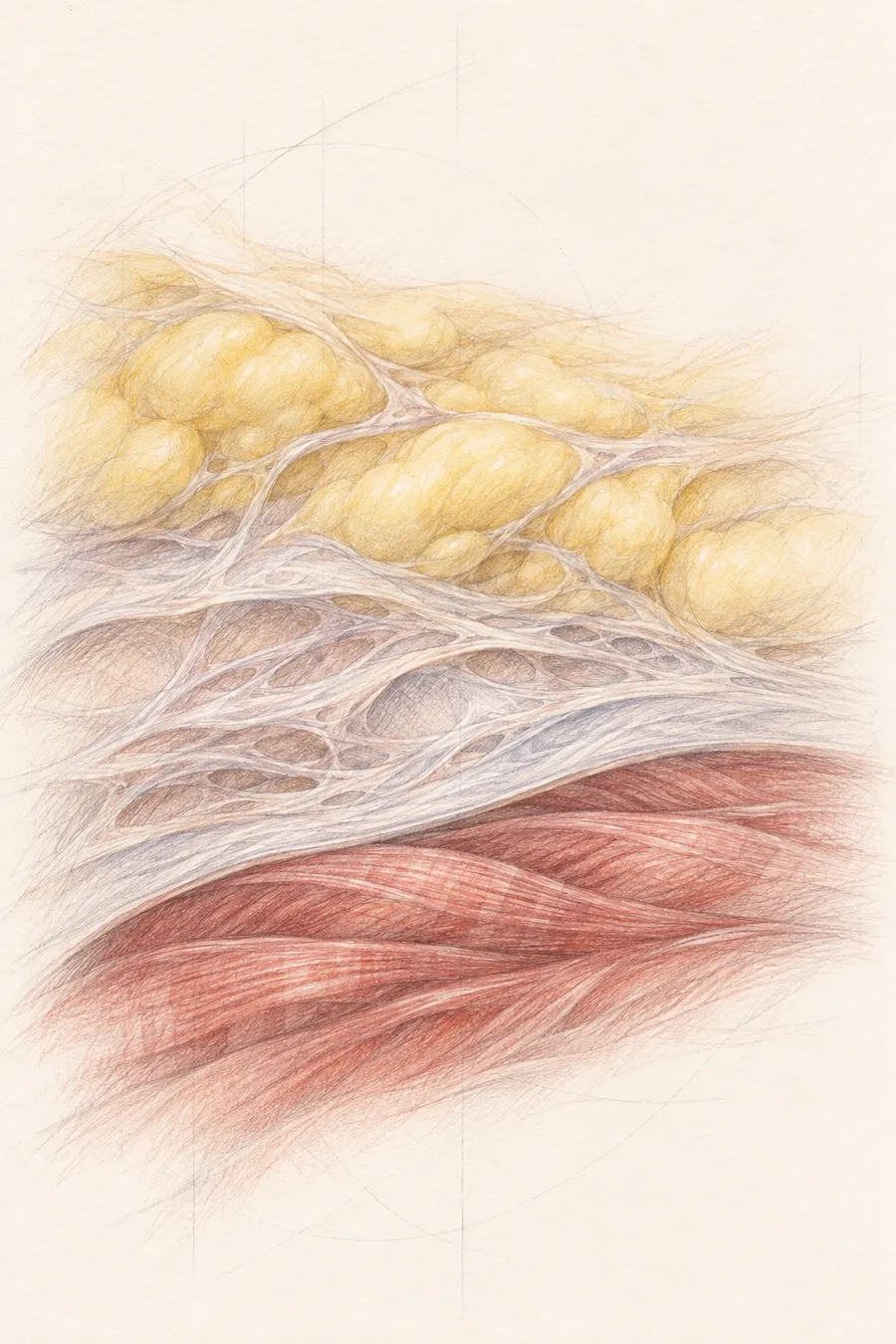
Gynecomastia is a condition in which a man's chest appears enlarged because of breast glandular tissue or fat. Treatment differs depending on whether the enlargement involves glandular tissue, excess fat, or both. When glandular tissue can be felt, liposuction alone may not be enough, so glandular tissue removal is considered. If excess fat is present, liposuction is also considered. It is also important to first check for underlying causes, including medications, hormones, and systemic conditions involving the liver or thyroid.
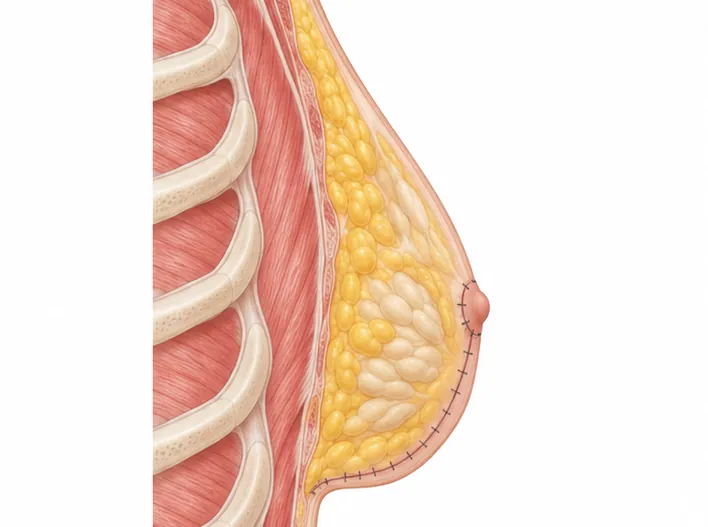
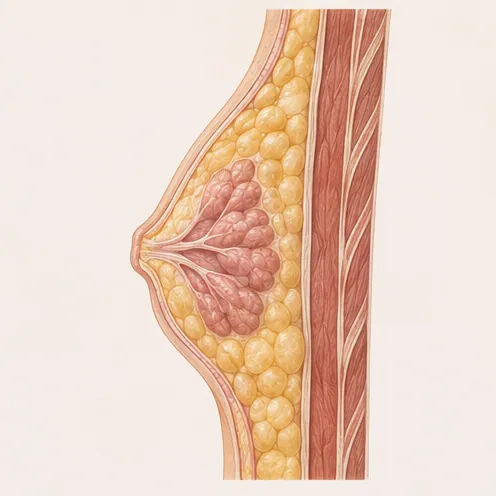
- Breast Glandular Tissue
- This is the firm tissue that makes up the breast. A disc-like area felt beneath the areola may suggest enlarged glandular tissue.
- Pseudogynecomastia
- This is enlargement caused by fat buildup without enlarged glandular tissue. Liposuction is considered first.
- Areolar Depression
- This is a sunken appearance beneath the areola caused by removing too much glandular tissue. Some tissue is left in place to prevent it.
During Glandular Tissue Removal for Gynecomastia
in Lower Blepharoplasty
We distinguish glandular tissue from fat by touch
Although they may look similar, a firm lump beneath the areola is more likely to be glandular tissue, while soft, diffuse fullness is more likely to be fat. Most cases involve both, so we assess their proportions. Imaging, such as ultrasound, may be used for confirmation when needed. The balance between tissue removal and liposuction depends on which tissue is more prominent.
We first check for medication and hormonal causes
Hormonal changes during puberty, certain medications and anabolic steroids, and problems involving the liver, kidneys, thyroid, or testicles may be associated with gynecomastia. If the chest has enlarged suddenly recently, identifying the cause may take priority over surgery. Tell us about all medications and supplements you take so we can assess together whether an internal medicine evaluation is needed.
A firm lump on only one side requires evaluation first
Most cases of gynecomastia affect both sides, with tissue beneath the areola that feels soft. If there is a firm lump on only one side, nipple discharge, or skin dimpling, testing to rule out male breast cancer takes priority, although it is rare. In adolescents going through puberty, the condition often improves on its own, so observation is considered first.
We access the tissue through a small incision along the areolar border
Glandular tissue removal is commonly performed through a semicircular incision along the lower border of the areola. Placing the scar where the skin color changes tends to make it less noticeable, but the scar does not disappear. If excess fat is also present, it is first removed by liposuction through a small opening to create an even contour across the chest.
We leave some tissue beneath the areola to reduce hollowing
Removing too much glandular tissue can cause a hollow beneath the areola or allow the skin to adhere to the chest muscle. Leaving too much tissue, however, can leave residual fullness. It is therefore important to preserve a layer of tissue beneath the areola and create a smooth transition to the surrounding area. The amount of tissue on each side is also compared to help achieve symmetry.
We explain the risks of each procedure beforehand
A hematoma can develop after chest surgery, so sudden enlargement on one side early in recovery requires immediate examination. Other possible issues include changes in sensation, asymmetry, contour irregularities, and glandular tissue that remains or grows back. You will receive instructions to wear a compression garment for a specified period after surgery. Gynecomastia may recur if you continue taking a medication that caused it.
The Surgical Process Varies
Depending on Your Condition
When firm glandular tissue can be felt
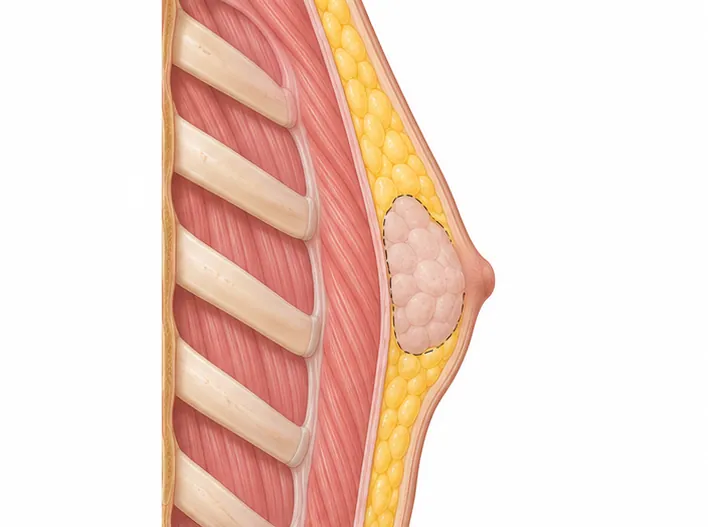 1
We mark the extent of the glandular tissue and plan the incision along the lower areolar border
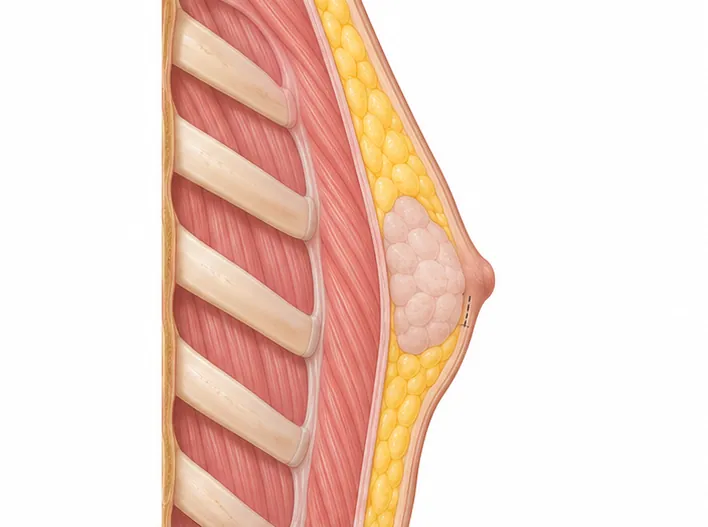 2
We make a semicircular incision along the areolar border to access the glandular tissue
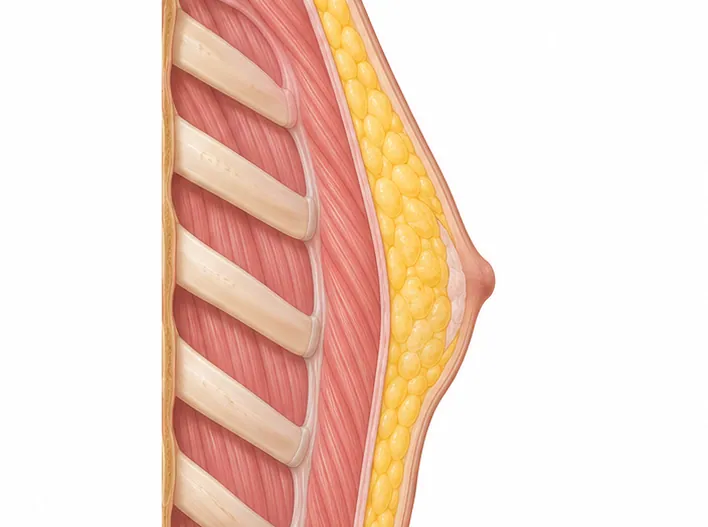 3
We remove the glandular tissue, leaving some beneath the areola
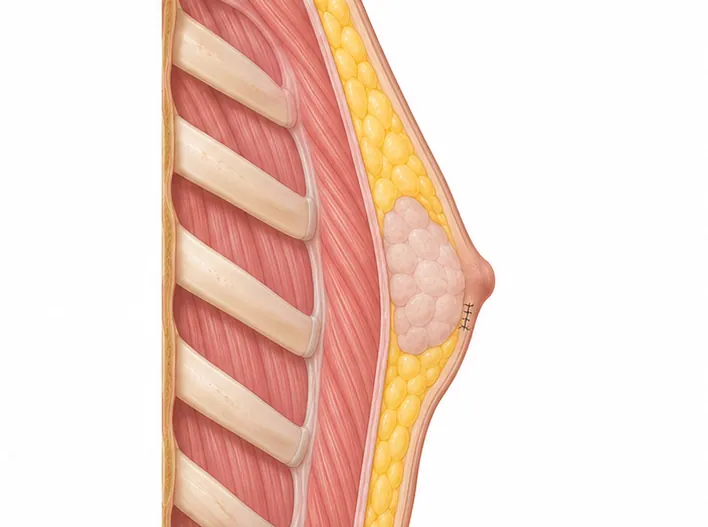 4
We check for bleeding and close the incision with sutures
When glandular tissue and fat cause diffuse fullness
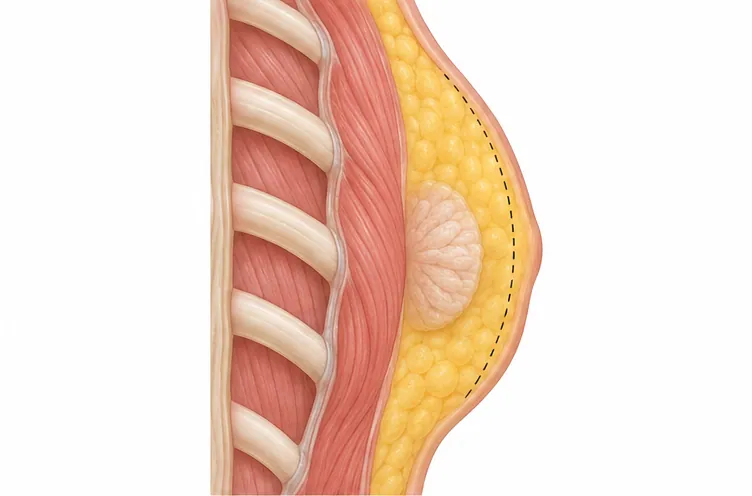 1
We separately mark the distribution of glandular tissue and fat
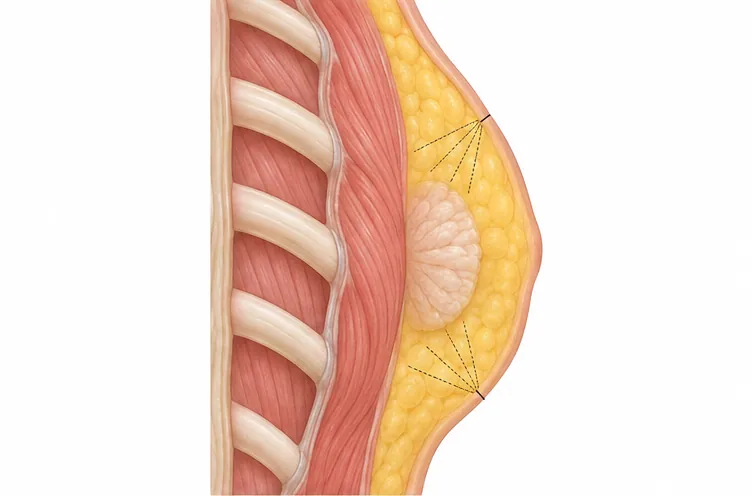 2
We access the fat layer through a small incision and perform liposuction
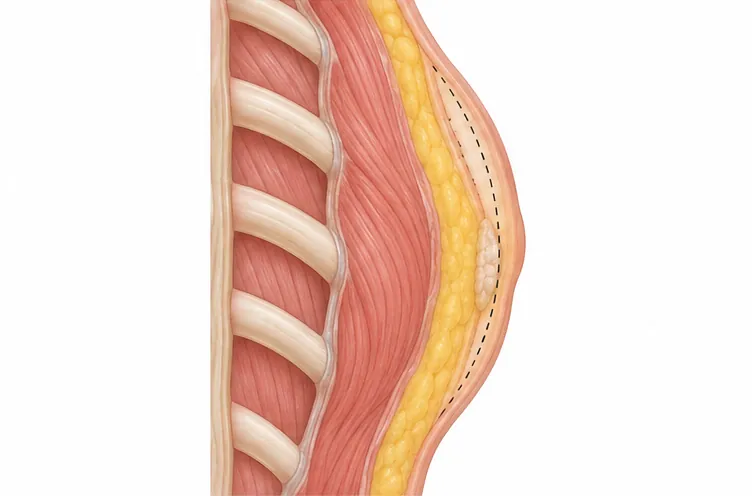 3
We access and remove the remaining glandular tissue through the areolar border
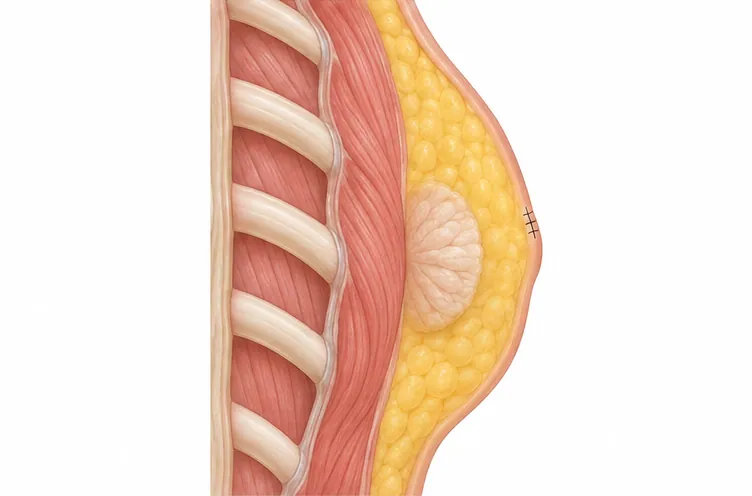 4
We smooth the contour transitions and close the incisions with sutures
When the breasts are large and the skin is loose
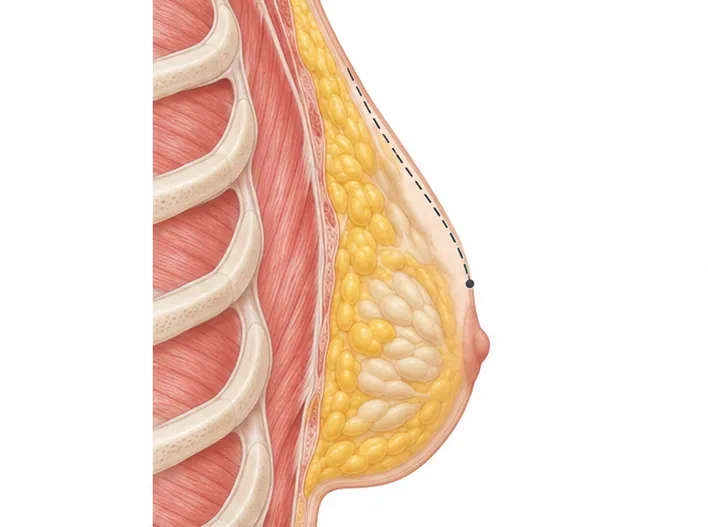 1
We measure the amount of loose skin and the areola position to plan the procedure
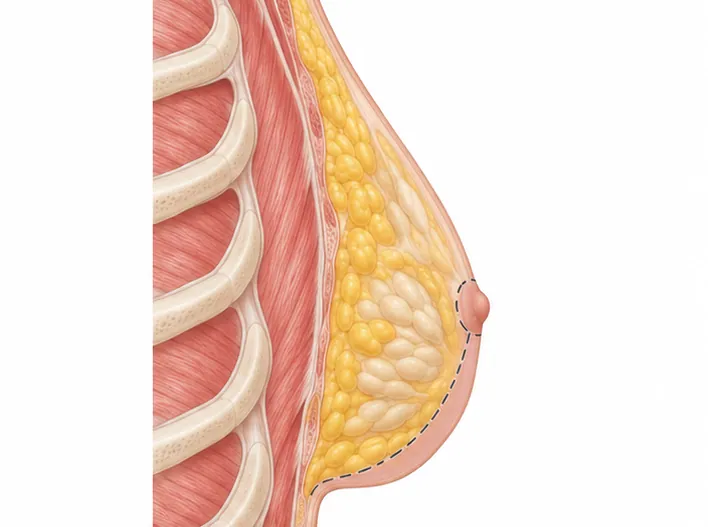 2
We make incisions, including around the areola, and reduce glandular tissue and fat
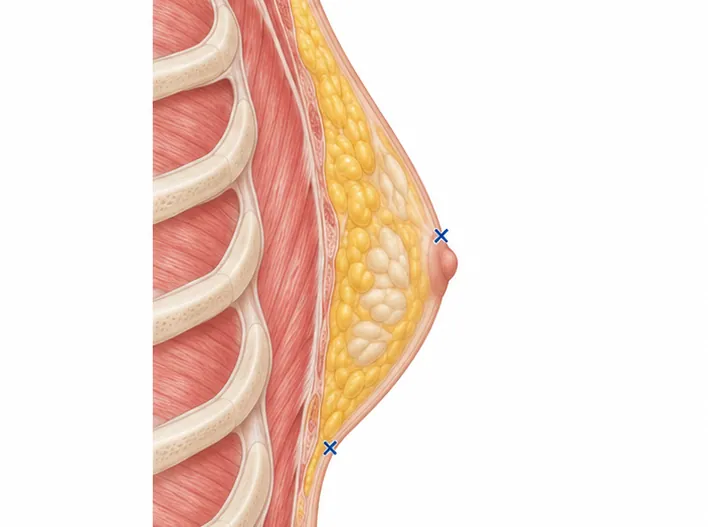 3
We remove excess skin and lift and secure the areola in position
 4
We close the incisions with sutures
Illustration for explanation · Not an actual patient. This is a simplified description of typical steps. The actual technique and extent of surgery are determined after examination.

When
to consider a consultation
- When firm lumps can be felt beneath both areolas
- When your chest is noticeable through clothing and bothers you
- When your chest remains enlarged despite losing weight through exercise
- When fullness beneath the areola remains after liposuction
- When you have been evaluated for underlying conditions and the enlargement has stabilized
When
Surgery is not our first recommendation
- When a firm lump on only one side, nipple discharge, or skin changes require evaluation first
- When recent sudden enlargement requires checking for medication or hormonal causes
- When observation may be considered first during puberty
- When you are still losing weight
Preparing for surgery and
recovery by stage
- 3–4 days after surgery
This is when swelling is at its worst. If you also had liposuction, reddish fluid may drain for 1–3 days.
- Early After Surgery
Wear your compression garment for the full period instructed. For 1–2 weeks, avoid exercises that require large arm movements and avoid heavy objects. Stitches are removed after 7–14 days; keep the area dry until then.
- Several Months
Chest swelling, bruising, and tightness improve over several weeks. The final shape is assessed after 3–6 months.
- Up to 1 Year
Sensation in the nipples and areolas may be reduced for a while. Scars continue to change for several months or longer, so continue using scar ointment or tape and protecting the area from UV exposure after the stitches are removed.
No smoking · No alcohol
This is essential information provided before surgery. Please avoid alcohol, smoking, saunas, and Korean-style bathhouses for 4 weeks after surgery. Smoking increases the risk of nipple and skin necrosis.
Medications · Supplements
We recommend stopping herbal medicines and supplements such as omega-3 when possible because they may increase bleeding. Please tell us about every medication you take.
Planning
If you plan to become pregnant or breastfeed soon, we adjust the timing. Please also tell us about any planned weight changes.
Medical History · Screening
We review your medications and chronic conditions and check for causes such as hormonal problems, medications, and liver disease. Surgery is performed under general anesthesia, which requires a separate consent form. We explain the pre-anesthesia evaluation and fasting instructions: no food for 8 hours and no clear water for 2 hours before anesthesia. As a rule, removed tissue is sent for pathological examination to check whether it is benign (additional cost; results are usually available in 1–2 weeks).
Recovery timelines are averages and vary from person to person. Please contact us immediately if one breast suddenly swells or becomes severely painful, if the nipple or areola turns dark red or white, or if you have warmth, pus, or a fever of 38°C (100.4°F) or higher.
Common questions
during consultations
Is it okay for a man to see a plastic surgeon about his chest?
Men often feel embarrassed or come at a family member's urging. Using photos and a physical examination to show which tissue is involved, we can explain which areas may need treatment and which can be monitored.
Can liposuction alone address it?
When fat is the main cause, liposuction may be considered first. If firm glandular tissue can be felt, it may be difficult for the liposuction cannula to pass through it, so glandular tissue removal may be needed.
What happens to the removed tissue?
As a rule, removed breast gland tissue is sent for pathological examination to check whether it is benign. The cost is separate from the surgery fee, and results are usually available in 1–2 weeks. If you have a lump on one side or the two sides appear different, we will first discuss testing before surgery.
How long do studies recommend wearing a compression garment?
There is no standard duration for wearing a compression garment after gynecomastia surgery, and recommendations vary among studies. Recently reported studies recommended wearing one for 4 weeks, 4–6 weeks, all day for the first month followed by daytime wear for 8 weeks, or at least 3 months. At VITAL Plastic Surgery, the duration is determined based on the extent of tissue removal and the condition of the skin.
Source: Ramasamy et al. 2023 (448 patients) · Guo et al. 2026 (177 patients)
RESERVATION
You do not need to decide the day of your consultation.
Organize questions about this page without entering your name, contact information, or medical history. This does not submit an appointment request.