PLASTIC SURGERY
All Treatments / Surgery
Areola reduction · Inverted nipple correction
We first assess proportions and internal structures, then discuss sensation and breastfeeding plans.
This may vary depending on your condition and the extent of surgery.
Areola Reduction · Inverted Nipple Correction,
What does the surgery involve?
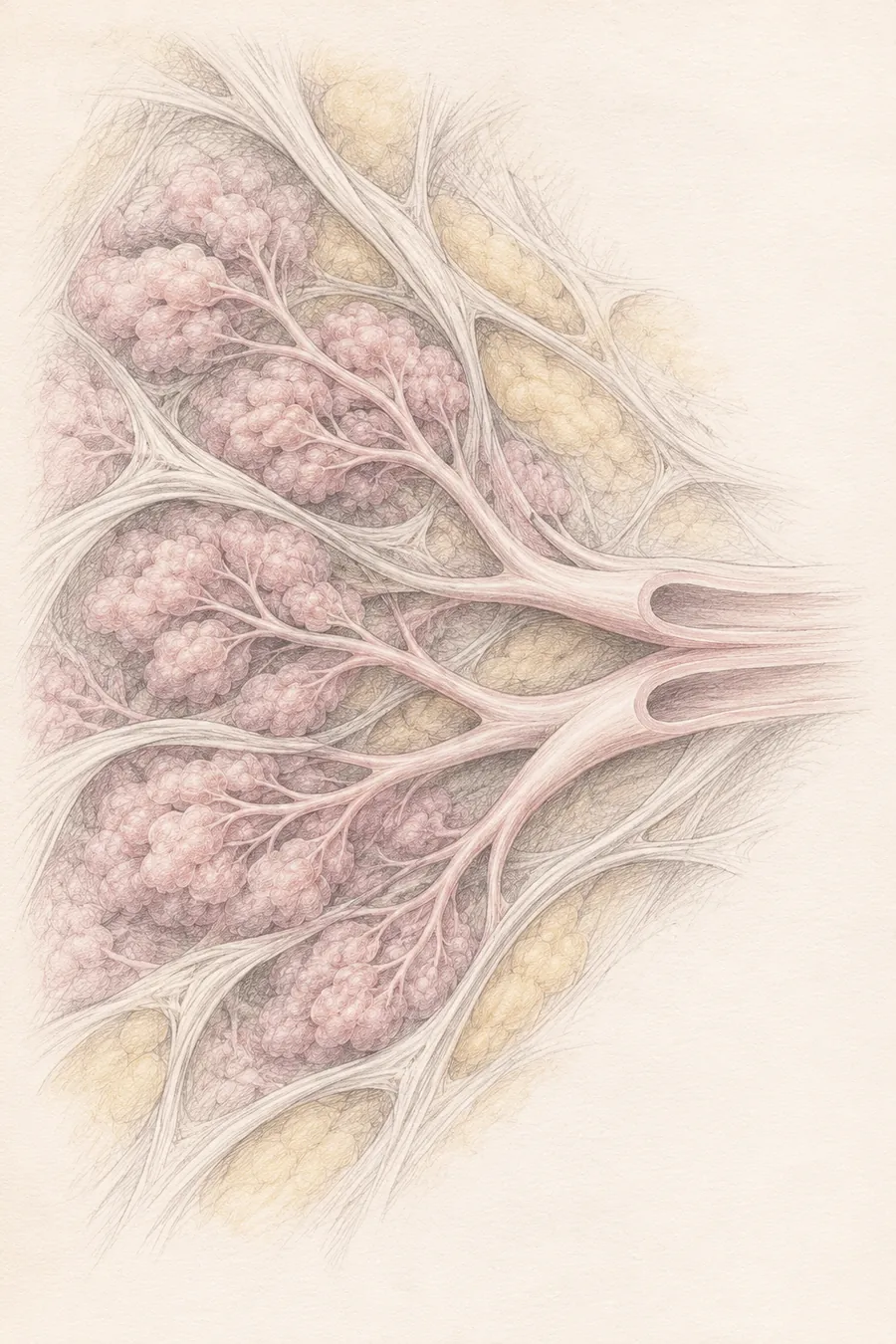
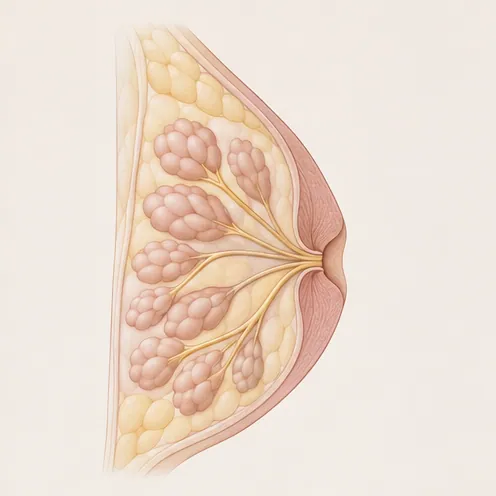
Areola reduction reduces the circumference of a wide areola to achieve proportions suited to the nipple and breast. Inverted nipple correction releases internal structures to bring an inward-turned nipple outward and help it stay in that position. Although both procedures involve small areas, milk ducts and nerves that carry sensation pass through them, so surgery may affect sensation and breastfeeding. We explain the preservation plan and its limitations first.
- Areola
- The darker skin surrounding the nipple. It can widen with pregnancy and weight changes.
- Inverted Nipple
- A nipple that is pulled below the surface. Inversion is graded by how readily the nipple can be pulled outward by hand.
- Shortened Milk Ducts
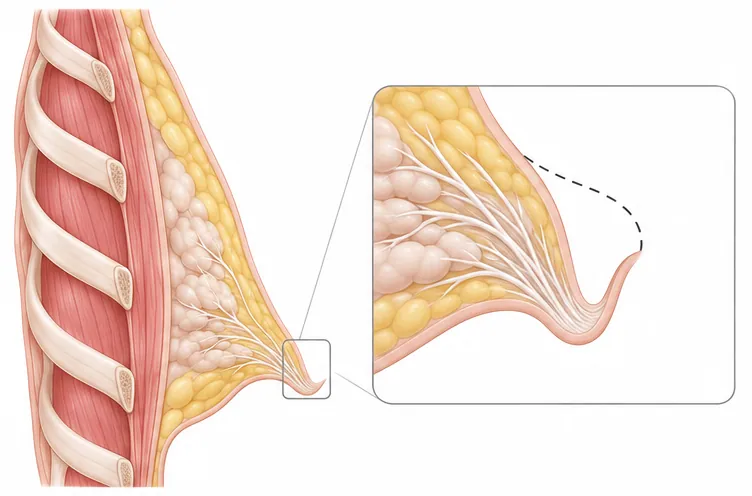
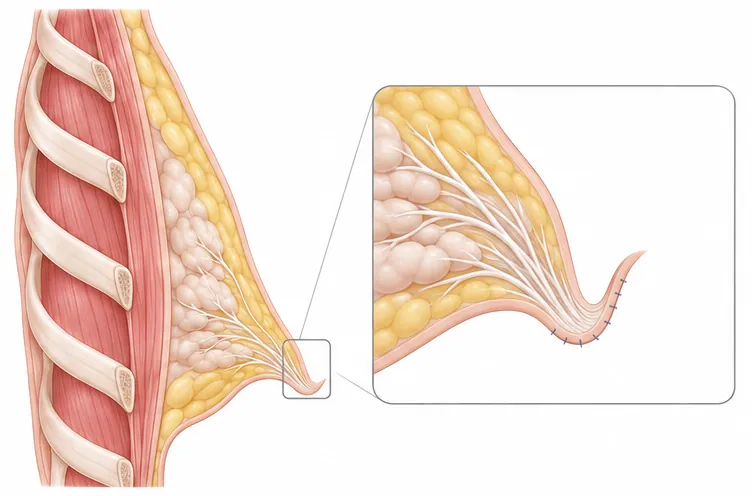
- Short ducts and fibrous bands beneath the nipple pull it inward. This is a common cause of nipple inversion.
With Areola Reduction · Inverted Nipple Correction
in Lower Blepharoplasty
We Assess Areola Proportions, Beyond Diameter
No single measurement determines whether an areola looks wide. We assess nipple size, breast width, areola shape, and differences between sides to determine suitable proportions. For sagging or large breasts, areola reduction can be performed during a breast lift or breast reduction, so we also ask about concerns involving the breasts as a whole.
The Scar Lies Along the Areola Border
Areola reduction typically involves removing a ring of skin around the outer areola, then drawing the circumference together and closing it with sutures. The scar lies where the skin color changes, so it tends to blend in relatively well, but it does not disappear. Because this area is under tension, the scar may widen or the areola may stretch slightly again. Puckering may also be visible early on.
Nipple Inversion Is Assessed in Three Grades
Inversion is considered mild when the nipple can be pulled outward easily and stays out, moderate when it comes out but soon retracts, and severe when it is difficult to bring out. With higher grades, the internal fibrous bands and ducts are shorter and pull more tightly, requiring a more extensive release. We also ask about breastfeeding difficulties, hygiene concerns, and any history of inflammation.
We Release the Structures Pulling Inward and Create Support
The short fibrous bands pulling the nipple inward must be released to allow it to project. Tissue support can be created beneath the nipple, and sutures can support its neck to help prevent it from retracting. Simply pulling the nipple outward makes recurrence more likely. Because the nipple may retract again over time, we assess the outcome during follow-up.
Breastfeeding Plans Affect the Surgical Approach
Nipple and breast surgery may affect sensation and breastfeeding, depending on the technique. With severe inversion, some milk ducts may also be affected, so if you plan to breastfeed, we first consider an approach that preserves the ducts. Pregnancy and breastfeeding can also change the shape again, so we adjust the timing if those plans are near.
New Nipple Inversion Requires Evaluation First
Inversion present since childhood is assessed differently from inversion that has developed recently. If inversion is new, only one side has changed, or there is an accompanying lump, discharge, or skin change, an underlying breast condition must be evaluated first. In these cases, a breast evaluation takes priority over surgery. Recurrent inflammation is treated first.
A Word from the Doctor
Dr. Hyungwoo Yim’s own words from his blog and interviews.
01The key to correction
“The key to correction is not pulling the nipple outward and securing it. This septum must be cut directly.”
If this is not sufficiently released, the nipple will retract again over time, no matter how much it is pulled out and secured.
Dr. Hyungwoo Yim, Medical Director
The Surgical Process Varies
Depending on Your Condition
For a Wide Areola
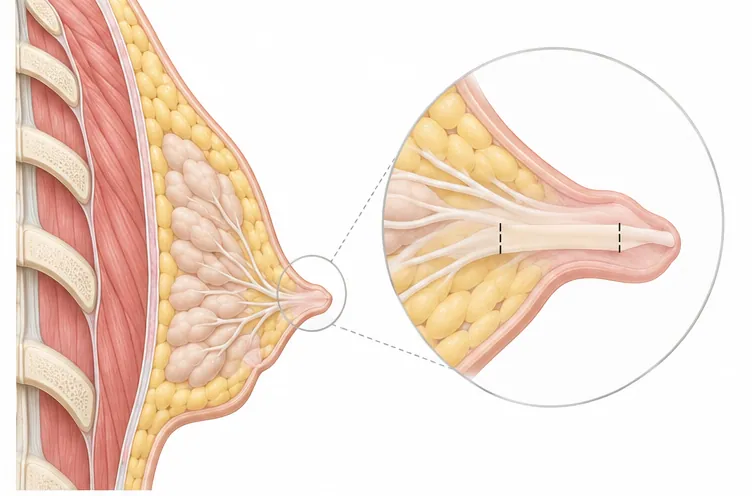 1
We measure the new areola diameter and position, then mark two circles.
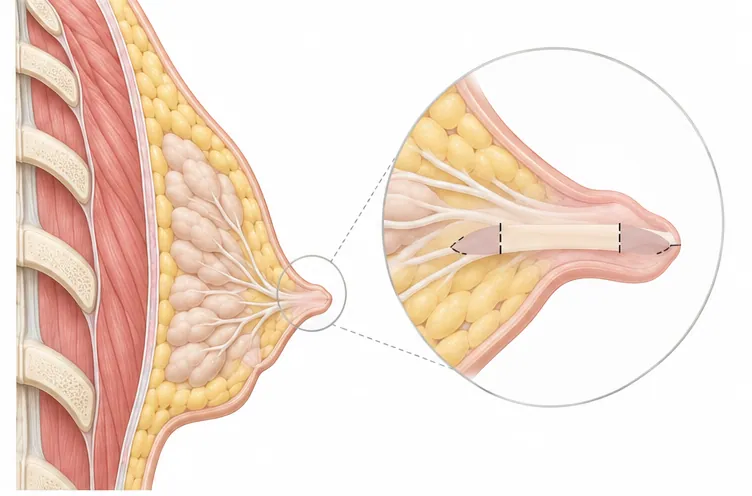 2
We make an incision along the outer circle and remove a ring of skin.
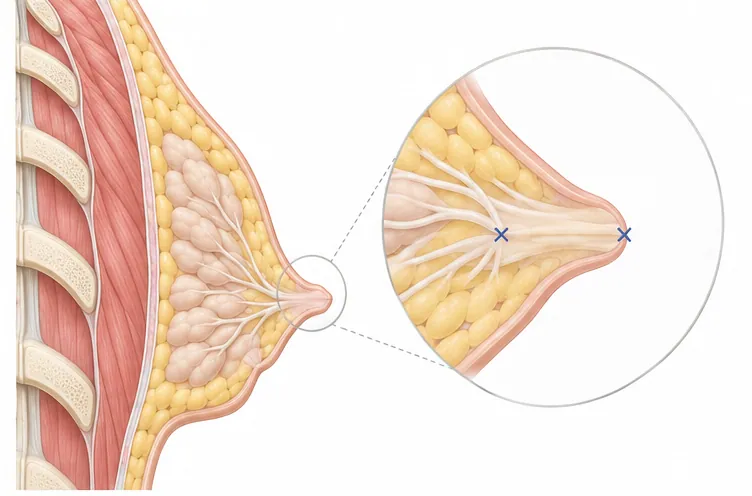 3
We draw the circumference inward and tighten it to meet the inner circle.
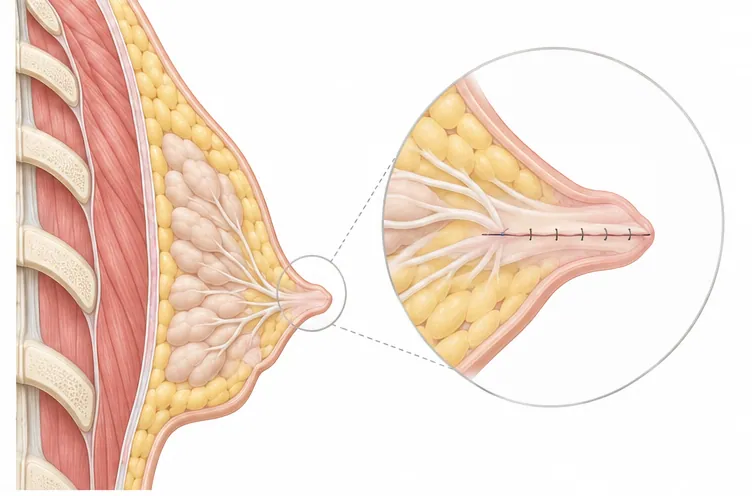 4
We close the incision along the areola border.
For Mild Nipple Inversion
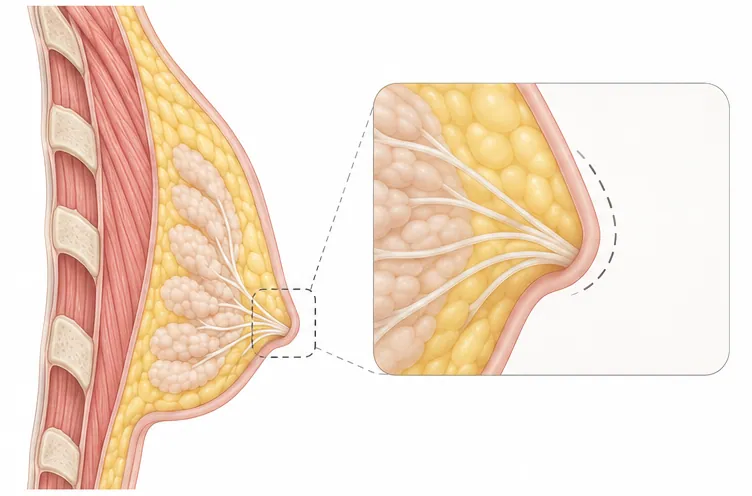 1
We check how far the nipple comes out when pulled and how long it stays out.
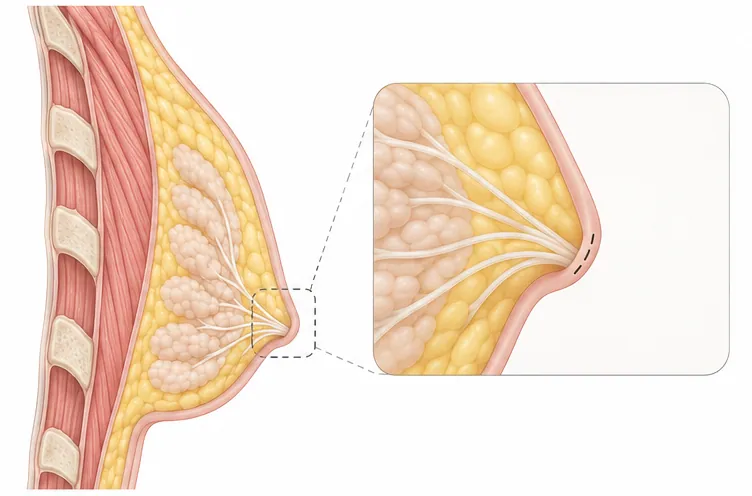 2
We make a small incision along the lower border of the nipple.
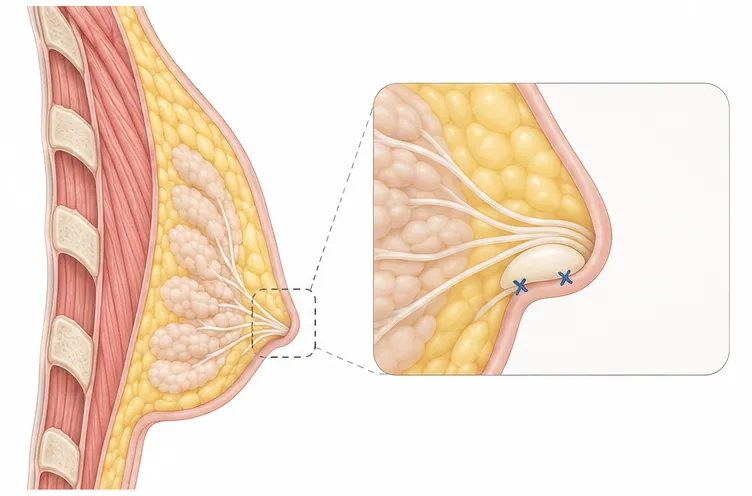 3
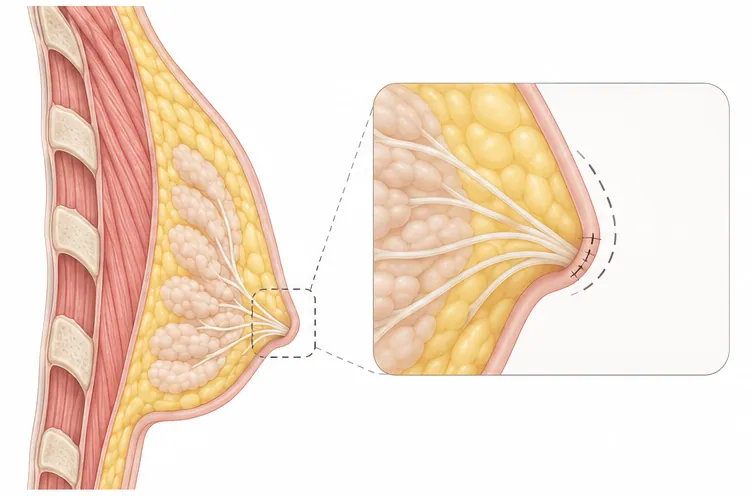
We release the short fibrous bands, preserve the ducts where possible, and create support.
 4
We support the neck of the nipple and close with sutures.
For Severe Nipple Inversion
 1
We assess why the nipple is difficult to bring out and discuss breastfeeding plans.
 2
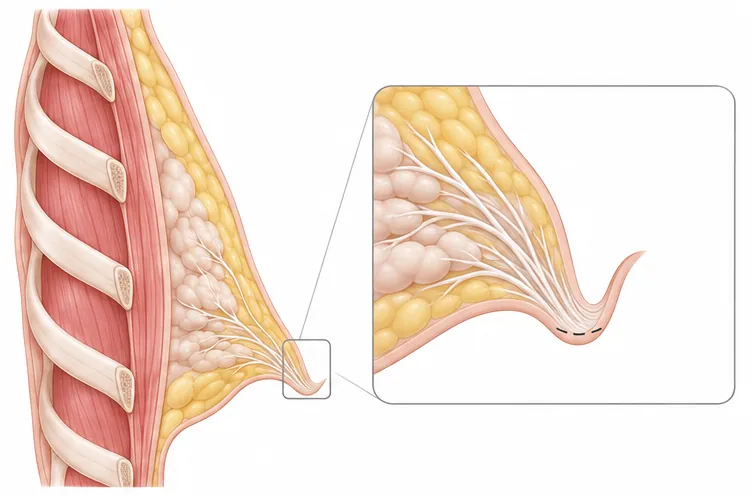
We make an incision beneath the nipple to access the shortened structures.
 3
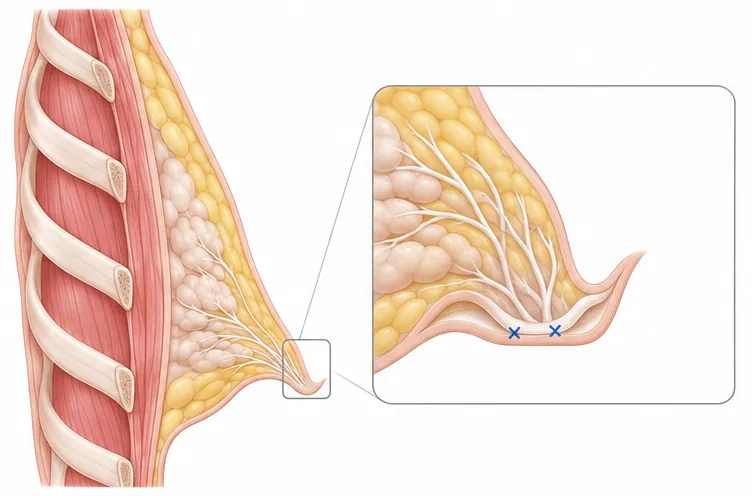
We release the tight bands more extensively and create support with surrounding tissue.
 4
We provide suture support, close the incision, and monitor for recurrence during follow-up.
Illustration for explanation · Not an actual patient. This is a simplified description of typical steps. The actual technique and extent of surgery are determined after examination.

When
to consider a consultation
- When the areolas seem wide or have widened after pregnancy
- When the areolas differ in size and shape
- When the nipples have been inverted since childhood
- When inversion causes recurring hygiene problems or inflammation
- When you want to reshape both the nipples and areolas
When
Surgery is not our first recommendation
- When recent nipple inversion, a lump, or discharge requires evaluation first
- When you plan to become pregnant or breastfeed soon
- When there is active inflammation around the nipple
- When sagging of the entire breast is the main concern
Preparing for surgery and
recovery by stage
- 3–4 days after surgery
Swelling is at its worst during this time. Apply the prescribed ointment and keep the protective dressing in place. After inverted nipple correction, keep the nipple protection device (ring and gauze) in place for 2–4 weeks.
- Early After Surgery
Keep the area dry until the stitches are removed. After areola reduction, wear a compression bra as instructed and avoid underwire bras. After inverted nipple correction, avoid clothing and bras that press on the nipples.
- Several Months
Most swelling and bruising improve over 2–6 weeks. Wrinkling around the areola may last several months, and it also takes time for the corrected nipple to settle into position.
- Up to 1 Year
Areola scars fade over 6 months to 1 year, and nipple sensation usually returns within 6–12 months. If the nipple appears to be retracting again, please tell us at your appointment.

No smoking · No alcohol
This is essential information provided before surgery. Please avoid alcohol, smoking, saunas, and Korean-style bathhouses for 4 weeks after surgery. Smoking increases the risk of nipple and skin necrosis.
Medications · Supplements
We recommend stopping herbal medicines and supplements such as omega-3 when possible because they may increase bleeding. Please tell us about every medication you take.
Planning
If you plan to become pregnant or breastfeed soon, we adjust the timing. Please also tell us about any planned weight changes.
Medical History · Screening
We review your medications, chronic conditions, and breast screening history. The procedure is performed under IV sedation and local anesthesia. You will receive instructions for the pre-anesthesia assessment and fasting: no food for 8 hours and no clear water for 2 hours before anesthesia.
Recovery timelines are averages and vary from person to person. Please contact us immediately if one breast suddenly swells or becomes severely painful, if the nipple or areola turns dark red or white, or if you have warmth, pus, or a fever of 38°C (100.4°F) or higher.
Common questions
during consultations
Will inverted nipple correction allow me to breastfeed?
We cannot say for certain that you will be able to breastfeed. The ducts may be affected depending on the degree of inversion and the surgical technique. Please share your plans first so we can explain the approach and its limitations.
Can it be combined with nipple reduction?
Nipple reduction, areola reduction, and inverted nipple correction are separate procedures that can be discussed together. We determine the scope of surgery with consideration for blood flow and sensation.
Will the areola color change too?
Areola reduction reduces size; it does not change color. If color is a major concern, please bring it up separately.
RESERVATION
You do not need to decide the day of your consultation.
Organize questions about this page without entering your name, contact information, or medical history. This does not submit an appointment request.