PLASTIC SURGERY
VITAL REVISION & RECONSTRUCTION
Before considering another surgery, we listen to what is causing your discomfort.
We first review your previous surgical records, current function and tissue condition, and the time needed for recovery.
This may vary depending on your condition and the extent of surgery.
SHORT ANSWER
What do we check first for revision lower eyelid surgery?
We first review your previous surgical records, current function and tissue condition, and the time needed for recovery. We assess appearance along with tissue condition, function, and the factors affecting recovery.
DOCTOR'S NOTE
Rather than repeating fat repositioning,
we reinforce the supporting structures.
“
We first assess adhesions from the previous surgery and the remaining fat, then consider reinforcing the orbital septum rather than repeating fat repositioning.
Dr. Hyungwoo Yim · Approach to Care
Dr. Hyungwoo Yim, Medical Director · Based on the doctor's own answers. The actual scope of care is determined after an examination.
1
Under-Eye Fat Bulging
2
Tear Trough
3
Cheek (Midface) Position
4
Lifting the Midface as Well
Lower Lid
Rather than repeating fat repositioning, we reinforce the supporting structures.
If a tent holds too much baggage (fat), simply removing the baggage can leave the outer fabric (skin) more wrinkled. To smooth the under-eye area, the internal structures that act like tent ropes need to be lifted, and the thinning fabric needs reinforcement.
01 · UNDERSTAND YOUR CONCERN
Do any of these concerns
sound familiar?
Do any of these concerns sound familiar?
“My eyelid feels pulled or looks turned outward.”
“My eyes do not close fully and feel dry.”
“My under-eye area has become hollow or uneven.”
We first determine whether revision is needed now, before considering whether it is possible.
Tightness, changes in eyelid position, hollowing, or asymmetry after previous lower eyelid surgery require different approaches depending on the cause and stage of recovery. It is important to weigh the expected improvement against the burden of additional surgery.
Revision lower eyelid surgery,
What does the surgery involve?
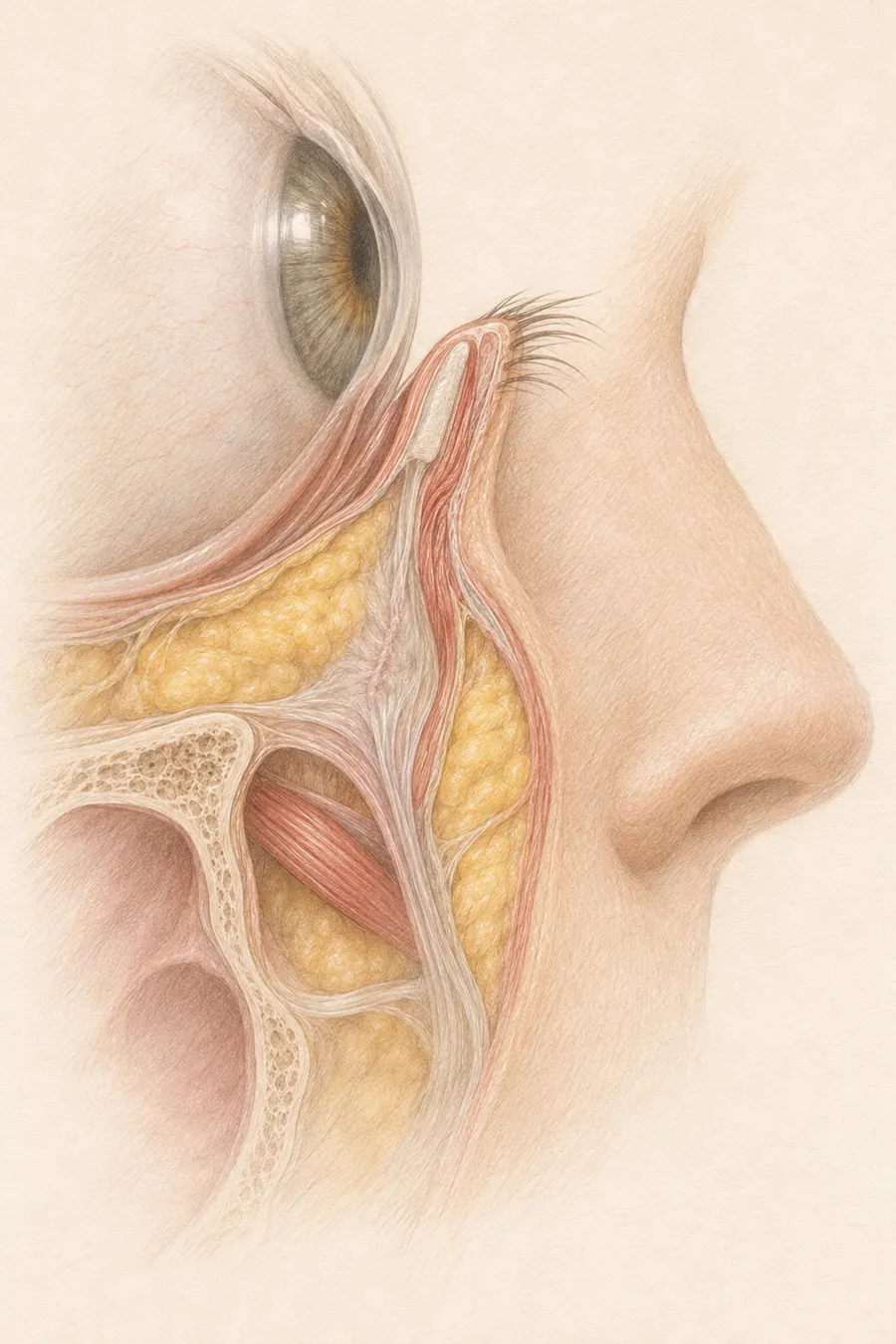
Revision lower eyelid surgery reassesses and corrects tightness, outward turning, unevenness, hollowing, asymmetry, and scarring after a previous procedure. Similar appearances can have different causes and require different approaches, so we do not repeat the same surgery based on appearance alone. Before surgery, we identify which tissue layers are deficient, where adhesions have formed, and how much support remains. About 30% of our patients come for revision surgery, so this assessment is part of our clinical care.
- Adhesions
- Tissues that have become stuck together after surgery. They affect the extent and difficulty of revision surgery.
- Scar Contraction
- A process in which collagen within a healing wound pulls on the tissue and makes it firm. It is most noticeable between 3 weeks and 3 months.
- Lateral canthal fixation
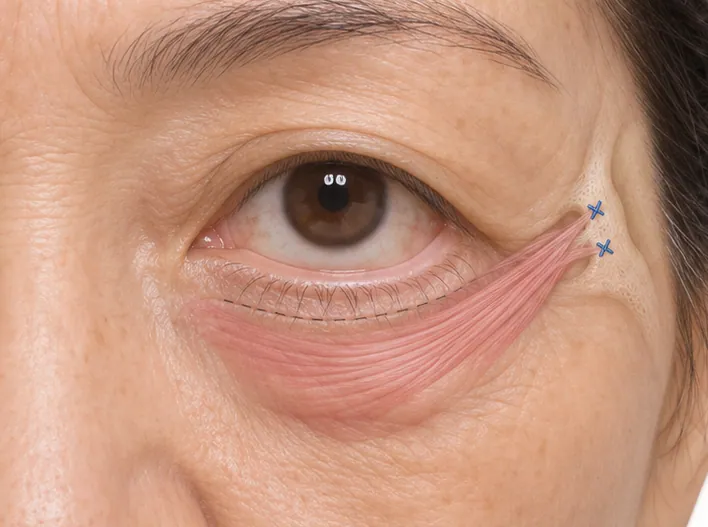
- A technique that supports the lower eyelid by reattaching the supporting tissue at the outer corner of the eye to the bone.
In revision lower eyelid surgery,
in Lower Blepharoplasty
we group common concerns into five categories
For outward turning and tightness, we assess deficient tissue layers, adhesion sites, and support to guide reconstruction. For asymmetry, we distinguish differences in the underlying bone structure and eye-opening function from changes caused by surgery. For unevenness, we separately assess remaining fat, volume deficits, injected materials, and adhesions. For hollowing, we evaluate the effects of excessive tissue removal and consider tissue replacement and adhesion release. For scars and unnatural lines, we assess the stage of healing and tissue deficiency to decide between scar care and surgery.
Photos that show your current condition come first
The most important materials for your consultation are photos showing your current condition. Previous surgical records are helpful, but you can still have a consultation without them. Records make it easier to estimate which tissue layers were treated. During the examination, we directly assess adhesions, remaining tissue, and eyelid closure to refine the assessment. We do not determine the timing of revision surgery from photos alone.
Timing depends on symptoms and tissue condition
Waiting for scars to mature is not appropriate in every case. Acute hematoma, infection, and vision changes require immediate evaluation. We also assess patients early if abnormal eyelid position exposes the cornea or if pain and functional problems persist. For cosmetic revision, waiting for the tissues to stabilize may be preferable, so we generally assess readiness after at least 6 months to 1 year or more of recovery.
We assess the orbital septum before moving fat again
During revision surgery, we often find that previously repositioned fat has adhered to the tissue in front of it. Repositioning more fat over that area may increase the adhesions that need to be addressed. We therefore first assess adhesions and remaining fat, then consider revision to reinforce the orbital septum rather than repeating under-eye fat repositioning. For thinning skin, we also address the underlying tissue with Re2O.
Recovery guides whether procedures are staged
Whatever the combination, performing everything at once is preferable from the surgeon’s perspective, but staging procedures is preferable when considering normal recovery from the patient’s perspective. We assess combinations that affect blood flow and swelling in the same area more cautiously. Combining procedures may not simply add their recovery times together, but it can increase swelling, discomfort, and the demands of aftercare. We explain how many stages may be needed after assessing the tissues.
We explain what may be difficult to reverse first
If substantial tissue has already been lost, surgery may not restore the original condition. We do not recommend proceeding immediately if recovery is still underway or if the burden of additional surgery outweighs the expected improvement. Revision also requires time for damaged tissue to return to normal, so we explain the possible improvements and limitations before you decide.
A Word from the Doctor
Dr. Hyungwoo Yim’s own words from his blog and interviews.
01Before deciding on revision surgery
“Surprisingly, many of these patients don't need surgery; their tissues need time to heal.”
If you are unhappy with the results of your surgery, we recommend checking the condition of your skin and soft tissue before deciding on revision surgery.
Dr. Hyungwoo Yim, Medical Director
The Surgical Process Varies
Depending on Your Condition
When unevenness is the main concern
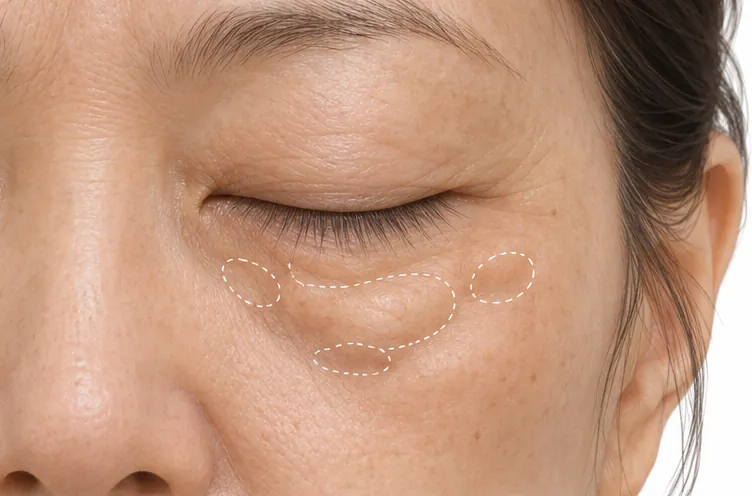 1
We use photos and an examination to mark remaining fat, injected materials, and adhesion sites
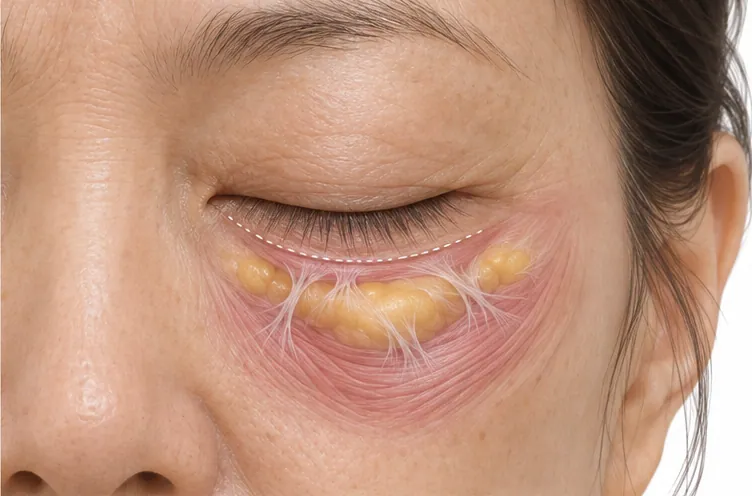 2
We review the previous surgical approach and access the area through the conjunctiva or skin
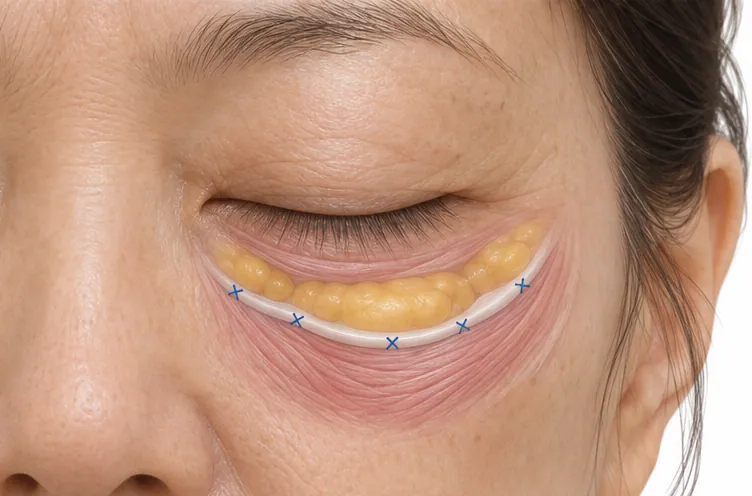 3
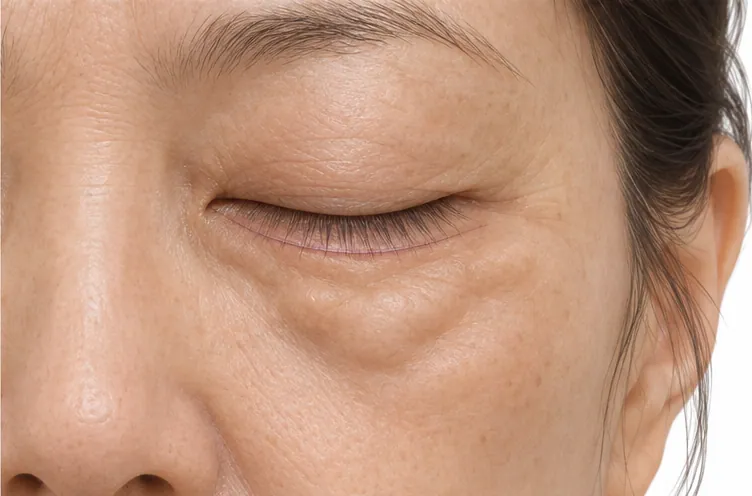
We release adhesions and reinforce the orbital septum while leaving the fat in place
 4
We close the incision with fine sutures
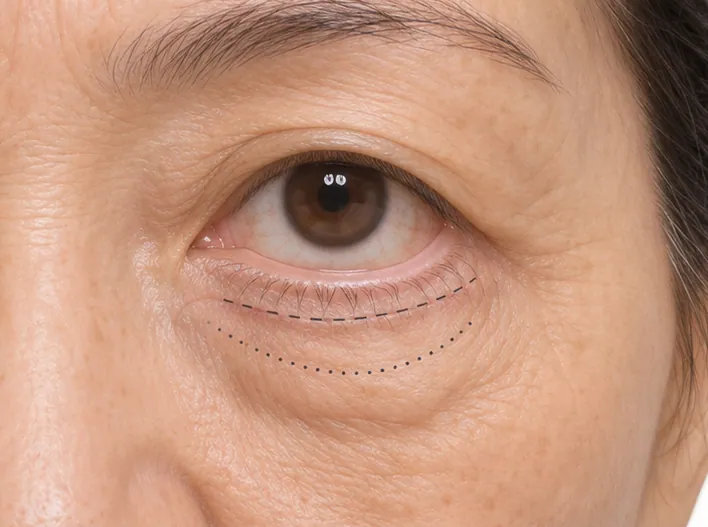
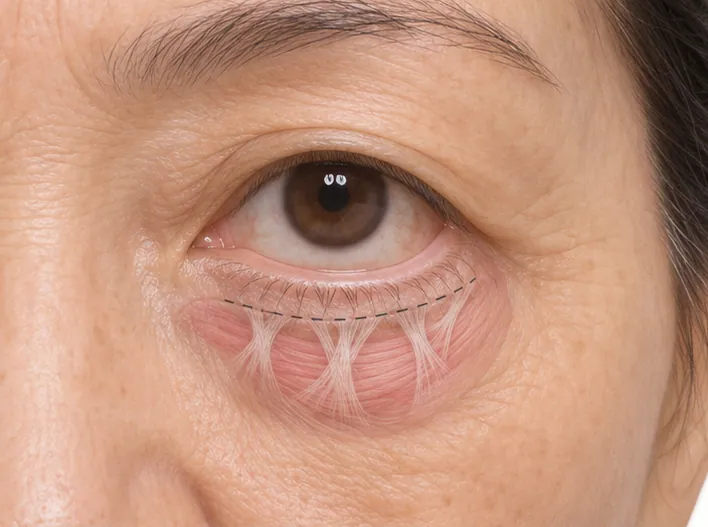
When the eyelid is pulled or turned outward
 1
We check eyelid closure and lower eyelid position, then mark the scars causing the pulling
 2
We follow the previous incision and release adherent tissue
 3
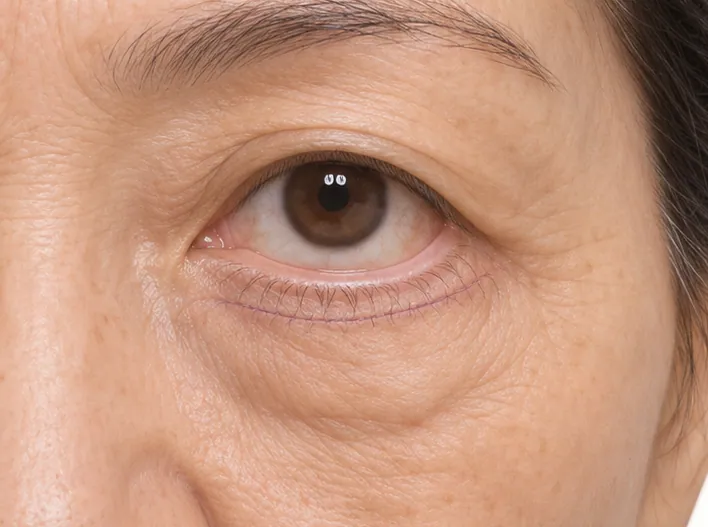
We lift the orbicularis oculi muscle and secure the outer corner of the eye to restore support
 4
After closing the incision, we check eyelid closure again
When hollowing is severe
 1
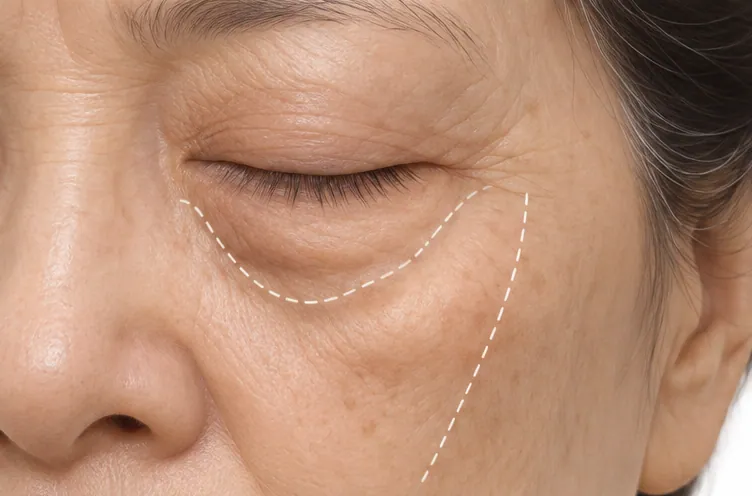
We mark the extent of hollowing and the position of the cheek
 2
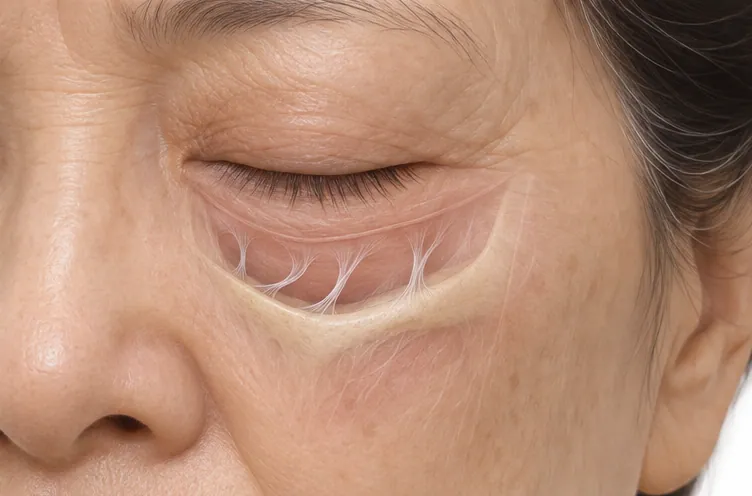
We release adhesions to create room for the tissues to move
 3
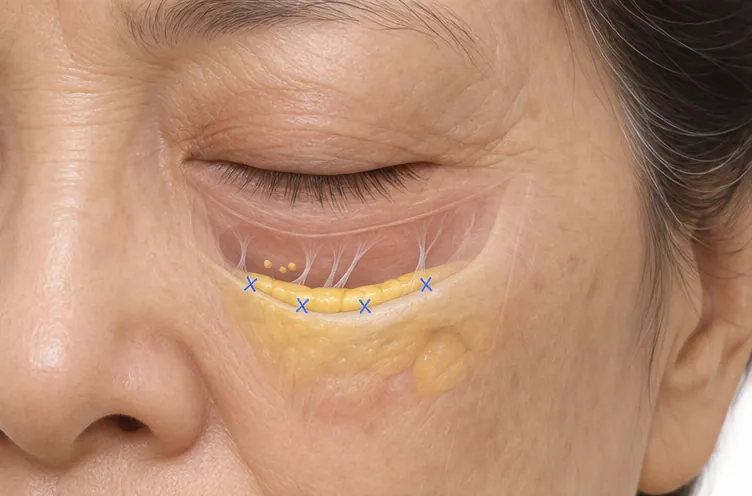
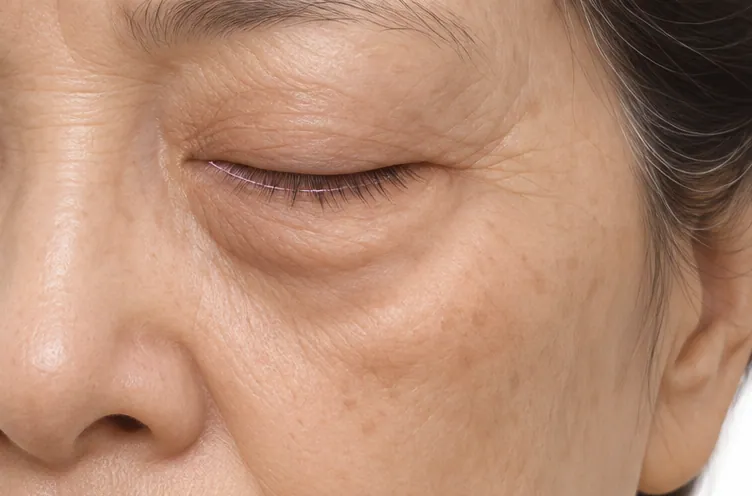
We consider lifting and securing cheek tissue or fat grafting to areas with insufficient volume
 4
We close the incision and determine the timing of Re2O treatment
Illustration for explanation · Not an actual patient. This is a simplified description of typical steps. The actual technique and extent of surgery are determined after examination.
02 · LOOK FOR THE CAUSE
We examine why
these changes have occurred.
Extent of previous surgery
The extent of treatment to the skin, fat, and muscle, along with surgical records, provides important information for understanding your current condition.
Scars and adhesions
Tissue scarring, adhesions, and changes in supporting structures can affect appearance and function.
Current stage of recovery
We adjust the priorities for observation and treatment based on whether the tissues are still healing and how symptoms are changing.
Several factors may contribute to a single symptom.
This explanation is for general understanding. The causes in each individual case must be determined through an examination.
03 · DOCTOR'S DECISION
The same surgery
is not recommended for the same reason in every case.
If recovery is still underway
An examination helps distinguish changes that need time from problems that need immediate attention.
If there are problems with eyelid closure or position
We prioritize eye function and the condition of the eye’s surface along with appearance. We also consider care from a relevant specialist when needed.
If the burden of additional surgery is greater
We explain whether the desired changes are achievable and may advise against immediate surgery.
We explain what to assess first and how much treatment is appropriate.
Limitations and risks matter as much as the possible improvements.

When
to consider a consultation
- When your eyes feel pulled and sting after previous surgery
- When the under-eye area has become uneven
- When hollowing or shadows have increased after surgery
- When asymmetry, scars, or unnatural lines bother you
- When appearance and function have changed after previous surgery
When
Surgery is not our first recommendation
- When recovery from previous surgery is still underway and there are no urgent symptoms
- When the burden of additional surgery outweighs the expected improvement
- When the desired changes would be difficult to achieve safely in your current condition
- When there are more pressing health concerns, such as high blood pressure or diabetes
04 · CLINICAL REASONING
In this situation,
how do we work through the assessment?
Initial concern
Tightness and hollowing after previous under-eye surgery
What to assess
Review previous surgical information, eyelid closure, lower eyelid position, and the stage of tissue recovery
How we approach the decision
Compare observation and conservative care with the expected improvement and burden of revision surgery
Follow-up observation
Document changes in appearance and functional discomfort through photos and examinations
Illustrative clinical assessment · Not an actual patient case
The example above is provided for understanding and does not describe an actual patient’s treatment or results.
Preparing for surgery and
recovery by stage
- 3–4 days after surgery
Swelling and bruising are at their worst during this period. After revision surgery, swelling, bruising, and scars take longer to stabilize than after the first surgery. Rest adequately for at least 2 weeks, use cold and warm compresses, and sleep with your head elevated. While your eyes do not close completely, use artificial tears frequently and apply eye ointment before bed.
- Days 5–7
If an incision was made, your stitches will be removed. Until then, keep the surgical area dry. If instructed to use tape, keep it in place for 2 weeks and avoid rubbing your eyes or squeezing them shut. Start wearing eye makeup and contact lenses after your surgeon gives permission, usually after 2–4 weeks.
- 3 weeks–3 months
This is a period when the tissues may feel firm and tight. This is a response to healing, so do not decide on another revision based on how the area looks at this stage alone. After revision lower blepharoplasty, swelling and bruising may last 4–8 weeks or longer. If you also had a midface lift, swelling may last 2–3 months. Avoid strenuous exercise, saunas, alcohol, and smoking for 2 months.
- 3 months–1 year
The tissues gradually soften, redness decreases, and the two sides become more even. The final result is assessed after 6 months to 1 year, with follow-up visits at 1, 3, and 6 months and at 1 year.

No smoking · No alcohol
You will receive these instructions before surgery. After revision surgery, avoid alcohol and smoking for 2 months, as they affect bleeding and wound healing.
Medications · Supplements
We recommend stopping herbal medicines and supplements such as omega-3 when possible because they may increase bleeding. Please tell us about every medication you take.
Medical history
Thyroid eye disease, glaucoma, severe dry eye, autoimmune disease, or anticoagulant use may be reasons to postpone or avoid surgery.
Eye care habits
Limit contact lens use as much as possible, use artificial tears frequently, and avoid rubbing your eyes. Tell us if you have used double eyelid tape or glue.
Recovery timelines are general estimates and vary by individual. Contact us immediately for sudden severe pain, decreased vision, bleeding that does not stop, or rapidly worsening swelling on one side.
RECOVERY & FOLLOW-UP
The pace of recovery
varies from person to person.
01
STEP 01
Early recovery
We check swelling, bruising, wounds, and eye function. Guidance on returning to work, wearing makeup, and other daily activities depends on the extent of surgery and your recovery.
02
STEP 02
Tissue changes
We monitor changes in tightness, scars, dryness, and asymmetry. We assess symptoms through an examination rather than assuming they are all part of normal healing.
03
STEP 03
Long-term follow-up
We compare both photos and function. Patients visiting from overseas need to consider follow-up visits when planning their departure.
Common questions
during consultations
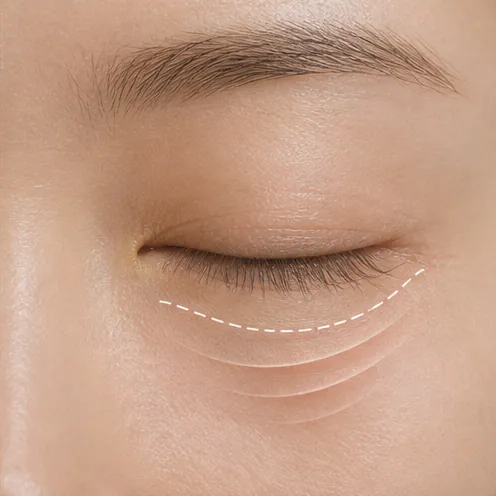
It has been two months since surgery, and the area feels lumpy and tight. Is something wrong?
Between 3 weeks and 3 months, scar contracture can pull on the tissues and make them firm. This is often when patients feel most anxious. The eyes may not close fully, or the under-eye area may look slightly pulled and unnatural. However, we do not assume that all such changes are normal healing. Corneal exposure, pain, or vision changes require prompt examination.
What if I cannot obtain my previous surgical records?
Photos showing your current condition and an examination are most important. Records are helpful, but even without them, we can assess adhesions and remaining tissue by touch. It also helps if you tell us what you remember about the surgery you had.
What if filler remains under my eyes?
For hyaluronic acid fillers, we may use ultrasound to check their location before considering dissolution, if needed. Other materials cannot be dissolved in the same way. Ultrasound helps assess location and distribution, but it cannot identify the type and exact amount of every foreign material in a single examination. Whether to dissolve filler before surgery and how long to wait depend on the material and tissue condition.
Related Reading
QUESTIONS & ANSWERS
Before you decide,
frequently asked questions
Common questions before making a decision.
Based on questionnaire responses from Dr. Hyungwoo Yim · Last updated October 2026 Treatment suitability and the specific approach are determined after an in-person examination.

Q
How long after surgery can I have revision surgery?
−
A
There is no single waiting period for everyone. We assess the stage of healing, the urgency of functional problems, and the tissue condition together. We do not determine the timing of revision surgery from photos alone.
Q
Do I need surgical records from my previous clinic?
+
Q
Can surgery be finalized through a photo consultation alone?
+
Q
Are surgical results and recovery times the same for everyone?
+
Related Procedures
DOCTOR'S COLUMN DOCTOR'S COLUMN DOCTOR'S COLUMN
Must Read
Care Notes Written by the Doctor · Please Read Before Your First Visit
No.1
No.3
VIEW MORE →
RESERVATION
You do not need to decide the day of your consultation.
Organize questions about this page without entering your name, contact information, or medical history. This does not submit an appointment request.