PLASTIC SURGERY
All Treatments / Surgery
Double Eyelid Revision Surgery
Before recreating the crease, we first identify why it changed.
This may vary depending on your condition and the extent of surgery.
Double eyelid revision surgery,
What does the surgery involve?
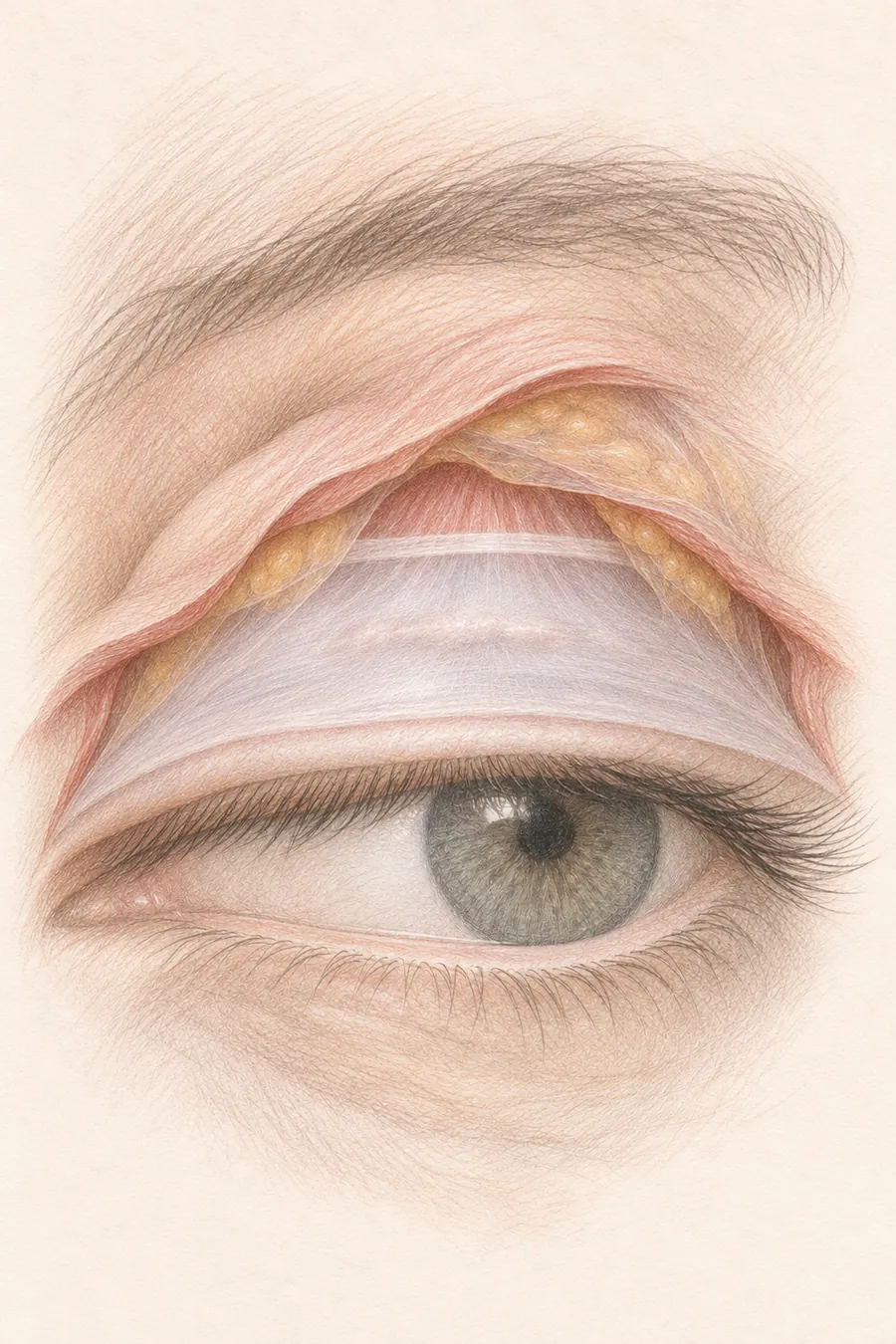
Double eyelid revision surgery reassesses and corrects eyelids when a crease has faded, multiple creases have formed, or the eyes have become asymmetric after previous surgery. Even when the appearance is similar, the approach differs depending on whether the fixation has weakened, eyelid lifting function is weak, or tissue has adhered or become insufficient. Before repeating a procedure based on appearance alone, we first identify why the change occurred. Revision surgery leaves less skin and tissue available than an initial procedure, so we explain both what is possible and its limits.
- Adhesions
- Tissues that have become stuck together after surgery. They affect the extent and difficulty of revision surgery.
- Scar Contraction
- Tightening and pulling caused by contracting scar tissue. It often becomes more noticeable between 3 weeks and 3 months after surgery.
- Multiple Creases
- An additional crease above or below the double eyelid crease. Hollowing, adhesions, or weak eyelid lifting function may contribute.
- Overcorrection
- Incomplete eye closure caused by lifting the eyelid too much or removing too much skin.
In double eyelid revision surgery,
in Lower Blepharoplasty
we first distinguish the causes of the changes
Common concerns in revision surgery include asymmetry, overcorrection and hollowing, scars, and unnatural creases. To determine the extent of correction, we distinguish preexisting differences in bone structure and eyelid lifting function from changes caused by surgery. For hollowing, we assess the effects of excessive tissue removal or correction of eyelid function. For scars, we examine the stage of healing and any tissue shortage. Similar-looking concerns may require different approaches.
Current Photos Are the Most Important Reference
Photos showing your current condition are the most important reference for assessment. Previous surgical records are helpful if available. They make it easier to estimate where incisions were made and what tissue was removed, but you can still have a consultation without them. Eye opening and closure, adhesions, and available skin are assessed in person, so a surgical plan is not finalized from photos alone.
If the Crease Has Faded, We Also Assess Eyelid Lifting Function
When eyelid lifting function is weak, the force lifting the crease is also weak, so repeating fixation alone may lead to the same problem. Eyelid fat or thick tissue caught between the tissue layers can also make the crease less likely to last. Frequent eye rubbing can cause an existing crease to fade as well. Before securing the crease again, we therefore assess MRD1, tissue thickness, and habits.
For Multiple Creases, We Look for Hollowing and Adhesions
Multiple creases may form when upper eyelid hollowing allows the skin to fold inward, or when adhesions from previous surgery remain at several levels. Creating another crease in these cases may make the folds more complex. We consider releasing the adhesions and supporting hollow areas by repositioning or adding fat.
The Amount of Remaining Skin Guides the Approach
In revision surgery, skin has often already been removed. Removing more may prevent the eyes from closing fully or cause dryness, so we first measure the available skin with the eyes closed. If little skin remains, we plan to release adhesions and readjust the internal structures rather than remove skin. Before surgery, we discuss how the desired changes align with what is possible.
Timing Depends on Tissue Condition
Between 3 weeks and 3 months after surgery, tissues become firm and tight, so rushing into revision during this period may cause further tissue damage. For cosmetic adjustments, it is generally better to wait 6 months to a year or more for the tissues to stabilize. However, not every situation should wait: hematoma, infection, and vision changes require immediate assessment.
A Word from the Doctor
Dr. Hyungwoo Yim’s own words from his blog and interviews.
01Why Double Eyelid Creases Come Undone
“Double eyelid surgery is not simply about creating a crease in the eyelid. It is a precise procedure that restores the movement of the eyelid.”
Rubbing your eyes is not the only reason a double eyelid crease can come undone. In some cases, scar tissue over the muscle that opens the eye prevents its force from being properly transmitted to the skin.
Dr. Hyungwoo Yim, Medical Director
The Surgical Process Varies
Depending on Your Condition
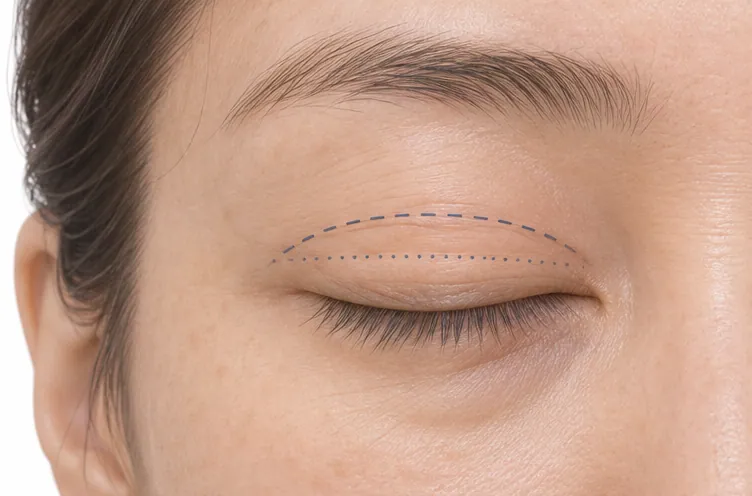
Eyelids With a Faded Crease
 1
Measure the existing crease and assess eyelid lifting function to plan the new fixation height
 2
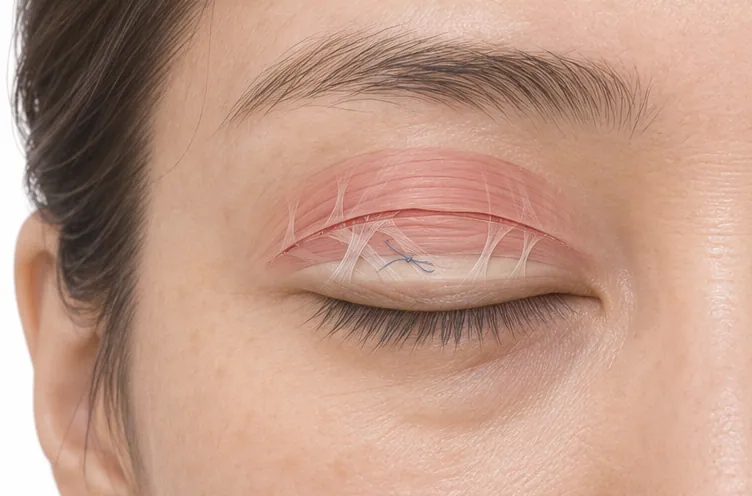
Make an incision along the crease to remove remaining sutures and address adhered tissue
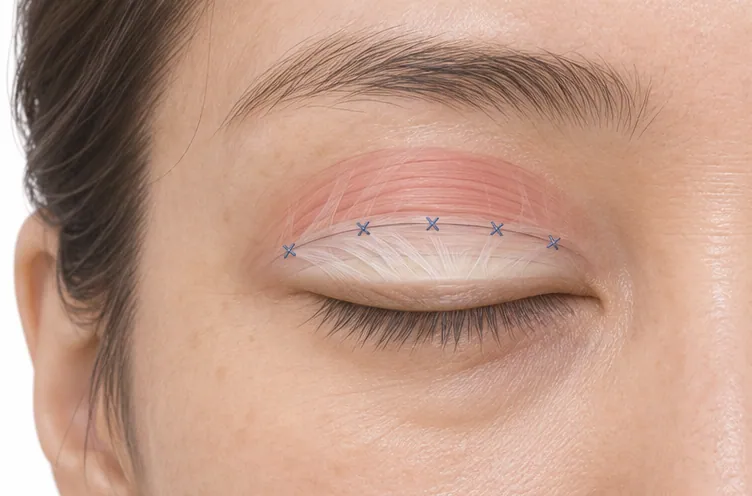 3
If lifting function is weak, correct the eyelid lifting muscle and its aponeurosis together
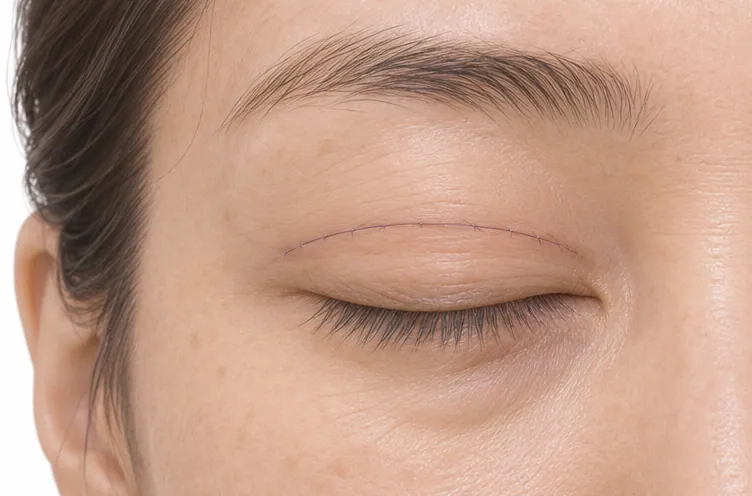 4
Secure the crease again to a deeper tissue layer so it folds when the eye opens, then close the incision
Eyelids With Multiple Creases
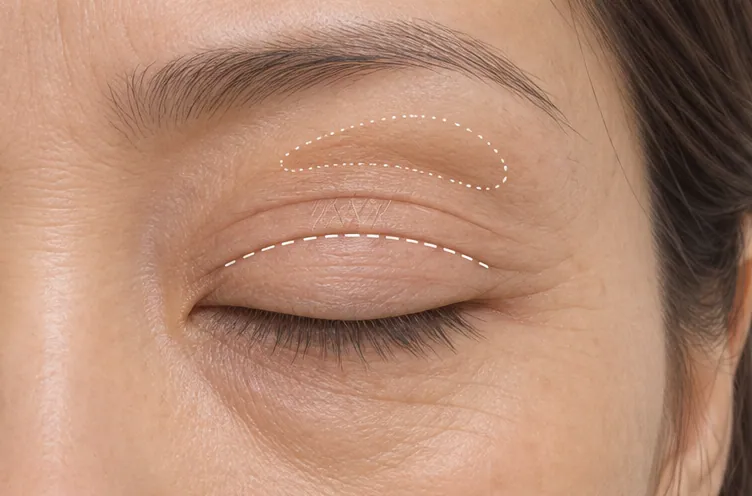 1
Mark the locations of extra creases, hollowing, and available skin
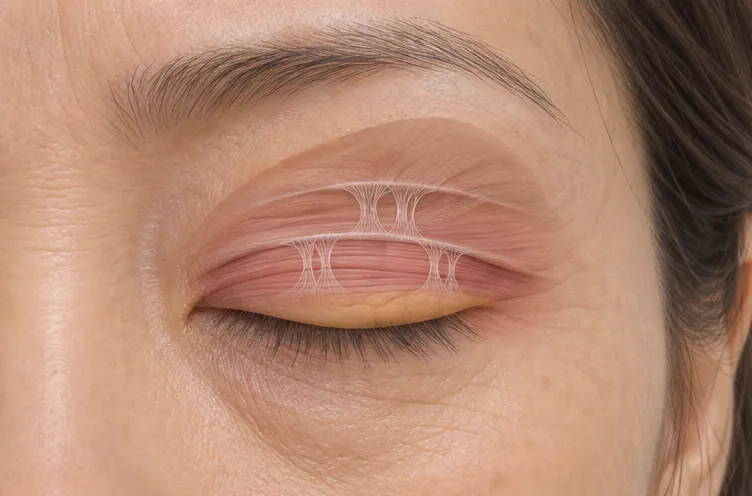 2
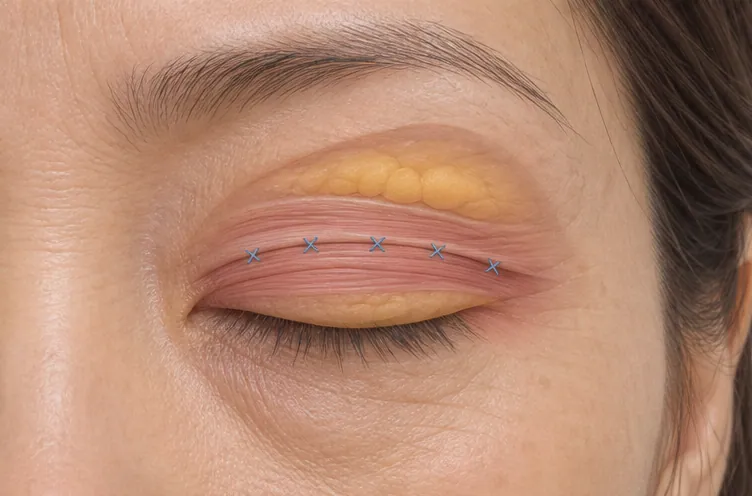
Make an incision and release adhesions remaining at multiple levels
 3
Reposition eyelid fat or add microfat to hollow areas
 4
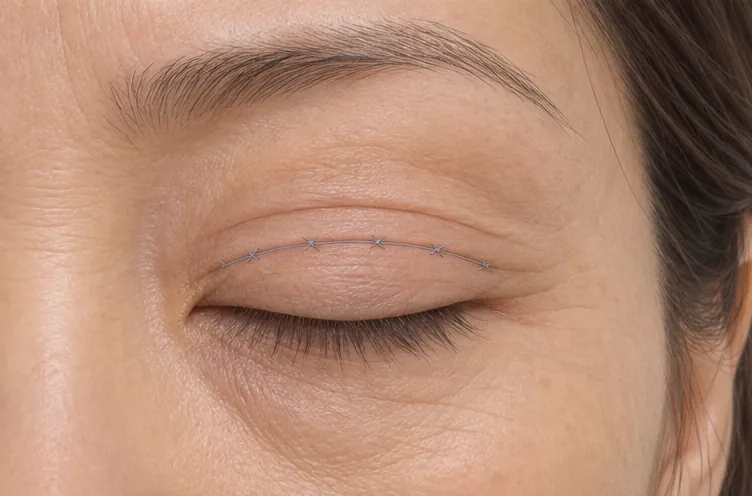
Secure the eyelid to form a single crease, then close the incision
Eyelids With Asymmetry or Bothersome Scars
 1
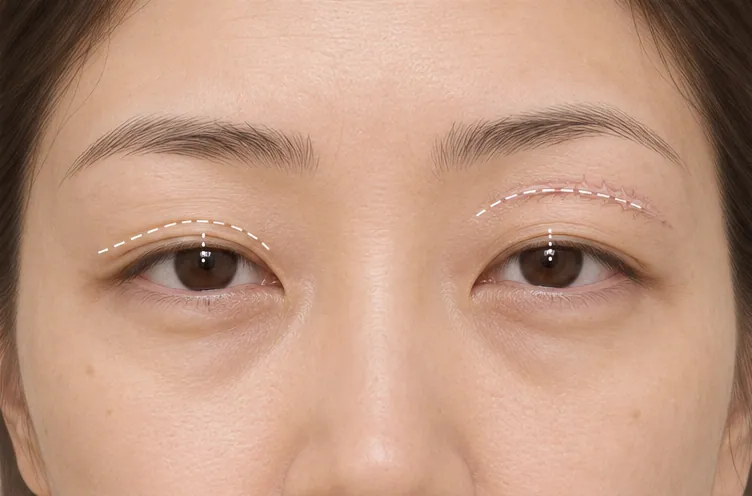
Measure how much of each iris is visible, crease height, and scar condition to determine the extent of correction
 2
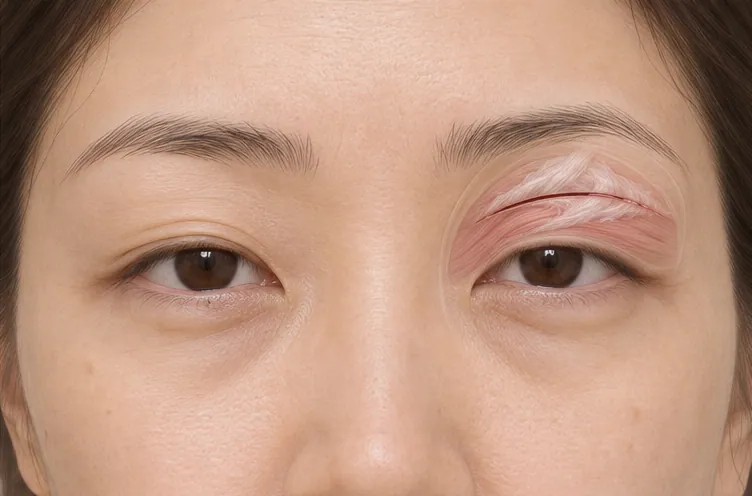
Make an incision along the existing scar and revise only as much as needed
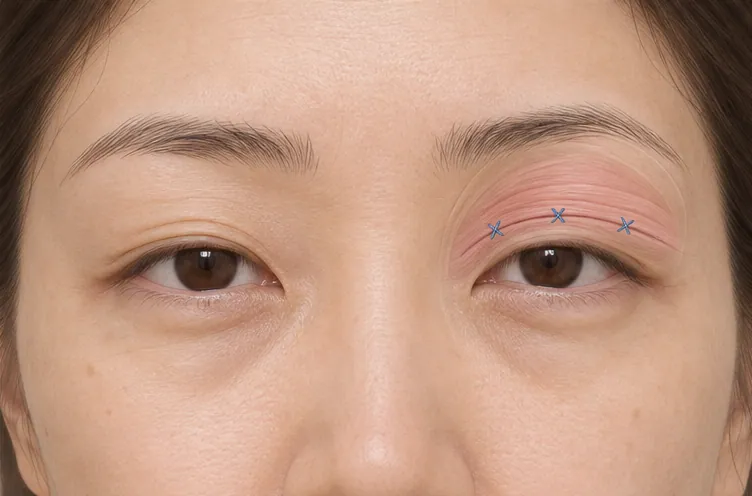 3
Adjust eyelid lifting function and crease height on each side, then secure the creases
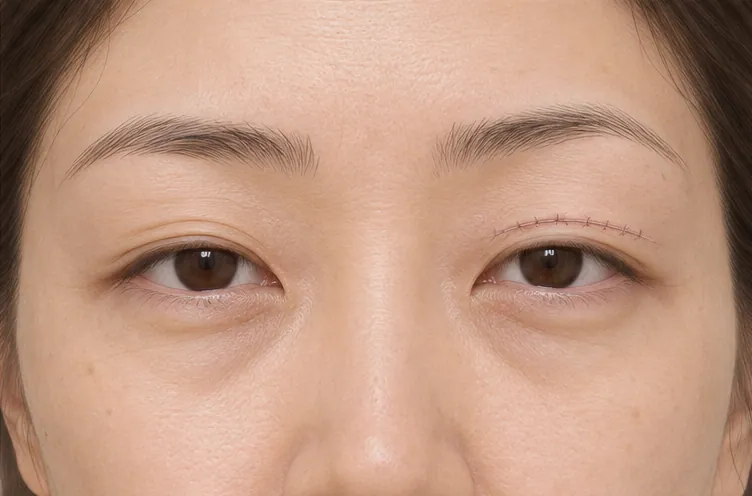 4
Close with fine sutures and add scar care according to the stage of recovery
Illustration for explanation · Not an actual patient. This is a simplified description of typical steps. The actual technique and extent of surgery are determined after examination.

When
to consider a consultation
- When the double eyelid crease has disappeared or faded
- When multiple creases form
- When crease heights or eye sizes have become uneven
- When scars and creases remain unnatural
- When opening the eyes has become uncomfortable after previous surgery
When
Surgery is not our first recommendation
- When you are still healing from your previous surgery
- When the burden of additional surgery outweighs the expected improvement
- When the desired changes are judged difficult to achieve safely
- When little skin remains and removing more would interfere with eye closure
Preparing for surgery and
recovery by stage
- 3–4 days after surgery
This is when swelling and bruising are at their worst. After revision surgery, swelling, bruising, and scars may take more than twice as long to settle as after the first surgery. Rest fully for at least 2 weeks, use cold and warm compresses, and sleep with your head elevated. While your eyes cannot close completely, use artificial tears frequently and apply eye ointment before bed.
- Days 5–7
If an incision was made, your stitches will be removed. Until then, keep water away from the surgical area. Start wearing eye makeup and contact lenses after your doctor approves, usually after 2–4 weeks. Follow your doctor's instructions for scar ointment, tape, and laser treatment.
- 3 weeks–3 months
During this period, the tissue may feel firm and tight. This is a response to healing, so do not decide on another revision based on its appearance at this stage. Avoid strenuous exercise, saunas, alcohol, and smoking for 2 months.
- 3 months–1 year
The tissues gradually soften, redness decreases, and the two sides become more even. The final result is assessed after 6 months to 1 year, with follow-up visits at 1, 3, and 6 months and at 1 year.

No smoking · No alcohol
You will receive these instructions before surgery. After revision surgery, avoid alcohol and smoking for 2 months, as they affect bleeding and wound healing.
Medications · Supplements
We recommend stopping herbal medicines and supplements such as omega-3 when possible because they may increase bleeding. Please tell us about every medication you take.
Medical history
Thyroid eye disease, glaucoma, severe dry eye, autoimmune disease, or anticoagulant use may be reasons to postpone or avoid surgery.
Eye care habits
Limit contact lens use as much as possible, use artificial tears frequently, and avoid rubbing your eyes. Tell us if you have used double eyelid tape or glue.
Recovery timelines are general estimates and vary by individual. Contact us immediately for sudden severe pain, decreased vision, bleeding that does not stop, or rapidly worsening swelling on one side.
Common questions
during consultations
Can I Have a Consultation Without Previous Surgical Records?
Yes. Photos showing your current condition are the most important reference, and records are helpful if available. Without records, we assess adhesions, available skin, and eyelid lifting function directly during an examination.
It has been two months since surgery, and my eyelids feel firm and look unusual.
Between 3 weeks and 3 months, tissues can become firm, lumpy, and tight. Your eyes may temporarily close less fully, or the creases may look unnatural. Rushing into another surgery during this period may cause further tissue damage. However, contact us immediately if one side suddenly becomes severely swollen or if you experience pain and vision changes.
Can everything be corrected in one surgery?
From the surgeon's perspective, addressing everything at once is preferable, but allowing for normal healing sometimes makes a staged approach better. After assessing adhesions and tissue condition, we explain how much can be addressed in one surgery.
Related Treatments
RESERVATION
You do not need to decide the day of your consultation.
Organize questions about this page without entering your name, contact information, or medical history. This does not submit an appointment request.