PLASTIC SURGERY
ONDA
ONDA Lifting
We assess how microwave energy interacts with skin and fat.
This may vary depending on your condition and the extent of surgery.
SHORT ANSWER
What do we check before ONDA treatment?
We assess how microwave energy interacts with skin and fat. During your consultation, we review the distribution of subcutaneous fat · skin elasticity and thickness · hollow or sensitive areas and previous treatments.
01 · START WITH YOUR CONCERN
Do any of these concerns
sound familiar?
What brings you in?
1
Epidermis · Skin Texture
2
Dermis · Firmness
3
Subcutaneous Fat
4
Fascial Layer (SMAS)
“The area under my chin or along my jawline looks heavy.”
“I'm concerned about both skin elasticity and fat.”
“I'm worried about hollowing.”
We assess how microwave energy interacts with skin and fat.
We do not choose a treatment for you based solely on the device name or shot count. We plan treatment areas by assessing skin and fat distribution and distinguishing hollowing from sagging.
PROCEDURE · STEP BY STEP
ONDA: Assessing the Relationship Between Skin and Fat
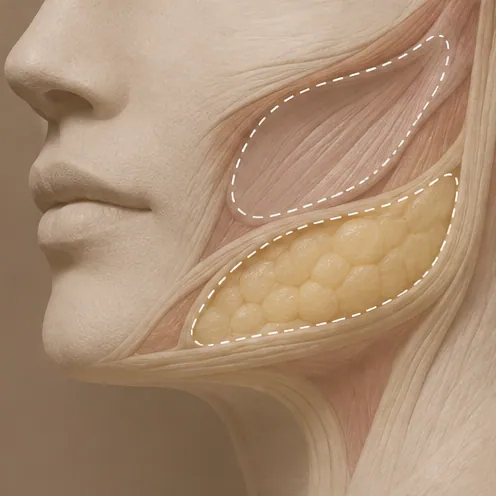
Because microwave energy acts on the subcutaneous fat layer, we first assess areas at risk of hollowing.
STEP 01
Fat · Elasticity
We assess fat along the jawline and under the chin, as well as skin elasticity and thickness.
STEP 02
Assessing Fat Distribution
We check where subcutaneous fat is present and how much there is.
STEP 03
Heating the Subcutaneous Fat Layer
Microwaves heat the subcutaneous fat layer while the surface is cooled.
STEP 04
Avoiding Areas Prone to Hollowing
We focus treatment on the fat layer and avoid areas that may become hollow.
ONDA Skin Tightening,
What Is This Treatment?
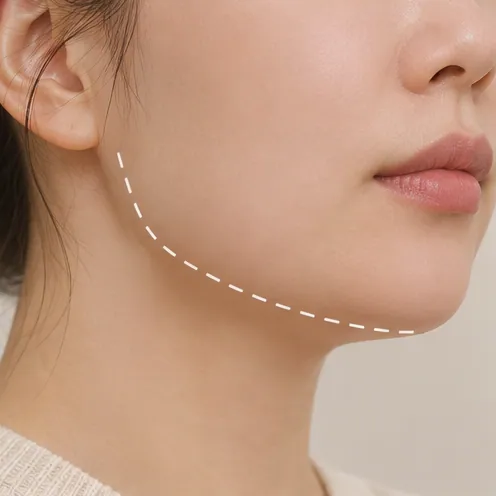
ONDA is classified as a microwave device. Like a microwave oven, it generates heat by moving molecules within tissue. It is described as delivering energy toward the fat layer beneath the skin while cooling the surface. We therefore consider it when assessing both a jawline that looks heavy due to fat and skin elasticity. Dr. Yim classifies ONDA, along with InMode, as a device for monthly maintenance and uses it cautiously on thin, hollow faces.
- Microwaves
- Microwaves are electromagnetic waves with a higher frequency than radiofrequency energy. They generate heat by moving water molecules within tissue, and ONDA is known to use the 2.45GHz band.
- kJ (Kilojoules)
- A unit that measures the total amount of energy delivered. Pricing options are divided into 10 · 20 · 30kJ per area and 60kJ.
- Fat Reduction
- This refers to a reduction in fat cells caused by heat. It is a treatment goal under the chin, but in hollow cheeks, it is an unwanted effect to avoid.
With ONDA Treatment
in Lower Blepharoplasty
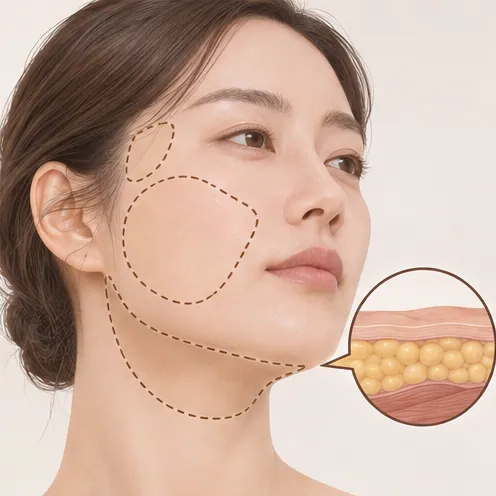
We first pinch the area to assess how much fat is present
Because ONDA delivers heat toward the fat layer, the amount of fat present is the starting point for assessment. We pinch along the jawline and under the chin to assess thickness, and also examine the cheeks and temples. We do not use the same energy in areas that lack volume. The treatment area must be determined before choosing the kJ option.
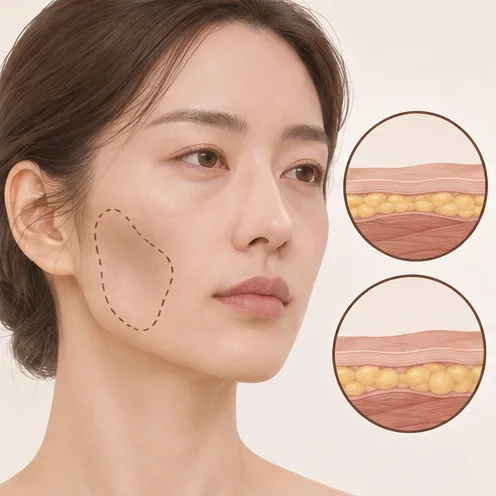
We use caution with repeated treatments on thin, hollow faces
Dr. Yim's guidance clearly emphasizes caution when repeating treatments intended to reduce fat on thin, hollow faces. Once fat is reduced, it does not return on its own, and hollow cheeks can make the face look older. Even with monthly maintenance, we reassess the treatment area based on progress.

We continue with gentle treatments spaced monthly
Dr. Yim's approach combines yearly Ultherapy and Thermage treatments with monthly InMode and ONDA maintenance. The focus is on spacing out treatments according to the condition of the face rather than expecting a major change in one session. He also recommends it as routine maintenance to help delay sagging after surgery. Treatment intervals and areas vary depending on progress.
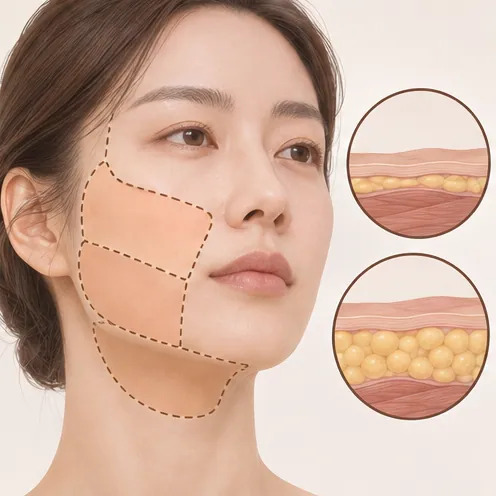
We adjust energy according to the area's size and thickness
The 10 · 20 · 30kJ pricing options are for individual areas, while 60kJ is an option for a broader area. A larger number does not mean a better treatment plan. Even for areas of the same size, we reduce energy where there is less fat. The handpiece and energy settings are selected individually, and we explain the reasons before treatment.
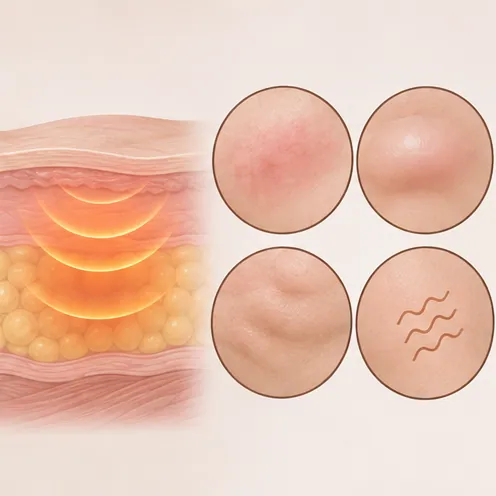
We explain heat-related risks in advance
Because this device uses heat, pain, swelling, burns, changes in sensation, and contour irregularities may occur. Uneven fat reduction can make the surface look bumpy, so we keep the handpiece moving to prevent energy from concentrating in one spot. If you develop blisters or worsening pain, contact us without waiting for your scheduled appointment.
Illustration for reference · Not an actual patient
The Surgical Process Varies
The treatment process varies
When fat under the chin makes the jawline look less defined
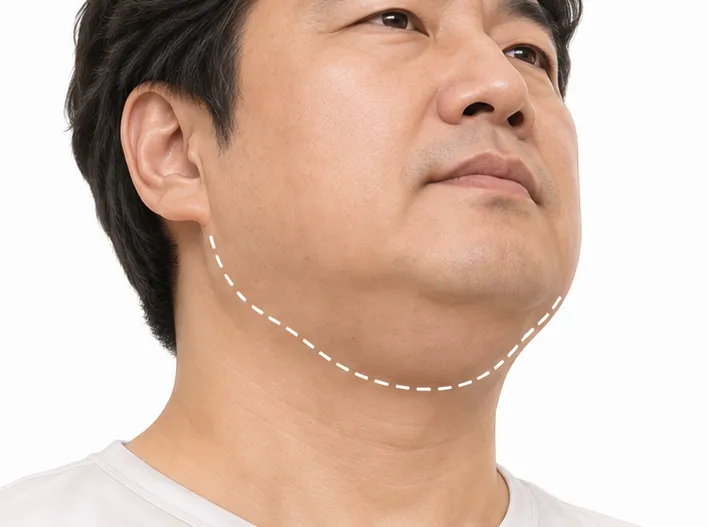 1
We manually assess the thickness of fat under the chin and skin elasticity
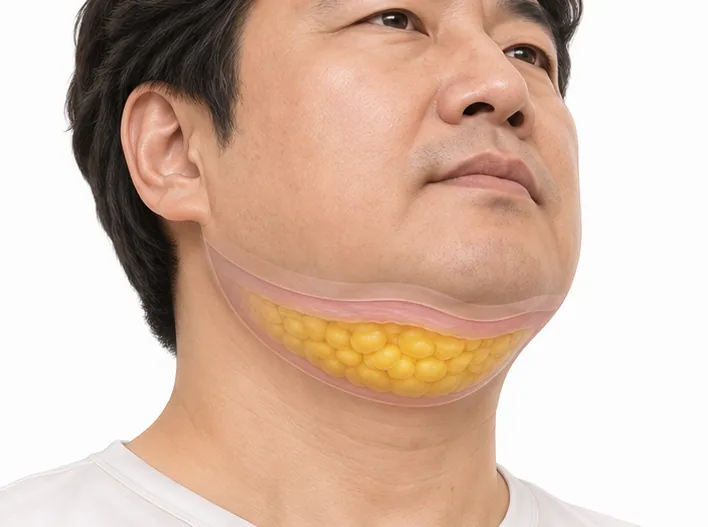 2
We mark the treatment area and apply numbing cream if needed
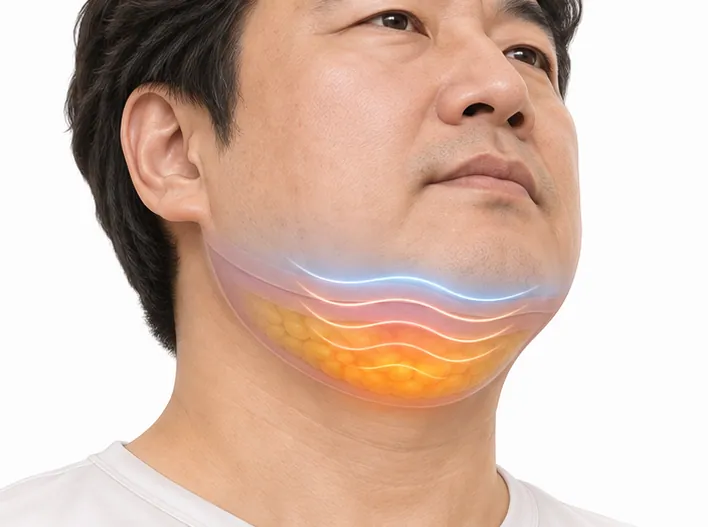 3
We distribute microwave energy toward the fat layer while cooling the surface
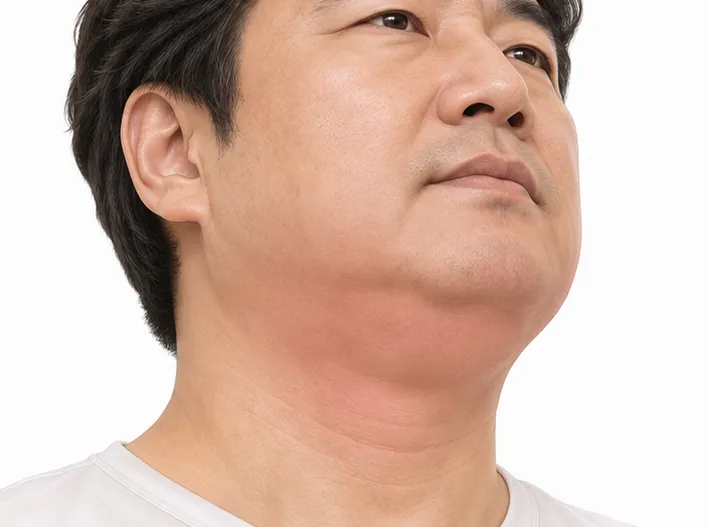 4
We check for redness and swelling and determine the interval before the next treatment
When the cheeks are hollow but the jawline looks heavy
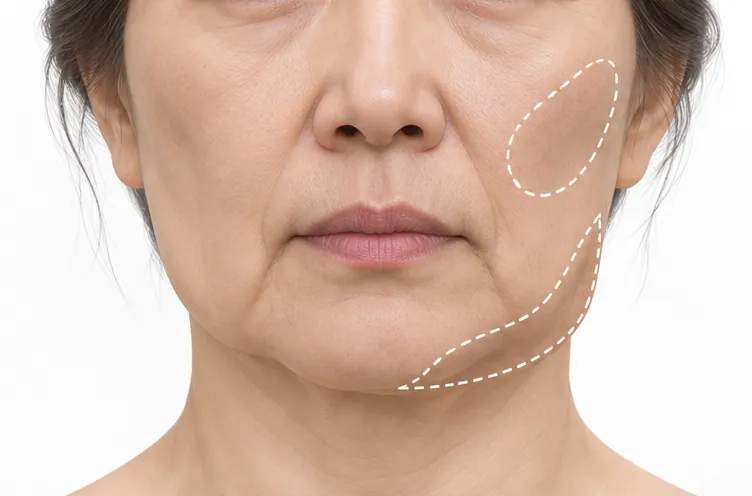 1
We mark the hollow cheeks separately from the heavy jawline
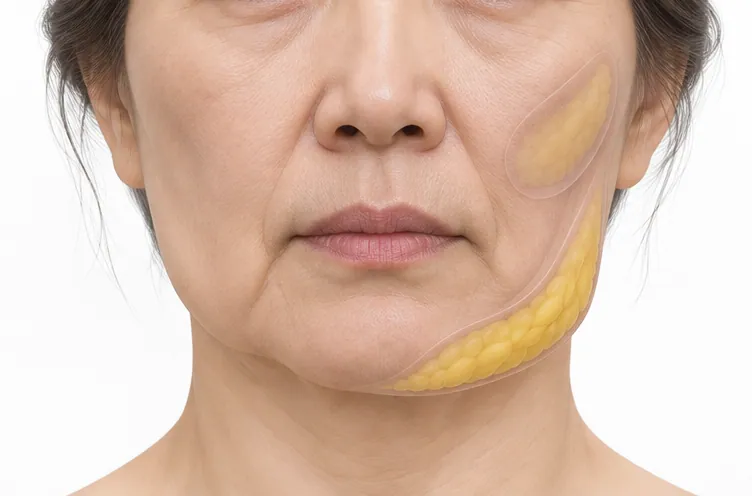 2
We exclude the cheeks and temples from the treatment area
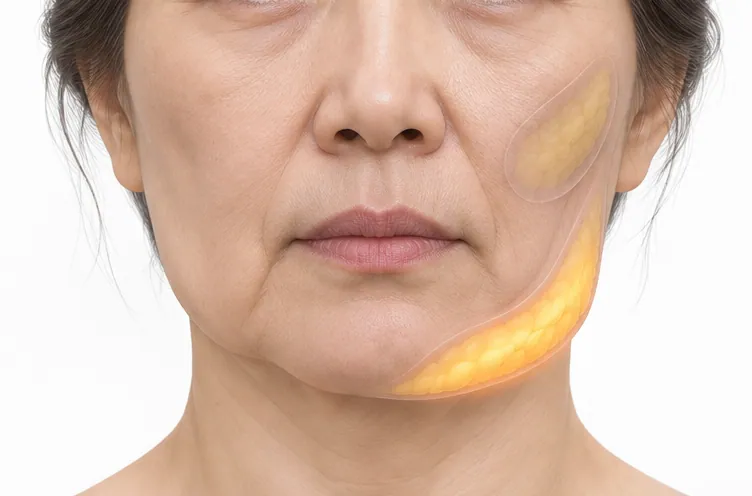 3
We apply low energy only along the jawline and monitor progress
When considering maintenance after surgery
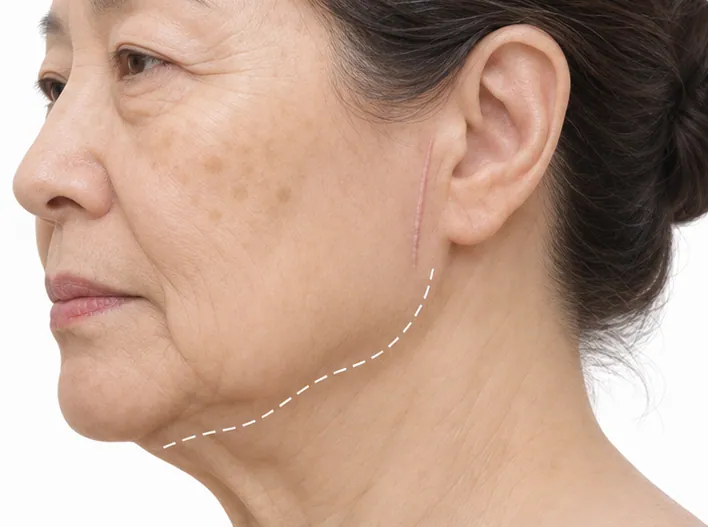 1
We first examine the surgical area and assess whether the tissue has stabilized
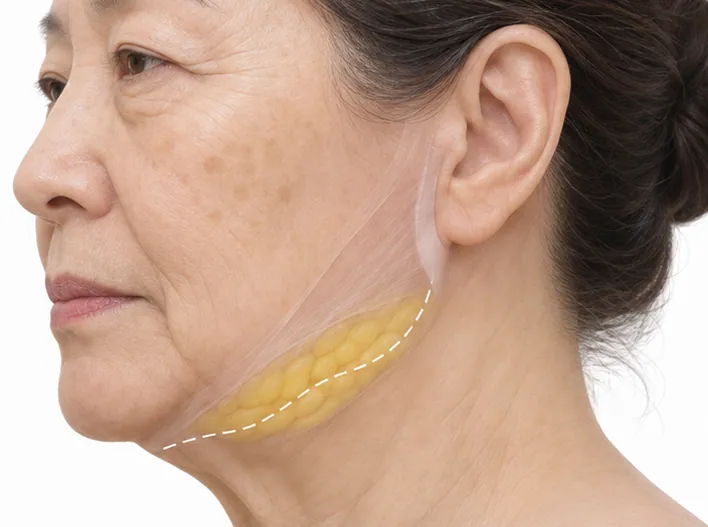 2
We exclude areas with remaining adhesions or reduced sensation
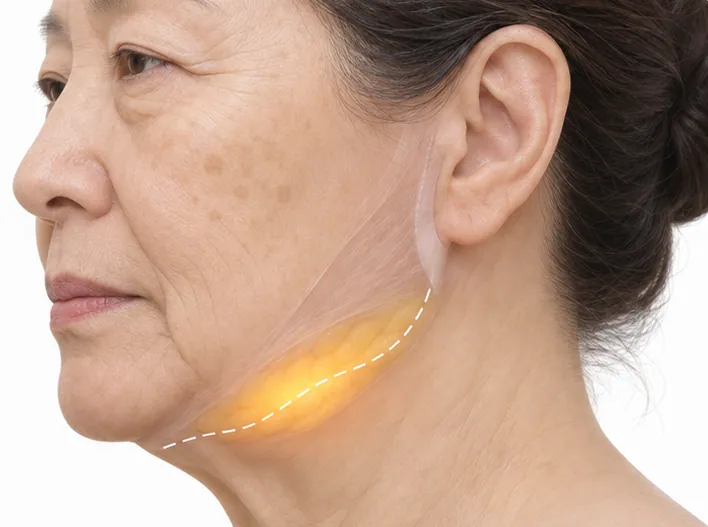 3
We start with low energy and assess the response
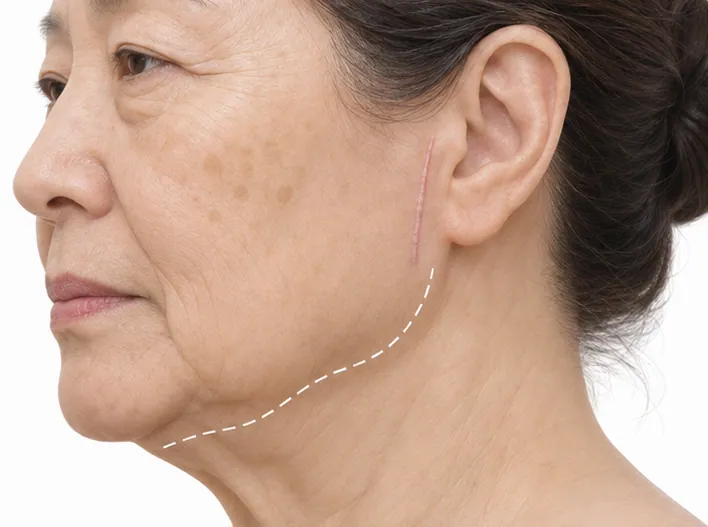 4
We schedule treatments monthly or farther apart, depending on the condition of the face
Illustration for explanation · Not an actual patient. This is a simplified description of typical steps. The actual technique and extent of surgery are determined after examination.
02 · WHAT WE LOOK AT
Even when concerns look similar,
the factors to assess differ.
Subcutaneous Fat Distribution
We do not choose a treatment for you based solely on the device name or shot count.
Skin Elasticity and Thickness
We plan treatment areas by assessing skin and fat distribution and distinguishing hollowing from sagging.
Hollow or Sensitive Areas and Previous Treatments
During your consultation, we must review implanted medical devices, medications, the possibility of pregnancy, and recent procedures.
03 · DOCTOR'S DECISION
When choosing an approach, Dr. Hyungwoo Yim
looks at three things first.
Assessing suitability for the area and treatment goal
Using your medical history and examination findings, we distinguish your current condition from your desired changes. At this stage, we identify the necessary conditions before choosing a treatment.
Individual handpiece and energy settings
When comparing available methods, we explain the expected changes, the burden on the tissues, recovery, and potential remaining problems.
Explaining which areas to avoid to prevent excessive volume loss
We give you time to understand the explanation and ask questions. We may not recommend immediate treatment if its burden is greater or if you cannot allow enough time for recovery.
VITAL Plastic Surgery's principle is to recommend necessary treatment at the appropriate time. Having a consultation does not mean you need to decide on a procedure or surgery that day.

When
to consider a consultation
- When fat makes the jawline and area under the chin look heavy
- When both skin elasticity and fat are concerns
- When you want ongoing monthly care without incisions
- When discussing routine maintenance to help delay sagging after a surgical lift
When
Surgery is not our first recommendation
- When your cheeks and temples are already thin and hollow
- When a pacemaker or metal implant is present in the treatment area
- When sagging is caused more by underlying structure than by fat
- When repeated dieting has caused substantial changes in facial volume
04 · LIMITS & RISKS
Along with possible improvements,
we explain the limitations and risks.
Your desired changes — First, tell us what bothers you most and which aspects of your appearance you want to keep. We do not promise changes identical to photos or someone else's results.
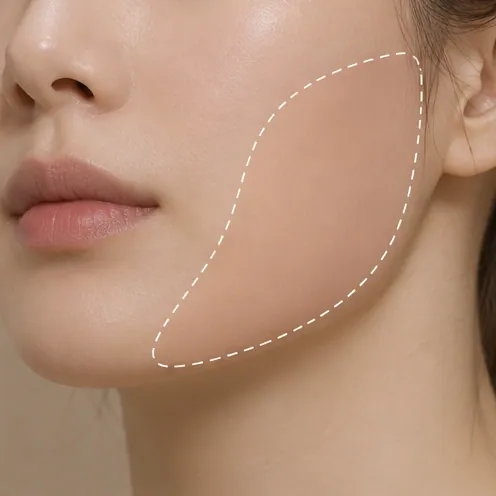
Pain
Swelling
Burns
Changes in Sensation
Contour Irregularities
Previous Treatments
Do not wait if you have these symptoms
If you experience skin changes resembling blisters or burns, progressively worsening pain or swelling, or signs of possible infection such as pus, contact us immediately rather than waiting for your appointment.
Conditions to address first — We first assess your health, inflammation and stage of recovery, and the range of feasible treatments. If needed, testing, observation, or other medical care may take priority.
Risks and limitations to review during consultation — pain, swelling, burns, changes in sensation, contour irregularities, and fat reduction. This is not a complete list of possible risks. Risks may vary depending on your health, previous treatments, and the treatment method and area. We explain them in detail during the examination and consent process.
Pre-treatment assessment and
Care by Recovery Stage
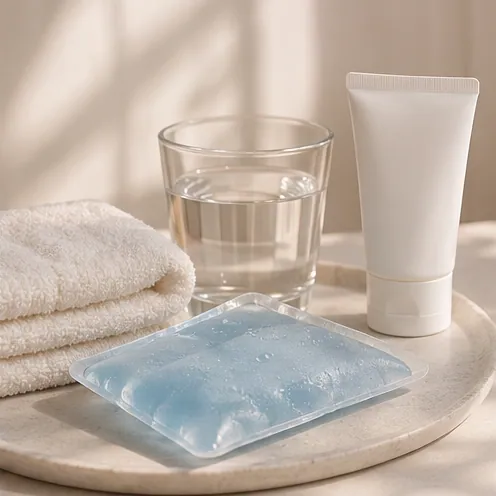 Treatment Day
Temporary redness and warmth may occur. Begin moisturizing and using sun protection.
 Around 1 Week
Swelling and temporary discomfort subside during this period. Avoid vigorous massage and devices used around the eyes, as they may cause irritation.
 Several Months
When changes appear varies with the device and skin condition.
 Next Treatment
We use once a year as a general guideline for Ultherapy and Thermage, and monthly for InMode and ONDA. We adjust based on your condition.

Medications
Please tell us about any medications and dietary supplements you take. We assess the risk of bruising and bleeding.
Previous Procedure History
Tell us about fillers, threads, fat-reduction treatments, and recent laser treatments.
Skin Condition
For thin, hollow faces, we assess carefully first to avoid repeated fat-reduction treatments.
Recovery timelines are general estimates and vary by individual. Contact us immediately for sudden severe pain, decreased vision, bleeding that does not stop, or rapidly worsening swelling on one side.
05 · FOLLOW THE CHANGE
We also document
and monitor changes after treatment.
01
STEP 01
Documenting your condition before treatment
We review previous treatments, your current condition, and the changes you hope to see.
02
STEP 02
Check Early Reactions · Wound Healing
We explain treatment-specific precautions and symptoms that require contacting us.
03
STEP 03
Comparison of skin texture · firmness changes
We compare photos taken under the same conditions along with your skin condition.
04
STEP 04
Assessing additional care
We explain additional treatment based on your condition rather than recommending the same treatment to everyone.
This is a general overview, not an actual patient case. Specific follow-up schedules vary by treatment method and recovery. If you experience skin changes such as blisters or burns, worsening pain, or signs of possible infection, contact a medical facility immediately rather than waiting for your appointment.
Common questions
during consultations
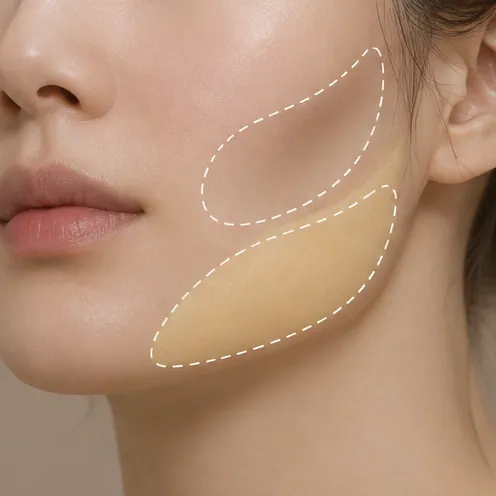
Could ONDA make my face look hollow?
That is why we first distinguish hollow areas from areas with more fat. We avoid areas prone to hollowing or lower the energy, then reassess the treatment area the following month based on the condition of your face. We do not say there is no risk; we explain the possibility of fat reduction in advance.
If I lose weight, will I no longer need ONDA?
Repeated large weight changes affect the skin and facial contours, and rapid weight loss can make volume changes more noticeable. It is best to focus on weight stability and nutrition first, then discuss any areas of concern that remain.
Is a higher kJ setting better?
kJ measures the total energy delivered, not the extent of the results. It should match the treatment area and fat thickness. Using high energy where there is little fat places more stress on the area. We determine the area first, then choose the energy option.
BEFORE YOU DECIDE
Before you decide,
frequently asked questions
Questions to review together before deciding.
Based on questionnaire responses from Dr. Hyungwoo Yim · Last updated October 2026 Specific methods and their scope are discussed individually after an examination.
Q
Do you use the same intensity for people with hollow cheeks?
−
A
We must first assess fat distribution and hollowing. We do not apply the same energy or treatment area to everyone.
Q
Are the cost, number of treatments, and recovery period fixed?
+
Q
Can a treatment plan be finalized through a photo consultation alone?
+
DOCTOR'S COLUMN DOCTOR'S COLUMN DOCTOR'S COLUMN
Must Read
Care Notes Written by the Doctor · Please Read Before Your First Visit
No.1
No.3
VIEW MORE →
RESERVATION
You do not need to decide the day of your consultation.
Organize questions about this page without entering your name, contact information, or medical history. This does not submit an appointment request.