Skin and Treatment Area
We check which areas you want treated, along with your skin thickness and sensitivity.
We do not choose a treatment based on the device name alone. We review your skin condition, previous treatments, and treatment areas before discussing whether XERF is appropriate.
LUTRONIC · XERF™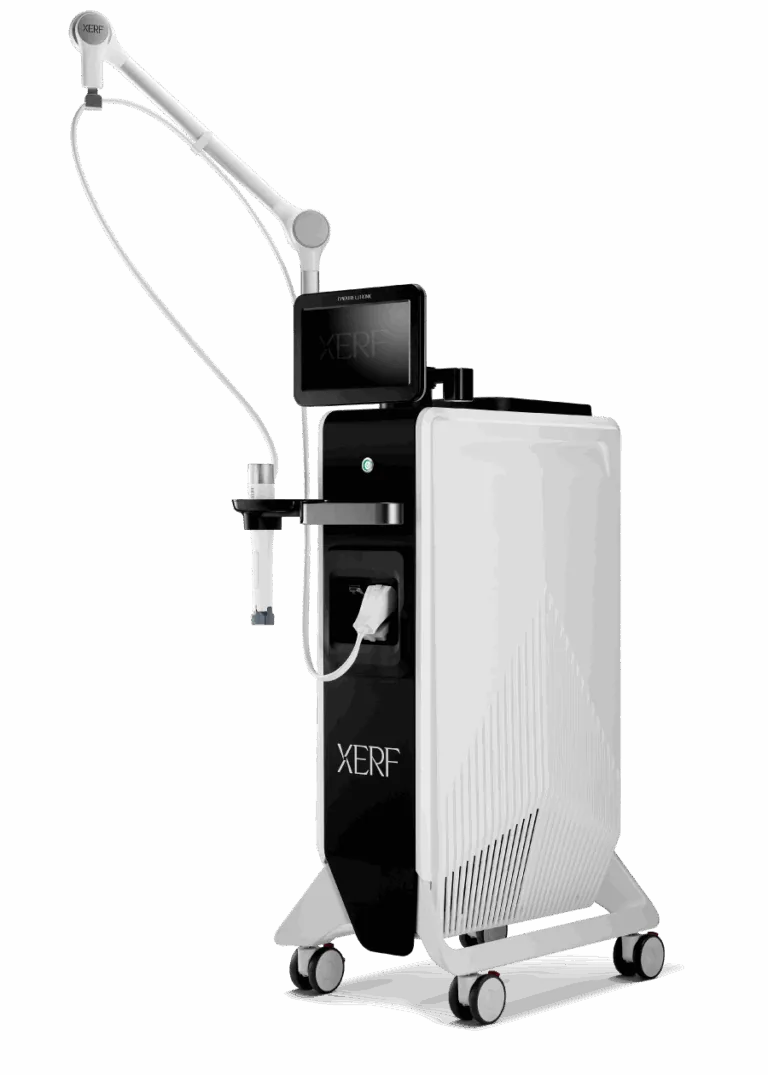 XERF device · Product image
This may vary depending on your condition and the extent of surgery.
XERF is a device that uses monopolar radiofrequency (RF) at two frequencies: 6.78 MHz and 2 MHz. The manufacturer explains that energy depth and settings can be adjusted according to skin condition and treatment area. The actual treatment scope and suitability are determined through an examination.
We check which areas you want treated, along with your skin thickness and sensitivity.
During your consultation, tell us about recent energy-based treatments and your recovery, existing medical conditions, implanted devices, and medications you take.
We assess whether RF treatment can address the changes you want or whether another evaluation is needed first.
The following is general guidance to help you prepare for a consultation and does not guarantee specific results.
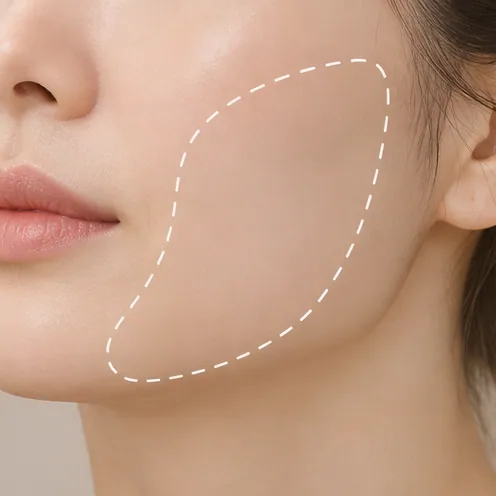
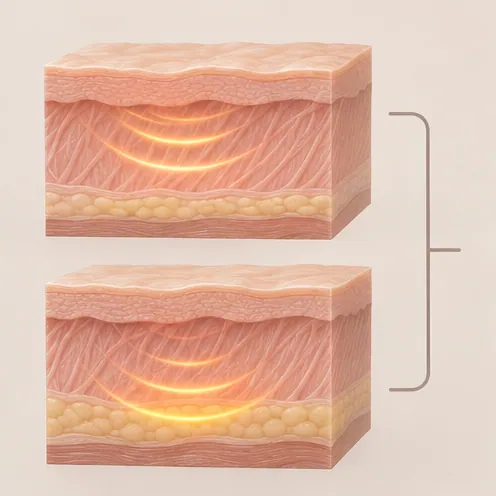
XERF is a device that uses monopolar radiofrequency at two frequencies: 6.78 MHz and 2 MHz. The manufacturer explains that energy depth and settings can be adjusted according to skin condition and treatment area. In general, lower RF frequencies tend to reach deeper, so this design can be understood as using two frequencies separately. The actual treatment scope and suitability are determined after an examination that considers skin thickness and previous treatments.
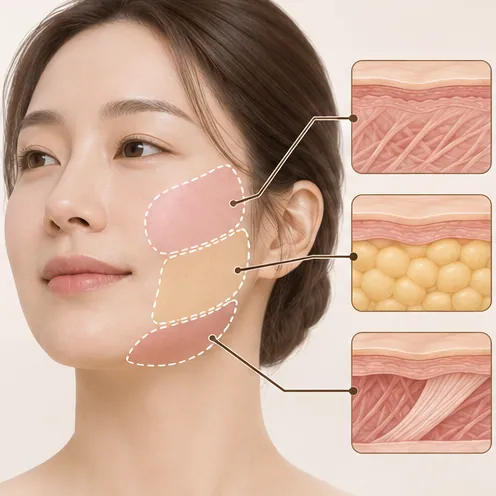
The doctor's criteria are the same for every device. We distinguish structural sagging, skin quality, and fat-related concerns before selecting the appropriate device. As an RF device, XERF is considered when assessing the dermis and skin firmness. If fat or sagging structures are the main concern, we explain other approaches first.
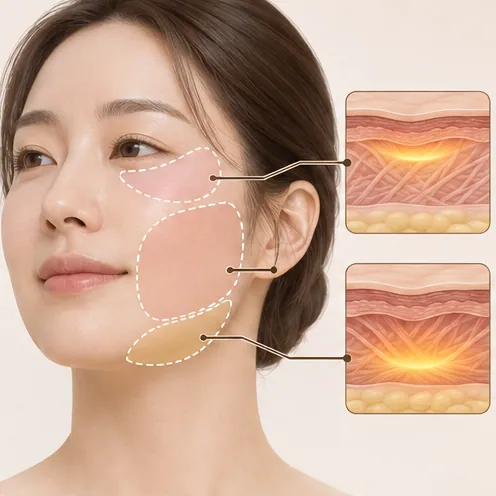
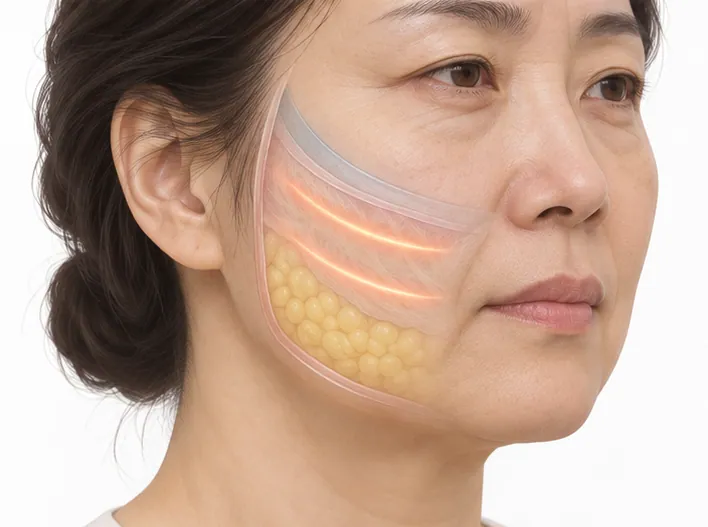
Skin thickness and underlying tissue differ around the eyes, cheeks, and jawline. Some areas may be suited to more superficial heating, while others may be suited to slightly deeper heating, so settings can be adjusted by area. During your consultation, we review why the areas are divided this way, along with the settings used.
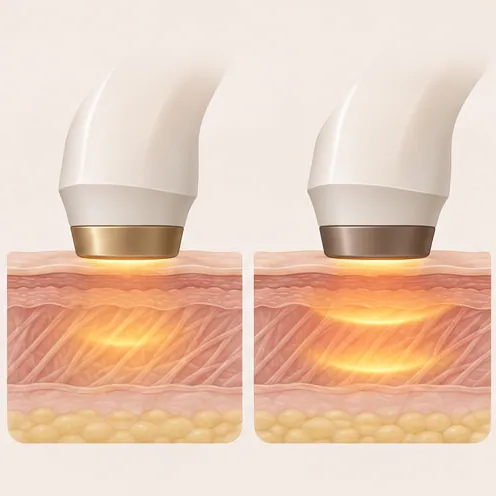
Both are monopolar RF devices that work by heating the dermis. XERF's use of two frequencies is described as a distinguishing feature. Rather than assuming one device is better, we choose based on skin condition, sensitivity, and responses to previous treatments. We also consider whether using both devices within the same treatment cycle is necessary.

If you recently received heat-based treatment with another device, we first need to assess your skin's recovery. Letting us know when you had Ultherapy, Thermage, InMode, or ONDA helps us determine treatment intervals. We also check for implanted medical devices, medications you take, and the possibility of pregnancy.

XERF treatment intervals vary from person to person. The listed treatment includes 600 shots, but how they are distributed varies with face size, treatment area, and skin response. Sun protection is most important after treatment. Contact us immediately if you notice unusual changes such as blisters or severe pain.
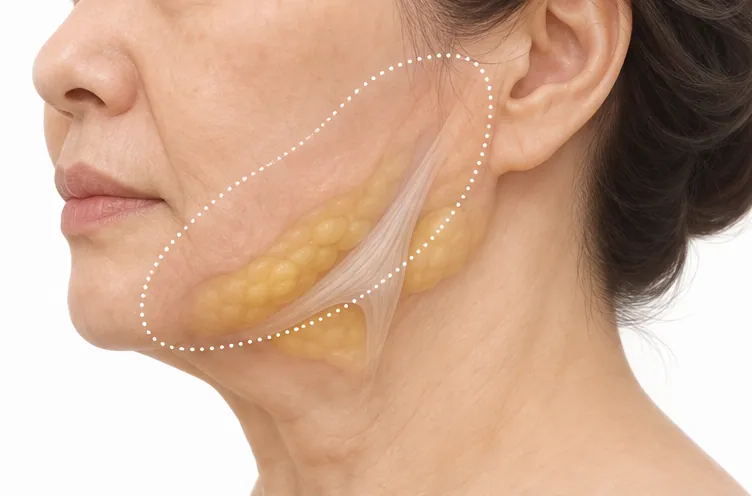
Illustration for reference · Not an actual patient
 1
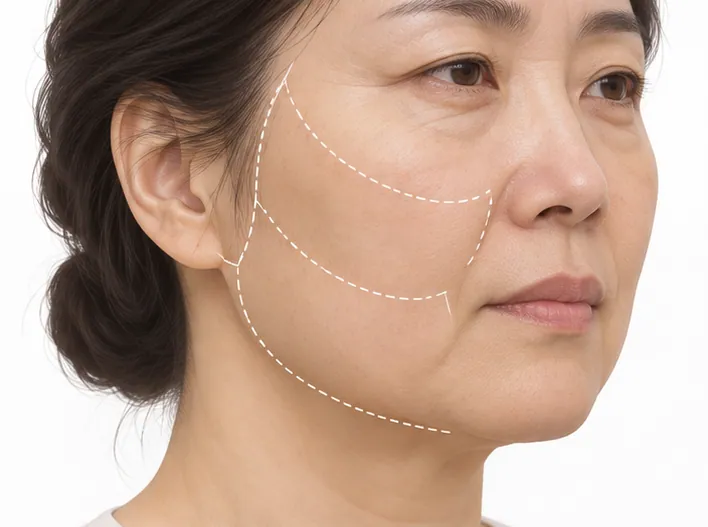
We review skin thickness, sensitivity, and previous treatments
 2
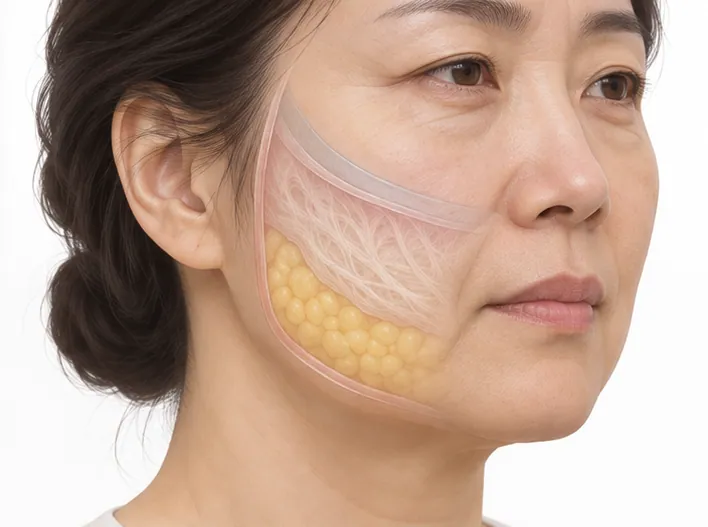
We apply numbing cream and mark the treatment boundaries for each area
 3
We adjust the two frequency settings by area to heat the dermis
 4
We check for redness and swelling and provide sun protection guidance
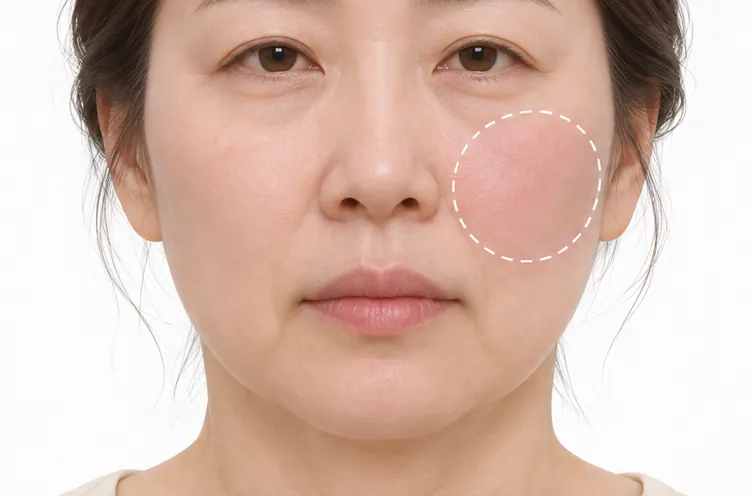 1
We review the type and timing of recent energy-based treatments
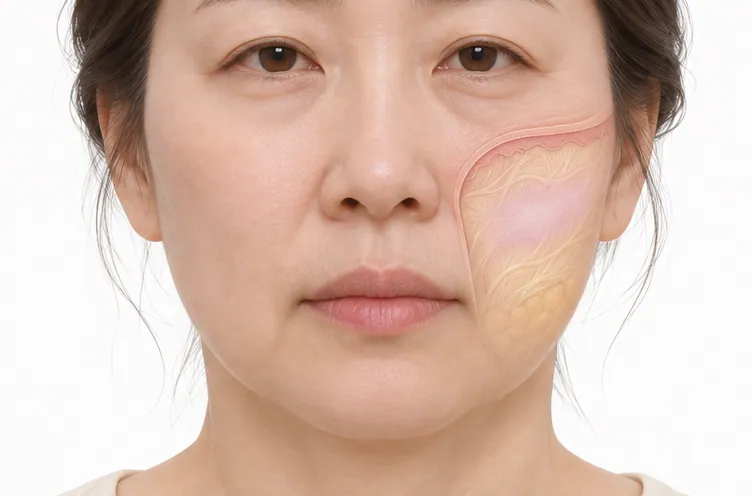 2
We adjust treatment timing based on your skin's recovery
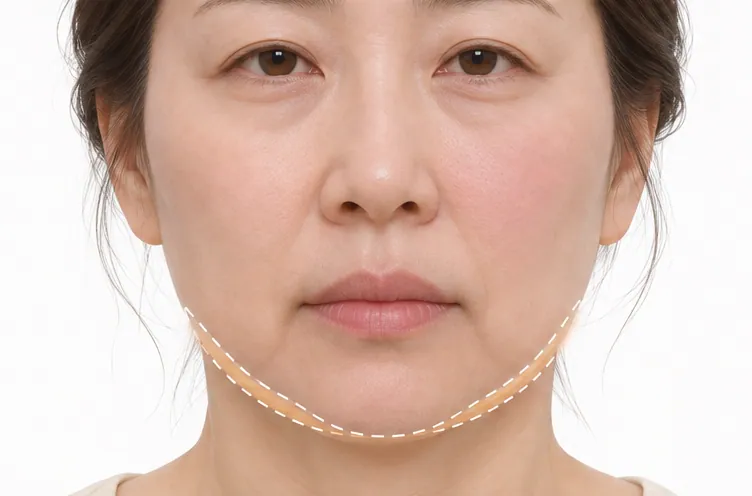 3
We avoid sensitive areas and use lower settings to heat the dermis only along the jawline
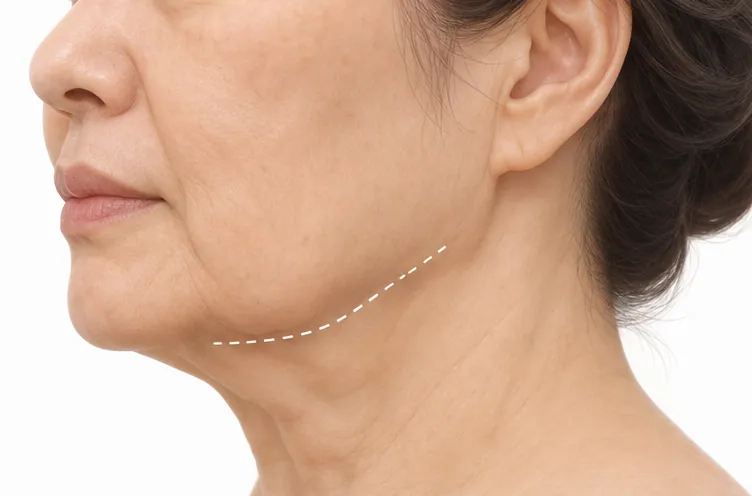 1
We examine fat along the jawline and cheeks and assess the direction of sagging
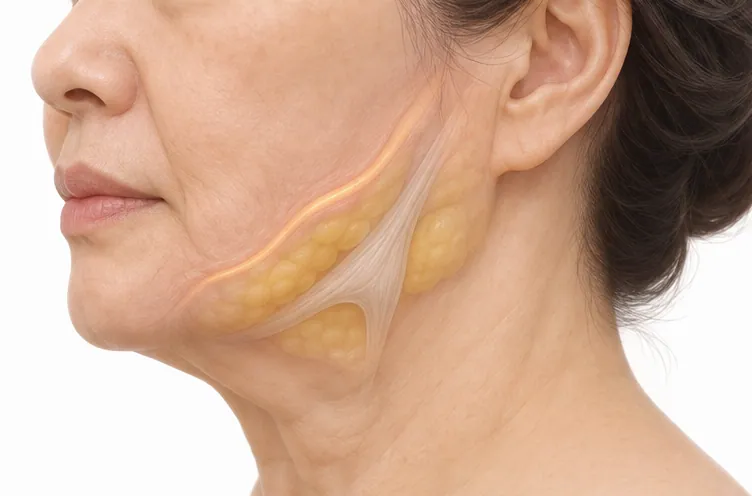
 2
We mark only the skin areas that RF treatment can address
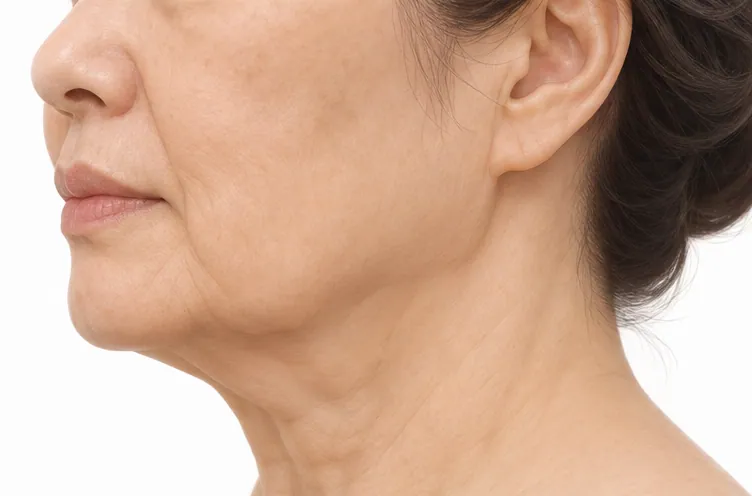
 3
We apply numbing cream and evenly heat the dermis in the marked areas
 4
We explain other approaches for sagging structures separately, including a surgical consultation
Illustration for explanation · Not an actual patient. This is a simplified description of typical steps. The actual technique and extent of surgery are determined after examination.

 Treatment Day
Temporary redness and warmth may occur. Begin moisturizing and using sun protection.
 Around 1 Week
Swelling and temporary discomfort subside during this period. Avoid vigorous massage and devices used around the eyes, as they may cause irritation.
 Several Months
When changes appear varies with the device and skin condition.
 Next Treatment
We use once a year as a general guideline for Ultherapy and Thermage, and monthly for InMode and ONDA. We adjust based on your condition.
Please tell us about any medications and dietary supplements you take. We assess the risk of bruising and bleeding.
Tell us about fillers, threads, fat-reduction treatments, and recent laser treatments.
For thin, hollow faces, we assess carefully first to avoid repeated fat-reduction treatments.
Recovery timelines are general estimates and vary by individual. Contact us immediately for sudden severe pain, decreased vision, bleeding that does not stop, or rapidly worsening swelling on one side.
Because both are RF treatments, we first consider whether both are necessary. It is easier to explain a plan that uses one device suited to your skin condition and adds a different type of treatment when another tissue layer needs to be addressed. Intervals are determined after an examination and assessment of your skin's response.
Shot count is related to treatment area, so the number alone cannot predict results. Even with the same shot count, the amount of energy delivered varies with face size and settings. You can decide after hearing how the shots will be distributed across each area.
After surgery or laser treatment, we determine timing according to the treatment area and depth once wounds, inflammation, and sensation have stabilized. Tell us the extent and timing of your previous surgery so we can reduce or divide the treatment area accordingly.
The product's English name, frequencies, and basic mechanism were referenced from the manufacturer's official Korean XERF page. The device image is a product photo. It does not show a patient or treatment results.