PLASTIC SURGERY
All Treatments / Surgery
Revision Ptosis Surgery
We remeasure eyelid height and first check how well the eyes close.
This may vary depending on your condition and the extent of surgery.
Revision Ptosis Surgery,
What does the surgery involve?
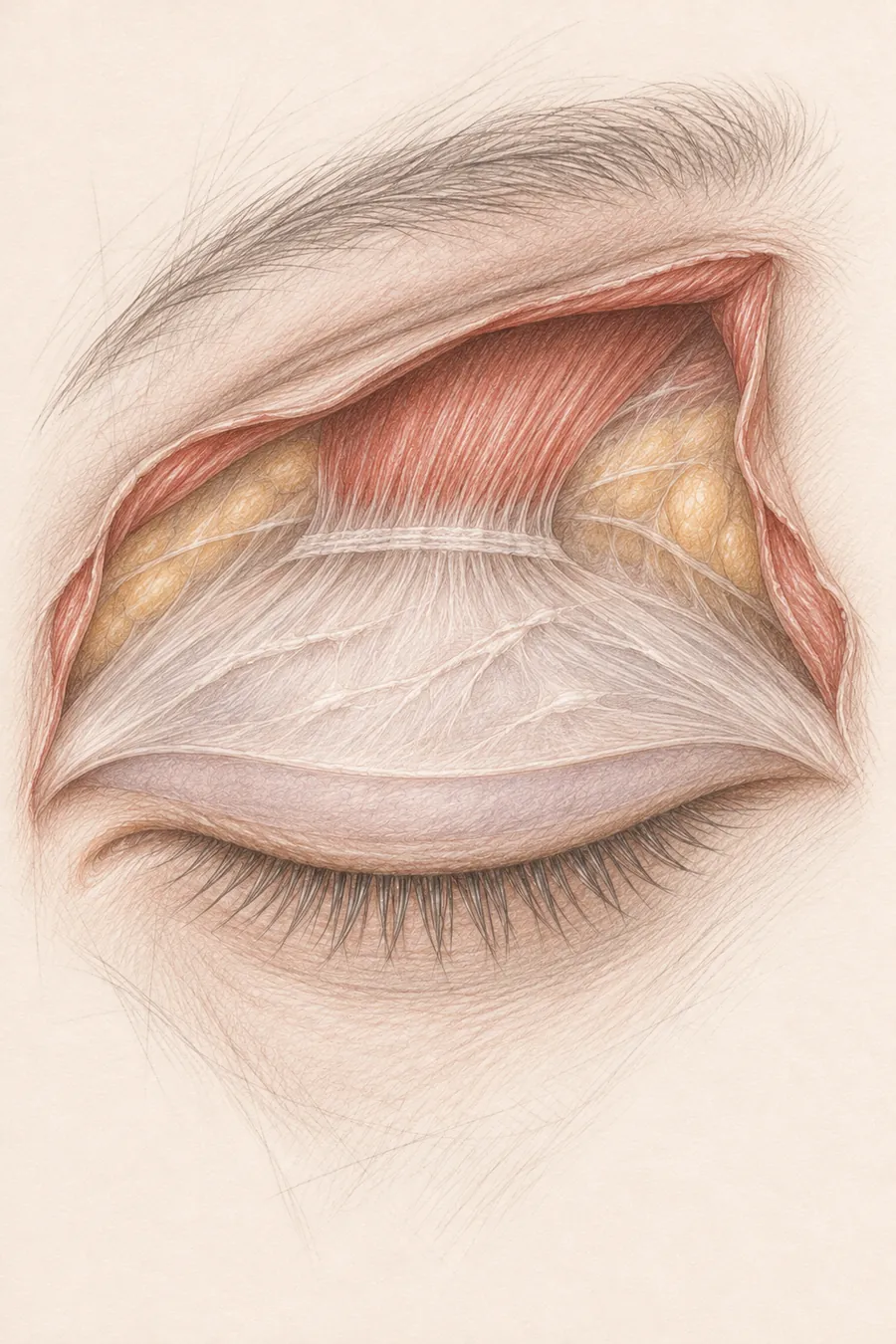
Revision ptosis surgery reevaluates and corrects eyelids that did not rise enough after previous ptosis surgery, drooped again, were raised too high and do not close fully, or developed uneven heights. The eyelid-lifting muscle and its aponeurosis have already been operated on, so adhesions are present, and less tissue may be available to work with. We therefore assess not only how much to raise the eyelids, but also eyelid closure, corneal condition, hollowing, and scarring, and first explain what correction is possible.
- Overcorrection
- The eyelid sits higher than needed, creating a startled appearance or preventing the eye from closing fully.
- Undercorrection
- The eyelid did not rise enough or drooped again over time.
- Lagophthalmos
- A condition in which the eyes do not close fully. Exposure of the cornea can cause stinging and pain.
- Adhesions
- Tissues that have stuck together after previous surgery. If they obstruct the muscle's movement, the force used to open the eye is not effectively transmitted to the eyelid.
In Revision Ptosis Surgery,
in Lower Blepharoplasty
We Measure Whether the Eyelids Are Too Low or Too High
When you are unhappy with how open your eyes look, the causes can be completely opposite. We use MRD1 to measure how much of the eye is exposed and also check the gap when the eyes are closed. If the eyelid is too low, we consider raising it by reattaching the aponeurosis. If it is too high, we consider releasing the attachment to lower it. Judging appearance without taking measurements can lead to the wrong approach.
We First Check How Well the Eyes Close
When revising eyelid height, our first priority is eyelid closure. If the eyes do not close fully, the cornea can become exposed, causing stinging, redness, and worsening dryness. If eyelid position causes corneal exposure or ongoing pain and functional problems, we evaluate it early rather than waiting. Even if you want further cosmetic changes, this condition must be addressed first.
We Check Whether Adhesions Restrict Movement
Adhesions from previous surgery can obstruct the path along which the eyelid-lifting muscle glides. In this case, simply reattaching the tissue will not transmit the muscle's force to the eyelid. Revision surgery requires an accurate assessment of scar tissue and changes to internal structures caused by the previous surgery, followed by releasing adhesions to identify the muscle and aponeurosis again. This can increase the extent of surgery and swelling.
We Distinguish New Asymmetry From Preexisting Differences
Not all differences between the eyes are caused by surgery. We distinguish preexisting differences in bone structure and eyelid-opening function from changes that developed after surgery to determine the scope of correction. If one eye opens less, you may raise the eyebrow on that side, making the eyelid creases look different in size as well. We therefore measure both eyes, including the side that concerns you, to determine which side to correct and by how much.
If Hollowing Is Present, We Also Consider Adding Volume
The area above the eyes may become hollow following correction of eyelid-opening function and excessive tissue removal. In a group of 384 patients treated for hollow upper eyelids, 33.9% were revision cases, indicating that hollowing after previous surgery is not uncommon. In these cases, we consider adhesion release and tissue supplementation, such as fat repositioning or fat grafting, along with eyelid height correction. The combination needed depends on what is lacking in each tissue layer.
Timing Depends on Symptoms
From 3 weeks to 3 months after surgery, tissues become firm, and the eyes may temporarily close less fully or look pulled. Correcting too soon during this period can cause further tissue damage, so cosmetic revision is usually considered after 6 months to a year or longer. However, not every case should wait until the scars mature. Corneal exposure, pain, and vision problems require immediate evaluation.
A Word from the Doctor
Dr. Hyungwoo Yim’s own words from his blog and interviews.
01When deciding the order of surgery
“A good plastic surgeon is not someone who operates quickly, but someone who knows when to wait.”
If ptosis is corrected before the ectropion, your eyes may open well but feel more uncomfortable. Following the right order is also part of surgery.
Dr. Hyungwoo Yim, Medical Director
The Surgical Process Varies
Depending on Your Condition
When the Eyelids Did Not Rise Enough or Have Drooped Again
 1
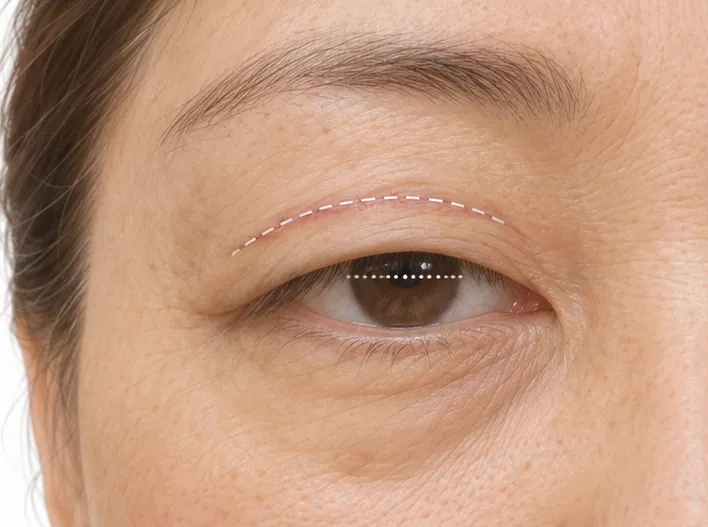
We remeasure MRD1 and eyelid closure to determine how much to raise the eyelids
 2
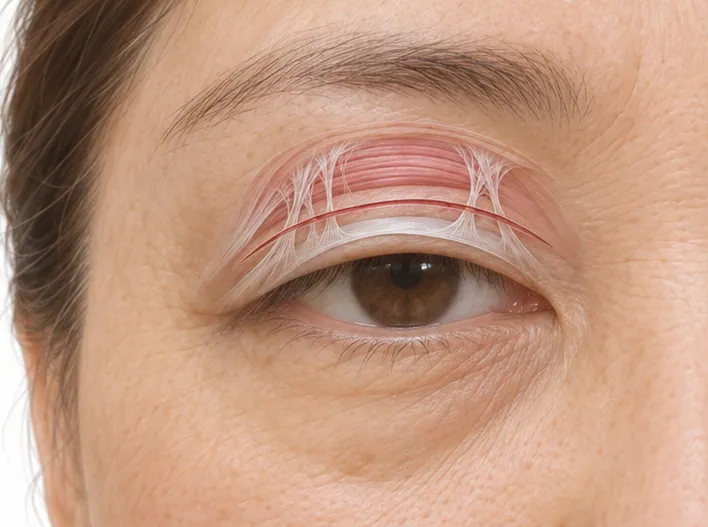
We enter through the previous incision, release adhesions, and identify the aponeurosis
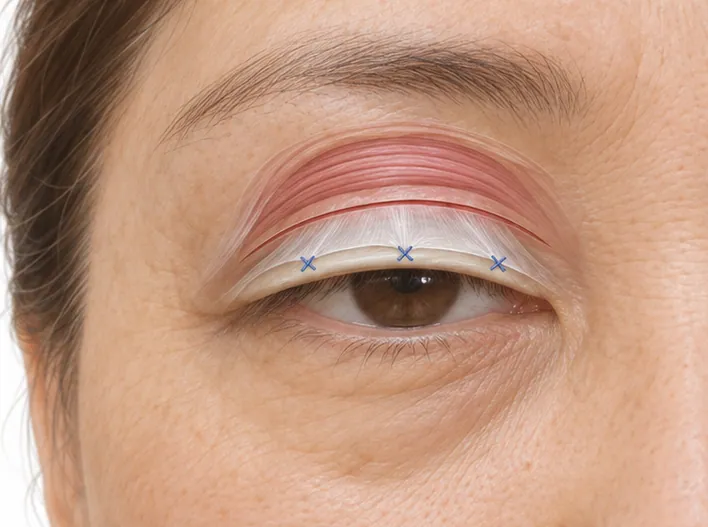 3
We reattach the aponeurosis to the tarsal plate inside the eyelid to raise its height
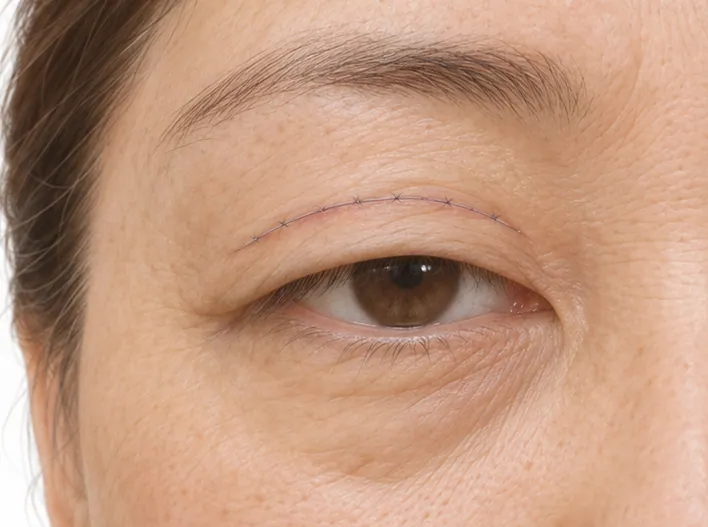 4
We check eyelid height and symmetry, then close with fine sutures
When the Eyelids Are Too High and the Eyes Do Not Close Fully
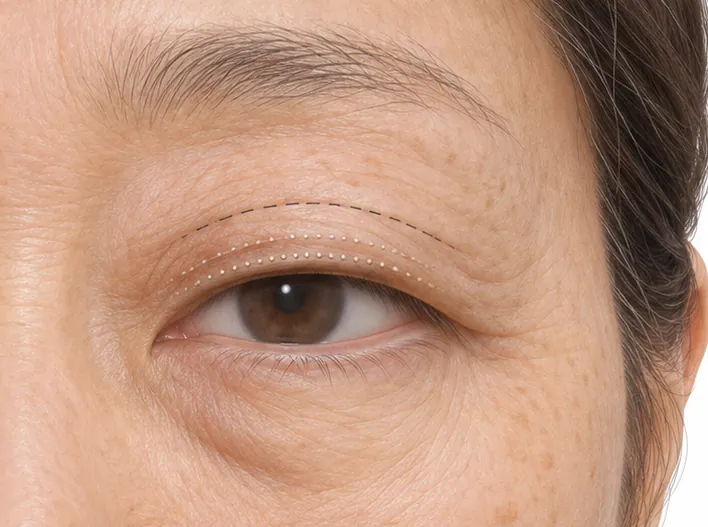 1
We first check the gap when the eyes are closed and assess the cornea
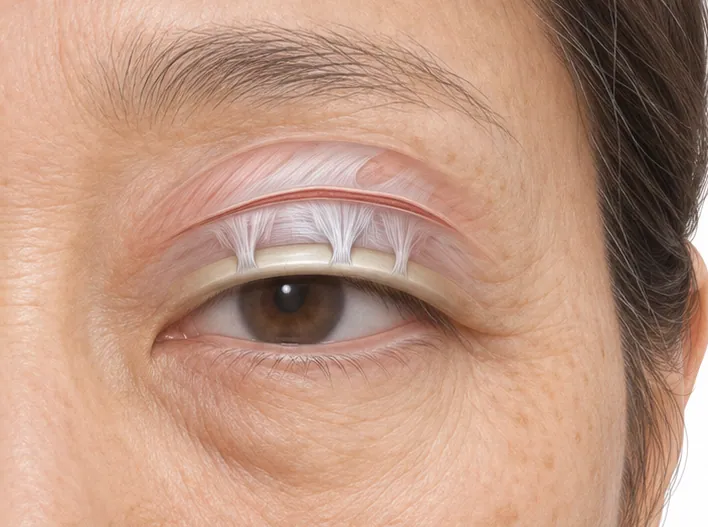 2
We reopen the previous incision and locate the aponeurosis attachment
 3
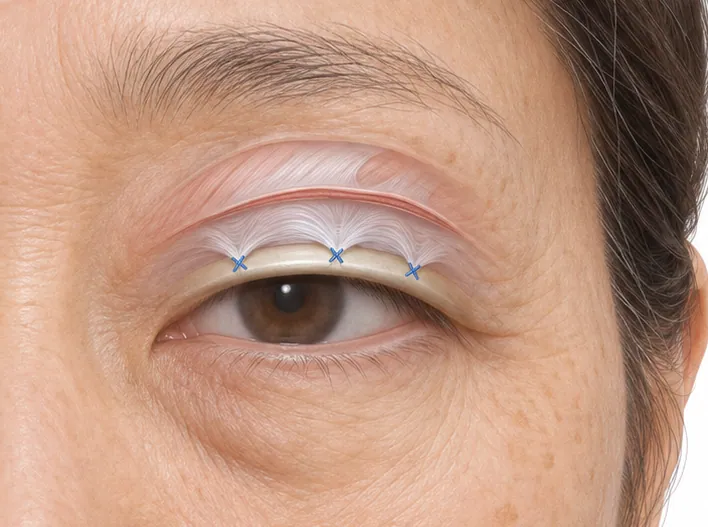
We release the attachment, lower the aponeurosis, and reattach it
 4
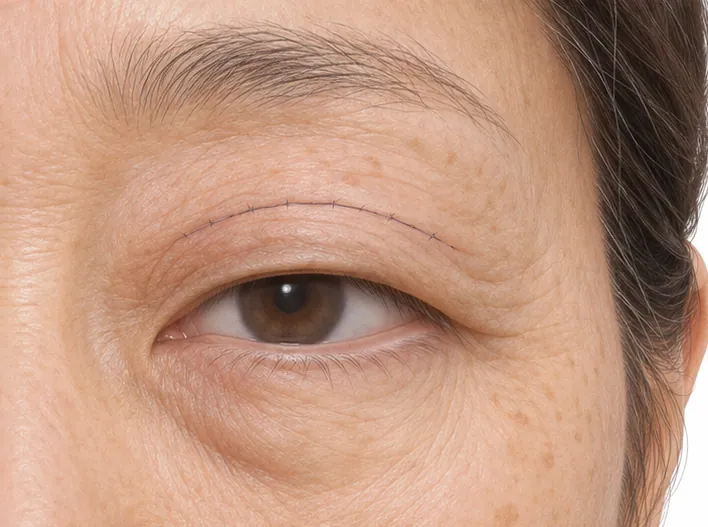
We check eyelid closure, close the incision, and provide instructions for protecting the eyes, including using artificial tears
When Asymmetry or Hollowing Is Also Present
 1
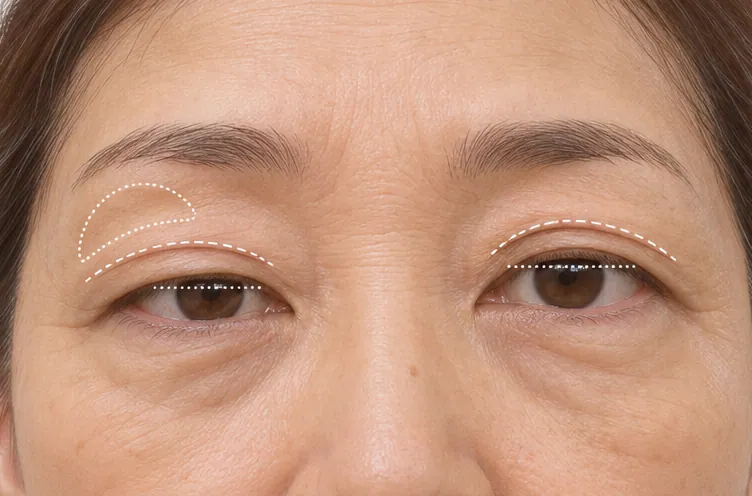
We measure eye exposure on both sides and the extent of hollowing to plan for each side
 2
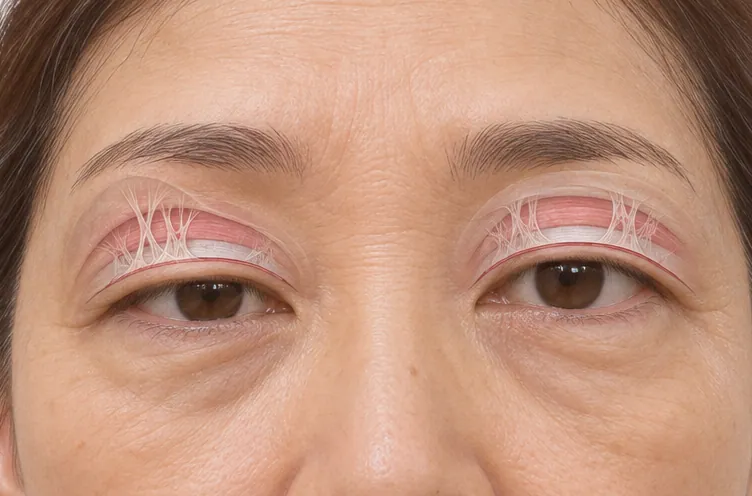
We make an incision, release adhesions, and identify the muscle and aponeurosis
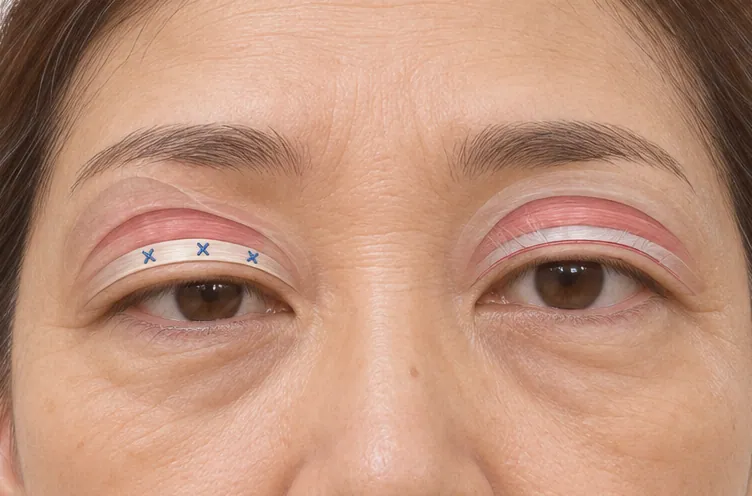 3
We adjust the height on each side and secure the tissue
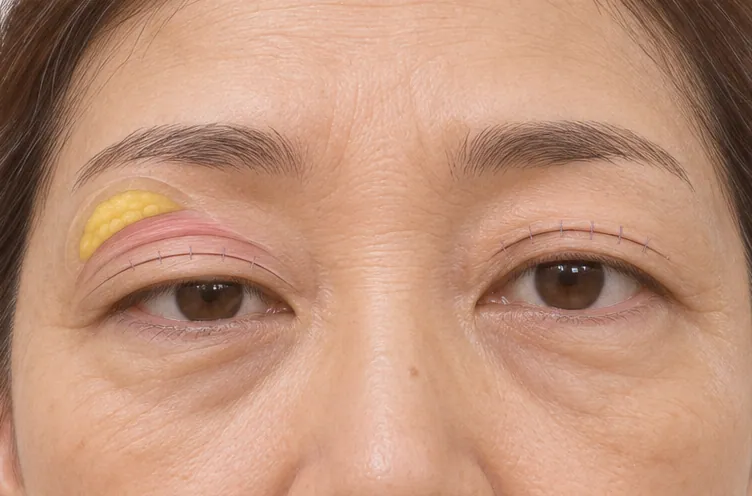 4
We move eyelid fat into the hollow area or add fat grafting, then close the incision
Illustration for explanation · Not an actual patient. This is a simplified description of typical steps. The actual technique and extent of surgery are determined after examination.

When
to consider a consultation
- When the eyes do not open enough after previous ptosis surgery
- When the eyes do not close fully, causing stinging and dryness
- When the eyelids have become uneven in height
- When upper eyelid hollowing has worsened after surgery
When
Surgery is not our first recommendation
- When fewer than 3 months have passed since surgery, the tissues are still firm, and there are no urgent symptoms
- When the burden of additional surgery outweighs the expected improvement
- When a condition such as thyroid eye disease needs to be evaluated first
- When the desired eyelid height is considered difficult to achieve safely
Preparing for surgery and
recovery by stage
- 3–4 days after surgery
This is when swelling and bruising are at their worst. After revision surgery, swelling, bruising, and scars may take more than twice as long to settle as after the first surgery. Rest fully for at least 2 weeks, use cold and warm compresses, and sleep with your head elevated. While your eyes cannot close completely, use artificial tears frequently and apply eye ointment before bed.
- Days 5–7
If an incision was made, your stitches will be removed. Until then, keep water away from the surgical area. Start wearing eye makeup and contact lenses after your doctor approves, usually after 2–4 weeks. Follow your doctor's instructions for scar ointment, tape, and laser treatment.
- 3 weeks–3 months
During this period, the tissue may feel firm and tight. This is a response to healing, so do not decide on another revision based on its appearance at this stage. Avoid strenuous exercise, saunas, alcohol, and smoking for 2 months.
- 3 months–1 year
The tissues gradually soften, redness decreases, and the two sides become more even. The final result is assessed after 6 months to 1 year, with follow-up visits at 1, 3, and 6 months and at 1 year.

No smoking · No alcohol
You will receive these instructions before surgery. After revision surgery, avoid alcohol and smoking for 2 months, as they affect bleeding and wound healing.
Medications · Supplements
We recommend stopping herbal medicines and supplements such as omega-3 when possible because they may increase bleeding. Please tell us about every medication you take.
Medical history
Thyroid eye disease, glaucoma, severe dry eye, autoimmune disease, or anticoagulant use may be reasons to postpone or avoid surgery.
Eye care habits
Limit contact lens use as much as possible, use artificial tears frequently, and avoid rubbing your eyes. Tell us if you have used double eyelid tape or glue.
Recovery timelines are general estimates and vary by individual. Contact us immediately for sudden severe pain, decreased vision, bleeding that does not stop, or rapidly worsening swelling on one side.
Common questions
during consultations
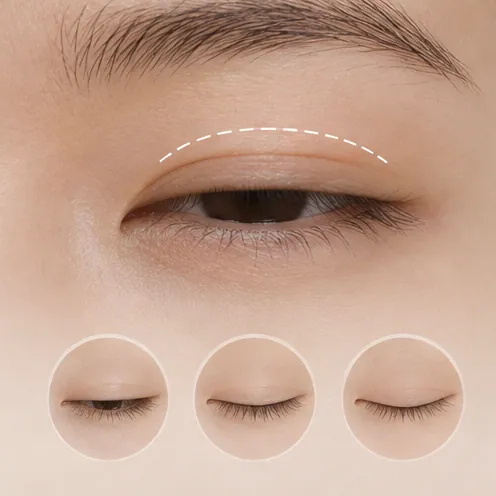
It has been a month since surgery, and my eyes do not close fully. Is that okay?
From 3 weeks to 3 months after surgery, tissues become firm, and the eyes may temporarily close less fully. However, if you have severe stinging, pain, or vision changes, do not wait—have your eyes checked immediately. In the meantime, use artificial tears to protect your eyes.
Can another surgery make both eyelids exactly even this time?
We cannot promise identical eyelid heights. Movement varies with adhesions and tissue condition, and the effort used to open each eye may also change after surgery. We therefore explain what can be improved and the limitations first, so you can decide after fully understanding them.
I want another surgery for cosmetic reasons. Can I have it now?
For a cosmetic revision when eye protection is not a concern, it is better to wait for the tissues to stabilize. We usually consider 6 months to a year or longer, but timing alone does not determine the decision. We assess the current tissue condition in person before deciding.
RESERVATION
You do not need to decide the day of your consultation.
Organize questions about this page without entering your name, contact information, or medical history. This does not submit an appointment request.