PLASTIC SURGERY
All Treatments / Surgery
Cat-Eye Surgery
Before considering a trend, we assess whether the surgery suits your face.
This may vary depending on your condition and the extent of surgery.
Cat-Eye Surgery,
What does the surgery involve?
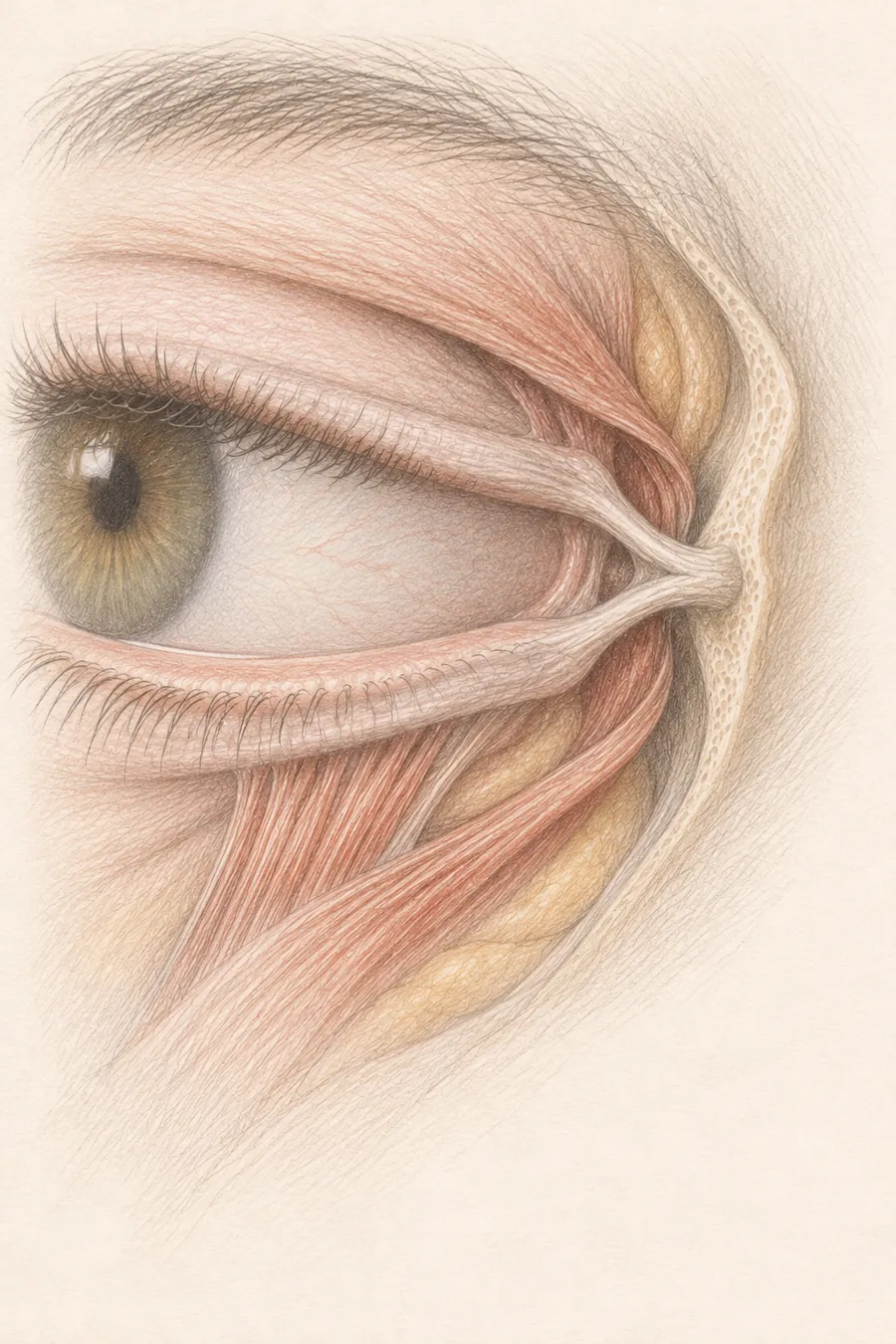
Cat-eye surgery extends the outer corners of the eyes and adjusts their direction to make the eyes appear longer. It is one of the major shifts in eyelid surgery over the past 10 years, with more people requesting it. However, there are risks depending on facial structure. It can suit faces with a head shape that projects forward, but on flatter faces with prominent cheekbones, the same approach may make the face look wider. Before choosing a technique, we first assess whether this surgery suits your face.
- Lateral Canthopexy
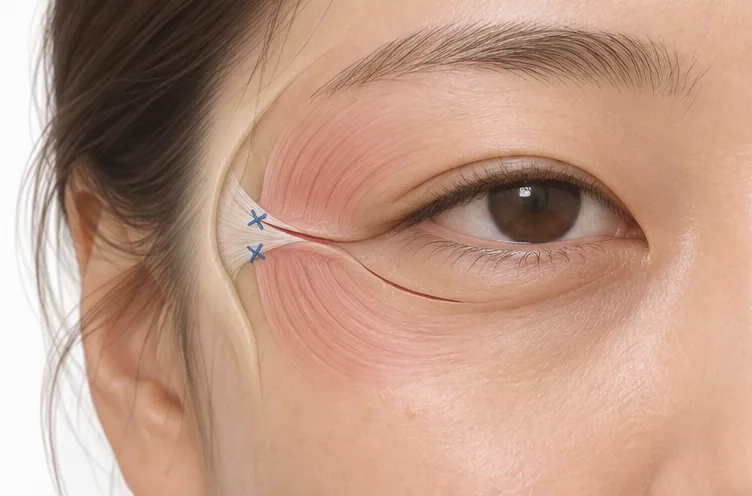
- This procedure reanchors the ligament supporting the outer corner of the eye to the bone. It is used to set the position and direction of the outer corner.
- Lateral Canthoplasty · Lower Eyelid Lowering
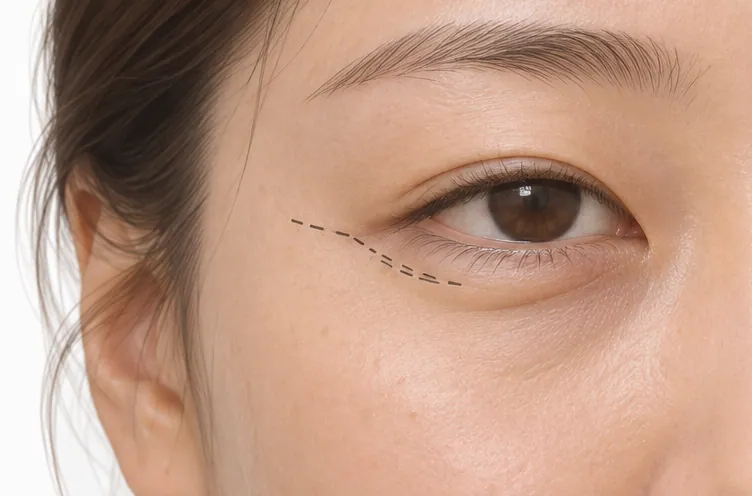
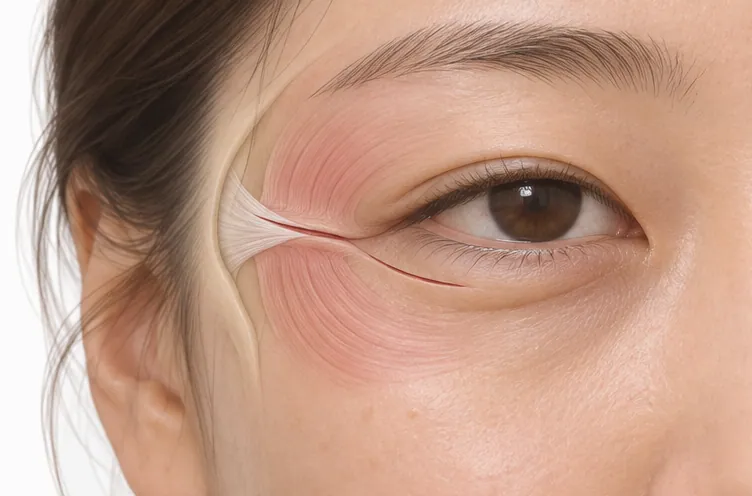
- Lateral canthoplasty extends the outer corner of the eye outward, while lower eyelid lowering moves the outer portion of the lower eyelid downward.
- Subbrow Lift
- An incision is made below the eyebrow to lift sagging skin and the muscle layer upward and secure them near the forehead muscle.
For Cat-Eye Surgery,
in Lower Blepharoplasty
Whether It Suits Your Face Comes Before Trends
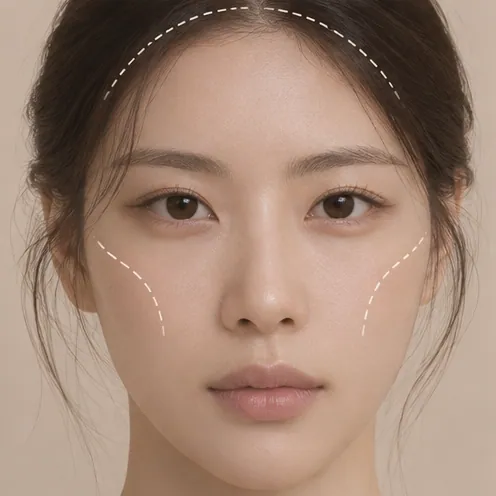
Cat-eye surgery can more readily look attractive on Western faces. A head shape that projects forward allows the outer corners to curve around the sides, giving the extended eye contours a three-dimensional appearance. East Asian faces are often flatter with more prominent cheekbones, so the same surgery may make the face look broader. The first consideration should be whether the surgery suits your face, rather than whether it is a trend.
We Assess Your Cheekbones and Facial Width From the Front and Side
During the consultation, we assess more than the outer corners of your eyes. We examine facial width, cheekbone position, and the distance between the eyes and cheekbones from the front and at an angle. Adding a longer horizontal contour may further emphasize a wide face. If we determine that the procedure may not suit you, we may reduce its extent, discuss other options, or advise against surgery.
There Are Limits to How Far the Outer Corners Can Be Extended
The eyeball is round, and the orbital bone lies along its outer side, limiting how far the outer corner can be extended sideways. Extending it too far may expose the red conjunctiva or make the corner look unnatural, and some of the opened tissue may reattach during healing. Rather than simply using your desired length, we examine how much give the tissue has and determine the possible extent together.
Lateral Canthopexy Sets the Direction of the Outer Corners
The position and angle of the outer corner are determined by the supporting ligament, rather than the skin. We therefore consider anchoring the lateral canthus to the bone after extending the corner to set its direction. Raising it higher can create a more intense expression and make it harder to close the eyes fully, so we avoid excessive elevation. We determine the angle by considering both your desired look and facial balance.
We Preserve Support When Lowering the Lower Eyelid
Adding lower eyelid lowering increases the vertical eye opening and opens the area below the outer corner, but it may weaken lower eyelid support. Excessive lowering can cause too much of the white of the eye to show, outward turning of the eyelid called ectropion, or dryness. We gently pull the eyelid to check how well it springs back. If support is weak, we discuss reducing the extent or avoiding the procedure.
If the Eye Area Is Sagging, We Also Assess the Area Below the Brows
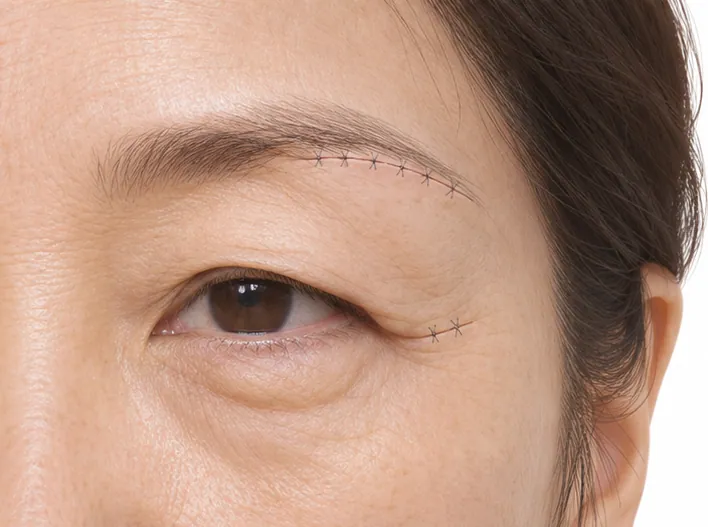
If sagging skin on the outer eyelid covers the outer corner, the contour may remain hidden even after the corner is extended. In these cases, we also consider a sub-brow lift, which uses an incision below the eyebrow to pull the orbicularis oculi muscle and muscle layer upward and secure them near the forehead muscle. If the forehead has also descended, a forehead lift may be an option. We assess how much treatment is needed by lifting the eyebrows.
The Surgical Process Varies
Depending on Your Condition
When the Eyes Are Short Horizontally and Facial Width Allows Room for Extension
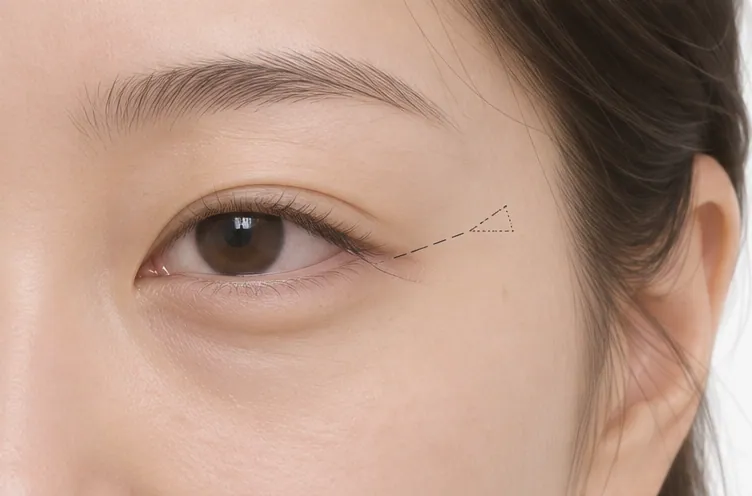 1
We assess facial width and cheekbones, then mark the position and angle of the outer corners
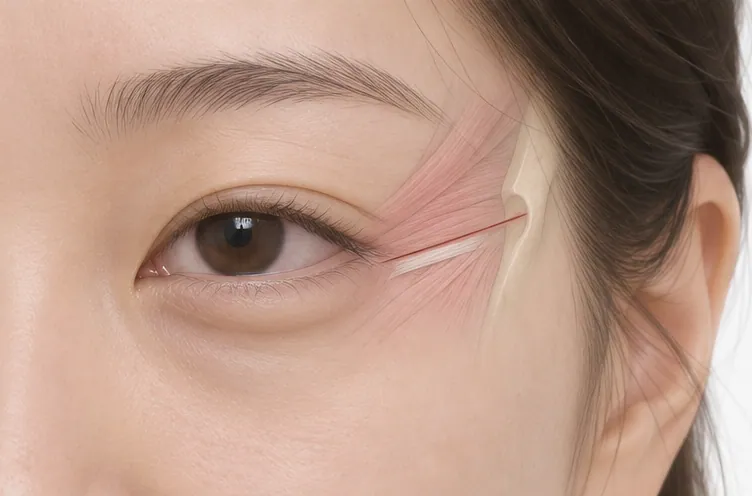 2
We make an incision at the outer corner and extend it outward
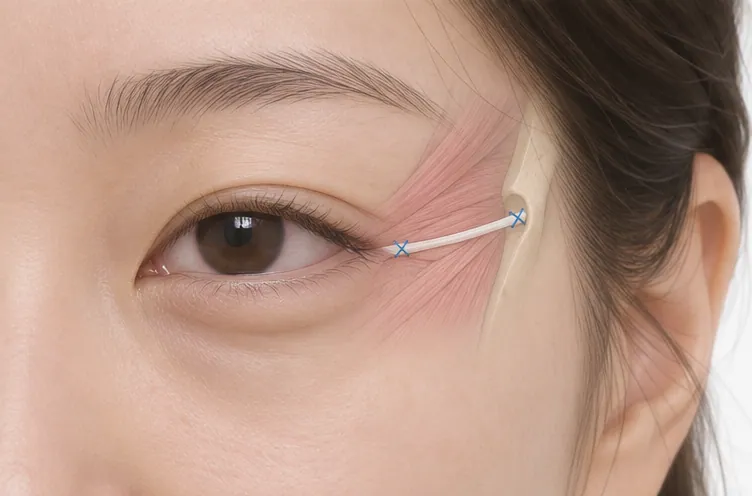 3
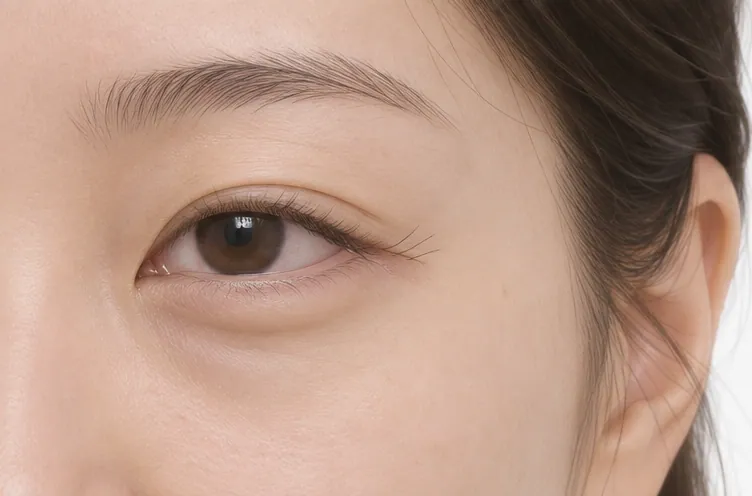
We anchor the lateral canthus to the bone to set the direction of the outer corner
 4
We close the conjunctiva and skin with fine sutures
When the Area Below the Outer Corners Also Looks Constricted
 1
We check lower eyelid support and mark the lines for lateral canthoplasty and lower eyelid lowering
 2
We extend the outer corner and lower the outer portion of the lower eyelid only as much as needed
 3
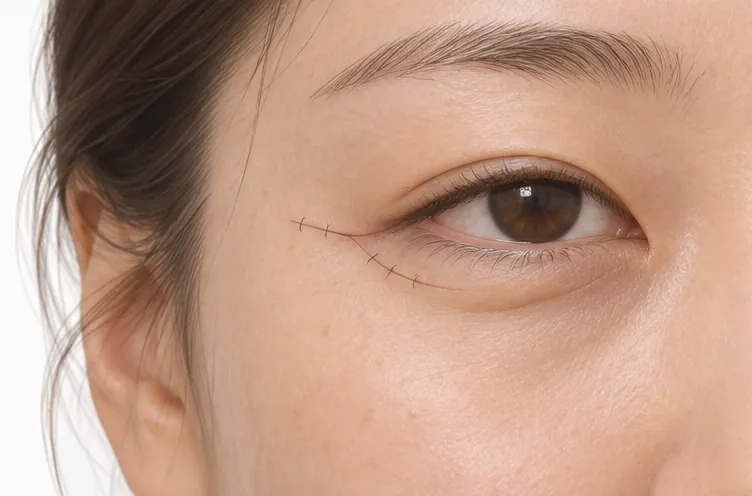
We secure the lateral canthus to set the point where the upper and lower eyelids meet
 4
We close the incisions below the eyelashes and at the outer corner with fine sutures
When the Outer Eyelid Skin Is Also Sagging
 1
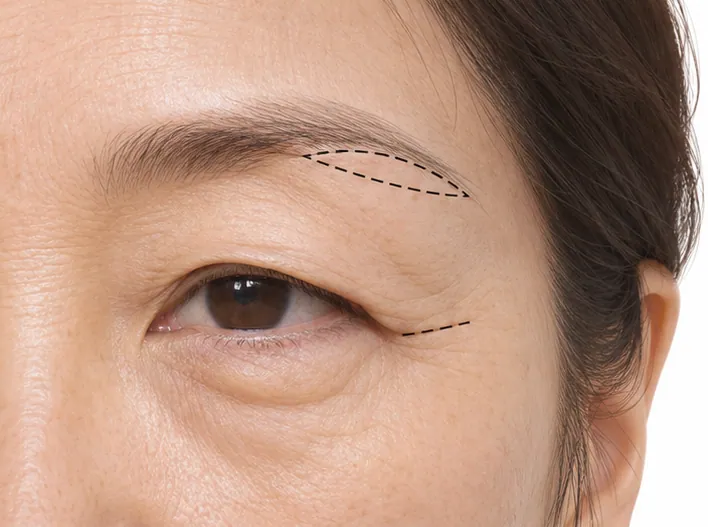
We lift the eyebrows to assess and mark the extent of sagging and the position of the outer corners
 2
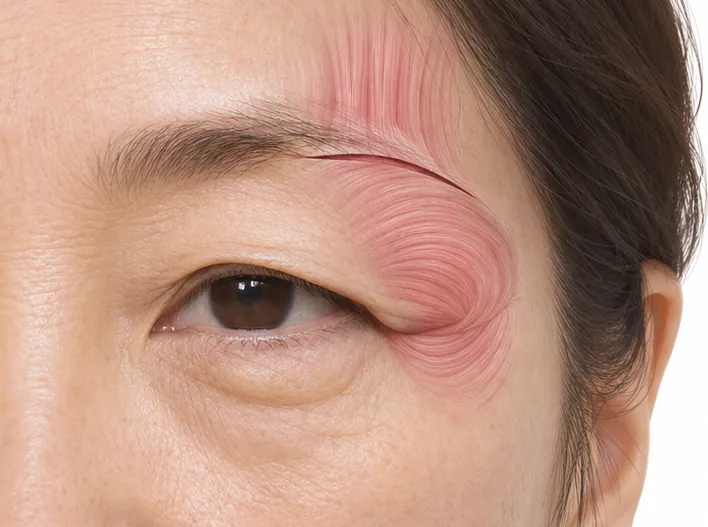
We make an incision below the eyebrow and remove excess sagging skin
 3
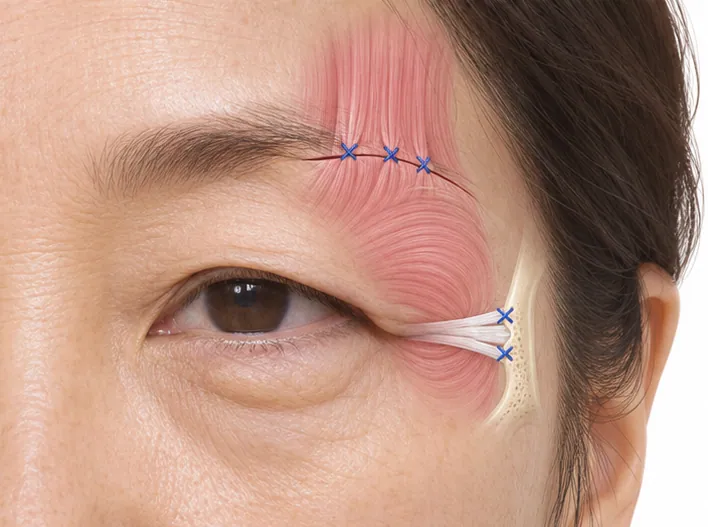
The orbicularis oculi and muscle layer are pulled upward and secured toward the frontalis
 4
We extend the outer corner, secure the lateral canthus, and close each incision
Illustration for explanation · Not an actual patient. This is a simplified description of typical steps. The actual technique and extent of surgery are determined after examination.

When
to consider a consultation
- When the eyes are short horizontally and facial width allows room for extension
- When the outer corners look droopy and you want to adjust their direction
- When the area below the outer corners also looks constricted
- When outer eyelid skin covers the outer corners
When
Surgery is not our first recommendation
- When a flat face and prominent cheekbones raise concerns that the face may look wider
- When the reason is a trend or a photo, and suitability for your face has not been assessed
- When lower eyelid support is weak or there is pulling after previous surgery
- When severe dry eyes or problems closing the eyes need to be assessed first
Preparing for surgery and
recovery by stage
- 3–4 days after surgery
Swelling and bruising are at their worst during this time. Sleep with your head elevated. For 2–3 days after surgery, apply cold compresses gently, keeping ice from touching your skin or eyes directly. Starting on day 4, use warm compresses.
- Days 5–7
If an incision was made, the stitches will be removed. Keep the surgical area dry until then. Avoid eye makeup, eyelash extensions, and contact lenses for 2 weeks, and avoid saunas and Korean bathhouses for 1–2 weeks. You can resume light daily activities after 2–3 days, although swelling and bruising may remain. After lateral canthoplasty or lower eyelid lowering, redness of the whites of the eyes or visible conjunctiva may last 2–4 weeks. After lower eyelid lowering, avoid pulling on the lower eyelid.
- 3 weeks–3 months
During this period, the tissue may feel firm and tight. This is part of the healing process, so decisions about revision surgery are not based solely on appearance at this stage. Avoid strenuous exercise, rubbing or tightly closing your eyes, and sleeping face down for 1 month after surgery.
- 3 months–1 year
The tissues soften, redness fades, and the two sides gradually become more balanced. We check your progress at 1 · 3 · 6 months · 1 year.

No smoking · No alcohol
You will be advised before surgery to avoid alcohol and smoking for 2–4 weeks afterward, as they can affect bleeding and wound healing.
Medications · Supplements
We recommend stopping herbal medicines and supplements such as omega-3 when possible because they may increase bleeding. Please tell us about every medication you take.
Medical history
Thyroid eye disease, glaucoma, severe dry eye, autoimmune disease, or anticoagulant use may be reasons to postpone or avoid surgery.
Eye care habits
Limit contact lens use as much as possible, use artificial tears frequently, and avoid rubbing your eyes. Tell us if you have used double eyelid tape or glue.
Recovery timelines are general estimates and vary by individual. Contact us immediately for sudden severe pain, decreased vision, bleeding that does not stop, or rapidly worsening swelling on one side.
Common questions
during consultations
I hear this surgery is popular now. Should I try it?
We do not recommend surgery simply because it is a trend. The same procedure can create different impressions depending on head shape and cheekbones, so we first assess whether it suits your face. If we determine that it may not, we discuss other options or recommend waiting and monitoring.
My cheekbones are prominent. Does that rule out surgery?
Prominent cheekbones do not necessarily rule out surgery. However, if your cheekbones are prominent and your face is flat, extending the outer corners further may make your face look broader, so we carefully determine the extent. We assess your face from the front and at an angle, then explain how much extension is possible.
Can it be reversed if I do not like the result?
Surgery can revise the position of the outer corners, but returning them exactly to their original state is difficult. You need to wait for the tissue to stabilize, and revision adds scarring. That is why we avoid excessive extension or angling in the initial plan.
RESERVATION
You do not need to decide the day of your consultation.
Organize questions about this page without entering your name, contact information, or medical history. This does not submit an appointment request.