PLASTIC SURGERY
PRP recovery consultation
PRP Injections
We assess the need for and limitations of using components derived from your own body.
This may vary depending on your condition and the extent of surgery.
SHORT ANSWER
What do we check first during a PRP and recovery care consultation?
We assess the need for and limitations of using components derived from your own body. During your consultation, we review your stage of recovery · skin and scar condition · health and medications.
01 · START WITH YOUR CONCERN
Do any of these concerns
sound familiar?
What brings you in?
1
Epidermis · Skin Texture
2
Dermis · Firmness
3
Subcutaneous Fat
4
Fascial Layer (SMAS)
“I have questions about skin care during recovery.”
“I'd like to discuss changes in my scars and tissue.”
“Can this be combined with other treatments?”
We assess the need for and limitations of using components derived from your own body.
We assess your skin barrier, sensitivity, pigmentation tendencies, and signs of inflammation. We explain the ingredients and products, how they are applied, and their purposes.
PROCEDURE · STEP BY STEP
PRP: Assessing the need and limitations first
Before using components separated from your own blood, we assess whether they are needed at your current stage.
STEP 01
Recovery stage · Skin
We assess your stage of recovery and the condition of your skin and scars.
STEP 02
Assessing suitability
We review your health, medications, and whether PRP can be combined with other treatments.
STEP 03
Small amounts in the dermis
When needed, we apply small amounts at multiple points in the dermis.
STEP 04
Expectations and Limitations
We explain both the potential benefits and limitations of components derived from your own body.
PRP,
What Is This Treatment?
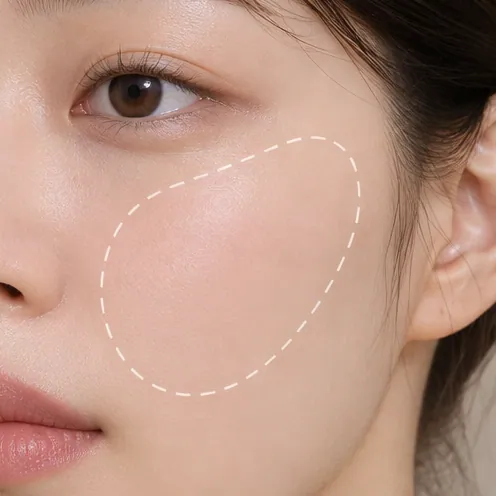
PRP is platelet-rich plasma obtained by centrifuging your own blood. Based on the role of growth factors in platelets in tissue repair, PRP is applied in small amounts at multiple points in the skin or surgical site. However, its effects vary depending on how it is prepared and the purpose of treatment. At VITAL Plastic Surgery, we consider PRP alongside Re2O and lasers when assessing the dermis after it has become thinner or firmer following surgery, taking the stage of recovery into account.
- Platelet-rich plasma
- This is plasma with a high concentration of platelets, obtained by separating blood components. Because it comes from your own blood, it differs from materials derived from another person.
- Growth factors
- These substances send signals involved in cell proliferation and tissue repair. They help explain how PRP works.
- Kit
- A set of specialized tools used to separate the components of a blood sample. The fee schedule lists 1 kit per session.
With PRP,
in Lower Blepharoplasty
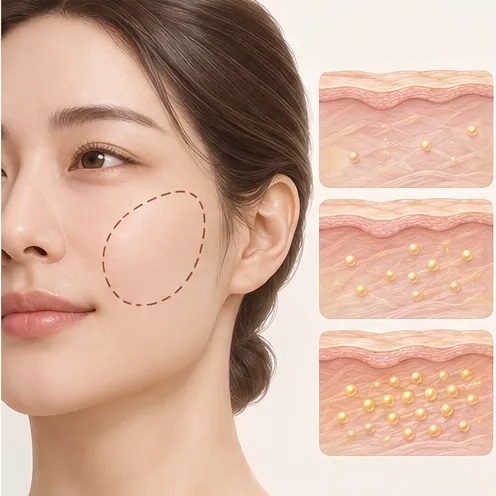
using your own blood does not mean results are the same for everyone
Many people feel reassured because the material comes from their own blood, but we do not say that it works equally well for everyone or carries no risks. Results vary with platelet count, preparation method, and treatment area. We therefore review the purpose and supporting evidence and consider PRP when needed. After treatment, we document your progress to compare your response over time.
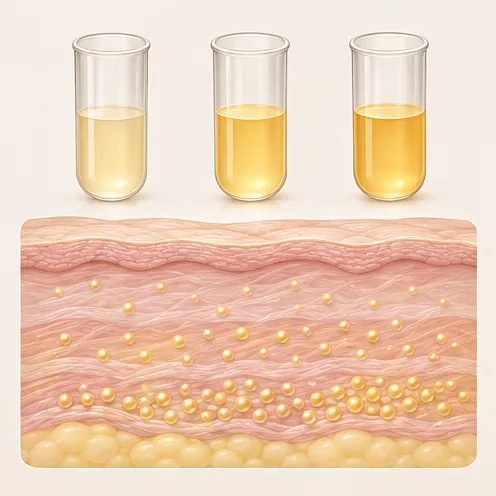
Results vary with preparation and purpose
PRP is not a single standardized medication; its preparation affects the results. Differences in centrifugation, concentration, and injection depth can make treatments different even when they share the same name. We first determine whether the goal is skin quality or recovery at a surgical site, then plan the amount and treatment areas accordingly.
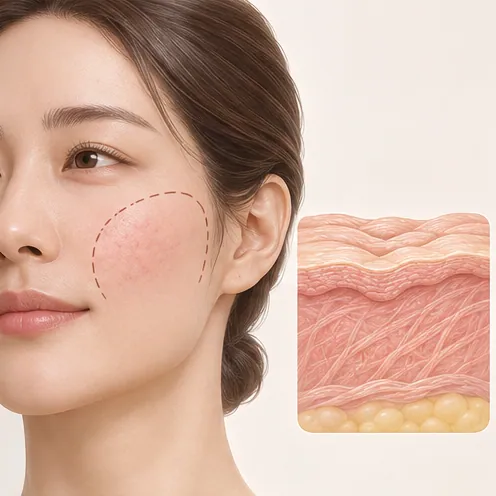
Considered for postoperative tissue firmness and reduced elasticity
Areas of firm tissue, fine lines, reduced dermal elasticity, and redness may persist during recovery. The doctor believes that failing to address these changes at the appropriate time may lead to unnecessary discomfort and delayed recovery. At examinations around 1 month and 3 months, we therefore consider PRP, Re2O, and scar laser treatment when needed.
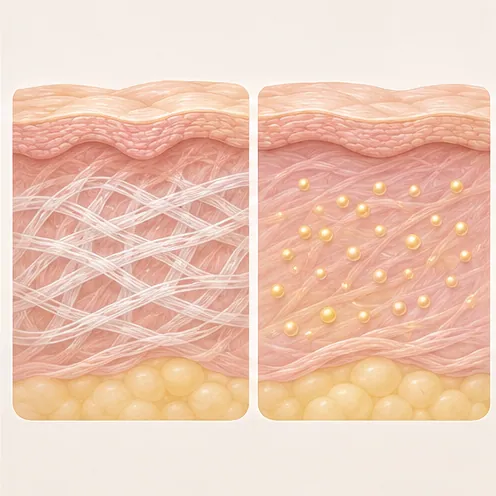
Different materials and uses from Re2O
Re2O uses human-derived extracellular matrix, while PRP is plasma obtained from your own blood. One is described as a material that supplements the dermis, and the other as a material involved in signaling for tissue repair. These are not interchangeable skin-nourishing injections, so we choose based on the goal, treatment area, and supporting evidence.
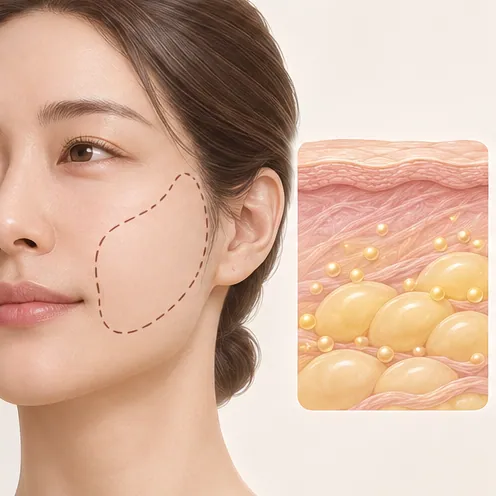
Sometimes added to fat grafting
The fee schedule includes a separate option for adding PRP to fat grafting. Fat grafting is used to replace an actual lack of soft tissue volume, with graft survival and the possibility of contour irregularities taken into account. Adding PRP does not guarantee consistent graft survival. We discuss this option after assessing the area and the amount of fat to be grafted.
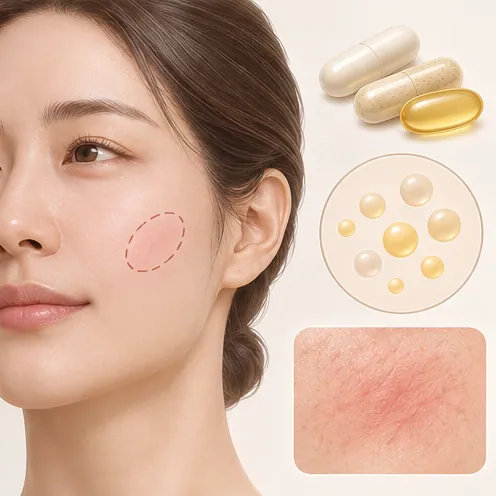
A blood draw requires a few checks first
Treatment begins with a blood draw, so we check for blood disorders and anticoagulant use. We recommend stopping herbal medicines and supplements such as omega-3 when possible because they may increase bleeding. Before treatment, we explain pain at the blood draw and injection sites, bruising, infection, and differences in individual responses. Treatment is postponed in areas with infection or inflammation.
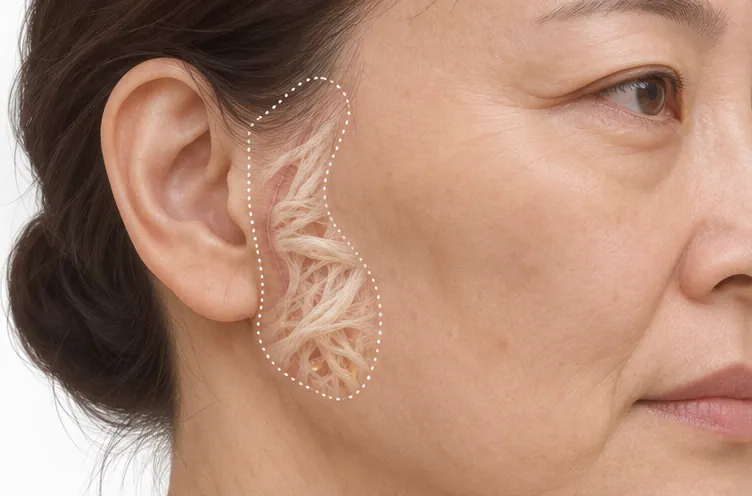
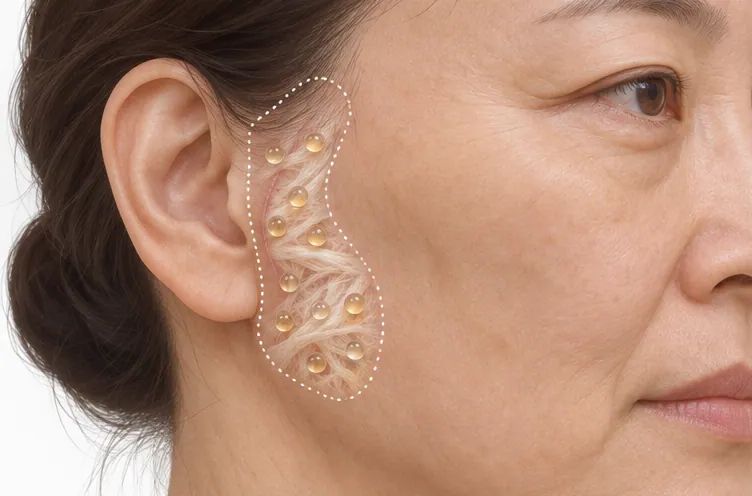
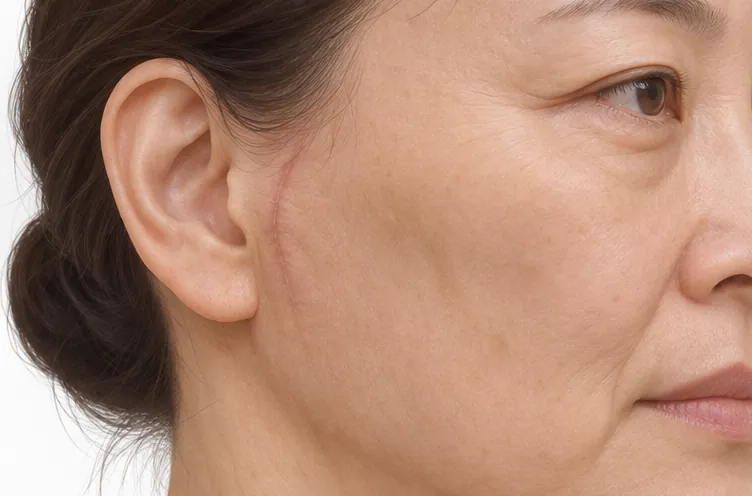
Illustration for reference · Not an actual patient
The Surgical Process Varies
The treatment process varies
When the dermis becomes thinner or firmer after surgery
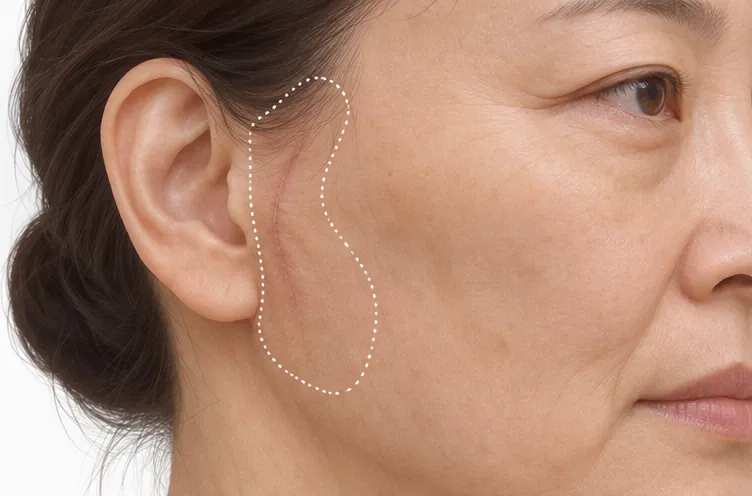 1
We examine your stage of recovery, scars, and skin condition
 2
After drawing blood, we prepare platelet-rich plasma by centrifugation
 3
We apply small amounts at multiple points in the dermis where needed
 4
We take progress photos to compare your response at the next examination
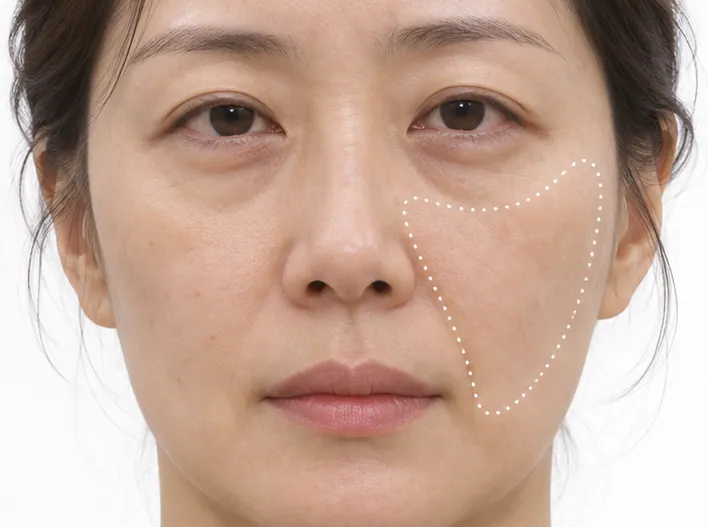
When considering treatment for skin quality
 1
We assess skin thickness, hydration, and sensitivity
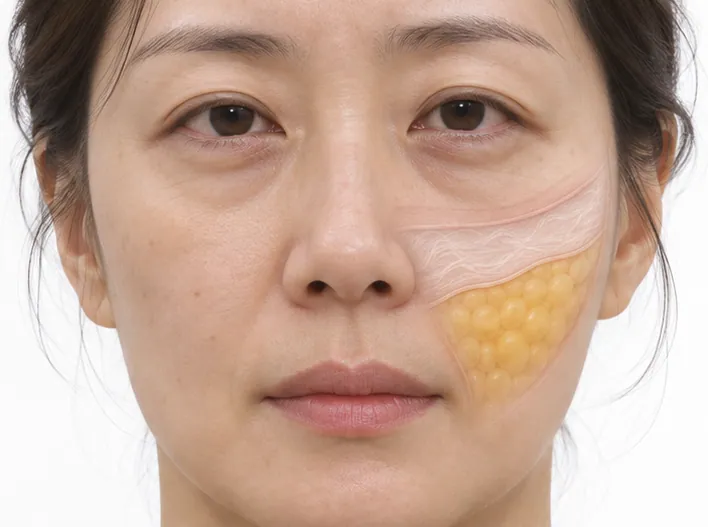 2
After drawing blood, we prepare the plasma and apply numbing cream
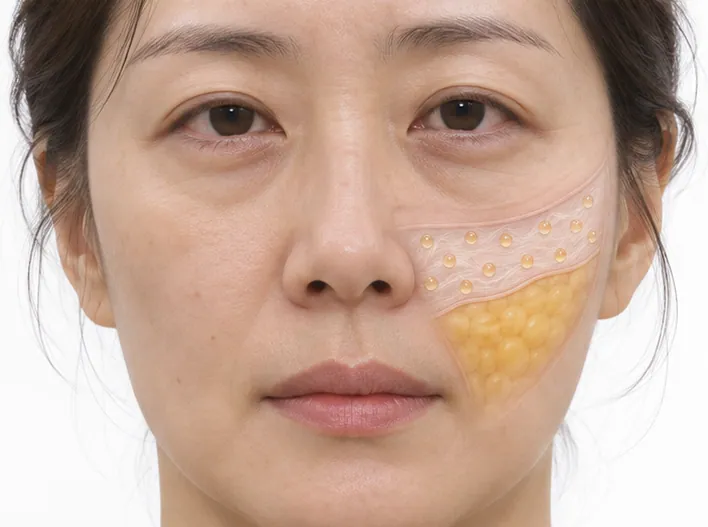 3
We inject evenly at multiple points in the facial dermis
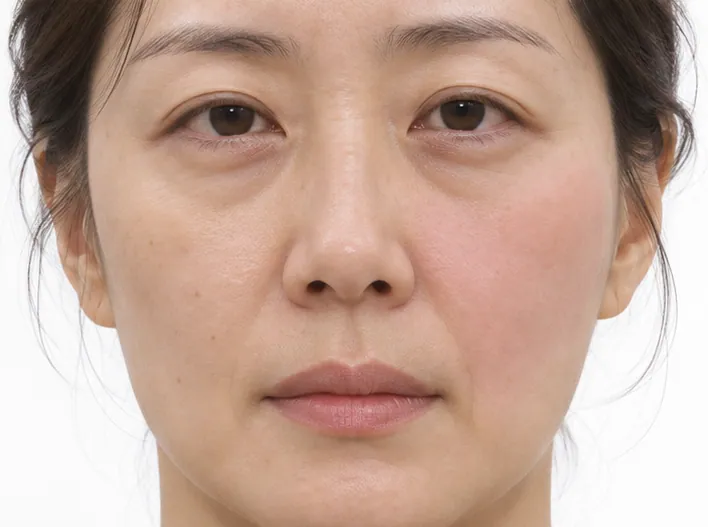 4
We provide guidance on sunscreen and follow-up appointments
When considering PRP with fat grafting
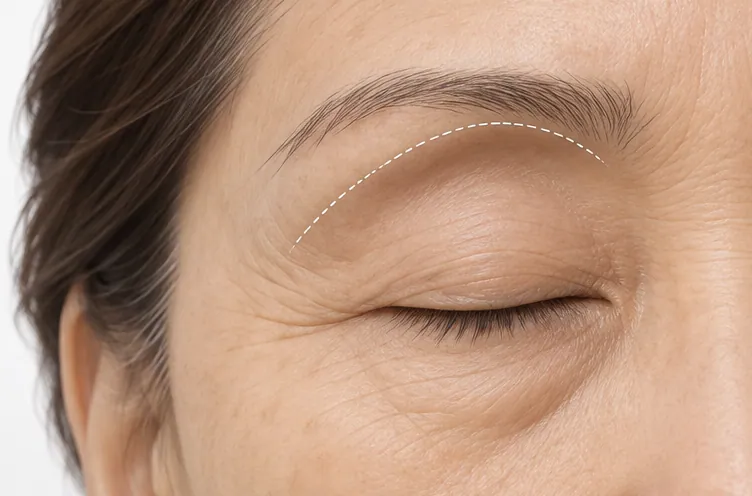 1
We assess hollow areas and the amount of volume loss
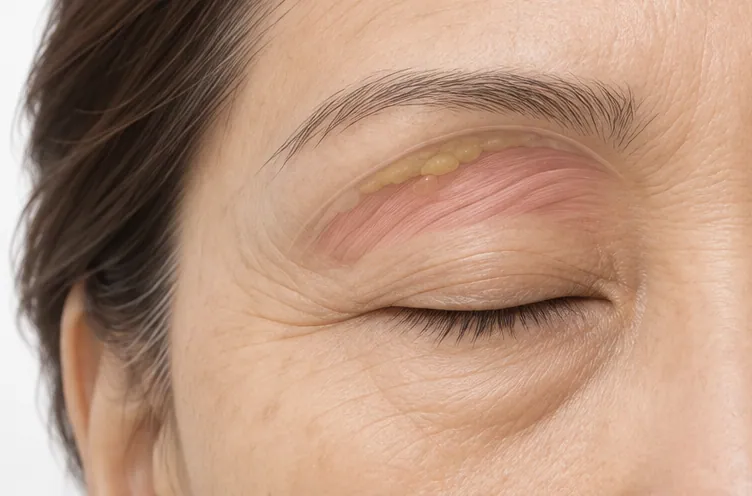 2
We harvest fat from an area such as the abdomen and prepare the plasma
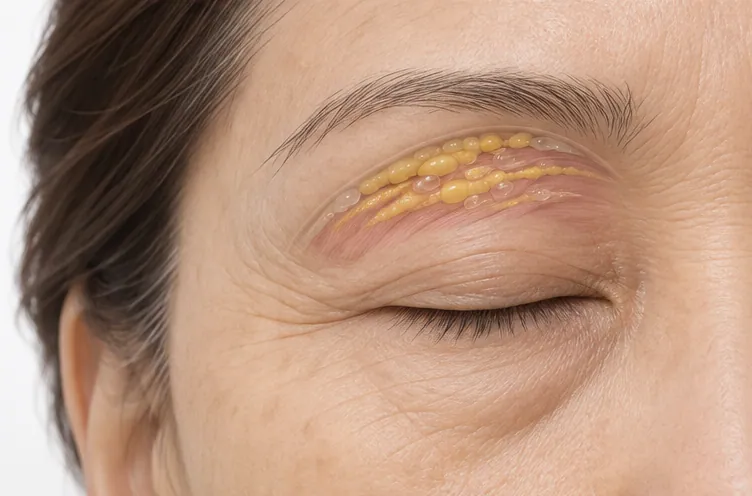 3
We place fat in layers and add plasma when needed
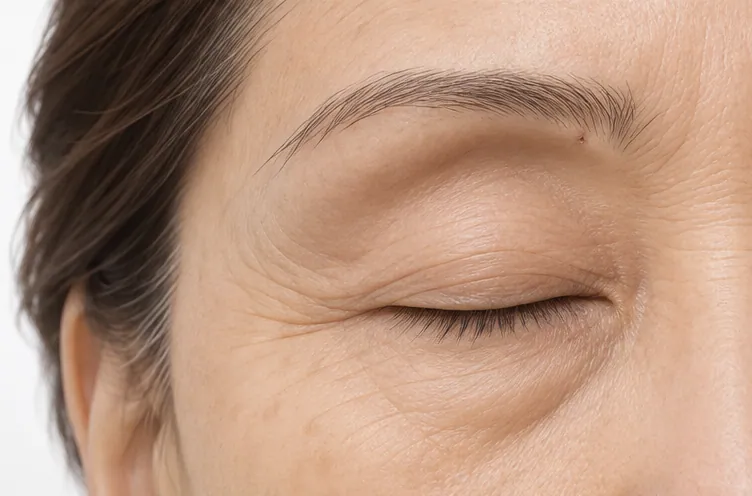 4
We check graft survival and contour changes over time
Illustration for explanation · Not an actual patient. This is a simplified description of typical steps. The actual technique and extent of surgery are determined after examination.
02 · WHAT WE LOOK AT
Even when concerns look similar,
the factors to assess differ.
Stage of recovery
We assess your skin barrier, sensitivity, pigmentation tendencies, and signs of inflammation.
Skin and scar condition
We explain the ingredients and products, how they are applied, and their purposes.
Health and medications
We determine whether and when to combine treatments based on previous treatments and your recovery.
03 · DOCTOR'S DECISION
When choosing an approach, Dr. Hyungwoo Yim
looks at three things first.
Review indications and the actual treatment plan
Using your medical history and examination findings, we distinguish your current condition from your desired changes. At this stage, we identify the necessary conditions before choosing a treatment.
Consider combining treatments only when needed
When comparing available methods, we explain the expected changes, the burden on the tissues, recovery, and potential remaining problems.
Assess your response through progress records
We give you time to understand the explanation and ask questions. We may not recommend immediate treatment if its burden is greater or if you cannot allow enough time for recovery.
VITAL Plastic Surgery's principle is to recommend necessary treatment at the appropriate time. Having a consultation does not mean you need to decide on a procedure or surgery that day.

When
to consider a consultation
- When reduced dermal elasticity is apparent during recovery after surgery
- When you want to discuss scars or areas of firm tissue
- When you are planning fat grafting and want to discuss PRP alongside it
- When you want to understand the evidence and limitations of using material from your own blood
When
Surgery is not our first recommendation
- If you have a blood disorder or take anticoagulants
- If the treatment area has an infection or inflammation
- If an examination indicates a greater need to supplement the dermis itself
- If you expect this treatment alone to address significant sagging or volume loss
04 · LIMITS & RISKS
Along with possible improvements,
we explain the limitations and risks.
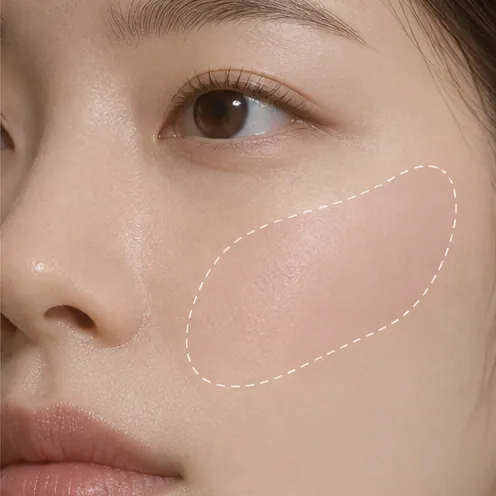
Your desired changes — First, tell us what bothers you most and which aspects of your appearance you want to keep. We do not promise changes identical to photos or someone else's results.
Blood draw
Injection site pain
Bruising
Infection
Previous Treatments
Do not wait if you have these symptoms
If you experience skin changes resembling blisters or burns, progressively worsening pain or swelling, or signs of possible infection such as pus, contact us immediately rather than waiting for your appointment.
Conditions to address first — We first assess your health, inflammation and stage of recovery, and the range of feasible treatments. If needed, testing, observation, or other medical care may take priority.
Risks and limitations to review during consultation — pain at the blood draw and injection sites, bruising, infection, and differences in individual responses. This is not a complete list of possible risks. Risks may vary depending on your health, previous treatments, and the treatment method and extent. These will be explained in detail during the examination and consent process.
Pre-treatment assessment and
Care by Recovery Stage
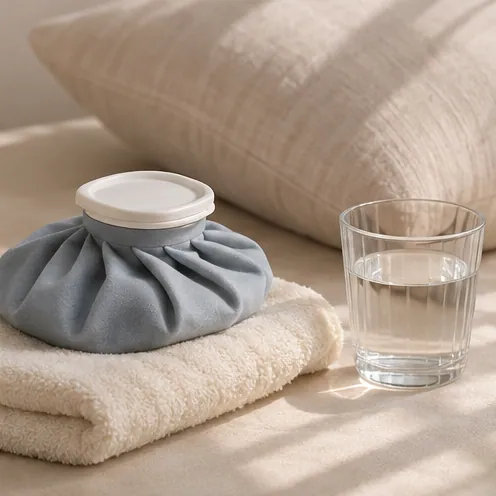 1 Week After Treatment
Swelling, bruising, and raised or uneven marks may occur at injection sites. Initial swelling should not be interpreted as a treatment effect.
 Time between sessions
A standard course is 3 sessions, spaced 3–4 weeks apart for Re2O and 1 month apart for pearl injections.
 1–2 Months
You begin to notice hydration and firmness after the swelling subsides.
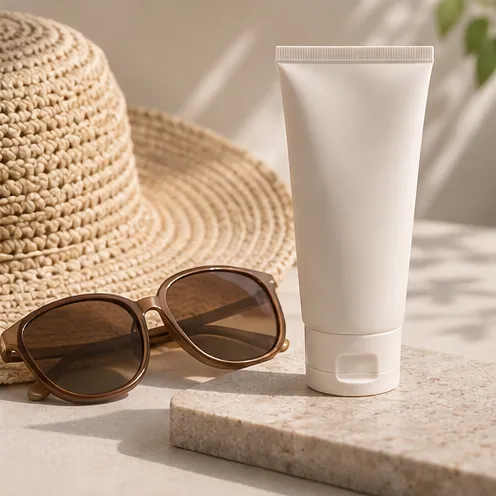 Care
Sunscreen is most important after the procedure. Continue scar care consistently for at least six months.

Medications
Please tell us about any medications and dietary supplements you take. We assess the risk of bruising and bleeding.
Previous Procedure History
Please tell us which fillers and injectable products you have received, as well as any recent laser treatments.
Skin Condition
We may not recommend Re2O if your skin is well hydrated and your pores are in good condition.
Recovery timelines are general estimates and vary by individual. Contact us immediately for sudden severe pain, decreased vision, bleeding that does not stop, or rapidly worsening swelling on one side.
05 · FOLLOW THE CHANGE
We also document
and monitor changes after treatment.
01
STEP 01
Documenting your condition before treatment
We review previous treatments, your current condition, and the changes you hope to see.
02
STEP 02
Check Early Reactions · Wound Healing
We explain treatment-specific precautions and symptoms that require contacting us.
03
STEP 03
Comparison of skin texture · firmness changes
We compare photos taken under the same conditions along with your skin condition.
04
STEP 04
Assessing additional care
We explain additional treatment based on your condition rather than recommending the same treatment to everyone.
This is a general overview, not an actual patient case. Specific follow-up schedules vary by treatment method and recovery. If you experience skin changes such as blisters or burns, worsening pain, or signs of possible infection, contact a medical facility immediately rather than waiting for your appointment.
Common questions
during consultations
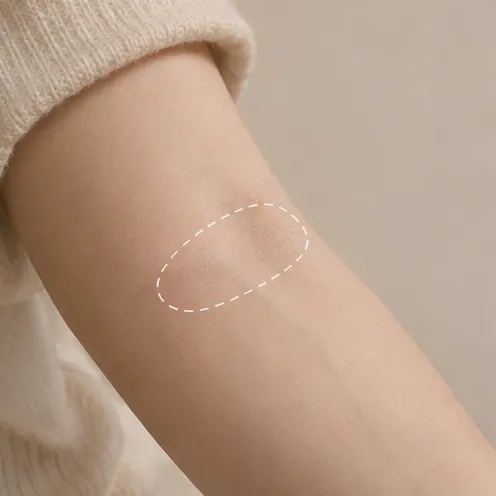
How much blood is drawn?
The amount depends on the type of kit and the treatment area. We explain the planned treatment setup after your examination. Bruising may occur at the blood draw site, and dizziness can occur rarely, so please tell us if you have not eaten or are feeling unwell that day.
Can I get PRP with other regenerative injections?
Treatments may be planned together when their goals differ, but we do not group them as treatments with the same effects. If laser treatment is included, we schedule the laser first and injections afterward. We prioritize what is needed based on your stage of recovery and skin condition.
Is one session enough?
We do not prescribe the same fixed number of sessions for everyone. We assess recovery around 1 month and 3 months and consider treatment when needed. If there is no response or another treatment is more appropriate, we change the approach.
BEFORE YOU DECIDE
Before you decide,
frequently asked questions
Questions to review together before deciding.
Based on questionnaire responses from Dr. Hyungwoo Yim · Last updated October 2026 Specific methods and their scope are discussed individually after an examination.

Q
Are results guaranteed because it comes from my own body?
−
A
Being derived from your own body does not mean that treatment works equally well for everyone or carries no risks. We review the purpose and supporting evidence and consider treatment when needed.
Q
Are the cost, number of treatments, and recovery period fixed?
+
Q
Can a treatment plan be finalized through a photo consultation alone?
+
DOCTOR'S COLUMN DOCTOR'S COLUMN DOCTOR'S COLUMN
Must Read
Care Notes Written by the Doctor · Please Read Before Your First Visit
No.1
No.3
VIEW MORE →
Once you feel fully informed, schedule a consultation.
PRP and Recovery Care Consultation Book a Consultation
You do not need to decide the day of your consultation.