PLASTIC SURGERY
DOCTOR’S DESIGN NOTE
I assess the structure before choosing a procedure.
Dr. Hyungwoo Yim explains why care at VITAL follows this sequence and scope.
01 Why the Eyes and the Face in Midlife
02 What Reconstruction Taught Me
03 Why Five Stages
04 Why These Four
05 Why One Year
NOTE 01
Why the Eye & Mid-life Face
Why the Eyes, Under-Eye Area, and the Face in Midlife
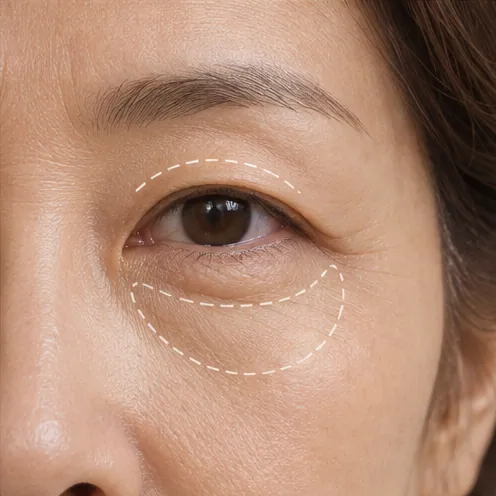
Since becoming a board-certified plastic surgeon, I have operated on many areas of the body. The eyes, under-eye area, and the face in midlife have held my attention the longest.
The eyes are more than a facial feature that shapes our appearance. They are where a person’s life, emotions, and the passage of time leave their deepest traces. From midlife onward, changes around the eyes often go beyond cosmetic concerns, causing functional discomfort and a loss of confidence.
“Restoring both function and natural beauty in a face with both hollowing and sagging. This is the subject I have considered the longest and want to continue studying.”
NOTE 02
What Reconstruction Taught Me
What I Learned from Reconstructive Surgery Became the Foundation of My Cosmetic Practice
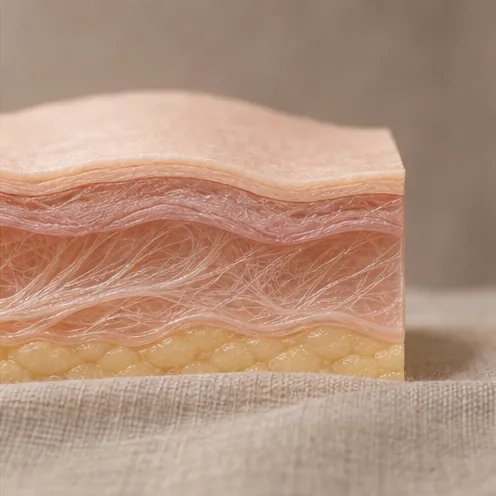
Reconstructive surgery does not end with a single operation. It requires a long course of treatment and careful follow-up. Steady trust must come first if we are to see that process through together.
That is why cosmetic care at VITAL begins with “Where and why have the tissues’ normal structure and function changed?” before asking “What are you unhappy with?” Helping the skin, muscles, fat, and fascia return to their original positions and roles is cosmetic care from a reconstructive perspective.
“Creating a precise foundation through surgical skill, and helping patients through the waiting period with compassionate care.”
NOTE 03
Why Five Steps
Why Care at VITAL Follows Five Stages

We do not begin a consultation by choosing a procedure. We listen to what bothers you and what aspects of your appearance you want to preserve, assess structure and function, and explain what can and cannot be changed. After surgery, we continue follow-up throughout the year it takes for the tissues to settle.
V View
Analysis
Review your history, concerns, and function, then assess structure with standardized photographs and a hands-on examination
I Intervene
Restoration
Only as much as needed, in the tissue layers that need treatment. The surgeon who conducts your consultation personally handles everything from surgical planning to suturing
T Treat
Recovery
Immediately after surgery ~ 1 week: check wounds, bleeding, and early function
A Activate
Regeneration
Consider Re2O · PRP · laser treatment at appropriate times during the scar contracture phase
L Last
Duration
Compare follow-up photographs at 1 · 3 · 6 months · 1 year and maintain long-term records
NOTE 04
Why These Four
Why These Four Procedures Became Our Signature
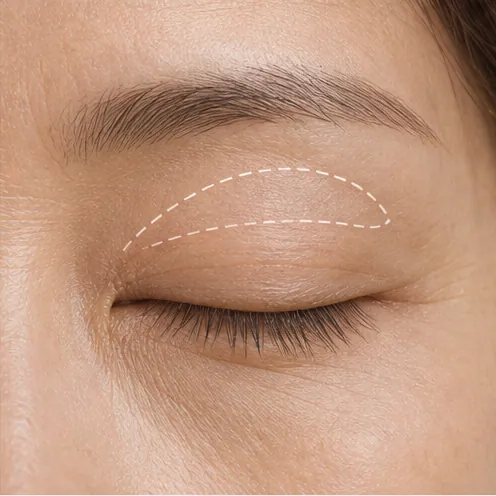
A signature procedure is defined by the questions the surgeon has studied and documented over many years, rather than how often it is performed.
Eyelids · Hollow Eyes
A treatment algorithm based on 384 cases of upper eyelid hollowing over 10 years (33.9% revision surgery cases)
ASLS Korea 2021 · Sunken Upper Eyelids treatment in Asian patients
An approach that views the under-eye area and cheeks as one structure, informed by experience with ectropion reconstruction
Semin Plast Surg 2015 · Volume Augmentation in the Lower Eyelid and Cheek
Nose · Your Own Tissue
Nasal tip planning that establishes support first, with an implant-free approach that also considers breathing
ASPS 2018 · Wedge Graft / PRS Korea 2019 · Breathing after Implant-Free Rhinoplasty
Addressing midlife facial changes that begin around the eyes and extend to the facial contours and neck
Planning a deep plane facelift and neck lift together
NOTE 05
Why One Year
Surgery Takes One Day, but Tissues Take One Year to Settle
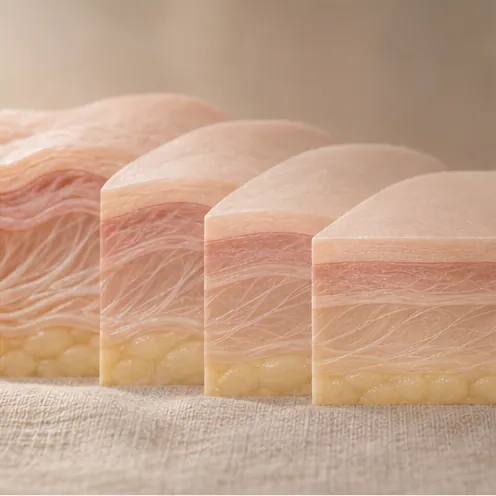
Internal healing is not complete when suturing is finished. Soft tissues settle through three stages.
Inflammation
~ 2 weeks
Swelling and bruising pass their peak and begin to subside. It is common for the two sides to improve at different rates.
Scar Contraction
3 Weeks–3 Months
The tissues feel firm, lumpy, and tight. This is the most worrying stage, but it is a normal part of healing.
Remodeling
3 Months–1 Year
As collagen reorganizes, the tissues soften, and flexibility returns to facial expressions and eyelid closure.
“The firmness and lumpiness you feel now are part of the natural healing process, as tissues knit together and settle into place. I will follow your recovery through to the end.”
MY PROMISE
I will explain why I recommend this treatment. We will discuss the changes you can expect, the limitations, the recovery process, and the major risks, with time for your questions. The surgeon who conducts your consultation personally handles surgical planning, the operation from start to finish, and postoperative follow-up.
WHEN I WAIT
When I Do Not Recommend Immediate Surgery

When there is not enough opportunity for a thorough examination and explanation
When it is difficult to allow enough time for recovery
When the changes you expect are beyond what is medically possible
When more pressing health concerns, such as high blood pressure · diabetes, are identified
When tissue is still recovering from previous surgery
IF IT WERE MY FAMILY
If a Family Member Asked About the Same Concerns, This Is What I Would Say
“You do not need to be swayed by trendy procedure names. Look beyond photos taken right after surgery. Make sure the surgeon can confidently explain the results after tissues have settled at 6 months or 1 year. Choose a doctor who speaks honestly about the limits of surgery and the time it takes.”
IN HIS WORDS
Beyond Trends,
Is This Surgery Right for My Face?
“
Turning you into someone else is beyond the scope of surgery. My role is to refine your appearance within your face’s proportions.
Doctor Interview · 2026.10
“
Every tissue and structure in our bodies has a purpose. I believe surgery that damages normal structures requires greater caution as we age.
Doctor Interview · 2026.10
Dr. Hyungwoo Yim, Medical Director · Based on the doctor's own answers. The actual scope of care is determined after an examination.
RESERVATION
You do not need to decide the day of your consultation.
Organize questions about this page without entering your name, contact information, or medical history. This does not submit an appointment request.